57th Street: 5 Reasons It’s NYC’s Billionaires’ Row
Running through the heart of Midtown Manhattan, a particular stretch of pavement has captured the world’s imagination and a staggering concentration of global wealth. This is 57th Street, a corridor so synonymous with opulent living that it’s universally known as “Billionaires’ Row.” But how did this specific street become the ultimate address for the world’s elite? It’s not just about luxury; it’s a perfect storm of architectural ambition, unparalleled location, and a new definition of urban living.
The transformation of 57th Street didn’t happen overnight. It was a calculated evolution, driven by visionary developers and desired by a new class of global billionaires seeking a foothold in New York City. From gravity-defying skyscrapers to record-shattering price tags, let’s explore the five key reasons this street earned its prestigious, and pricey, nickname.
Table of Contents
1. Unprecedented Architecture and Breathtaking Views
Perhaps the most visible reason for the rise of Billionaires’ Row is the skyline itself. The 2010s saw the emergence of a new building category: the “supertall” residential skyscraper. These aren’t just tall buildings; they are feats of engineering designed to maximize one of New York’s most priceless commodities: unobstructed views of Central Park. Developers utilized “air rights” purchased from neighboring buildings to construct impossibly slender towers that soar thousands of feet into the sky.
Buildings like Central Park Tower (the tallest residential building in the world), 111 West 57th Street (the world’s most slender skyscraper), and One57 pioneered this trend. Their architects pushed the boundaries of what was possible, creating iconic silhouettes that are now fixtures of the NYC skyline. For the residents inside, this translates to 360-degree panoramic views that stretch from the lush greenery of Central Park to the Statue of Liberty and beyond. These are not just apartments; they are private observatories, offering a perspective on the city that was previously reserved for helicopters.
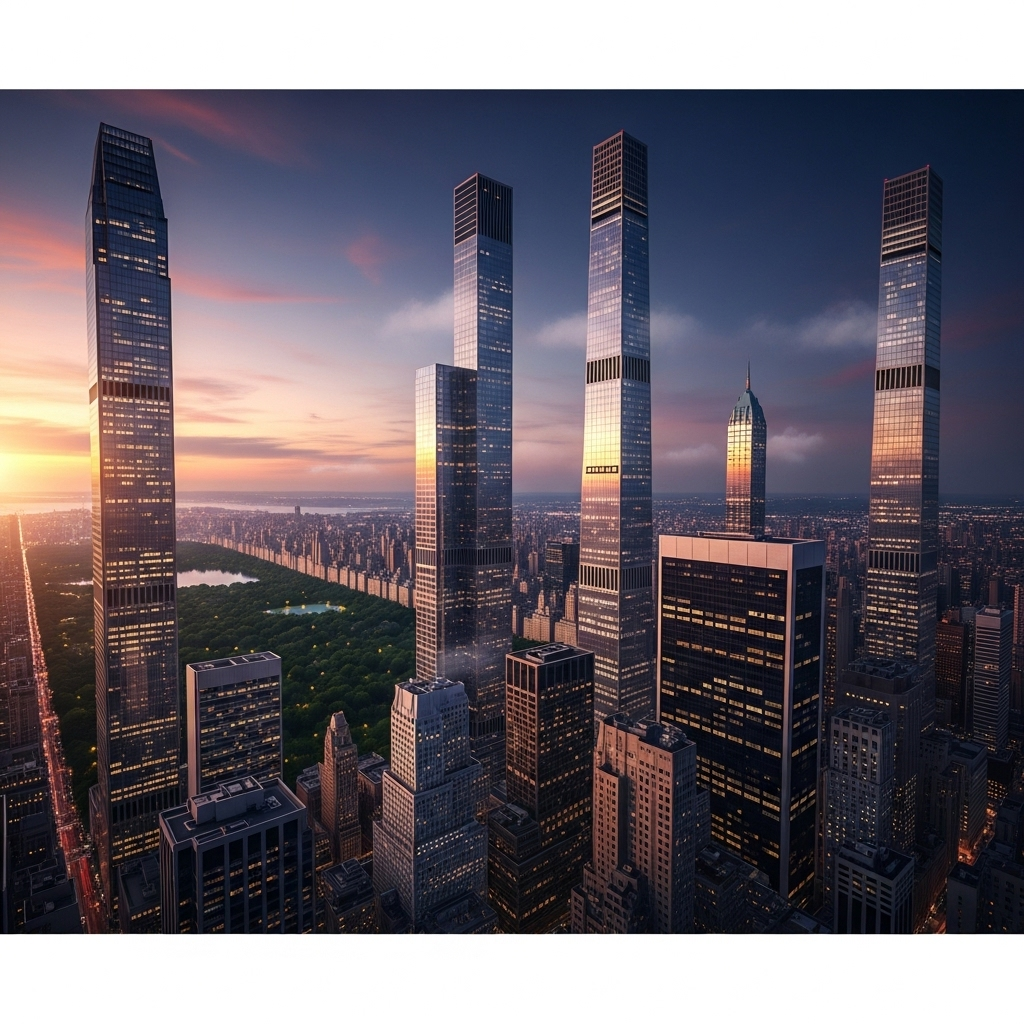
This architectural audacity created a product that simply did not exist before. It offered a level of living that was visually and structurally superior to anything else on the market, immediately attracting buyers for whom only the best and most unique would suffice.
2. The Ultimate Prime Location on 57th Street
Real estate has always been about “location, location, location,” and 57th Street boasts one of the most enviable addresses on the planet. The street acts as a perfect nexus between the tranquility of nature and the vibrant pulse of city culture. To the north lies the sprawling 843-acre oasis of Central Park, serving as a front yard for the residents of Billionaires’ Row.
To the south and east, you have the world-class shopping of Fifth Avenue and Madison Avenue, home to flagship stores for brands like Tiffany & Co., Chanel, and Louis Vuitton. The street is also the cultural heart of the city. Carnegie Hall sits directly on 57th Street, the Museum of Modern Art (MoMA) is just a block away, and Lincoln Center is a short stroll across the park. This proximity to high art, high fashion, and natural beauty is unmatched anywhere else in the city.
For the global elite, this convenience is paramount. They can enjoy a morning walk in the park, an afternoon of shopping at the world’s most exclusive boutiques, and an evening at the symphony, all within a few blocks of their front door. The location of 57th Street offers a lifestyle of unparalleled ease and cultural enrichment.
3. A New Standard of Exclusivity and Privacy
For individuals of immense wealth and public profiles, privacy is not a luxury; it’s a necessity. The developers of the towers on 57th Street understood this intimately. These buildings were designed from the ground up to provide a level of service and security that rivals a five-star hotel, all while ensuring maximum discretion.
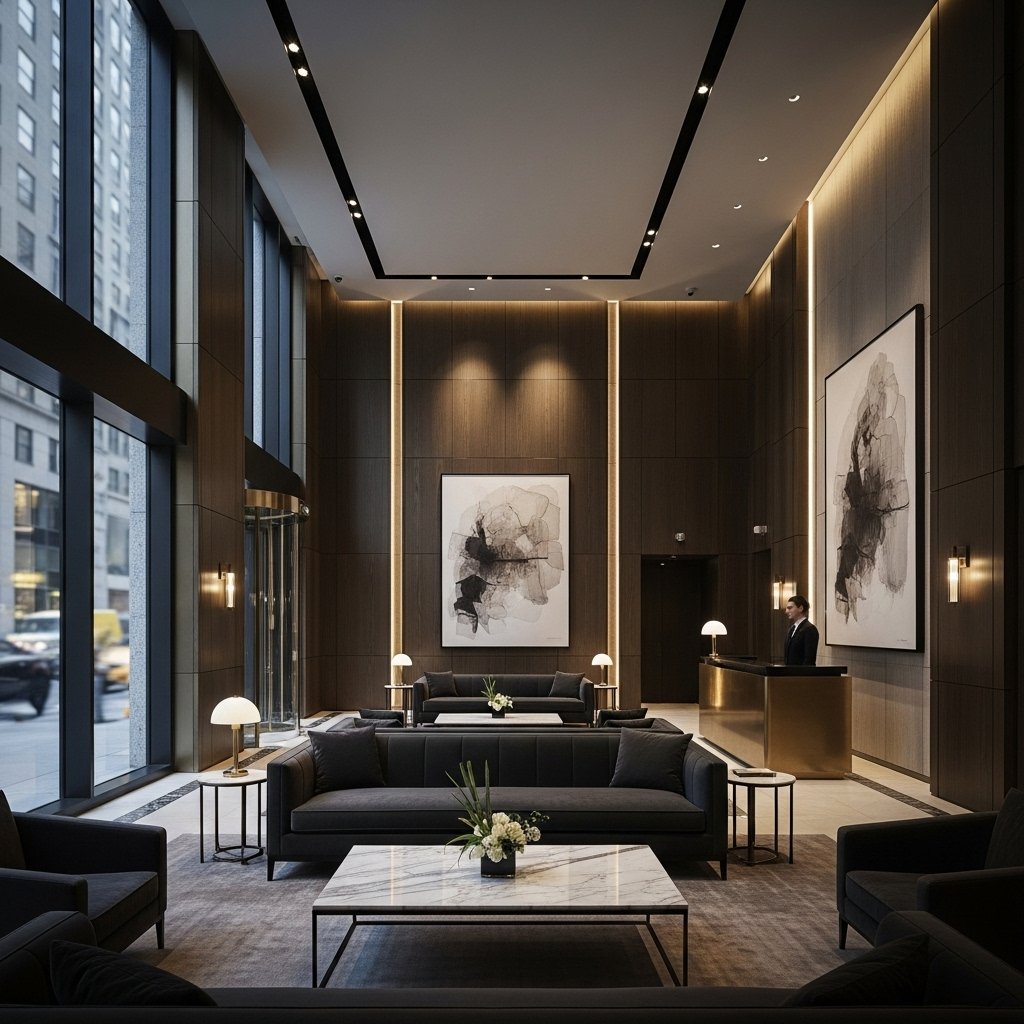
Many residences feature private elevator landings, ensuring that residents never have to share a ride or see a neighbor if they so choose. Entrances are often subtle and managed by a phalanx of security and concierge staff, with some buildings offering private, secure motor courts to allow for seamless vehicle-to-residence transitions away from the public eye. The amenity packages are legendary, often including private restaurants helmed by Michelin-starred chefs, state-of-the-art fitness centers and spas, private cinemas, and lavishly appointed lounges—all exclusively for residents and their guests.
This creates a self-contained ecosystem where every need is catered to, providing a secure and private sanctuary high above the bustling streets of Manhattan. It’s this fortress-like sense of security that is a major draw for international buyers and high-profile figures.
4. Record-Breaking Real Estate and Global Prestige
Nothing solidifies a reputation like a jaw-dropping price tag. 57th Street became a global headline-generator with a series of record-breaking real estate transactions. In 2015, a penthouse at One57 sold for over $100 million, the first of its kind in city history. This milestone shattered a psychological barrier and set a new benchmark for luxury real estate in New York.
This record was later eclipsed by hedge fund manager Ken Griffin’s 2019 purchase of a penthouse at 220 Central Park South for approximately a staggering $238 million—the most expensive home sale ever in the United States. These sales created a powerful feedback loop. The astronomical prices generated immense media attention, which in turn cemented the prestige and desirability of 57th Street in the minds of the global super-rich. Owning a property here became more than just acquiring a home; it became a statement, a trophy, and a symbol of having reached the apex of financial success.
This prestige ensures that the properties not only hold their value but are seen as a class of asset all their own, attracting a clientele that is largely immune to typical market fluctuations.
5. A “Safe Haven” for Global Capital
Beyond the views and amenities, the real estate on Billionaires’ Row serves a critical financial purpose. For many international billionaires, a condominium on 57th Street is a “safe haven” asset—a place to park a significant amount of capital in a stable, tangible asset within a politically and economically secure environment. New York City, and specifically Manhattan real estate, has long been viewed as one of the safest investments in the world.
These properties are hard assets, less volatile than stocks and bonds, and located in the financial capital of the world. For buyers from countries with political instability or uncertain economic futures, purchasing a nine-figure apartment on 57th Street is a strategic move to preserve wealth. The anonymity afforded by purchasing through LLCs adds another layer of appeal for those seeking financial privacy.
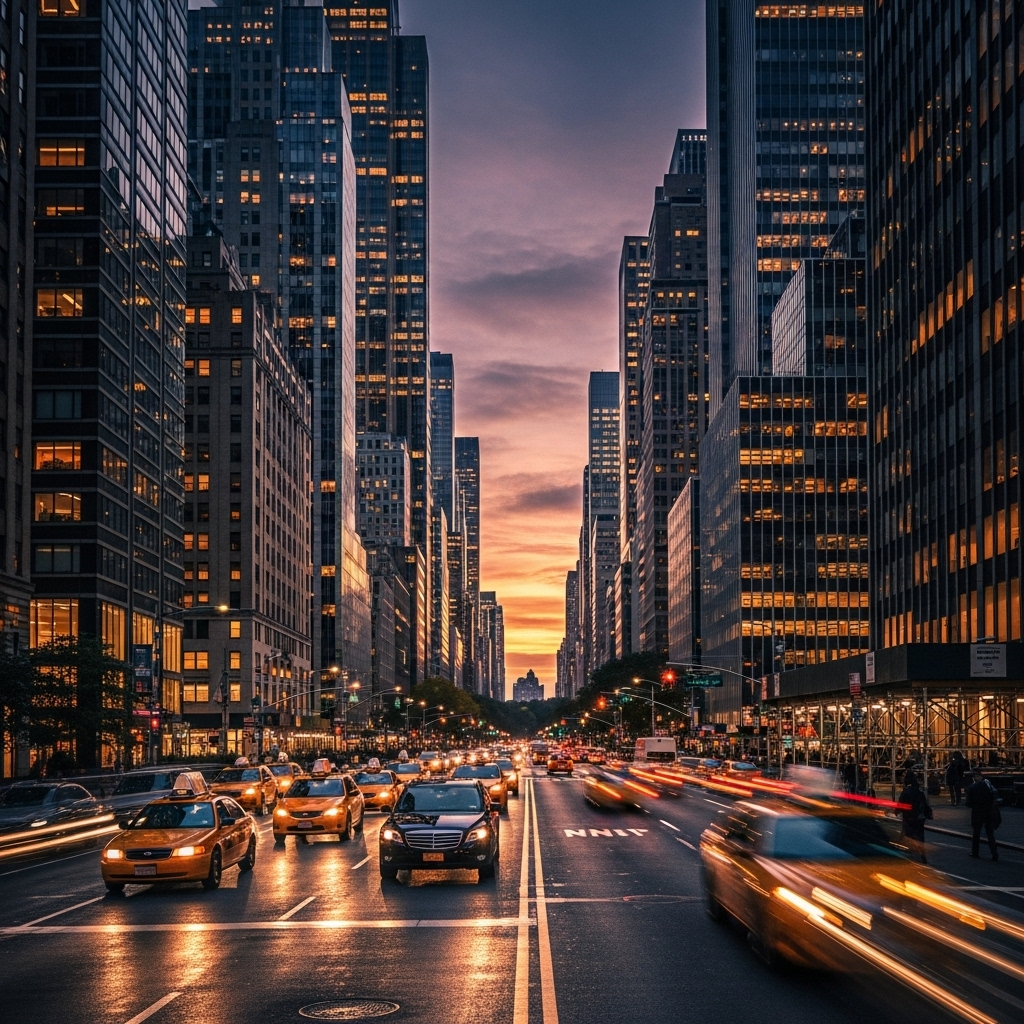
In conclusion, the rise of 57th Street to “Billionaires’ Row” status is a multifaceted story. It’s a tale of architectural ambition meeting perfect location, and privacy and prestige attracting massive global capital. The street is not just a collection of luxury apartments; it’s a new paradigm in urban living, a symbol of global wealth concentration, and a permanent, glittering fixture on the New York City skyline.
“`