
9/11 toxic dust exposure: Cancer Diagnosis 24 Years Later
For decades, the physical scars of September 11, 2001, have been visible at Ground Zero. But the invisible wounds continue to surface. More than two decades later, a growing number of survivors, first responders, and downtown residents are facing a terrifying new reality: a cancer diagnosis directly linked to the 9/11 toxic dust exposure. What was once a fear is now a tragic, long-developing certainty for thousands.
The cloud of dust that enveloped Lower Manhattan was a complex, poisonous cocktail. As we approach the 24th anniversary, the long-term health consequences are becoming tragically clear, with latency periods for certain cancers now maturing. This article explores the ongoing health crisis, the science behind the delayed diagnoses, and the resources available for those affected.
In This Article
What Was in the 9/11 Toxic Dust?
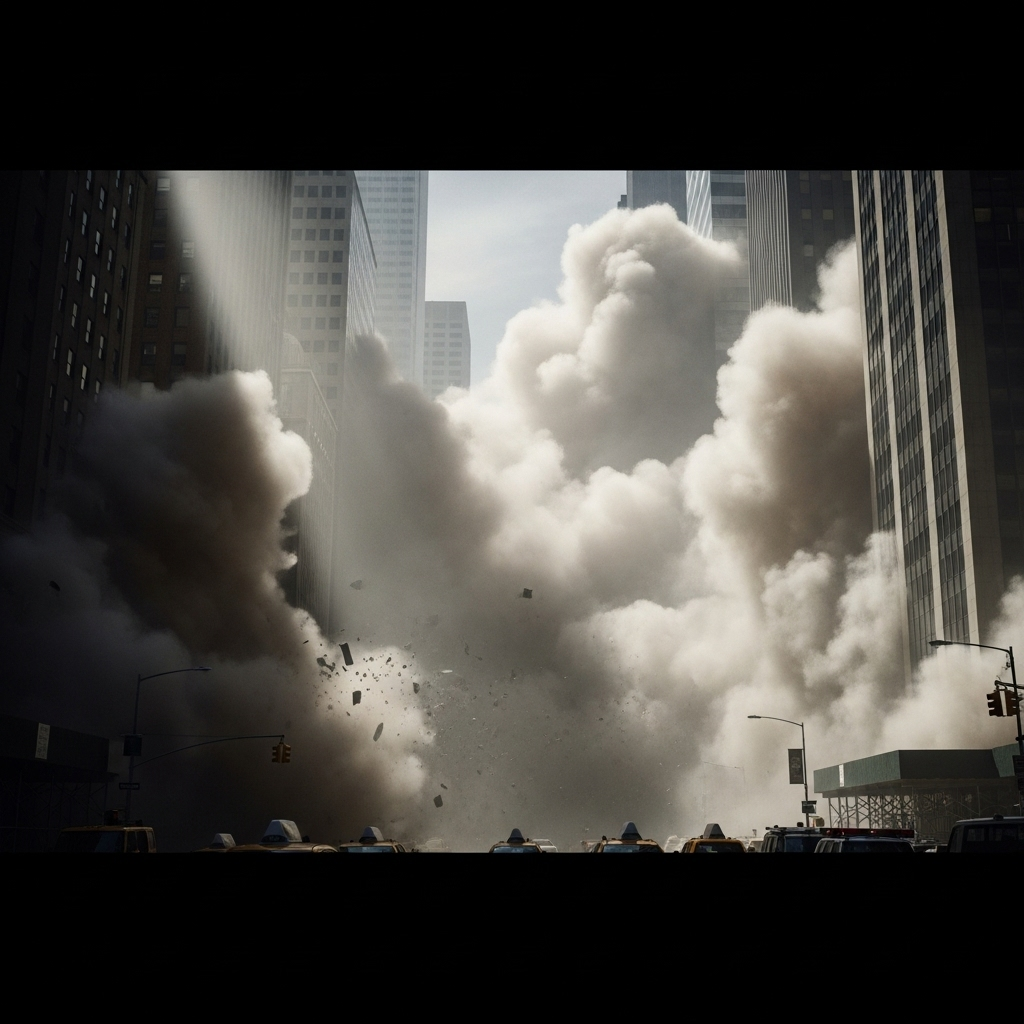
When the Twin Towers collapsed, they didn’t just turn into rubble; they were pulverized into a dense cloud of fine particles that lingered over Lower Manhattan for months. This dust was a complex and hazardous mixture of materials from the destroyed buildings.
Key components included:
- Asbestos: More than 400 tons of asbestos were used in the construction of the North Tower. When inhaled, these fibers can lead to mesothelioma and lung cancer decades later.
- Lead and Heavy Metals: Dust from thousands of computers, electrical systems, and other building materials released lead, mercury, and cadmium into the air.
- Glass Fibers: An estimated 43,600 windows were shattered, releasing microscopic shards of glass that are incredibly damaging to lung tissue.
- Concrete Dust: Pulverized concrete, with its high pH, was highly alkaline and corrosive to the respiratory system.
- Carcinogens from Combustion: The fires that burned for 100 days released dioxins, benzene, and polycyclic aromatic hydrocarbons (PAHs)—all known human carcinogens.
Breathing in this mixture was a direct assault on the body’s respiratory and immune systems. For many, the initial symptoms were a persistent “WTC cough,” but the real danger was the silent damage being done at a cellular level.
The Long Latency Period of 9/11-Related Cancers
Why is it taking 24 years for some of these cancers to appear? The answer lies in the concept of a latency period. This is the time between the initial exposure to a carcinogen and the clinical diagnosis of a related disease. For many cancers, this period can be incredibly long.
Cellular damage from toxins like asbestos doesn’t cause cancer overnight. The inhaled particles can lie dormant in the body for years, slowly causing inflammation and genetic mutations that eventually lead to uncontrolled cell growth—cancer.
Cancers with particularly long latency periods that are now being increasingly linked to 9/11 include:
- Mesothelioma: A rare and aggressive cancer primarily caused by asbestos exposure, with a latency period of 20 to 50 years.
- Lung Cancer: While it can appear sooner, many forms develop 15 to 25 years after significant exposure to carcinogens.
- Thyroid Cancer: Studies have shown a significant increase in thyroid cancer among 9/11 first responders.
- Prostate Cancer: An aggressive form of prostate cancer has been strongly associated with exposure at Ground Zero.
This long delay means that the health crisis stemming from the 9/11 toxic dust exposure is not a past event; it is an ongoing and evolving tragedy.
Understanding the Impact of 9/11 Toxic Dust Exposure Today
The impact of the 9/11 toxic dust exposure extends far beyond the first responders who bravely worked on “the pile.” The affected population is a diverse community of individuals who lived, worked, or went to school in Lower Manhattan on 9/11 and in the months that followed.
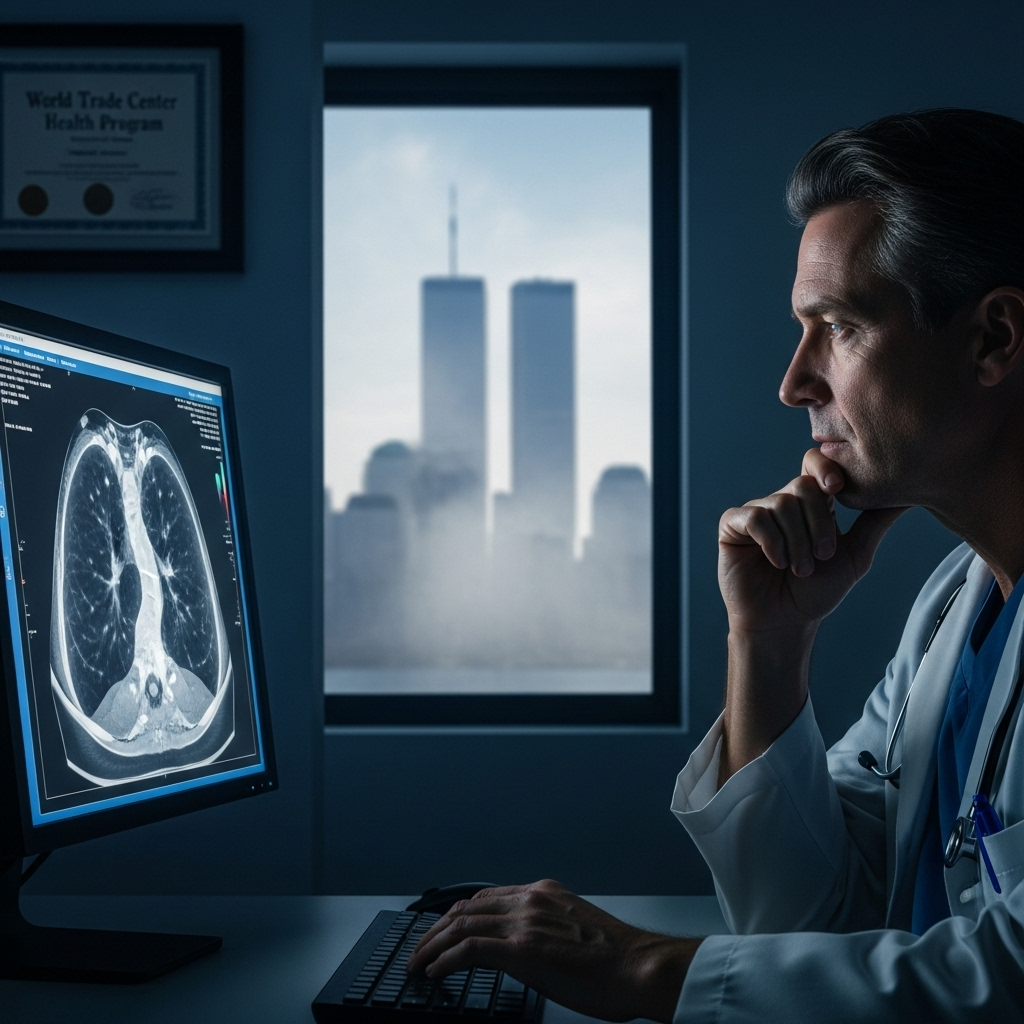
Today, this community faces a heightened risk for over 70 different types of cancer and numerous respiratory illnesses. The World Trade Center (WTC) Health Program, a federal program established to provide medical monitoring and treatment, has enrolled over 125,000 members. Of those, more than 32,000 have been diagnosed with a 9/11-related cancer.
This number is expected to climb as more survivors reach the 20- to 30-year latency window for some of the most aggressive cancers. The psychological toll is also immense, as survivors live with the constant anxiety of a potential diagnosis.
What to Do If You Were Exposed
If you were in the NYC Exposure Zone between September 11, 2001, and July 31, 2002, it is critical to take proactive steps to protect your health, even if you feel fine now.
- Enroll in the WTC Health Program: This is the most important step. The program provides free, confidential medical monitoring and treatment for eligible survivors, responders, and residents. You can learn more and check your eligibility on the official CDC website.
- Register with the September 11th Victim Compensation Fund (VCF): The VCF provides financial compensation for physical health conditions, including cancer, resulting from the 9/11 attacks. There are strict deadlines for registration, so it’s vital to register even if you are not currently sick. You can learn more at VCF.gov.
- Inform Your Primary Care Physician: Make sure your doctor knows about your potential exposure. This context is crucial for interpreting symptoms and recommending appropriate screenings.
- Don’t Ignore Symptoms: A persistent cough, shortness of breath, acid reflux, or any other unusual and lasting symptoms should be evaluated immediately. Early detection saves lives.
The Future of 9/11 Health: A Continuing Mission
The phrase “Never Forget” has long been a tribute to the victims who died on 9/11. Today, it must also serve as a commitment to the living—to the heroes and survivors who are still battling the consequences of that day.
The health crisis caused by the 9/11 toxic dust exposure is far from over. Continued funding for the WTC Health Program and VCF is essential. Ongoing research is needed to better understand the long-term effects and develop more effective treatments. Above all, awareness is key.
As we move further from the event, it’s easy for the public and policymakers to forget that thousands are still suffering. Sharing these stories and advocating for care is a vital part of honoring the complete legacy of September 11th. The fight for the health of 9/11 survivors is a marathon, not a sprint, and it’s a race we must not lose.

If you or a loved one were in Lower Manhattan during or after the attacks, please do not wait. Take advantage of the resources available to you. Your vigilance today could be the key to a healthier tomorrow.
“`


