
Blood Moon 2024: 5 Facts About This Lunar Eclipse
The night sky is a theater of endless wonders, but few spectacles are as captivating and mysterious as a blood moon. As skywatchers look forward to the next major celestial event, we’re diving into five fascinating facts about this stunning lunar eclipse. Get ready to understand the science, history, and viewing tips behind the Moon’s beautiful crimson transformation.
Table of Contents
1. A “Blood Moon” Is Really a Total Lunar Eclipse
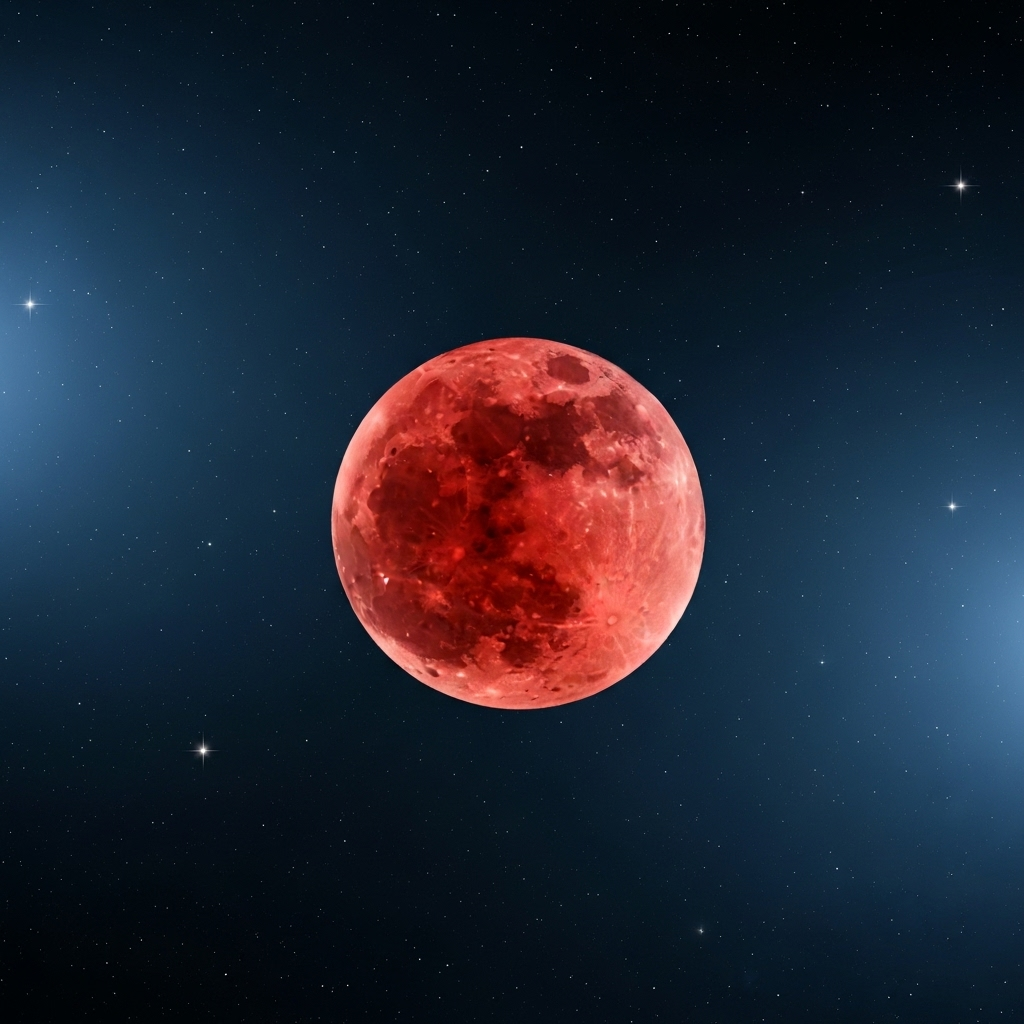
While the name “blood moon” sounds dramatic and a bit ominous, its scientific name is much more straightforward: a total lunar eclipse. This event happens when the Earth passes directly between the Sun and the Moon, casting its shadow completely over the lunar surface. This perfect alignment is known as a “syzygy.”
Unlike a solar eclipse, where the Moon blocks the Sun, a lunar eclipse involves the Moon passing through Earth’s shadow. This shadow has two parts:
- The Penumbra: The faint, outer part of the shadow. As the Moon enters the penumbra, it only darkens slightly, a change that can be difficult to notice.
- The Umbra: The dark, inner part of the shadow. When the Moon fully enters the umbra, the total eclipse begins, and the magic of the blood moon appears.
So, when you hear someone talking about the upcoming blood moon, you’re really talking about the peak of a total lunar eclipse, a celestial alignment that temporarily hides the Moon from direct sunlight.

The Red Glow Is an Earth-Sized Sunset
If the Earth is completely blocking the Sun’s light, why does the Moon turn red instead of just disappearing into blackness? The answer lies in Earth’s atmosphere.
Imagine you are standing on the Moon during a total lunar eclipse. From your vantage point, the Earth would be completely blocking the Sun. However, you would see a brilliant ring of reddish light around the Earth’s silhouette. That ring is the light from all of the sunrises and sunsets happening on Earth at that exact moment.
As sunlight passes through Earth’s atmosphere, shorter-wavelength light (like blue and violet) is scattered away by air molecules—this is the same reason our sky is blue. The longer-wavelength light (like red and orange) passes through the atmosphere more easily. This reddish light is then bent, or refracted, toward the Moon, illuminating its surface with a coppery glow. In essence, a blood moon is the Moon being bathed in the glow of a planet-wide sunset.
3. The Next Big One: The September 2025 Blood Moon
While 2024 had its share of celestial sights, the event many astronomers are eagerly anticipating is the total lunar eclipse on September 7-8, 2025. This will be a spectacular blood moon event visible across North and South America, Europe, Africa, and parts of Asia.
This particular eclipse is notable for its duration and visibility. The period of totality—when the Moon is fully engulfed in Earth’s umbra and appears reddest—will last for an impressive 1 hour and 22 minutes. This provides ample time for stargazers to observe and photograph the phenomenon.
Mark your calendars! The timing is perfect for observers in the Americas, occurring during the evening and nighttime hours. This long duration and wide visibility make the September 2025 event a prime candidate for the most-watched blood moon of the year.
4. They’ve Inspired Awe and Fear for Millennia
Long before we understood the science of orbital mechanics, the sight of the Moon turning a deep, bloody red was a source of powerful omens and superstitions. Without a scientific explanation, many ancient cultures interpreted a blood moon as a sign of divine anger or a harbinger of doom.
- Inca Civilization: The Inca believed a celestial jaguar was attacking and eating the Moon, which explained its red color. They would shout, shake spears, and make their dogs bark to scare the jaguar away.
- Ancient Mesopotamia: They viewed a lunar eclipse as a direct assault on their king. To protect the monarch, they would install a proxy king for the eclipse’s duration who would bear the brunt of any divine wrath.
- Biblical References: The term “blood moon” has been popularized in modern times through references to prophecies in the Bible, such as in the Book of Joel, which states, “The sun will be turned to darkness and the moon to blood before the coming of the great and dreadful day of the Lord.”
These historical interpretations show just how deeply this celestial event has been woven into human culture. Today, we can appreciate the beautiful science of the blood moon while also respecting the powerful mythology it inspired.
5. You Don’t Need Special Equipment to See It
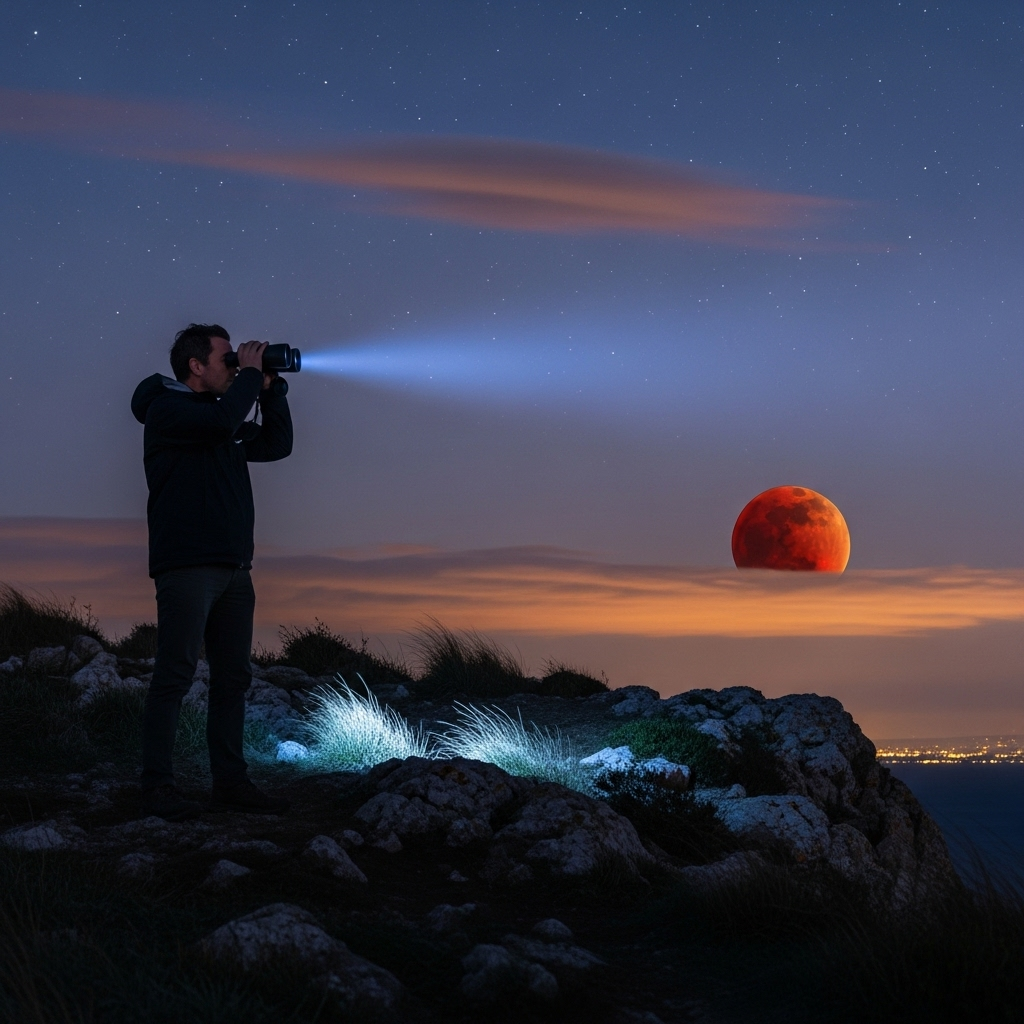
One of the best things about a lunar eclipse is its accessibility. Unlike a solar eclipse, which requires special protective glasses to prevent eye damage, a blood moon is perfectly safe to view with your naked eye.
Here are a few tips to enhance your viewing experience:
- Find a Dark Spot: Move away from city lights to a location with a clear, unobstructed view of the sky. The darker your surroundings, the more vibrant the red color will appear.
- Give Your Eyes Time: Allow your eyes at least 15-20 minutes to adjust to the darkness. This will make the details of the lunar surface and the color of the eclipse much clearer.
- Use Binoculars or a Telescope: While not necessary, a simple pair of binoculars or a small telescope can provide a breathtakingly detailed view. You’ll be able to see craters and seas on the lunar surface bathed in an ethereal red light. For more information on what to look for, check out NASA’s official eclipse page.
- Check the Timing: Eclipses happen on a very precise schedule. Check your local time for when the partial eclipse begins, when totality starts, and when it ends. This will ensure you don’t miss the main event.
If you’re interested in capturing the night sky, you might also enjoy our guide on Astrophotography for Beginners.
A Celestial Show for Everyone
The blood moon is a perfect reminder of the intricate and beautiful dance of our solar system. It’s a phenomenon where science and myth intersect, offering a moment of connection to the cosmos and to the countless generations who have gazed up at the same red moon in wonder. So when the next total lunar eclipse arrives, be sure to step outside, look up, and enjoy the show.


