
Trump’s Energy Price Promise: 5 Ways He Could Lower Costs
Former President Donald Trump has made a bold pledge a cornerstone of his political platform: to slash energy prices for American consumers. With voters consistently ranking the economy and inflation as top concerns, Trump’s energy price promise resonates with many who feel the pinch at the gas pump and on their utility bills. The strategy centers on a philosophy of “energy dominance” through maximizing domestic production.
But how, specifically, might a second Trump administration attempt to achieve this goal? The approach involves a multi-faceted strategy aimed at removing perceived barriers to production and promoting fossil fuels. Here are five key ways he could work to lower energy costs.
In This Article:
1. Unleashing Domestic Oil and Gas Production
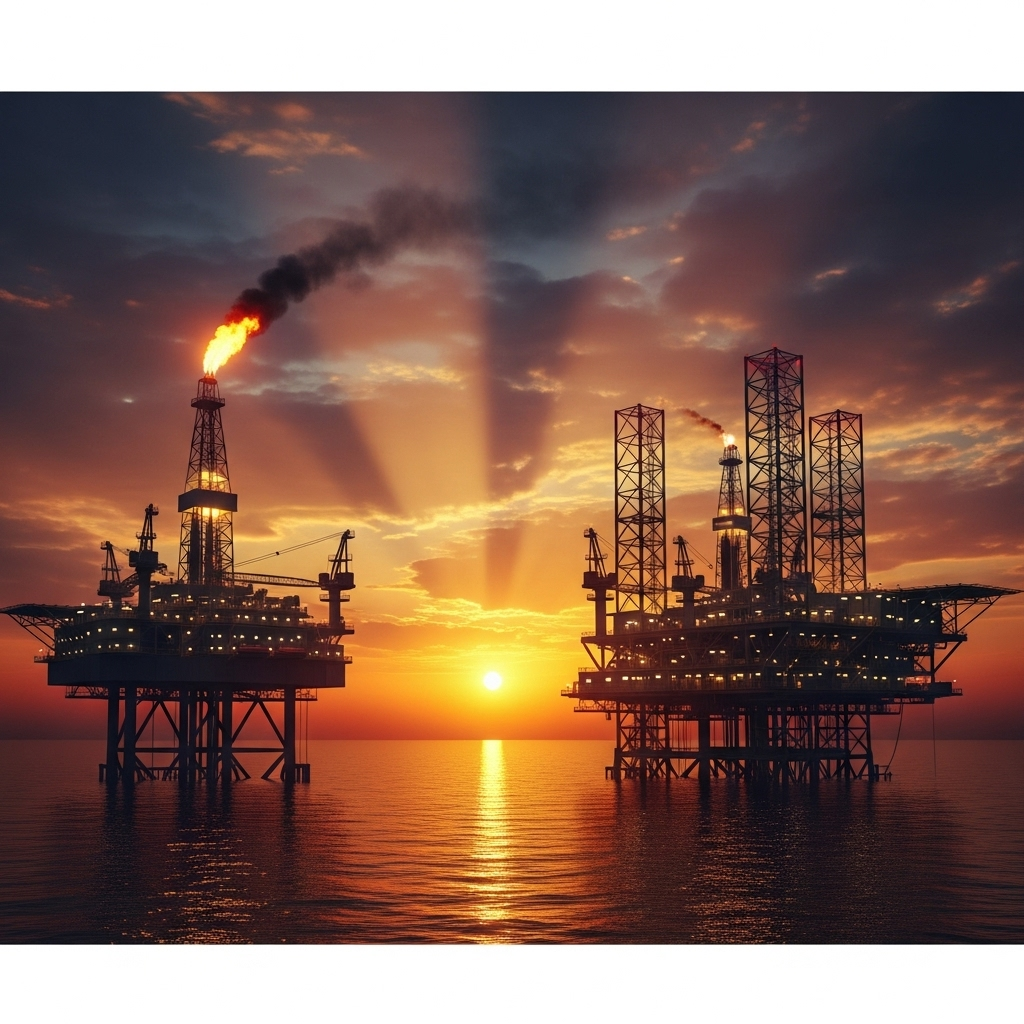
The most direct tenet of Trump’s energy plan is to significantly increase the domestic supply of oil and natural gas. The core economic principle is simple: when supply increases, prices tend to fall, assuming demand remains stable. His administration would likely take immediate steps to make more federal land and offshore areas available for drilling leases.
This “drill, baby, drill” approach would reverse current policies that have placed restrictions on new leases in certain areas. We could expect to see executive orders aimed at fast-tracking the sale of drilling rights in places like the Gulf of Mexico and parts of Alaska. Proponents argue this would not only lower prices but also create high-paying jobs and enhance U.S. energy independence, insulating the country from volatile global markets.
Critics, however, warn of the long-term environmental consequences and argue that the global nature of oil markets means domestic production increases don’t always translate to immediate or significant price drops at the pump.
2. Rolling Back Environmental Regulations
During his first term, Trump’s administration rolled back or revised nearly 100 environmental rules. A second term would likely see an acceleration of this trend. Regulations, while designed to protect air and water quality, often add significant compliance costs for energy producers. These costs are frequently passed on to consumers in the form of higher prices.
Potential targets for deregulation could include methane emission standards for oil and gas operations, fuel efficiency standards for vehicles, and rules governing power plant emissions. By reducing the regulatory burden, the argument is that companies can produce energy more cheaply. This is a key part of fulfilling Trump’s energy price promise, as it directly impacts the operational costs of the fossil fuel industry.
This strategy is highly contentious. Environmental groups argue that such rollbacks would have dire consequences for public health and accelerate climate change. The debate pits short-term economic relief against long-term environmental and health protections.
3. Reforming Energy Infrastructure Permitting
It’s not enough to just drill for oil and gas; you also need the infrastructure—pipelines, refineries, and export terminals—to process and transport it. Major infrastructure projects in the U.S. often face years of delays due to lengthy environmental reviews and legal challenges under laws like the National Environmental Policy Act (NEPA).
Trump has frequently criticized this process as “paralysis by analysis.” His administration would likely seek to dramatically shorten the timeline for federal permit approvals. This could involve setting firm deadlines for reviews (e.g., one to two years) and limiting the scope of legal challenges against approved projects. Faster approvals for pipelines like the Keystone XL, which was a major focus during his first term, would be a priority.
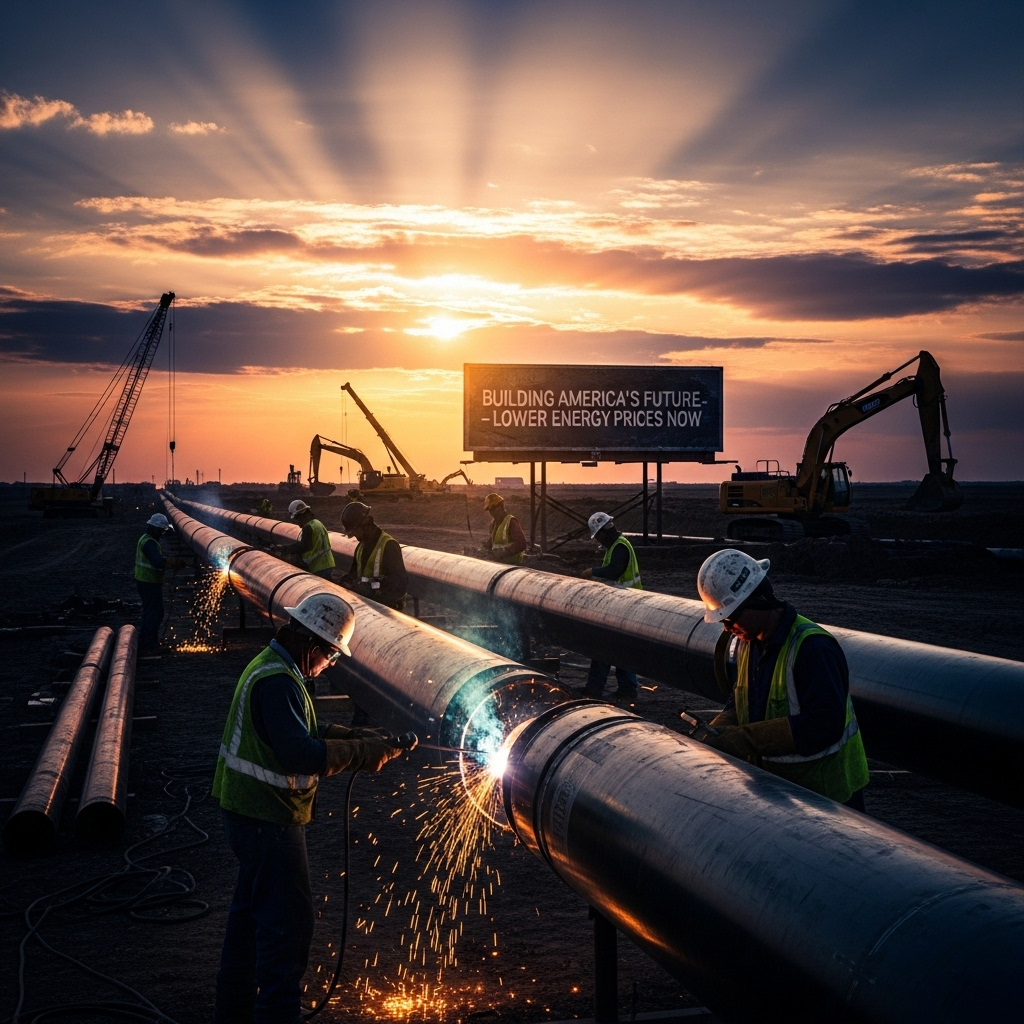
By streamlining this process, the goal is to get energy from the wellhead to the market faster and more cheaply. You can learn more about energy infrastructure trends from official sources like the U.S. Energy Information Administration (EIA).
4. Examining Trump’s Energy Price Promise and Foreign Policy
Energy prices are global. A president can use the tools of foreign policy and trade to influence the world market. Trump’s “America First” approach to foreign policy would likely be applied to energy, using diplomatic pressure, sanctions, and trade negotiations to benefit American consumers.
This could involve pressuring OPEC+ nations, particularly Saudi Arabia and Russia, to increase oil production to lower global prices. Conversely, he might use sanctions to keep oil from adversary nations off the market, though this can sometimes have the opposite effect on prices. The strategy is a high-stakes balancing act, using leverage to encourage actions favorable to U.S. interests.
This approach aligns with a broader transactional view of international relations, where economic advantage is a primary goal. The success of such a strategy depends heavily on geopolitical conditions and the willingness of other nations to cooperate.
5. Abandoning Green Energy Subsidies
A significant part of the current administration’s climate agenda is the promotion of green energy through substantial federal subsidies, most notably through the Inflation Reduction Act (IRA). These policies provide tax credits for electric vehicles (EVs), solar panels, and wind turbines.
Trump has been a vocal critic of these initiatives, often deriding wind power and EVs. A key part of realizing Trump’s energy price promise would be to seek the repeal of these subsidies. The argument is twofold: first, that these subsidies distort the market and unfairly penalize fossil fuels, which are currently more reliable and cost-effective. Second, that cutting this spending would reduce the national debt and the overall tax burden.
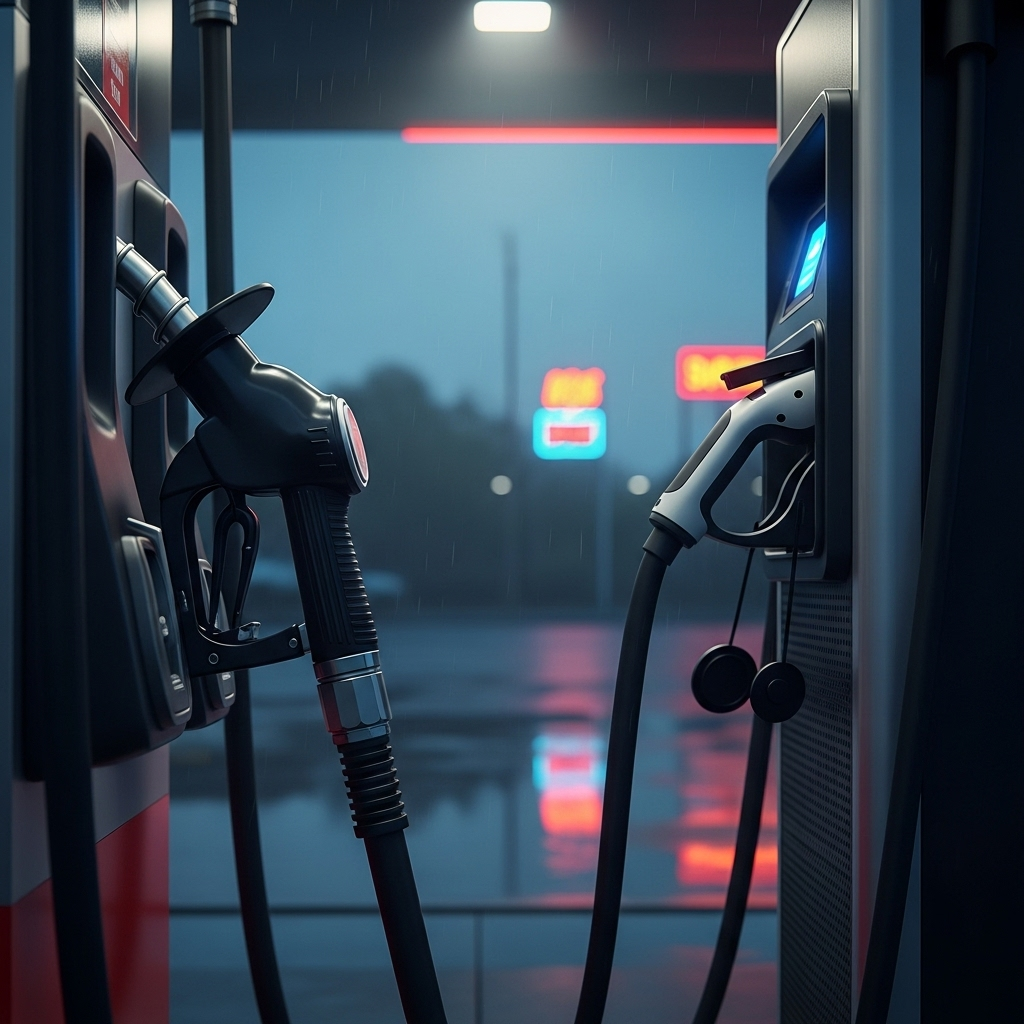
By removing support for renewables, the administration would aim to create a “level playing field” where fossil fuels can compete more effectively on price. Supporters of green energy argue that this would be a major setback for U.S. climate goals and would stifle innovation in a rapidly growing global industry.
Conclusion: A Clear but Controversial Path
Donald Trump’s plan to lower energy prices is clear and consistent with his first term’s policies. It relies heavily on maximizing fossil fuel production by cutting regulations, speeding up infrastructure projects, and removing support for renewable alternatives. Each of these five pillars represents a significant departure from current policy and carries its own set of potential benefits and considerable controversies. For voters concerned about energy costs, this promise is powerful, but its implementation would undoubtedly reshape America’s energy landscape and environmental future for years to come.
“`


