
2026 Turnout: Vance Issues Warning for Midterm Elections
As the dust settles from the last election cycle, political strategists are already turning their attention to the next major battleground: the 2026 midterm elections. In a recent address to party activists, Senator J.D. Vance (R-OH) issued a stark warning, emphasizing that complacency could be the biggest threat to Republican ambitions. His message was clear: without a concerted and early effort to energize the base, the projected 2026 turnout could fall short, jeopardizing key races across the country.
Vance’s comments highlight a perennial challenge in American politics—the significant drop-off in voter participation during non-presidential election years. This article delves into the senator’s warning, the historical context of midterm turnout, and the critical factors that will shape the electoral landscape in 2026.
In This Article:
Vance’s Call to Action: “No Room for Complacency”
Speaking at a conservative grassroots event, Senator Vance cautioned against overconfidence. “We cannot afford to assume that momentum from a previous cycle will carry over,” he stated. “The fight for 2026 begins today. Every single vote will matter, and the party that does a better job of getting its people to the polls will win. There is absolutely no room for complacency.”
His remarks are seen as a direct challenge to the national party infrastructure, urging a shift from high-level messaging to on-the-ground, get-out-the-vote (GOTV) operations. Vance stressed that the focus must be on voter registration, community engagement, and addressing the specific issues that motivate infrequent voters. He pointed to his own successful 2022 campaign as an example of how connecting with working-class voters on economic issues can drive participation.
Political analysts note that such early warnings are strategically important. By sounding the alarm now, Vance aims to prevent the “midterm malaise” that often affects the party that recently won the White House, though he framed his concerns as a universal challenge for Republicans regardless of the 2024 outcome.
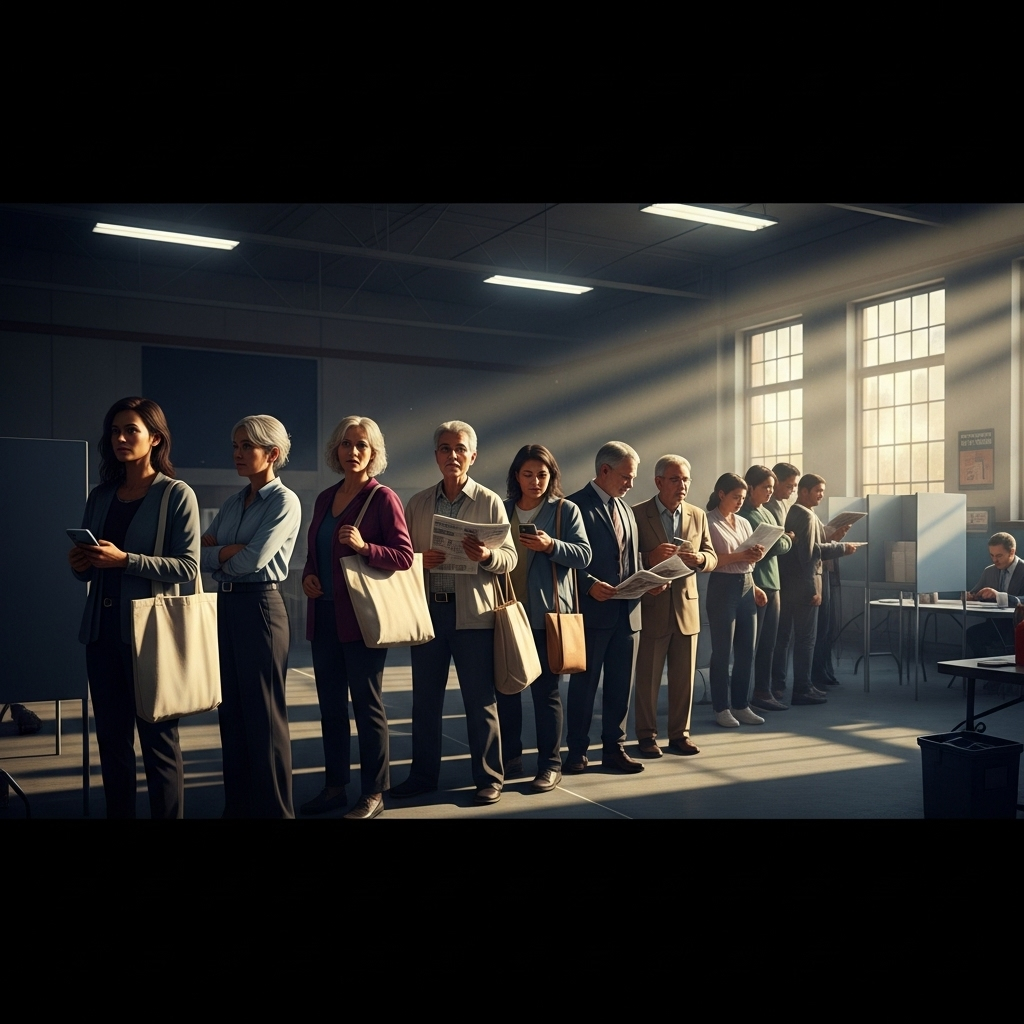
The Historical Hurdle: Understanding Midterm Turnout Patterns
Vance’s concerns are deeply rooted in historical data. Midterm elections consistently see lower voter participation than presidential elections. For example, according to the U.S. Census Bureau, the 2020 presidential election saw 66.8% turnout among the citizen voting-age population. In contrast, the 2022 midterm election turnout was 52.2%.
This “turnout gap” is a critical factor in determining midterm outcomes. The electorate in a midterm year is often older, whiter, and more ideologically motivated than the broader electorate in a presidential year. This demographic shift can significantly benefit one party over the other, depending on the national mood.
Several factors contribute to this phenomenon:
- Lower Media Attention: Midterm elections receive less media coverage than the spectacle of a presidential race, leading to lower public awareness.
- Voter Fatigue: After a high-stakes presidential election, some voters experience burnout and are less inclined to engage again two years later.
- Perceived Lower Stakes: Many voters do not see congressional or state-level races as having the same impact as a presidential contest, even though they often have a more direct effect on their daily lives.
The challenge for both parties is to overcome this historical trend. They must convince their base that control of Congress, governorships, and state legislatures is a prize worth fighting for, even without a presidential candidate at the top of the ticket.
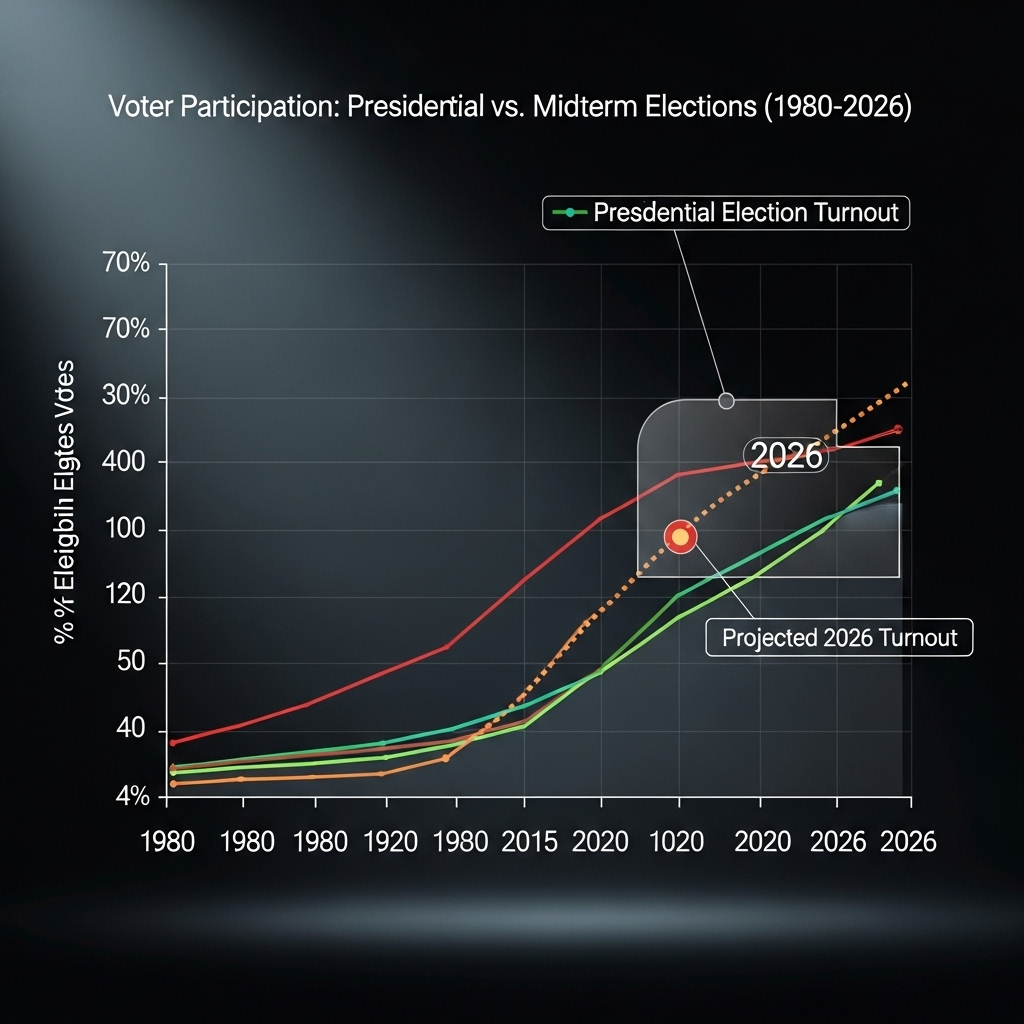
The Battle for 2026 Turnout: What’s at Stake?
The stakes for the 2026 turnout are incredibly high. The entire House of Representatives, a third of the Senate, and numerous governorships will be on the ballot. The outcome will determine the legislative agenda for the final two years of the presidential term and set the stage for the 2028 election.
For Democrats, a strong turnout is essential to defend vulnerable seats and potentially gain ground. They will likely focus on issues such as reproductive rights, climate change, and social safety nets, which have proven effective in mobilizing their base, particularly younger voters and suburban women. A failure to match Republican enthusiasm could result in significant losses and a gridlocked government.
For Republicans, as Vance highlighted, the goal is to build on their strengths with rural and working-class voters. A robust turnout from their base could flip key Senate seats and expand their majority in the House. They will likely campaign on issues like border security, inflation, and economic policy. A low-energy campaign that fails to drive a strong 2026 turnout could see them miss a critical opportunity to consolidate power.
Key Factors That Will Shape the 2026 Electorate
Beyond historical trends, several dynamic factors will influence who shows up to vote in 2026. Savvy political observers are watching these areas closely.
The Economy: Perhaps the most significant factor will be the state of the economy. If inflation is low and job growth is strong, the incumbent president’s party may benefit. Conversely, a recession or persistent economic anxiety could fuel a “throw the bums out” mentality, benefiting the opposition.
The Political Climate: The level of political polarization and the performance of the sitting president will be crucial. A president with high approval ratings can provide a tailwind for their party’s candidates. An unpopular president, however, can be an anchor, creating a “referendum” election that favors the other side.
Candidate Quality: As the saying goes, “all politics is local.” The quality of individual candidates—their charisma, fundraising ability, and connection to their districts—can often overcome national trends. A strong candidate can inspire higher turnout, while a weak one can depress it.
Ballot Initiatives: In many states, hot-button issues like abortion rights, marijuana legalization, or voting laws will be on the ballot. These initiatives can be powerful motivators, drawing single-issue voters to the polls who might otherwise have stayed home. For more updates on election dynamics, check our Election News section.

Looking Ahead: Strategies and Predictions for 2026
Senator Vance’s warning is not just rhetoric; it is a strategic blueprint. In the coming months, expect both parties to ramp up their efforts to address the turnout challenge.
We will likely see massive investments in digital outreach and data analytics to identify and target potential voters. Grassroots organizing, including door-knocking and community events, will be prioritized to create personal connections. Messaging will be carefully crafted to frame the stakes of the election in the most compelling terms possible for each party’s target demographics.
While it is far too early to make firm predictions, one thing is certain: the party that successfully heeds warnings like Vance’s and executes a superior ground game will be in the strongest position to claim victory. The battle for 2026 has begun, and it will be won or lost not just in the halls of Congress, but in the neighborhoods and communities where the decision to vote is made. The question of the 2026 turnout will be the defining variable of the next election cycle.
“`


