New CEO Policies: 1 Barista Says Starbucks Workers Abused
The rollout of Starbucks’ new CEO policies under the leadership of Laxman Narasimhan was intended to reinvigorate the coffee giant and streamline operations. However, for some employees on the front lines, these changes have allegedly created a high-pressure environment that one barista describes as “systematic abuse.” This account raises serious questions about the real-world impact of top-down corporate strategies on the well-being of workers.
“Mentally Drained”: A Barista’s Alarming Allegations
A barista from a busy metropolitan location, who wishes to remain anonymous for fear of retaliation, has come forward with disturbing claims about the work environment since the implementation of recent corporate directives. “It’s not about one bad manager anymore,” they stated. “It feels like the new CEO policies are designed to squeeze every last drop of energy out of us for the sake of a few seconds off drive-thru times.”
The employee detailed a series of changes that have contributed to this feeling of being “abused.” These include stricter enforcement of “customer connection” scores while simultaneously being pressured to reduce service times, a practice many workers call contradictory and stressful. “We’re told to have a meaningful conversation and connect with every customer, but if our ‘out-the-window’ time is over 50 seconds, we get written up,” the barista explained. This creates a no-win situation.
Furthermore, the barista pointed to changes in labor allocation and scheduling. Store hours have been extended in many locations without a proportional increase in staffing, leading to what they describe as “skeletal crews” during peak times. “I’m often running the register, the oven, and the bar all at once. It’s unsafe and mentally draining. This isn’t what I signed up for. The promise of a supportive ‘third place’ feels like a distant memory.”

A Closer Look at Starbucks’ New CEO Policies
Since taking the helm, CEO Laxman Narasimhan has introduced a “reinvention plan” aimed at improving efficiency, boosting profits, and enhancing the customer experience. A key component of these new CEO policies involves significant investment in new equipment, such as the Siren System, designed to speed up the preparation of cold drinks and reduce physical strain on employees. The company has publicly stated that these initiatives are meant to make the baristas’ jobs easier.
Official communications from Starbucks headquarters emphasize that the goal is to free up employees’ time to foster the very “customer connections” the company was built on. According to a press release on their investor site, the strategy is about “reconnecting with the soul of the company.”
However, the anonymous barista’s account suggests a major disconnect between corporate intent and on-the-ground execution. While new machines might be helpful, the simultaneous introduction of more stringent performance metrics, coupled with lean staffing models, appears to be negating any potential benefits. Critics argue that the focus has shifted entirely to measurable data points, turning employees into cogs in a machine rather than valued “partners,” the term Starbucks has historically used for its staff.
The Broader Context: Unionization and Company Response
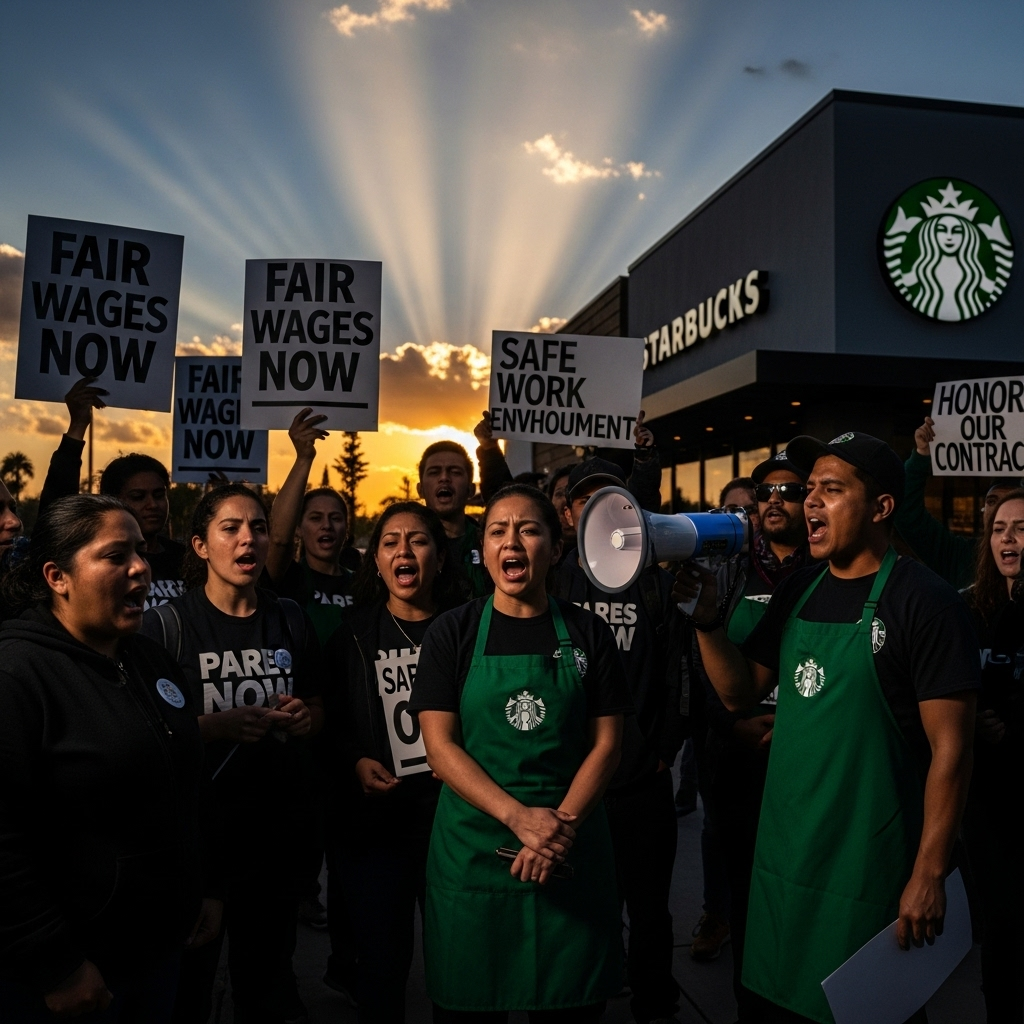
These allegations do not exist in a vacuum. They come amid a widespread and often contentious unionization effort across hundreds of Starbucks stores in the United States. Starbucks Workers United, the organizing body, has repeatedly cited issues like understaffing, inconsistent hours, and a lack of respect from management as primary drivers for their campaign. The barista’s claims echo many of the grievances voiced by union advocates.
When asked for comment on these specific allegations, a Starbucks spokesperson provided a general statement: “We are committed to creating a welcoming and positive environment for all our partners. We value their feedback and have established channels for them to voice concerns without fear of reprisal. Our reinvention plan is a direct investment in our partners and our stores to improve their experience and create a more sustainable future for our business.”
Despite these official statements, the company has been accused by the National Labor Relations Board of using illegal tactics to bust unions, a charge the company denies. This ongoing tension between corporate messaging and worker experience highlights a growing divide within the coffee empire. For more details on the labor disputes, you can read our previous coverage on the latest in the Starbucks union drive.

The Human Cost of Corporate Efficiency
The core of the issue seems to be the potential human cost of prioritizing efficiency above all else. While optimizing workflows and reducing wait times are logical business goals, the barista’s story suggests that the new CEO policies may be overlooking the well-being of the workforce tasked with implementing them.
Employee morale is a critical asset for a brand that sells an experience as much as it sells coffee. When baristas feel pressured, stressed, and unheard, the “customer connection” that Starbucks executives tout as a priority is the first thing to suffer. A hurried, frazzled employee cannot be expected to provide the warm, welcoming service that defines the brand’s identity. This can lead to a negative feedback loop: poor employee morale leads to a decline in customer experience, which in turn can impact sales and damage the brand’s reputation.
This situation is not unique to Starbucks. Many companies in the service and retail sectors are grappling with how to balance operational efficiency with employee satisfaction. You can learn more about these trends in our analysis of major corporate shakeups this year.
What’s Next for Starbucks Labor Relations?
The single barista’s account of abuse under the new CEO policies serves as a powerful symbol of a much larger struggle. It encapsulates the tension between a multi-billion dollar corporation’s strategic pivots and the daily reality of its front-line workers. The success of Laxman Narasimhan’s tenure may ultimately depend not just on stock performance or drive-thru times, but on his ability to bridge this gap.
As the union movement continues to gain traction and more workers feel emboldened to speak out, Starbucks faces a critical juncture. It can either dismiss these accounts as isolated incidents or engage in a meaningful dialogue with its “partners” to co-create a work environment that is both efficient and humane.
The path forward will be closely watched, not just by employees and customers, but by the entire service industry. Whether Starbucks can successfully “reinvent” itself without alienating its workforce remains the billion-dollar question.