
Rob Schneider: 5 Reasons He Wants Messy Conversations
From his iconic characters on Saturday Night Live to his roles in blockbuster comedies, Rob Schneider has been a staple of American humor for decades. But in recent years, the comedian has become an outspoken advocate for something many people try to avoid: messy, uncomfortable, and challenging conversations. While he’s still making people laugh, he’s also making them think by diving headfirst into topics that often lead to polarized debate.
So, what’s behind this shift? It’s not just about stirring the pot. For Schneider, fostering open dialogue is essential for a healthy society, and he believes we’ve lost our way. Here are five key reasons why Rob Schneider is championing the return of messy conversations.
Table of Contents
1. Pushing Back Against “Cancel Culture”
One of the primary drivers of Schneider’s advocacy is his firm stance against what he sees as the chilling effect of “cancel culture.” In his view, the fear of saying the wrong thing has created a climate of self-censorship where genuine discussion is impossible. He argues that people are now terrified of making a mistake, being misunderstood, or having a past comment used against them years later.
Messy conversations, by their very nature, allow for error. They create a space where individuals can explore ideas without the immediate threat of public condemnation. Rob Schneider believes that society must be able to tolerate dissenting opinions and even “bad takes” to function properly. Without this tolerance, we risk creating an echo chamber where only the safest, most sanitized thoughts are shared.
He contends that true progress comes from engagement, not ostracization. By shutting down voices we disagree with, we not only fail to change their minds but also lose the opportunity to strengthen our own arguments. A messy conversation might be uncomfortable, but it’s a sign of a robust, confident culture that isn’t afraid of ideas.
2. The Comedian’s Role as a Social Observer
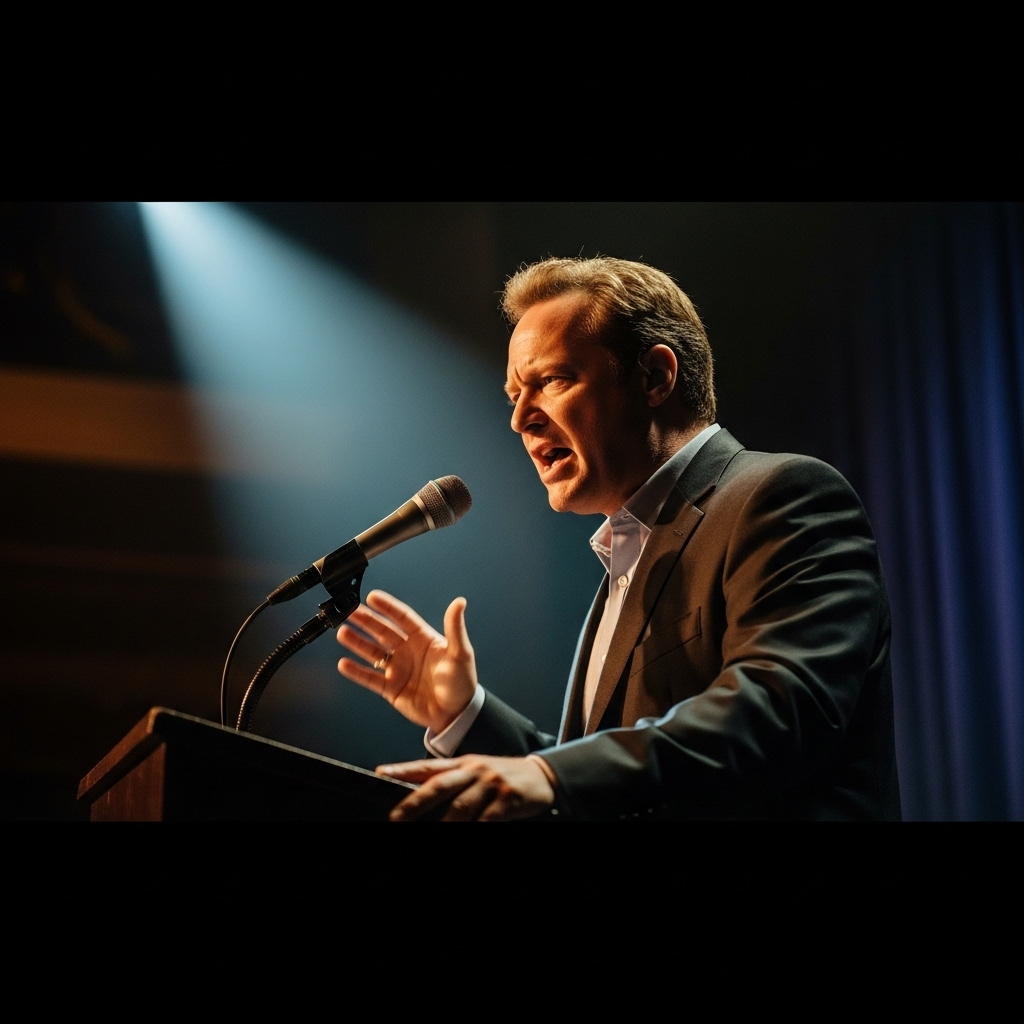
Historically, comedians have been society’s court jesters—the only ones who could speak truth to power and get away with it. Schneider sees this role as more critical than ever. A comedian’s job, in his eyes, is to observe the world, find the absurdities, and poke at the sensitive spots. This is where the best comedy is born, but it’s also where messy conversations begin.
When comedians can no longer explore controversial topics—from politics to social norms—their art form is neutered. Schneider feels that comedy is uniquely equipped to tackle difficult subjects in a way that makes them more accessible. Laughter can disarm people and open them up to considering a different perspective, even if only for a moment.
For Rob Schneider, avoiding messy topics is an abdication of his responsibility as a comedian. He believes that if the people whose job it is to push boundaries are afraid to do so, then society loses a vital pressure-release valve. Check out our recent feature on stand-up comedy’s evolution to see how this role has changed over time.
3. Finding Truth in Disagreement
Do we learn more from people who agree with us or from those who challenge us? Schneider firmly believes it’s the latter. He champions the idea that truth is not a static point but something that is discovered through the rigorous and often messy process of debate. When you only listen to voices that confirm your own biases, you’re not learning; you’re just reinforcing what you already think.
A messy conversation forces you to defend your position with logic and evidence. It exposes weaknesses in your arguments and can reveal nuances you hadn’t considered. Rob Schneider argues that this intellectual friction is essential for personal growth and societal wisdom. It’s the process of clashing ideas that separates the strong ones from the weak.
He has often spoken about the importance of listening to people from all walks of life and political stripes. By engaging in these dialogues, he isn’t necessarily trying to “win” the argument but rather to understand the other person’s point of view. It’s in that messy middle ground, between two opposing ideas, that a more profound truth can often be found.
4. Why Rob Schneider Believes in Free Expression
At the core of his entire philosophy is a deep-seated belief in the principle of free expression. This isn’t just a casual opinion for him; it’s a foundational pillar of a free and open society. For Rob Schneider, the right to speak your mind doesn’t just protect popular speech—it’s specifically designed to protect unpopular, controversial, and even offensive speech.
He often points out that speech we all agree with needs no protection. It’s the messy, uncomfortable, and challenging ideas that test our commitment to freedom. Restricting what people can say, even with good intentions, sets a dangerous precedent. Who gets to decide what speech is “acceptable”? Schneider argues that this power is too easily abused and inevitably leads to tyranny of thought.
By advocating for messy conversations, he is defending the very practice of free expression. He encourages people to engage with ideas they hate, not to silence them. This commitment is reflected in his support for organizations and platforms that champion free speech. For more on this fundamental right, you can read the full text on the First Amendment at the FIRE website.
5. Bridging Divides Through Laughter and Dialogue
In a world that feels more divided than ever, Schneider sees messy conversations and comedy as powerful tools for connection. While it may seem counterintuitive, he believes that engaging directly with our differences is the only way to find our shared humanity. Avoiding difficult topics only allows resentment and misunderstanding to grow in the dark.
When you have a real conversation with someone you disagree with, you are forced to see them as a person, not just a label. Laughter, in particular, has a unique ability to break down walls. If you can laugh at the same joke, you share a moment of common ground, no matter how far apart your views may be. This is a central theme in many of Schneider’s recent interviews and public appearances, which you can often find on his official X (formerly Twitter) account.
Ultimately, Rob Schneider believes that messy conversations are an act of optimism. They are built on the hope that, through dialogue, we can understand each other better and perhaps even find solutions to our biggest problems. It’s a call to be brave, to be open, and to talk to each other again, even—and especially—when it’s hard.

Conclusion: The Courage to Converse
The message from Rob Schneider is clear: a society that fears messy conversations is a society in decline. His push for more open dialogue is not about promoting chaos but about reintroducing the intellectual and social resilience needed to navigate a complex world. By fighting cancel culture, embracing the comedian’s role as a provocateur, seeking truth in disagreement, defending free expression, and trying to bridge divides, Schneider is making a case for the courage to converse.
Whether you agree with his politics or not, his central argument challenges us all: Are we willing to step into the uncomfortable arena of real conversation, or will we retreat to the safety of our own echo chambers? For Rob Schneider, the answer is obvious—the mess is where the magic happens.


