
Protest Violence: Tom Homan’s 2-Pronged Plan for Order
Navigating the thin line between peaceful assembly and destructive chaos has become a defining challenge of our time. Former acting ICE Director Tom Homan proposes a robust, two-pronged strategy to restore order and accountability.
Understanding the Rise in Protest Violence
In recent years, cities across the nation have witnessed a disturbing trend: demonstrations, born from legitimate grievances, escalating into full-blown riots. The issue of protest violence is not about stifling dissent; it’s about addressing the criminal acts that hijack peaceful movements. Vandalism, looting, arson, and assaults on both civilians and law enforcement have left communities scarred and citizens feeling unsafe.
Tom Homan, a veteran law enforcement official and former acting Director of U.S. Immigration and Customs Enforcement (ICE), argues that a failure to draw a clear line between constitutionally protected speech and unlawful violence has emboldened criminal elements. He contends that a perception of impunity has allowed chaos to flourish, undermining the very causes the original protestors sought to champion.
This erosion of order stems from a complex mix of factors, including intense political polarization, the rapid-fire spread of misinformation on social media, and what some see as a hesitant response from local leaders. The challenge, therefore, is to create a framework that protects the right to protest while decisively punishing those who engage in destruction.
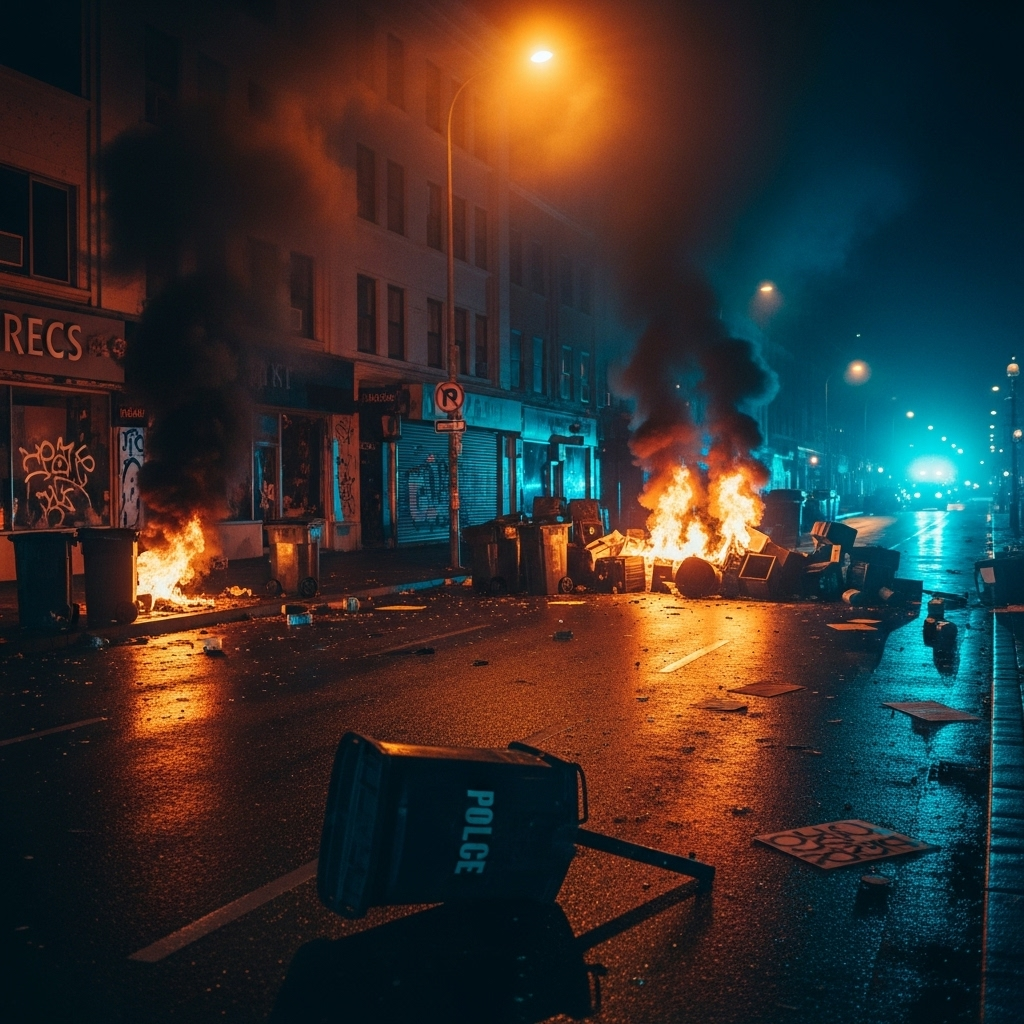
Prong 1: Federal Leadership and Clear Consequences
The first pillar of Homan’s plan centers on a strong, top-down federal response. He advocates for the Department of Justice (DOJ) to take a leading role in investigating and prosecuting individuals who participate in violent acts during protests, especially when they cross state lines to incite riots.
Key components of this prong include:
- Aggressive Federal Prosecution: Homan calls for leveraging federal laws, including RICO statutes typically used against organized crime, to target groups that conspire to commit violence. The goal is to impose severe penalties that serve as a powerful deterrent.
- Zero-Tolerance for Violence Against Federal Property: Any attack on federal buildings, monuments, or personnel would trigger an immediate and robust federal law enforcement response. Homan believes this sends a clear message that such actions will not be tolerated.
- Creation of a Federal Task Force: He proposes a dedicated task force, combining resources from the FBI, ATF, and U.S. Marshals Service, to specifically investigate and dismantle networks that organize and fund protest violence. This would shift the focus from reactive crowd control to proactive criminal investigation.
By making the consequences for rioting severe and certain, Homan’s strategy aims to separate peaceful protestors from violent actors. The message is simple: “Protest peacefully, and you will be protected. Engage in violence, and you will face the full weight of the federal government.” This approach seeks to re-establish a national standard for public order that local jurisdictions can rely on.
Prong 2: Empowering Local Law Enforcement
While the federal government sets the tone, Homan’s second prong emphasizes that public safety is ultimately maintained at the local level. He argues that police departments have been hamstrung by political pressure, “defund the police” movements, and progressive prosecutors who are reluctant to charge rioters.
Homan’s plan to empower local law enforcement includes several key actions:
- Restoring Funding and Resources: He advocates for federal incentives and grants for police departments that are committed to public order. This includes funding for proper training, crowd-control equipment (non-lethal), and staffing to avoid officer burnout during prolonged unrest.
- Holding Prosecutors Accountable: The plan suggests that the DOJ should scrutinize district attorneys who implement broad “no-prosecute” policies for offenses like unlawful assembly, vandalism, or resisting arrest during riots. While the federal government cannot force them to act, it can use funding and public pressure to encourage enforcement.
- Clear Rules of Engagement: Homan stresses the need for political leaders to stand behind their police forces, giving them clear directives and the legal backing to make arrests and restore order when a protest turns violent. Ambiguity from city hall, he argues, leads to hesitation on the street.
This part of the strategy is about rebuilding the capacity and morale of local police. It’s a recognition that federal agents cannot be on every street corner; a confident, well-equipped, and community-supported police force is the first line of defense against civil unrest turning into chaos. For more information on community-police relations, you can read our related article.
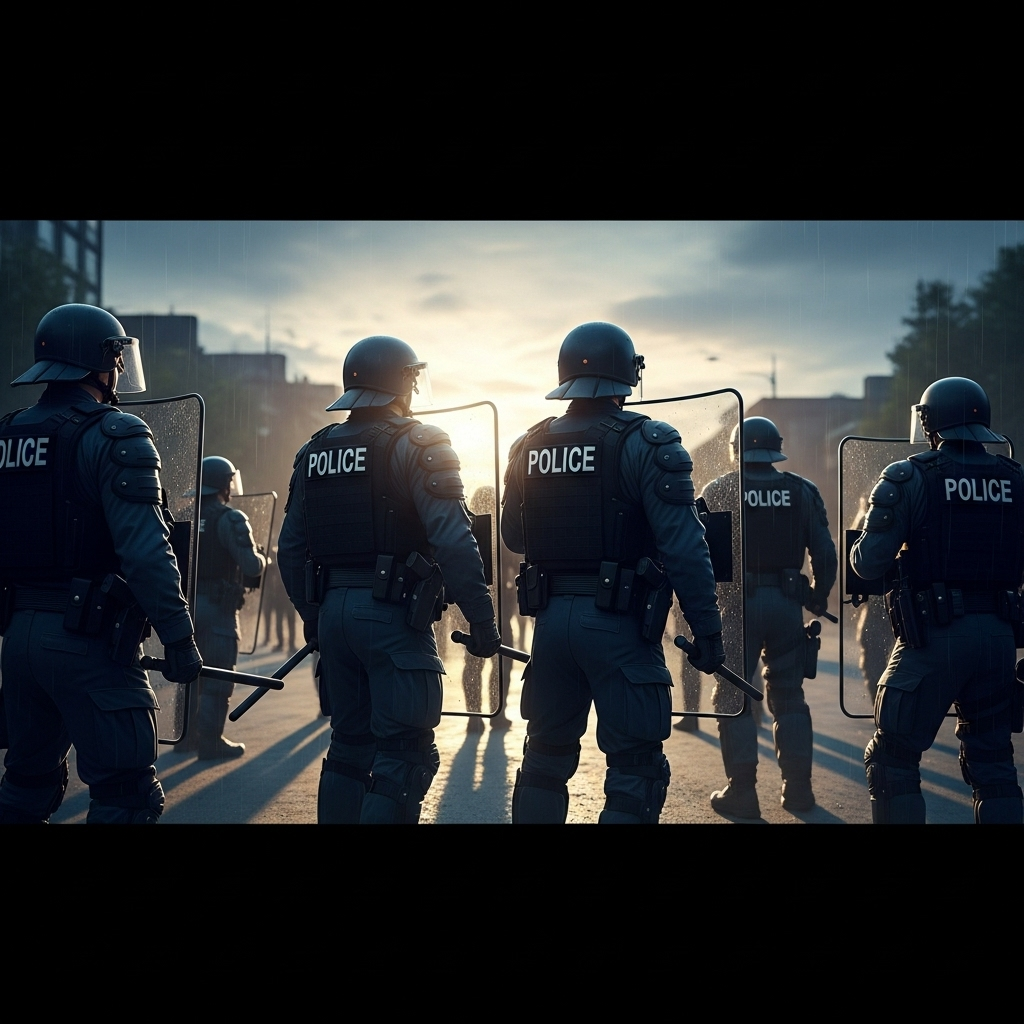
The Debate: Balancing Rights with Public Safety
Homan’s proposal is not without its critics. Civil liberties organizations and activists express concern that such a muscular approach could have a “chilling effect” on free speech. They argue that the threat of federal charges and an aggressive police presence might deter people from participating in legitimate, peaceful protests for fear of being caught up in a mass arrest or misidentified as a rioter.
The central question is one of balance. How can a society protect the cherished First Amendment right to assemble and petition the government while also ensuring public safety and protecting property? Critics worry that terms like “inciting a riot” could be interpreted broadly to target organizers and speakers, not just those who throw rocks or start fires.
Proponents of Homan’s plan counter that inaction in the face of blatant protest violence is the greater threat. They argue that when small businesses are looted and burned, and when residents are afraid to leave their homes, the fundamental social contract is broken. In their view, restoring order is a prerequisite for any meaningful political dialogue to occur.
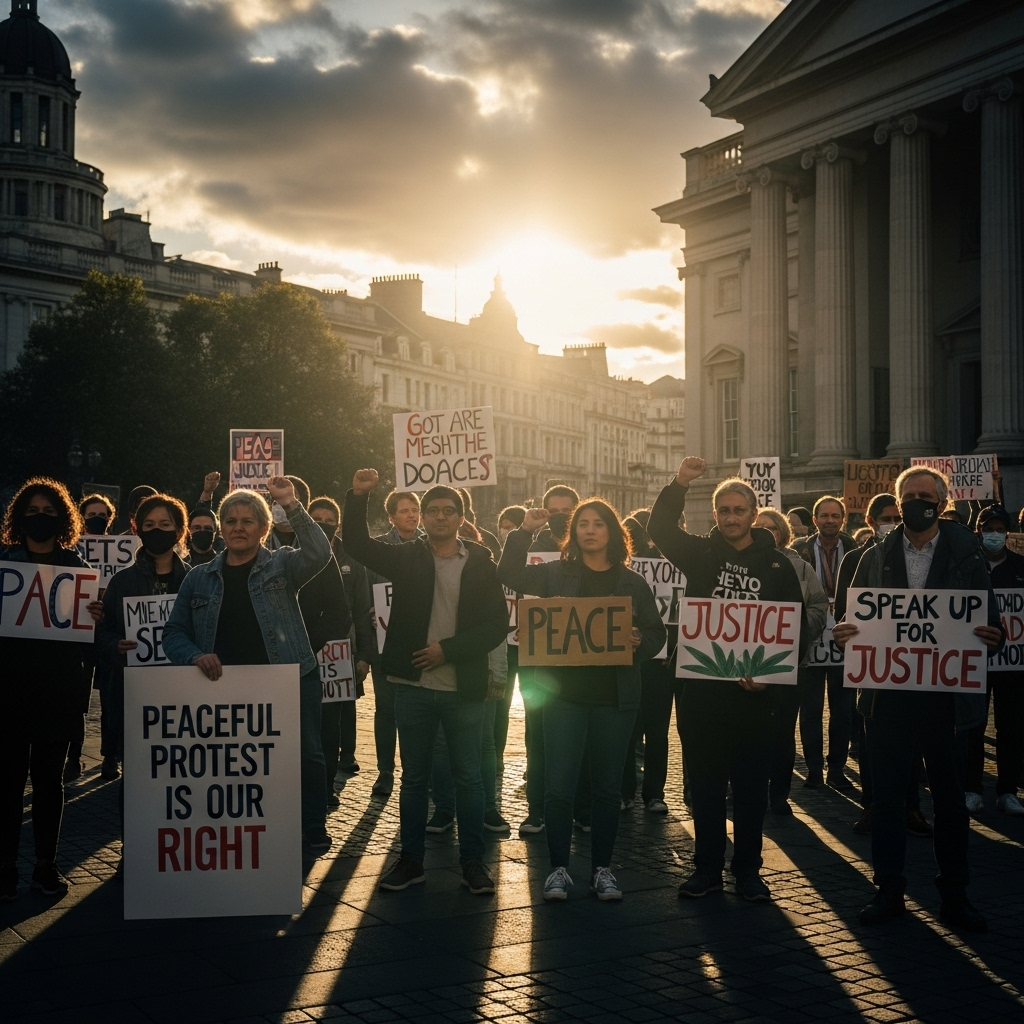
A Closer Look at the Impact of Unchecked Protest Violence
The debate over policy often overlooks the tangible human and economic cost of unchecked protest violence. Beyond the dramatic images on the news, the impact on communities is deep and lasting. Small business owners, many from minority communities, have seen their life’s work destroyed in a single night of rioting. The cost of rebuilding is often insurmountable, leading to shuttered shops and lost jobs that hollow out commercial districts.
Furthermore, persistent unrest frays the fabric of community trust. When residents see lawlessness go unpunished, their faith in local government and law enforcement plummets. This creates a vicious cycle where cooperation diminishes, making it even harder to police communities effectively. First responders, already under immense pressure, face increased danger and burnout, further degrading public services.
Homan’s plan is fundamentally a response to these consequences. It is built on the premise that a failure to confront violent behavior directly only invites more of it, ultimately harming the most vulnerable members of a community. The goal is to create a safe environment where peaceful debate and protest can thrive, free from the shadow of criminal opportunism.
“`


