
Gen Z Protests: 19 Dead in Nepal Over Corruption, Ban
The streets of Kathmandu, typically bustling with tourists and daily commerce, have become the epicenter of a tragedy. A series of initially peaceful gen z protests against government corruption and a controversial new social media ban has escalated dramatically, resulting in the deaths of at least 19 young people and injuring hundreds more. This devastating turn of events highlights a growing generational clash and the explosive power of digital-age activism meeting entrenched political structures.
The movement, largely organized and fueled by Nepalese youth, represents a significant moment for the nation, exposing deep-seated frustrations that have now boiled over into deadly confrontations with security forces. What began as a viral hashtag has morphed into a national crisis, leaving a country in mourning and demanding answers.
In This Article
The Dual Catalysts: Corruption and a Digital Gag Order
The unrest was ignited by two converging points of outrage. The first was a long-simmering anger over a high-profile corruption scandal involving the alleged misuse of public funds earmarked for infrastructure projects. Leaked documents implicated several senior officials, but the government’s response was widely seen as dismissive and inadequate. For many young Nepalese, this was another blatant example of an out-of-touch elite operating with impunity, a narrative frequently discussed on platforms like X (formerly Twitter) and Instagram.
The second, and more immediate, catalyst was the government’s sudden decision to pass the “Digital Decorum Act.” The act, which critics immediately labeled a “digital gag order,” effectively banned TikTok, the wildly popular short-form video app, and imposed strict new regulations on other social media platforms. The official justification was to curb the spread of “misinformation and social disharmony.”
However, for Nepal’s Generation Z, this was a direct attack on their primary space for communication, expression, and community. TikTok wasn’t just an app; it was a cultural hub, a source of income for creators, and a vital tool for social and political discourse. The ban was perceived not as a protective measure but as a cynical attempt to silence dissent ahead of growing corruption inquiries. “They are not trying to protect us; they are trying to silence us,” one 20-year-old protester told a local news outlet before the violence erupted.
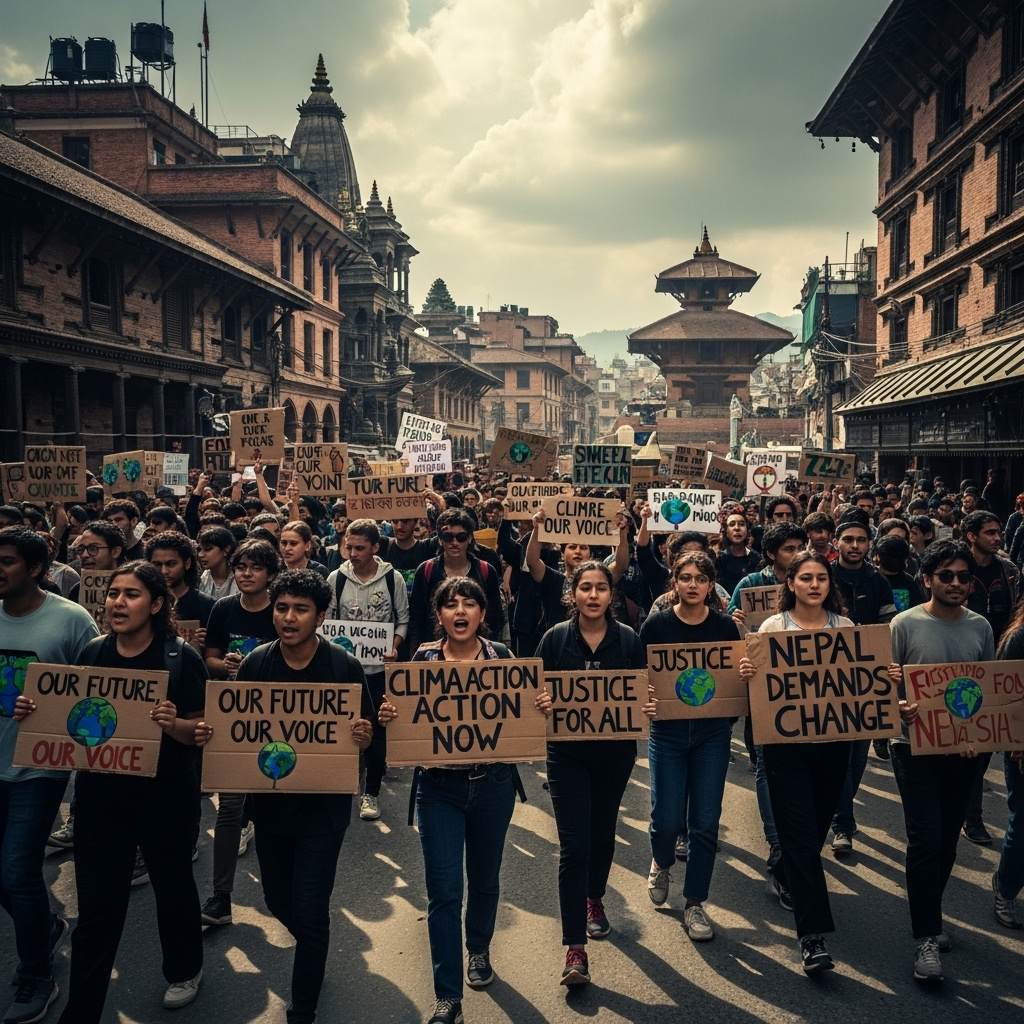
The Anatomy of Gen Z Protests in the Digital Age
The response to the ban was instantaneous and quintessentially digital. Within hours, hashtags like #NepalYouthUprising and #SaveOurVoice trended globally. Young Nepalese activists used VPNs to circumvent the TikTok ban, posting defiant videos and instructional content on how to organize. Instagram stories became a real-time bulletin board for protest locations and safety information, while secure messaging apps like Signal and Telegram were used to coordinate logistics on the ground.
This movement was a masterclass in modern, decentralized activism. Unlike traditional protests led by established political figures, these gen z protests were largely leaderless. Influence was distributed among dozens of micro-influencers and activist groups who used their platforms to mobilize their followers. They shared graphic designs for protest signs, legal advice for demonstrators, and live updates from the streets. This digital-first approach allowed for rapid mobilization on a scale that seemed to catch the authorities completely off guard.
The use of visual media was crucial. Memes mocking the corrupt officials went viral, while powerful videos juxtaposed the lavish lifestyles of politicians with the struggles of ordinary citizens. This content was not only shared within Nepal but was also picked up by the global Nepalese diaspora, amplifying the pressure on the government from abroad. You can learn more about how governments track online dissent from organizations like the Electronic Frontier Foundation.

A Tragic Escalation: How the Demonstrations Turned Deadly
For the first few days, the protests were vibrant and largely peaceful. Crowds of young people gathered in major city squares, chanting slogans, performing flash mobs, and using their phone flashlights to create powerful visual displays of unity. The atmosphere was tense but hopeful. However, the government’s stance hardened as the crowds grew larger and more persistent.
The turning point occurred on Saturday evening. Eyewitnesses report that riot police, equipped with shields, batons, and tear gas, moved to disperse a large crowd gathered near the Prime Minister’s residence. The initial pushback was met with resistance from protesters who held their ground. What happened next is a matter of dispute, with the government claiming officers were attacked with projectiles, while protesters insist the police charged without provocation.
The situation rapidly deteriorated into chaos. Security forces deployed water cannons and fired rubber bullets, which were soon followed by live ammunition, according to multiple human rights observers on the scene. The result was carnage. Nineteen young people, with ages reportedly ranging from 16 to 24, were killed. The streets turned into a warzone, with makeshift clinics being set up in nearby shops to treat the wounded. The government has imposed a city-wide curfew and a complete internet blackout in an attempt to regain control.
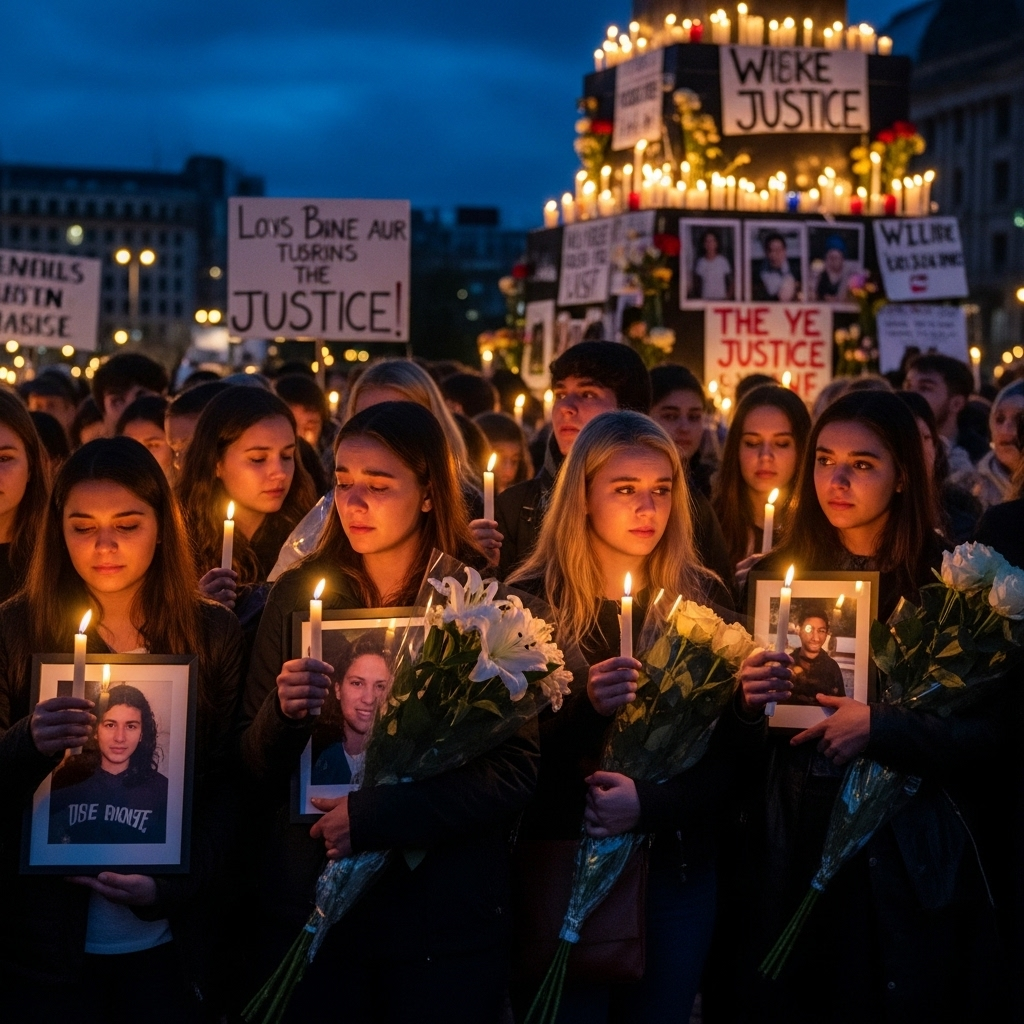
Aftermath and Global Reaction: What’s Next for Nepal?
In the wake of the tragedy, Nepal is a nation in shock and grief. The government’s brutal crackdown has been condemned by international bodies, including the United Nations and Amnesty International, who have called for an immediate and impartial investigation into the use of lethal force. The hashtag #NepalYouthMassacre is now trending, replacing the more optimistic slogans of the movement’s early days.
The future remains deeply uncertain. The government’s actions, intended to quell the protests, have instead created martyrs and galvanized an entire generation. The gen z protests have exposed a chasm between the country’s youth and its rulers that cannot be closed with force. While the internet blackout may temporarily disrupt organization, the underlying anger over corruption and the desire for freedom of expression have only intensified.
This event serves as a grim warning about the potential volatility of generational divides in a digitally connected world. For Nepal, the path forward will require accountability, dialogue, and a genuine effort to address the grievances that brought its youth to the streets. Without it, the tragic loss of 19 young lives may only be the beginning of a much larger conflict. For more analysis on youth movements, see our section on Global Politics.
“`


