
Children’s Resilience: Harry Shares 5 Inspiring Stories
As a child psychologist with over two decades of experience, I’ve had the privilege of witnessing the incredible power of children’s resilience firsthand. It’s a quality we often associate with adults who have weathered life’s storms, but the truth is, resilience is forged in the small, everyday battles of childhood. It’s the quiet determination to try again after falling off a bike, the courage to raise a hand in class, and the strength to navigate the complex world of friendships. My name is Harry, and today I want to share five anonymized stories from my practice that beautifully illustrate this inspiring trait.
These stories are a testament to the human spirit and a reminder that with the right support, children can overcome remarkable challenges. They show us that resilience isn’t an innate, fixed trait but a skill that can be nurtured and developed.
Table of Contents
1. The Story of Leo: Finding a New Path
Leo, aged nine, lived and breathed soccer. His bedroom walls were a shrine to his favorite players, and every spare moment was spent with a ball at his feet. When tryouts for the competitive travel team came around, he was confident he’d make it. The day the list was posted and his name wasn’t on it, he was crushed.
For a week, Leo was inconsolable. He declared he was “done with sports forever.” His parents listened, validated his profound disappointment, and gave him space. They didn’t push or offer platitudes. Instead, they gently reminded him of other things he enjoyed.
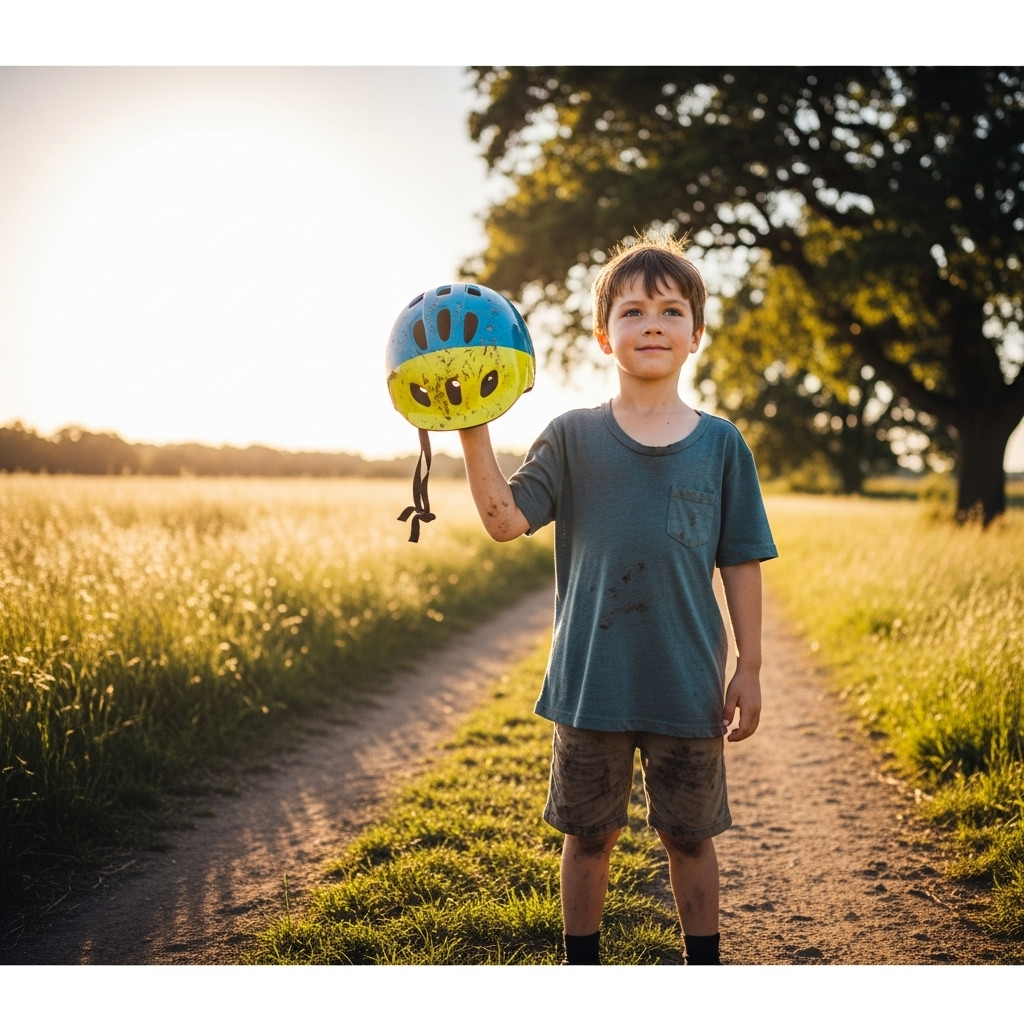
A few weeks later, his father was fixing an old bicycle in the garage. Leo watched quietly at first, then started asking questions. He helped clean the chain, then learned how to patch a tire. A small spark was lit. That weekend, they went on a long bike ride on a local trail. Leo discovered a new sense of freedom and accomplishment. He didn’t forget soccer, but he found a new passion that was entirely his own. His resilience wasn’t about getting back on the soccer field; it was about finding a new field to play on.
2. The Story of Maya: The Quiet Observer
Maya was seven when her family relocated for her mother’s job. She went from a small, familiar school where she knew everyone to a large, intimidating one in a new city. For the first month, Maya was a ghost. She spoke only when spoken to, ate lunch alone, and clung to the edges of the playground during recess.
Her parents and teacher were worried. We discussed how to support her without overwhelming her. Her teacher noticed that while Maya was quiet, she was an incredible observer. She knew which kids shared their snacks and which ones were the best at jump rope. We decided to leverage this strength.
Her teacher gave her a “special job”: to be the class “Welcome Ambassador” for any new students, since she knew what it felt like. A few weeks later, a new boy joined the class. Maya, armed with a purpose, hesitantly approached him. She showed him where to hang his coat and told him that the Friday pizza was the best. It was a small step, but it was a monumental one for her. By helping someone else, she built a bridge for herself, slowly finding her place in this new world.
3. The Story of Sam: Decoding the World
At ten years old, Sam was a brilliant storyteller but struggled immensely with reading. Words on a page seemed to dance and jumble, and the classroom felt like a place of constant failure. After a diagnosis of dyslexia, Sam felt a mix of relief and shame. He finally had a name for his struggle, but it also made him feel different.
The journey to build his resilience was a team effort. His parents, his tutor, and I worked together to change the narrative from “I can’t read” to “I learn differently.” He was introduced to audiobooks, which opened up entire worlds to him. He learned to use text-to-speech software on the computer, turning a source of frustration into a tool he could command.
The turning point was when Sam had to present a book report. Instead of a written summary, his teacher allowed him to create a short animated video summarizing the plot. It was a huge success. Sam’s resilience grew from accepting his challenge and learning to advocate for the tools he needed to succeed. He learned that his mind wasn’t broken; it just had a different operating system.
4. The Story of Chloe: Painting Through the Pain
Chloe’s world turned upside down when her parents separated. At just six years old, she didn’t have the words to express the turmoil of emotions she was feeling—confusion, sadness, and anger. She began acting out at school and having frequent meltdowns at home.
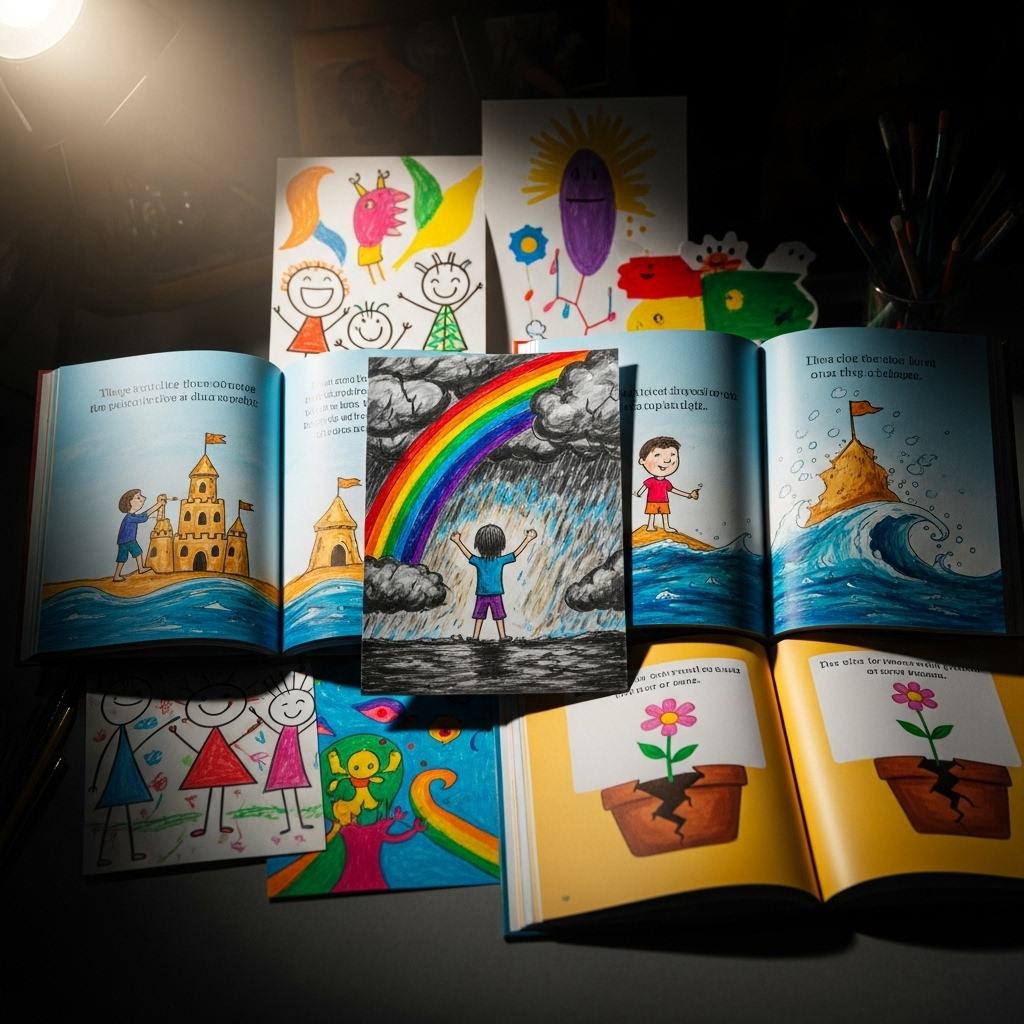
During one of our sessions, I put a large piece of paper and a set of paints in front of her. I didn’t ask her to paint anything specific; I just invited her to play with the colors. At first, she just made dark, angry slashes of black and red. Week after week, she painted. Gradually, other colors began to appear. She painted two houses, one blue and one yellow. She painted pictures of herself holding hands with each parent separately.
Art became her language. It was a safe outlet for the feelings that were too big for her words. This creative expression was a powerful act of resilience. It allowed her to process her new reality in a non-threatening way, giving her a sense of control when everything else felt chaotic.
5. The Story of Amir: Building Bridges
Amir, eleven, was a natural leader but had a quick temper that often got him into trouble during group projects. He had a clear vision for how things should be done, and when others disagreed, he would become frustrated and bossy, leading to arguments and failed collaborations.
His resilience challenge was an internal one: learning to manage his own reactions and value the input of others. We worked on strategies like “Stop, Breathe, and Listen.” We role-played scenarios where a teammate suggested an idea he didn’t like. His “homework” was to find one positive thing in a teammate’s suggestion during his next group assignment.
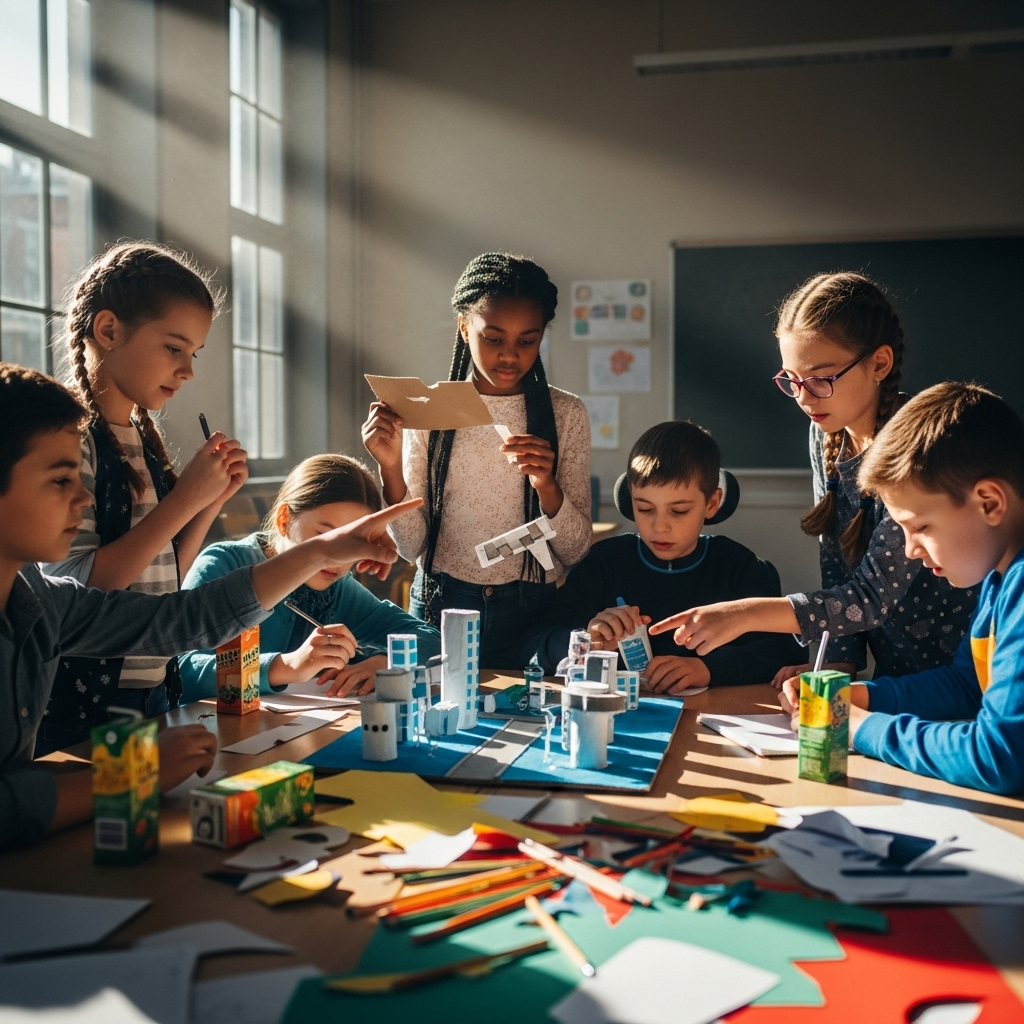
It was difficult. The first few attempts were clumsy. But then, during a science project, a classmate suggested a different way to build their model volcano. Amir’s first instinct was to shut it down. But he remembered his task. He paused, took a breath, and said, “Okay, that might make the base stronger.” The team ended up combining both ideas, and their volcano was a huge success. Amir learned that true leadership wasn’t about being right; it was about bringing out the best in everyone.
How We Can Foster Children’s Resilience
These stories highlight that adversity is a part of life, but it doesn’t have to be a defining negative experience. As parents, educators, and caregivers, we play a crucial role in nurturing the skills that build children’s resilience. Here are a few key takeaways:
- Validate Feelings: Acknowledge their disappointment, anger, or sadness. Saying “I see you’re really hurting” is more powerful than “Don’t worry about it.”
- Promote Problem-Solving: Instead of fixing every problem for them, ask questions like, “That’s a tough one. What are some things you could try?” This builds their confidence and competence.
- Cultivate Connections: A strong relationship with a caring adult is a powerful protective factor. Ensure your child has a strong support system. You can learn more about building these bonds in our article, 7 Ways to Build Emotional Strength in Your Child.
- Embrace Mistakes as Learning Opportunities: Frame mistakes not as failures, but as essential parts of the learning process. Celebrate effort over outcome.
- Encourage Self-Advocacy: Teach them how to ask for help and express their needs, just like Sam learned to do.
The journey of childhood is full of ups and downs. By fostering these skills, we aren’t creating a world without challenges for our children. Instead, we are giving them the tools they need to face those challenges with courage, adapt to change, and emerge stronger. For more in-depth information, the American Psychological Association offers excellent resources on building resilience across all age groups.
Ultimately, witnessing children’s resilience is a profound reminder of their inner strength and their incredible capacity for growth. Our job is simply to provide the soil, water, and sunlight they need to flourish.


