
College Sports: 5 Things to Know About the NIL Fight
The landscape of college sports has been seismically shifted by three simple letters: NIL. For decades, the concept of student-athletes getting paid was the ultimate taboo. Today, it’s a reality that is reshaping everything from recruiting to competitive balance. But the transition hasn’t been smooth. It’s a complex battle with high stakes for athletes, universities, and the NCAA itself. Understanding this fight is crucial to understanding the future of amateur athletics in America.
Here are the five essential things you need to know about the ongoing NIL fight in college sports.
1. What Exactly is NIL?
First, let’s break down the acronym. NIL stands for Name, Image, and Likeness. It refers to a person’s right to publicity—the ability to control and profit from their own identity. Before 2021, NCAA rules strictly prohibited student-athletes from earning money in this way.
The monumental shift came after a Supreme Court ruling in NCAA v. Alston, where the court unanimously ruled against the NCAA’s restrictions on education-related benefits. While the case didn’t directly address NIL, Justice Brett Kavanaugh’s concurring opinion was a scathing critique of the NCAA’s business model, signaling that the court would not be friendly to its amateurism rules in the future. Facing immense legal and public pressure, the NCAA adopted an interim policy in July 2021, effectively opening the floodgates for NIL compensation.
Now, athletes can earn money from:
- Endorsement deals (e.g., a quarterback appearing in a local car dealership commercial).
- Social media promotions.
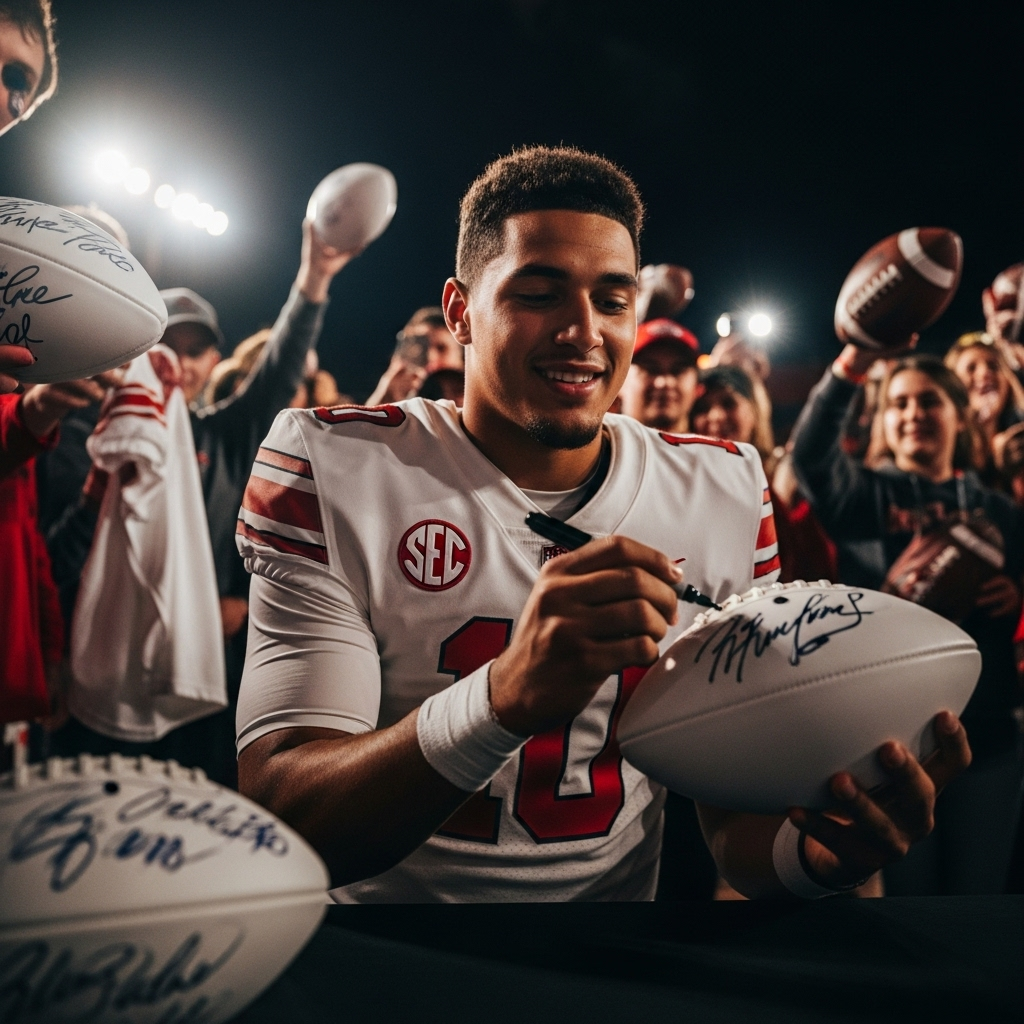
- Signing autographs or selling memorabilia.
- Running their own sports camps or clinics.
- Creating their own merchandise.
Crucially, this is not “pay-for-play.” In theory, universities cannot directly pay athletes to play for their team. NIL money must come from a third party in exchange for a service or use of the athlete’s name, image, or likeness.
2. It’s a Patchwork of Rules, Not a Single Law
One of the biggest sources of conflict and confusion in the NIL era is the lack of a unified, federal law. The NCAA punted on creating a detailed rulebook, instead leaving it up to individual states and schools to set their own policies. The result is a chaotic patchwork of regulations across the country.
For example, some states have laws that are very permissive, allowing high school athletes to engage in NIL deals and giving universities a more active role. Other states have more restrictive laws or no laws at all, forcing schools to create their own guidelines based on the NCAA’s vague interim policy. This disparity creates an uneven playing field. A recruit might choose one school over another simply because the NIL laws in that state are more favorable.
This legislative chaos has led to constant lobbying in Washington, D.C. The NCAA, university presidents, and conference commissioners have all pleaded with Congress to pass a federal NIL bill that would create a single, national standard. However, lawmakers are divided on what that bill should look like, with disagreements over everything from athlete employment status to antitrust protections for the NCAA. You can learn more about the NCAA’s stance on their official site.
3. The Rise of “Collectives” Changed the Game
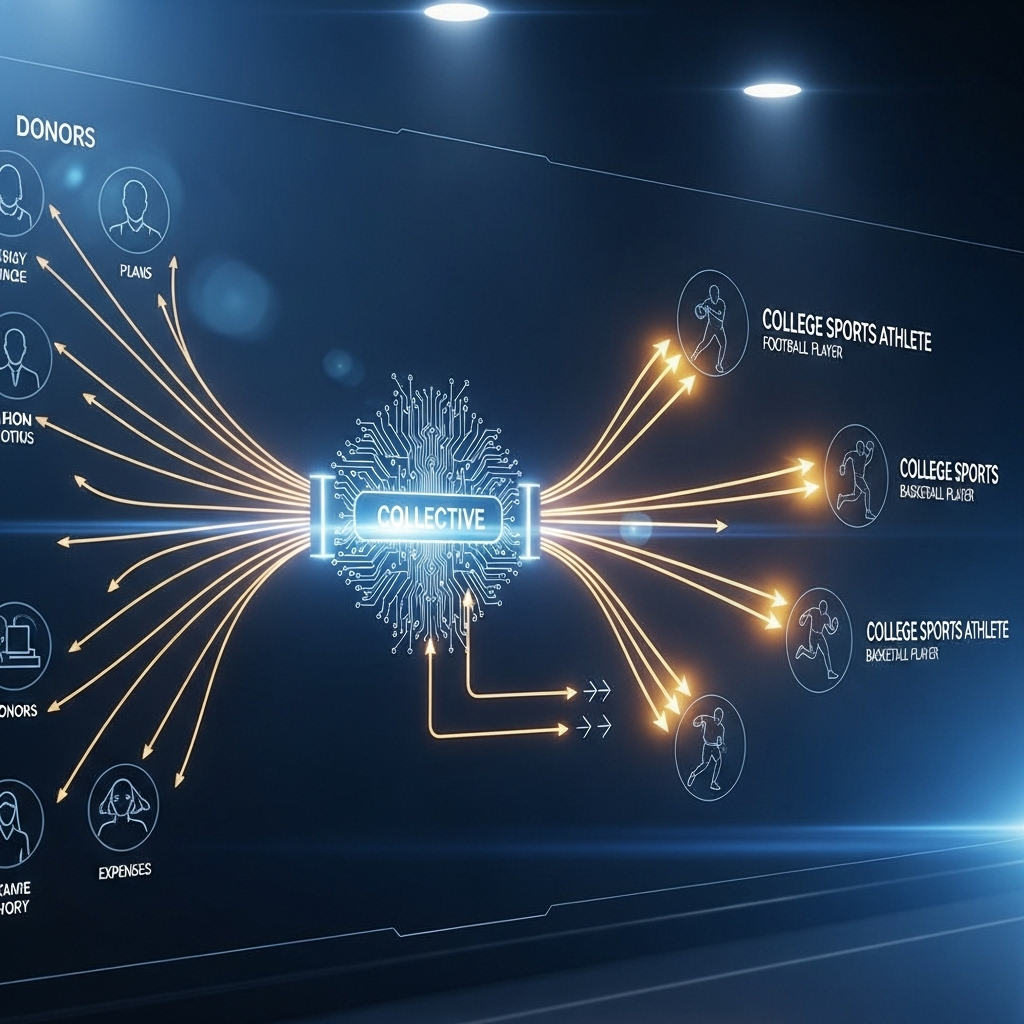
While schools can’t pay players directly, a new type of organization has emerged to fill that void: the NIL collective. Collectives are independent organizations, typically funded by a pool of wealthy boosters and fans of a specific university, with the mission of creating NIL opportunities for that school’s athletes.
They work by pooling donor money and then paying athletes for activities like making appearances at charity events, promoting a sponsor on social media, or participating in community service. While technically separate from the universities, collectives are undeniably a powerful force in recruiting and roster retention in college sports.
The existence of collectives blurs the line between NIL compensation and “pay-for-play.” Critics argue that these organizations are essentially a way for boosters to pay players to attend a certain school, a practice that remains against NCAA rules. The NCAA has attempted to crack down on some collective activities, but its enforcement has been inconsistent and often challenged in court, leading to more confusion.
4. The Core of the Fight: Employees vs. Student-Athletes
The NIL debate is just one part of a much larger, more fundamental fight over the very definition of a college athlete. For over a century, the NCAA has successfully defended the model of “amateurism,” insisting that athletes are students first and should not be classified as employees.
This “student-athlete” designation is what prevents athletes from unionizing, receiving a direct salary, or getting workers’ compensation. However, numerous lawsuits are challenging this model head-on. Cases like Johnson v. NCAA and a National Labor Relations Board ruling involving Dartmouth’s basketball team are pushing for athletes to be recognized as employees of their universities.
If athletes are legally declared employees, it would completely upend the structure of college sports. Universities would likely have to engage in collective bargaining with athlete unions over salary, benefits, and working conditions. This is the existential threat that keeps NCAA and university officials up at night, and it’s the ultimate goal for many athlete advocates who believe the current system is exploitative. For more on this, check out our article on the history of NCAA amateurism.
5. The Future of College Sports is Still Being Written
So, where does all this lead? The future is uncertain, but a few potential paths are emerging. The “fight” over NIL is a symptom of a system under immense strain, and significant changes are inevitable.
One potential outcome is a form of revenue sharing. In this model, athletes would receive a direct cut of the massive media rights deals that conferences and the NCAA sign. This could exist alongside NIL and would move the model closer to professional sports without full employee status.
Another possibility is a complete breakaway. The top football and basketball programs, which generate the vast majority of revenue, could split from the NCAA entirely to form their own super league. In this scenario, they could create their own rules regarding compensation, treating athletes more like professional employees.
No matter what happens, the era of pure amateurism in big-time college sports is over. The NIL fight has permanently empowered athletes and forced a long-overdue conversation about their value and rights. The final whistle on this battle has yet to be blown, and the outcome will define the games we love for generations to come.
“`


