
Vow Boycott: 1,300+ Artists Shun Israeli Film Groups
Table of Contents
- The Genesis of the Vow Boycott Movement
- Who Are the Signatories and What Are Their Demands?
- The Targeted Institutions: A Closer Look
- Precedent and Impact: A History of Cultural Boycotts
- Responses and Repercussions from the Film Community
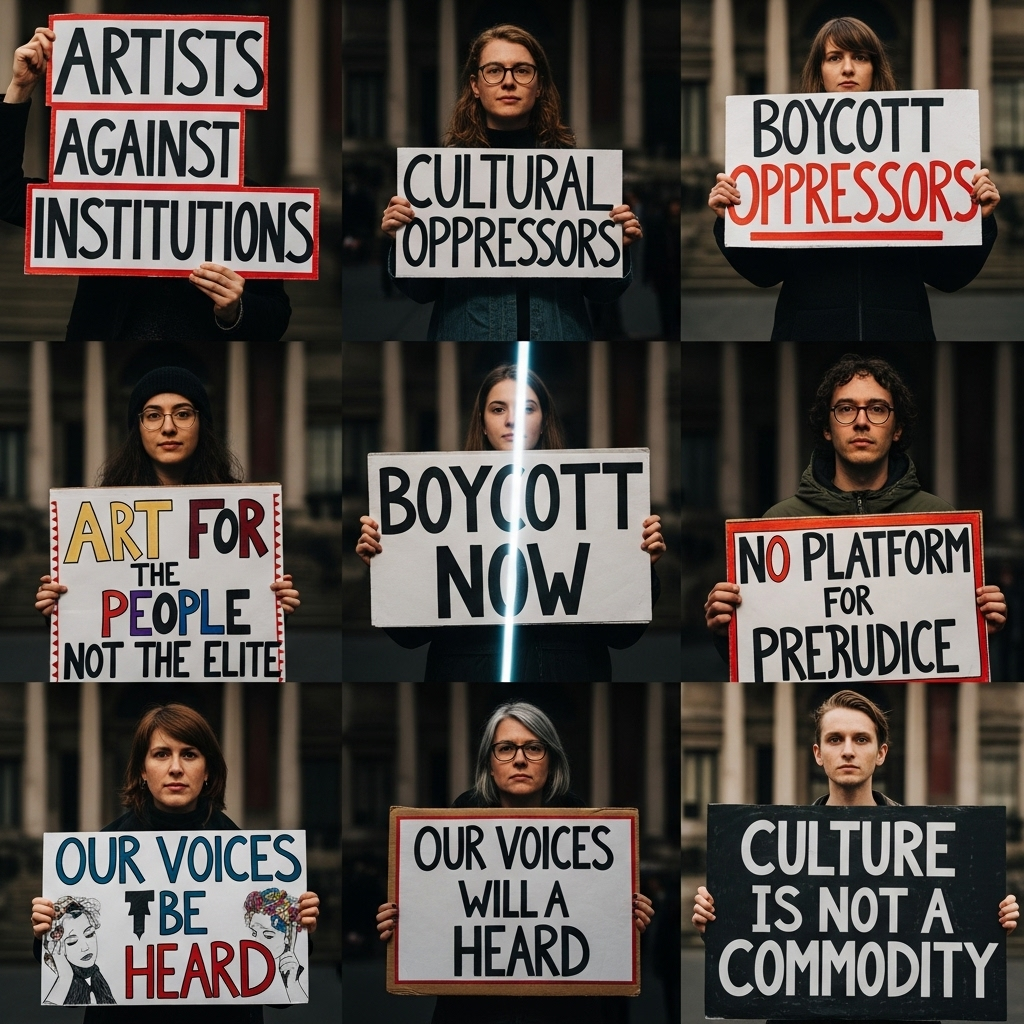
In a significant and coordinated move, over 1,300 international artists from the film industry have signed an open letter, pledging to vow boycott against prominent Israeli film festivals and cultural institutions. This collective action marks one of the largest cultural boycotts in recent memory, sending ripples through the global arts community and highlighting the growing intersection of art and political activism.
The letter, released under the banner “Cinema for a Free Future,” calls on filmmakers, actors, and industry professionals to refuse participation in, and funding from, specific Israeli state-sponsored film bodies. The signatories argue that these institutions are complicit in normalizing policies they deem unjust, effectively using art to whitewash complex political realities.
The Genesis of the Vow Boycott Movement
The roots of this specific vow boycott can be traced back to several key events over the past year. Tensions escalated following the controversial funding of a new cinematic hub in a contested territory, a project supported by several of the now-targeted film groups. Activist groups, including “Artists for Change,” began organizing behind the scenes, culminating in this unified public declaration.
The movement’s organizers state that their goal is not to silence individual Israeli filmmakers but to exert pressure on the state-sponsored institutions that provide the infrastructure and international legitimacy for the Israeli film industry. They draw a distinction between individual artists and the “scaffolding of the state” that, in their view, promotes a one-sided narrative.
A spokesperson for the “Cinema for a Free Future” collective stated, “Art cannot exist in a vacuum. When cultural institutions become extensions of state policy, we as artists have a moral obligation to withhold our participation. This is not about punishing individuals; it is about demanding institutional accountability.”
Who Are the Signatories and What Are Their Demands?
The list of signatories is a diverse mix of established and emerging talent. It includes over 400 directors, 500 actors, and hundreds of writers, producers, and cinematographers from North America, Europe, and beyond. While many are independent artists known for politically engaged work, the list also includes several mainstream figures and award-winning creators, lending significant weight to the cause.
The demands outlined in the open letter are specific and targeted. The signatories vow to:
- Refuse to submit films to the Jerusalem Film Festival and the Tel Aviv International Documentary Film Festival (Docaviv).
- Decline any funding or co-production grants from the Israel Cinema Fund and the Rabinovich Foundation.
- Boycott any events, workshops, or partnerships sponsored by the aforementioned institutions, whether held in Israel or abroad.
The letter emphasizes that the boycott will remain in effect until these institutions “publicly and unequivocally disavow their role in state-sponsored cultural branding and cease all activities that normalize the occupation of Palestinian territories.”
The Targeted Institutions: A Closer Look
The institutions at the center of the boycott are pillars of the Israeli film industry. The Jerusalem Film Festival is one of the country’s most prestigious cultural events, often premiering major Israeli films that go on to achieve international acclaim. Docaviv, held in Tel Aviv, is a globally recognized festival for documentary filmmaking.
The Israel Cinema Fund and the Rabinovich Foundation are the two largest public funders of film in the country, providing crucial financial support for a majority of Israeli feature films and documentaries. For decades, their backing has been instrumental in launching the careers of Israeli filmmakers on the world stage.
Critics of the vow boycott argue that these organizations foster a wide range of voices, including many that are critical of government policy. They contend that defunding and isolating these groups would ultimately harm the very artists who are working to create dialogue and challenge the status quo from within Israel. This perspective highlights the complex and often contentious role of cultural institutions in politically charged environments.

Precedent and Impact: A History of Cultural Boycotts
This movement is not without historical precedent. The most famous example is the cultural boycott against apartheid-era South Africa, which was widely credited with helping to isolate the regime and raise global awareness. Artists like Steven Van Zandt, with his “Sun City” project, mobilized the arts community to take a firm political stand. You can learn more about the history of cultural boycotts at The Guardian.
Proponents of the current vow boycott draw direct parallels to the South African case, arguing that cultural pressure is a powerful, non-violent tool for political change. However, opponents argue the comparison is flawed and that such boycotts can stifle artistic freedom and shut down important avenues for cross-cultural dialogue. They believe that engagement, not isolation, is the key to fostering understanding and progress.
Within our own archives, the debate over the role of art in political activism shows that this is a recurring and deeply divisive issue. The impact of such actions is often debated for years after the fact, with supporters pointing to heightened awareness and detractors lamenting the loss of cultural exchange.
Responses and Repercussions from the Film Community
The reaction has been swift and divided. The targeted Israeli film festivals and funds have issued a joint statement condemning the boycott as “counterproductive and misguided.” They called it a “blunt instrument that hurts the very artists and free thinkers who are essential to a healthy democracy.”
Several prominent film industry guilds and international festival organizers have expressed concern, advocating for open dialogue over boycotts. The director of a major European film festival, who spoke on the condition of anonymity, said, “We believe in the power of film to bridge divides. Shutting doors is the opposite of what cinema should be about.”
Conversely, the boycott has received vocal support from numerous human rights organizations and other artist collectives. They see it as a necessary escalation in the face of perceived inaction from the international community. The long-term repercussions remain to be seen, but the immediate effect will likely be a more politicized landscape for film festivals and funding bodies worldwide, forcing many to re-examine their partnerships and ethical guidelines.
As the “Cinema for a Free Future” movement gains traction, it forces a difficult conversation upon the global film community. It questions the neutrality of art and asks whether cultural exchange can, or should, be separated from the political context in which it exists. For now, over 1,300 artists have made their position clear, and the industry is left to grapple with the consequences of their collective vow.


