Double-Decker Bus Hit by Train, Killing 10 in Mexico
A catastrophic collision between a tourist bus and a freight train in northern Mexico has left at least 10 people dead and dozens more injured, according to state officials. The incident, which involved a popular double-decker bus, occurred early Tuesday morning at a rural railway crossing in the state of Jalisco, sending shockwaves through the local community and the nation’s tourism industry.
Contents
The Tragic Incident: A Double-Decker Bus and a Freight Train
The tragedy unfolded at approximately 7:30 AM local time near the town of El Arenal, a region known for its agave landscapes. The **double-decker bus**, operated by a regional tour company, was transporting around 60 passengers, a mix of domestic and international tourists, on a day trip. Reports indicate the bus was attempting to cross the tracks when it was struck with immense force by a Ferromex freight train.
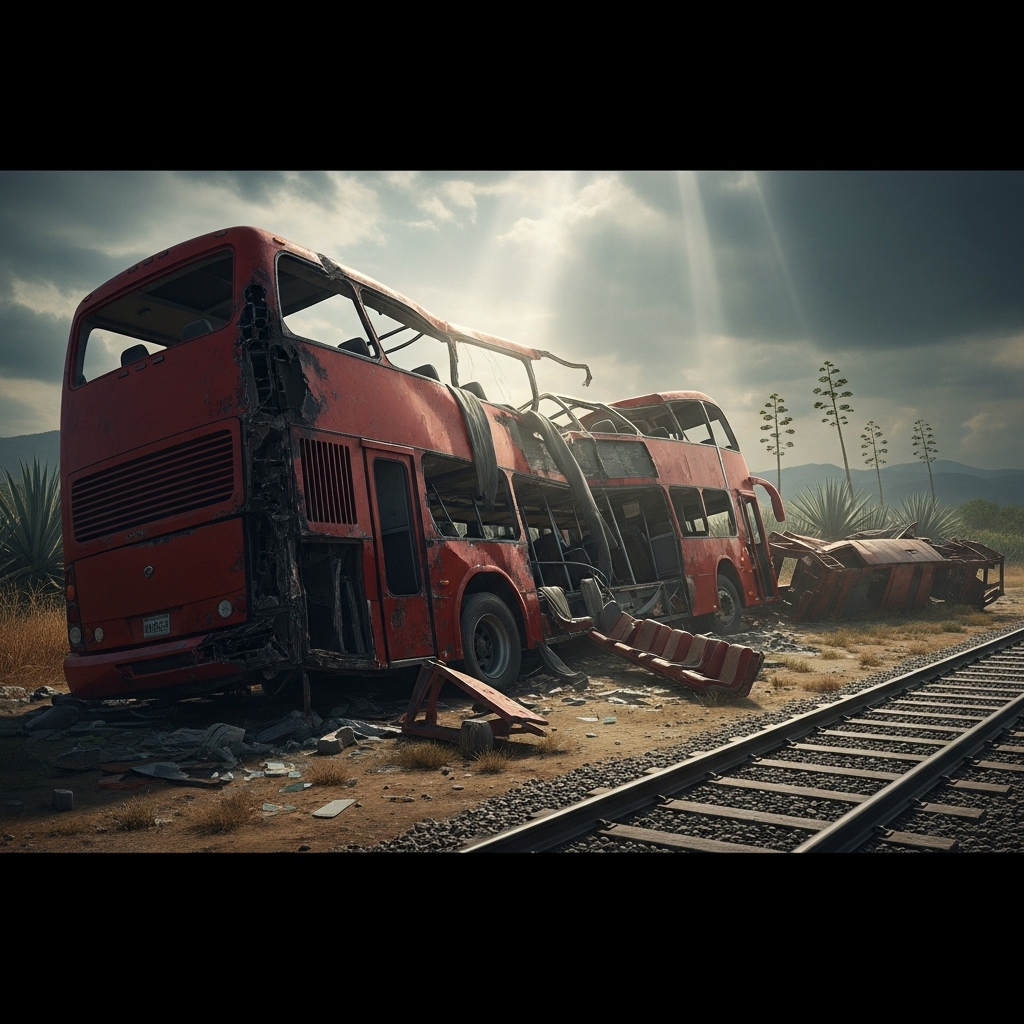
The impact sheared the bus in half, throwing passengers from their seats and leaving a devastating scene of twisted metal and personal belongings scattered across the tracks. The upper deck of the vehicle, a popular spot for sightseeing, sustained the most catastrophic damage. “The force of the collision was unimaginable,” said one first responder. “It’s one of the worst scenes I’ve encountered in my career.”
Authorities have not yet released the identities of the deceased, pending notification of next of kin. The injured were transported to several hospitals in the nearby city of Guadalajara, with at least 15 reported to be in critical condition. The train, which was carrying cargo containers, did not derail, and its crew was reportedly unharmed but shaken.
Eyewitness Accounts and Immediate Aftermath
Local farm workers and residents were among the first to arrive at the scene. “I heard the train’s horn blaring longer than usual, then a sound like thunder,” said Jorge Ramirez, who lives less than a kilometer from the crossing. “We ran over and just saw… chaos. People were screaming, and others were trying to help pull victims from the wreckage before the ambulances got here.”
Survivors described a terrifying and disorienting experience. A passenger from the lower level of the **double-decker bus** told local media, “Everything was normal one second, people were chatting and looking out the windows. The next, there was a violent jolt, and the world turned sideways. I just remember glass shattering and a terrible grinding noise.”
The immediate aftermath was a testament to both horror and human compassion, as uninjured passengers and local villagers worked together to provide aid and comfort to the wounded. They used their own clothing to stanch bleeding and offered water and shade from the morning sun while awaiting the arrival of professional emergency services.
Emergency Response and Official Statements
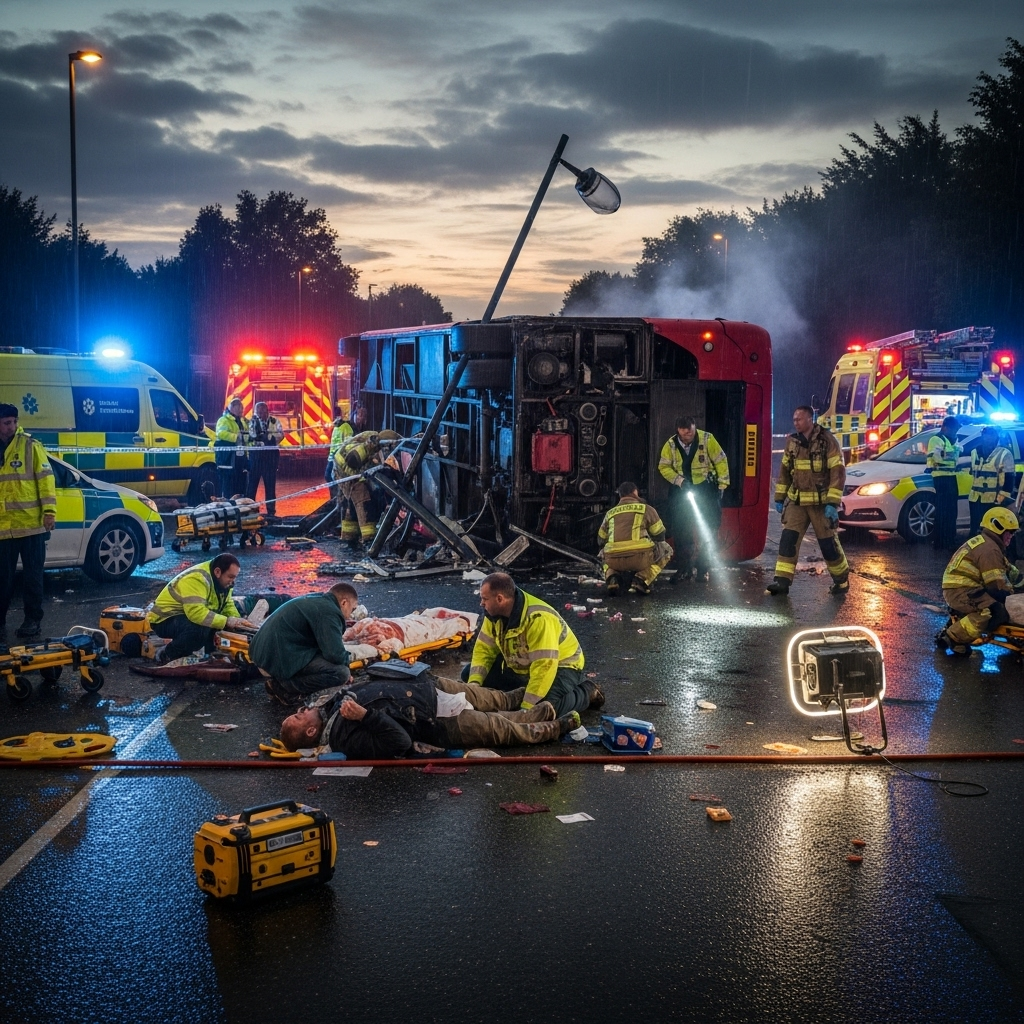
Emergency crews from Jalisco’s state civil protection unit, the Red Cross, and municipal fire departments were dispatched immediately. The remote location of the crossing presented initial challenges, but a coordinated effort was quickly established. Multiple ambulances, a medical helicopter, and heavy rescue equipment, including the “jaws of life,” were deployed to extricate individuals trapped within the bus.
Jalisco Governor Enrique Alfaro Ramírez issued a statement on social media, expressing his condolences. “My heart is with the victims of this terrible accident in El Arenal and their families,” he wrote. “All state resources are dedicated to caring for the injured and supporting the families affected. A thorough investigation will be conducted to determine the cause and ensure accountability.”
Federal officials from the Secretariat of Infrastructure, Communications and Transportation have also been dispatched to the site to begin their own independent probe into the crash. The railway line was closed for several hours to allow for rescue operations and evidence collection before being reopened later in the afternoon.
Investigating the Cause: The Double-Decker Bus at the Crossing
The central question for investigators is why the **double-decker bus** was on the tracks as the train approached. An official investigation is now underway, focusing on several potential factors:
- Human Error: Authorities will analyze whether the bus driver attempted to beat the train or was distracted and failed to notice the warning signals.
- Signal Malfunction: The functionality of the crossing’s warning lights and bells will be a key area of the investigation. Eyewitnesses have given conflicting reports on whether the signals were active at the time of the crash.
- Mechanical Failure: Investigators will inspect the bus’s brakes and engine to rule out a mechanical issue that may have caused it to stall on the tracks.
The bus was equipped with a forward-facing camera and a GPS tracker, both of which have been recovered and are being analyzed for crucial data. “We will look at every possible angle,” said a spokesperson for the state prosecutor’s office. “We owe it to the victims to find out exactly what went wrong.” For more information on similar transportation incidents, you can read our previous coverage on transportation safety regulations.
Rail Crossing Safety: A National Concern
This tragedy has once again highlighted the persistent issue of safety at Mexico’s thousands of railway crossings. While **double-decker bus** vehicles are common in urban tourism and generally have a good safety record, this incident places a spotlight on the inherent risks of level crossings, especially in rural areas.
According to data from the Rail Transport Regulatory Agency (ARTF), hundreds of accidents occur at crossings across Mexico each year, often resulting in fatalities. Advocacy groups have long called for increased investment in infrastructure, such as building overpasses or underpasses and installing more robust automated gate systems, to prevent such incidents.
Experts argue that while driver education is crucial, systemic solutions are needed to separate road and rail traffic wherever possible. This incident will likely renew calls for federal and state governments to prioritize these infrastructure upgrades. For a global perspective on this issue, organizations like the World Health Organization provide extensive data on road and transport safety.
As the community mourns and the injured begin their long road to recovery, the crash serves as a grim reminder of the vulnerability of even the most routine journey. The investigation’s findings will be critical in shaping future safety protocols for both the tourism industry and the nation’s transportation network.