
First Photos: See Where Bushman Hid 3 Kids in NZ Bush
In a stunning breakthrough that has captivated New Zealand and the world, authorities have released the first photos from the remote bush camp where “bushman” Tom Phillips hid his three children for over two and a half years. The images provide a chilling and fascinating glimpse into the primitive conditions Jayda, Maverick, and Ember endured while hidden from a nation-wide manhunt.
The dramatic discovery in the dense wilderness near Marokopa marks the end of a long and agonizing search, bringing relief to a community that never gave up hope. These initial photographs reveal a makeshift world built for survival, far from the comforts and safety of modern life.
The Disappearance and the Manhunt That Gripped a Nation
The saga began in December 2021 when Tom Phillips and his three young children—Jayda (10), Maverick (8), and Ember (7)—vanished from their family farm in Marokopa, a small rural community on New Zealand’s North Island. Their disappearance sparked one of the largest and most prolonged search operations in the country’s recent history.
Phillips, known for his off-grid skills and familiarity with the rugged local terrain, became the primary suspect. Authorities believed he had taken the children into the dense bush, an environment he knew intimately. The search involved ground teams, aerial surveillance, and public appeals, but for years, the family seemed to have vanished without a trace.
The case was marked by sporadic and mysterious events, including Phillips being sighted during alleged robberies of local lodges, which only deepened the mystery. For more on his background, see our profile on Who Is Tom Phillips?
Despite the challenges, the New Zealand Police remained committed. “We never stopped looking,” said a police spokesperson in a recent press conference. “The primary goal was always the safe return of Jayda, Maverick, and Ember.”
That goal was finally achieved after a critical tip-off led police to a heavily concealed location deep within the Marokopa forest, bringing the agonizing wait to an end.
First Photos Emerge From the Remote Hideout
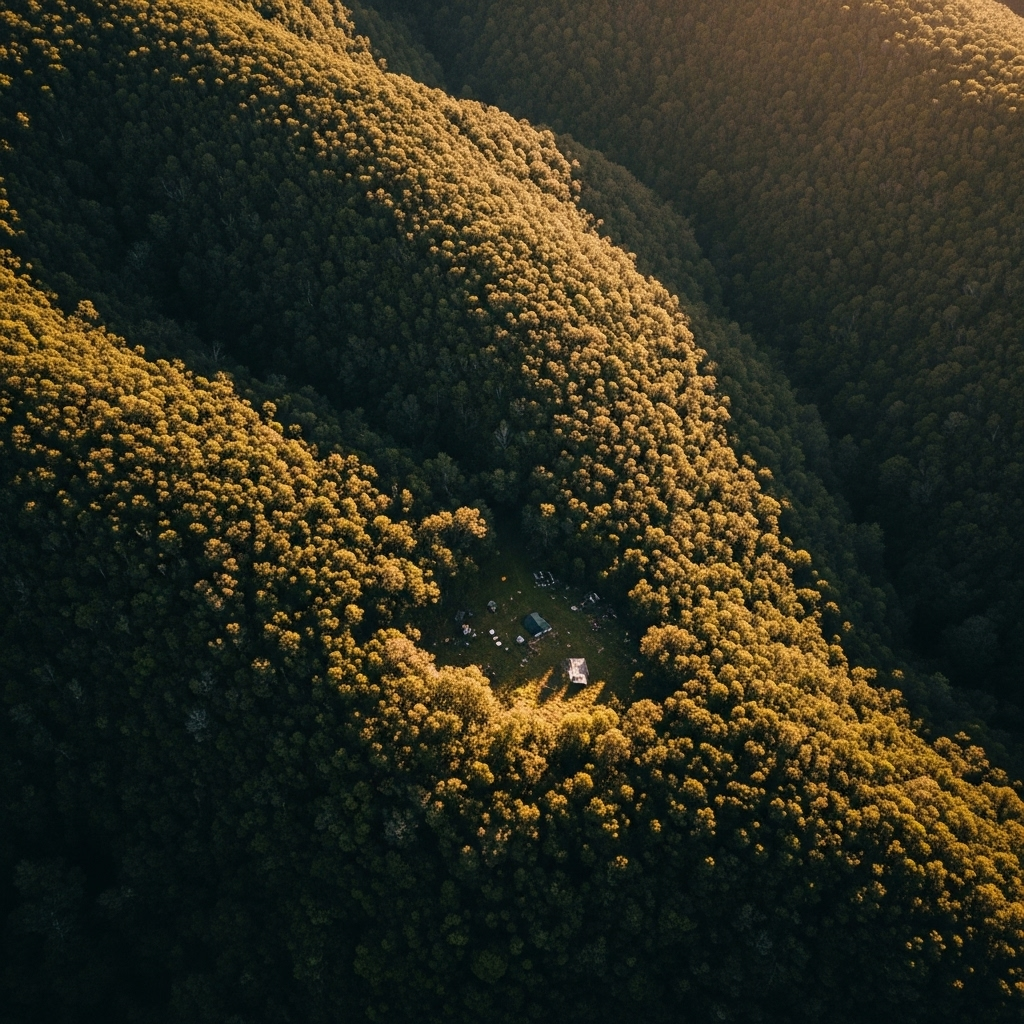
The first photos from the scene, released exclusively to media, are both stark and revealing. They depict a rudimentary camp carved out of the thick New Zealand bush, miles from any road or civilization. The location was chosen for its extreme isolation, accessible only by foot through treacherous terrain.
One of the most compelling images shows a simple tent, weathered and camouflaged, pitched beneath a dense canopy of ferns and native trees. This structure served as the primary shelter for Phillips and the three children, protecting them from New Zealand’s often harsh and unpredictable weather.
These initial pictures underscore the immense difficulty of the search operation. The camp was expertly concealed, using natural features to avoid detection from the air. “It’s a testament to his bushcraft skills,” one search and rescue expert noted, “but also highlights the extreme measures taken to keep these children isolated.”
The area is a labyrinth of steep gullies, dense undergrowth, and flowing streams, making it a nearly impenetrable fortress. The first photos confirm what many had suspected: Phillips had created a self-sustaining, hidden world for his family, entirely off the grid.
A Glimpse Inside the Makeshift Survival Camp
Delving deeper into the evidence, photos from inside the camp paint a more detailed picture of daily life. The living conditions were primitive, focused purely on survival.
Investigators found a cleared area for a campfire, complete with a basic cooking setup. Pots and pans, likely stolen during Phillips’s sporadic forays into civilization, were found nearby. The remains of makeshift traps and snares suggest a diet supplemented by wild game, such as possums and wild pigs.
Stockpiles of supplies were also discovered, including canned goods, tarpaulins, and clothing, indicating careful planning. It’s believed these items were gathered over time, possibly before the disappearance and supplemented by the aforementioned robberies.
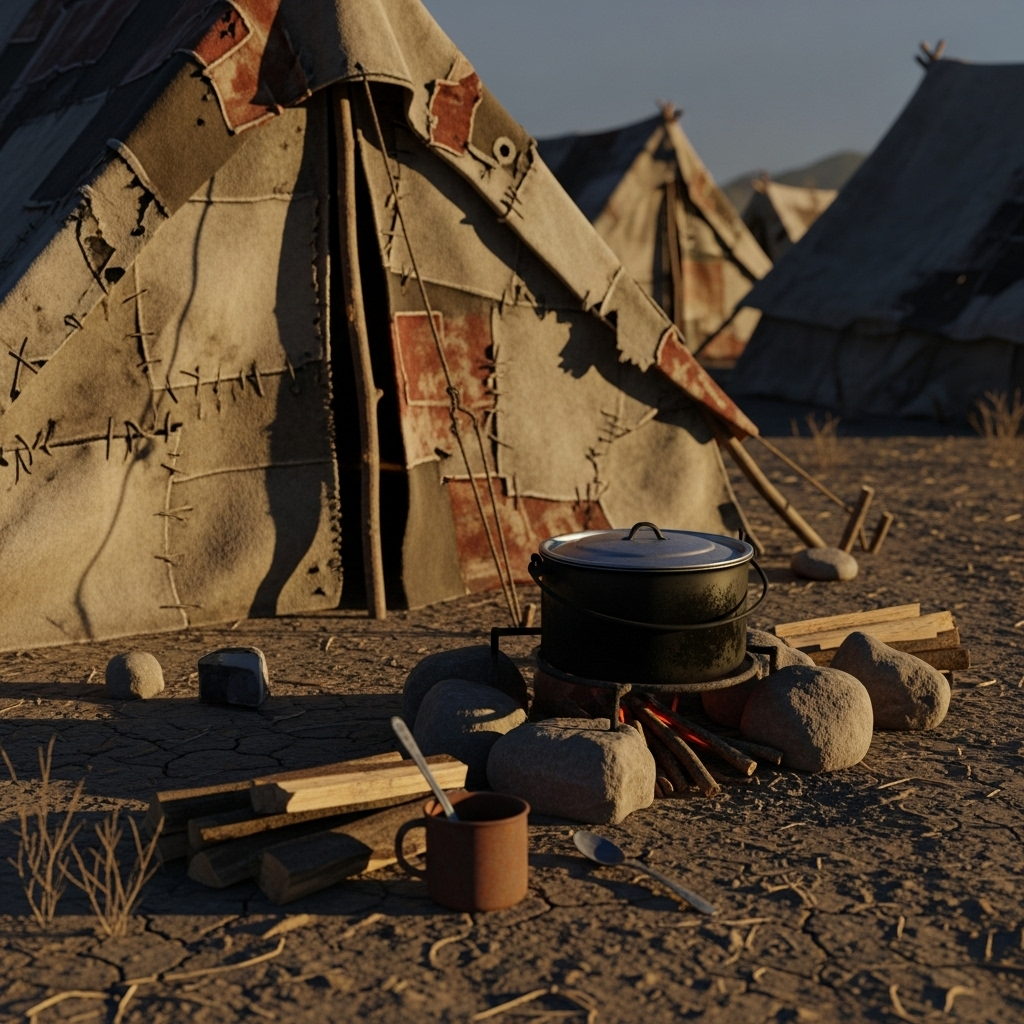
The children’s presence is poignantly felt in other images. A few worn toys and handmade items were found within the tent, small reminders of the childhood they were denied. There was no electricity, no running water, and no connection to the outside world beyond what Phillips provided.
This evidence is crucial for the ongoing investigation. For more information on official police statements, you can visit the New Zealand Police official website. The photos serve as a stark reminder of the resilience of the human spirit but also the severe deprivation the children faced.
Recovery, Relief, and the Community’s Reaction
The news of the children’s safe recovery sent a wave of overwhelming relief through the Marokopa community and across New Zealand. For years, residents had lived with the uncertainty and fear, holding vigils and assisting in searches whenever possible.
“It’s a miracle,” one local resident told reporters, her voice thick with emotion. “We prayed for this day, for the children to be found safe. That’s all that matters.”
Upon being found, Jayda, Maverick, and Ember were reported to be in good physical health, albeit shy and overwhelmed. They were immediately taken for medical evaluation and are now in the care of child services, beginning the long and delicate process of reintegrating into a world they haven’t known for years.

Experts in child psychology emphasize that the road ahead will be challenging. “They need stability, professional support, and immense patience,” said a leading therapist. “Re-acclimating to society, school, and normal family life will be a gradual journey.”
Meanwhile, Tom Phillips was taken into custody and now faces multiple charges, including abduction. His arrest marks the beginning of the legal chapter of this extraordinary case. The focus for everyone else, however, remains squarely on the well-being and future of his three children, who have finally returned from the wild.
“`


