
Key Events of Russia-Ukraine War: Day 1,293 Updates
As the conflict enters its 1,293rd day, the situation on the ground remains volatile. This report summarizes the key events from the past 24 hours, focusing on major developments along the eastern front, strategic strikes targeting critical infrastructure, and the ongoing international diplomatic responses. Ukrainian forces continue to mount a stiff defense against renewed Russian offensives, while both sides grapple with the immense logistical and human toll of the prolonged war.
Intensified Clashes on the Eastern Front
The Donetsk region remains the epicenter of the heaviest fighting. Russian forces, leveraging their numerical advantage in artillery, have launched a multi-pronged assault on the strategic town of Pokrovsk. Ukrainian military officials reported repelling over 30 separate attacks in this sector alone. The primary objective for Russia appears to be severing key Ukrainian supply lines that run westward from the city.
Further north, near the Svatove-Kreminna line, Ukrainian brigades have conducted successful counter-attacks, reportedly reclaiming several small settlements. According to the Institute for the Study of War (ISW), these localized gains are tactically significant as they disrupt Russian staging areas. However, the overall operational picture in the east remains a grueling war of attrition, with both sides expending significant resources for marginal territorial changes.
One of the notable key events was the reported use of new drone-jamming technology by Ukrainian units, which has allegedly reduced the effectiveness of Russian FPV (first-person view) drones in specific, targeted areas. This technological cat-and-mouse game continues to define modern warfare on this front.
Strategic Strikes and Southern Axis Activity
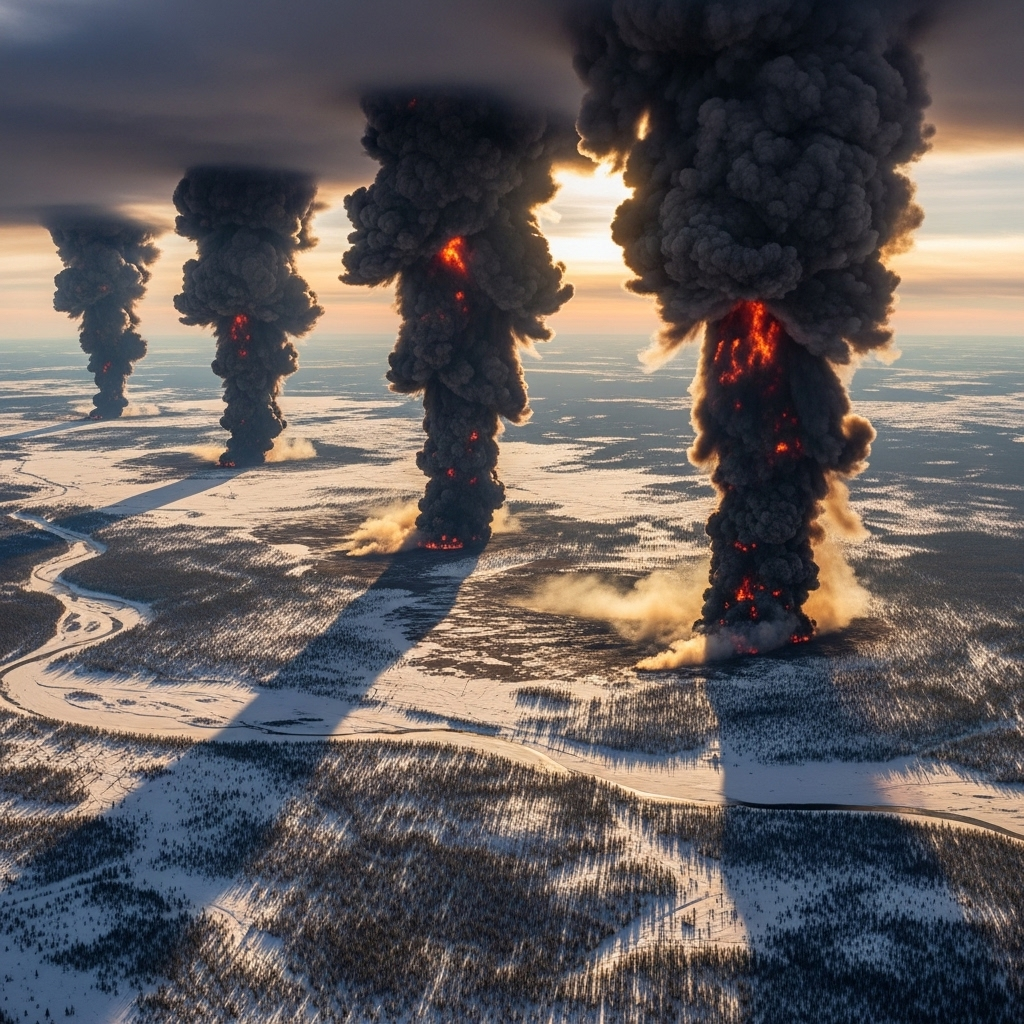
Overnight, Ukraine’s air defense systems were heavily engaged as Russia launched a coordinated missile and drone barrage targeting southern regions. The port city of Odesa was a primary target, with local authorities reporting that port infrastructure and grain storage facilities were hit. The attack seems aimed at crippling Ukraine’s export capabilities via the Black Sea, a recurring Russian strategy throughout the conflict.
In the Zaporizhzhia region, positional battles continued with no significant shifts in the frontline. However, reports from both sides indicate an increase in long-range artillery duels. Ukraine claims to have successfully struck a Russian command post near Melitopol, a claim that remains unverified by independent sources. For more background on this region, see our previous coverage.
The security situation in the Black Sea remains tense. A Russian naval patrol vessel was reportedly damaged by a Ukrainian sea drone near the coast of Crimea. While Moscow has not officially commented on the incident, naval analysts suggest that Ukraine’s asymmetric naval warfare continues to pose a credible threat to the Russian Black Sea Fleet, forcing them to operate from more distant, secure ports.
Analysis of Key Events in Kyiv and Western Ukraine
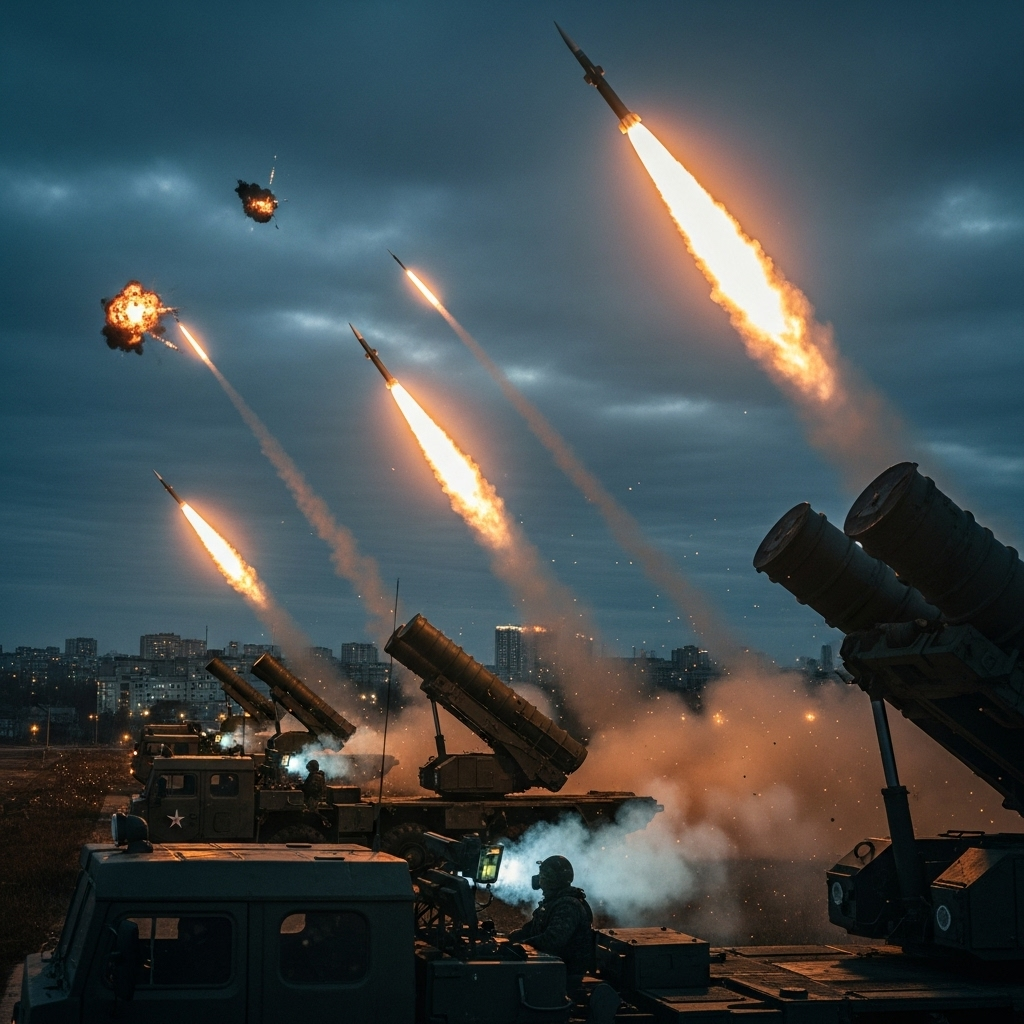
While the capital, Kyiv, was spared from direct missile impacts in the last 24 hours, air raid sirens were activated multiple times due to the threat of ballistic missiles launched from Belarus and Russia. The city’s multi-layered air defense, bolstered by Western-supplied systems like the Patriot, successfully intercepted all inbound threats, according to the Kyiv City Military Administration. These defensive successes are crucial key events for maintaining civilian morale.
In the western city of Lviv, authorities uncovered and neutralized an alleged Russian sabotage group. The Security Service of Ukraine (SBU) stated the group was planning to attack railway junctions to disrupt the flow of Western military aid into the country. This highlights Russia’s continued efforts to sow chaos far from the frontlines and interfere with critical logistics.
The resilience of civilians in these cities remains a cornerstone of the national defense. Despite the constant threat, businesses and public services continue to operate, adapting to the wartime reality. The ability of cities like Kyiv and Lviv to function is a strategic asset for Ukraine.
International Diplomacy and Military Aid
On the diplomatic front, European Union foreign ministers convened an emergency meeting in Brussels to discuss the escalation in attacks on Ukrainian civilian infrastructure. A joint statement condemned Russia’s actions and pledged to accelerate the delivery of additional air defense systems and power-generating equipment to Ukraine. A new sanctions package targeting entities involved in Russia’s drone manufacturing is reportedly being finalized.
The United States announced a new $400 million military aid package. According to the Pentagon, this package includes much-needed 155mm artillery shells, High Mobility Artillery Rocket System (HIMARS) ammunition, and additional armored vehicles. This continuous support is vital for Ukraine to sustain its defensive operations against a larger adversary.
Meanwhile, a United Nations spokesperson expressed “grave concern” over the humanitarian impact of the renewed strikes on Odesa’s port, emphasizing the potential disruption to global food security. As reported by Reuters, calls for de-escalation from neutral countries have grown louder, but a clear path to peace talks remains elusive.

Summary of the Day
In summary, Day 1,293 of the war was characterized by intense fighting in the east, particularly around Pokrovsk, and strategic Russian airstrikes on southern port infrastructure. Ukraine demonstrated resilience through successful counter-attacks and robust air defense over its major cities. The international community responded with condemnation and further commitments of military and financial aid. The collection of these key events shows a conflict that is far from static, with tactical and strategic moves constantly shaping the battlefield and the geopolitical landscape.
“`


