
Vote Win: Norway’s Left Secures 1st Place in Election
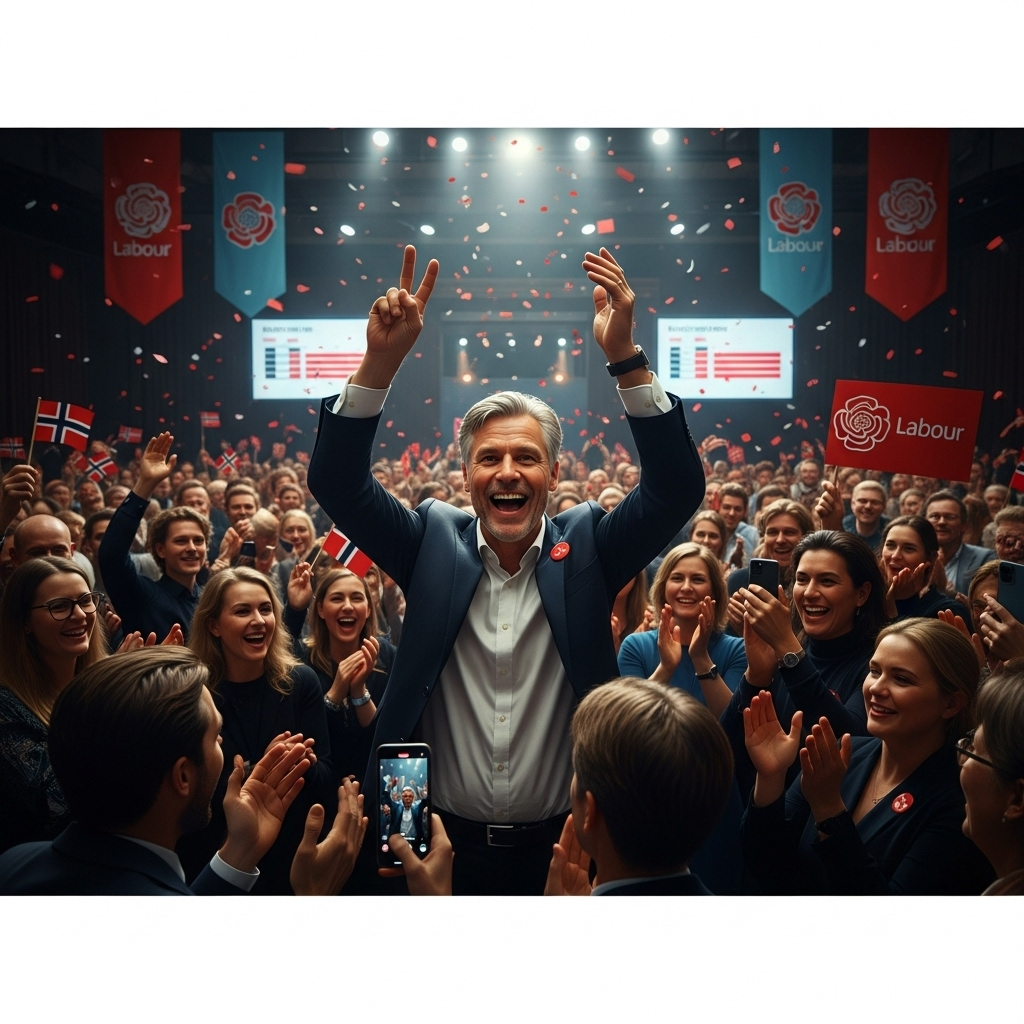
In a decisive shift for Scandinavian politics, Norway’s Labour Party and its left-leaning allies have celebrated a significant vote win in the country’s parliamentary election. The results signal the end of eight years of conservative rule and usher in a new era under the leadership of Labour’s Jonas Gahr Støre, who is now poised to become the next prime minister.
The centre-left bloc secured a clear majority in the 169-seat Storting (parliament), marking a major political realignment for the oil-rich nation. The campaign was dominated by debates on climate change, the future of Norway’s massive oil and gas industry, and social inequality—issues that clearly resonated with voters who opted for a change in direction.
A Clear Mandate: The Election Results in Detail
With nearly all ballots counted, the Labour Party and its preferred coalition partners—the Centre Party and the Socialist Left—have collectively won approximately 100 seats, comfortably surpassing the 85 needed for a majority. The Labour Party itself emerged as the largest single party, securing around 26% of the national vote. This result represents a powerful mandate from the Norwegian people for a new governing agenda.
The biggest gains were seen not just by Labour but also by the rural-focused Centre Party and the eco-socialist Socialist Left, indicating a broad-based desire for change across different segments of the electorate. Key takeaways from the results include:
- Labour Party (Ap): Secured its position as the anchor of the new government, despite not reaching the historic highs of past decades.
- Centre Party (Sp): Made substantial gains, appealing to voters concerned about centralization and rural development.
- Socialist Left (SV): Performed strongly, ensuring that climate policy will be a critical point in upcoming coalition negotiations.
- Conservative Party (Høyre): Saw a significant drop in support, leading to the end of Prime Minister Erna Solberg’s two-term premiership.
This electoral success for the left can be attributed to a well-coordinated campaign that focused on a “fairer” society and a more aggressive green transition. For more background on the political landscape leading up to the vote, see our preview of European elections.
Analyzing the Impact of This Monumental Vote Win
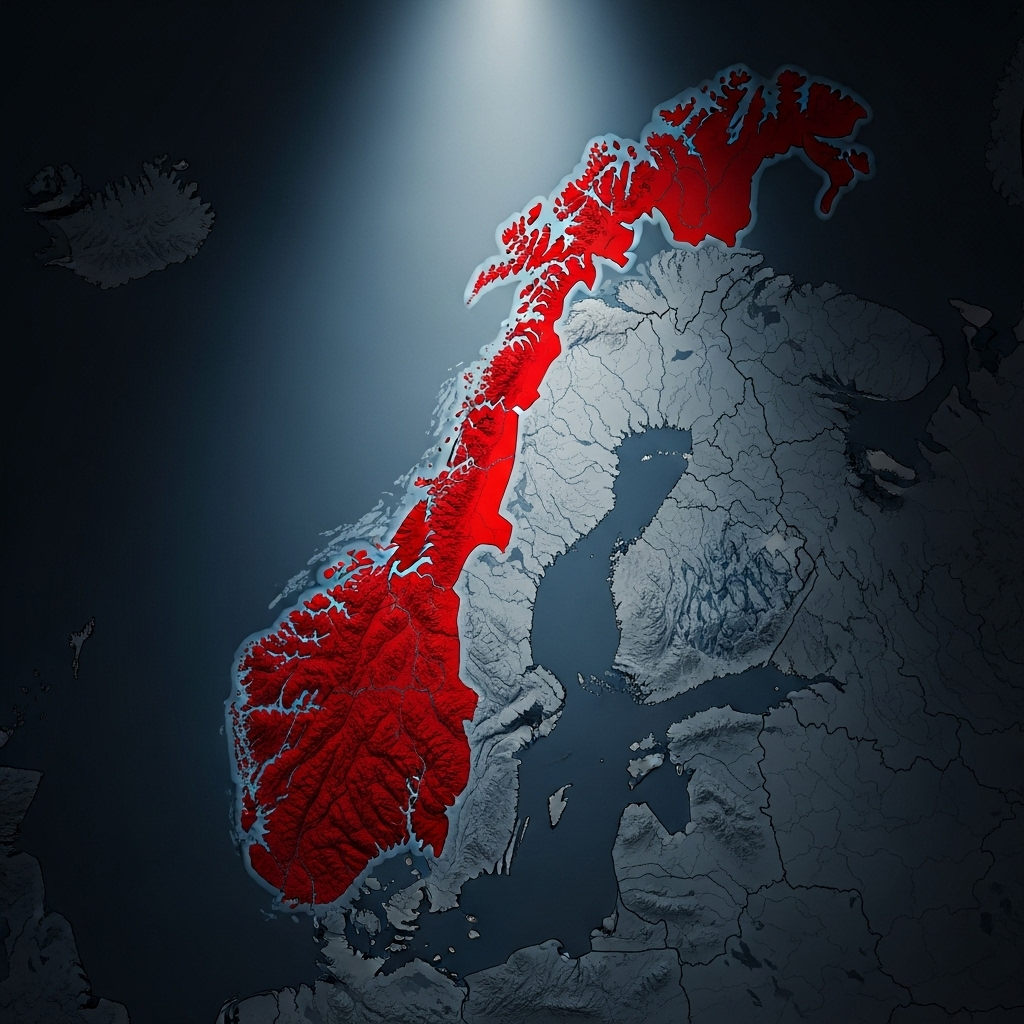
This monumental vote win is set to have profound implications for both domestic and foreign policy. Prime Minister-elect Jonas Gahr Støre has promised to tackle inequality by strengthening the welfare state and adjusting the tax system. He inherits a strong economy, largely thanks to Norway’s colossal sovereign wealth fund, the world’s largest. However, how to manage that wealth, particularly its investments in fossil fuels, will be a central challenge.
The most immediate and contentious issue will be climate and energy policy. While the Labour Party has advocated for a gradual transition away from oil and gas exploration, its potential coalition partners, particularly the Socialist Left and the Green Party (which also gained seats), will push for a much faster and more radical timeline. Støre must find a delicate balance between the economic realities of the nation’s largest industry and the urgent calls for climate action.
Policy changes are expected in several key areas:
- Taxation: The new government is expected to increase taxes on the wealthiest individuals and corporations to fund public services.
- Climate: A higher carbon tax and stricter regulations on the oil sector are almost certain, though an immediate end to exploration remains a point of negotiation.
- Welfare: Expect increased spending on healthcare, education, and social security programs to combat what the left has termed “rising inequality.”
The international community, especially the European Union, will be watching closely how the new government handles its role as a major energy supplier and its commitment to the Paris Agreement.
The Path Forward: Navigating Coalition Challenges
While the victory is clear, the path to a stable government is not without its hurdles. Jonas Gahr Støre’s preferred coalition consists of Labour, the Centre Party, and the Socialist Left. However, these three parties have significant policy disagreements, particularly on oil, taxes, and Norway’s relationship with the European Union.
The Centre Party, for example, is deeply skeptical of environmental regulations that could harm rural industries, a stance that puts it at odds with the Socialist Left’s aggressive green agenda. Crafting a common platform that satisfies all partners will require masterful negotiation from Støre. He has already stated that his goal is to form a majority government with these three parties, as it would provide the most “predictability and stability.”
These negotiations will be the first major test of his leadership. Observers note that finding common ground on the future of oil exploration will be the litmus test for the coalition’s viability. You can learn more about the structure of the Norwegian government at the official Storting website.
A Change of Guard: The Conservative Concession
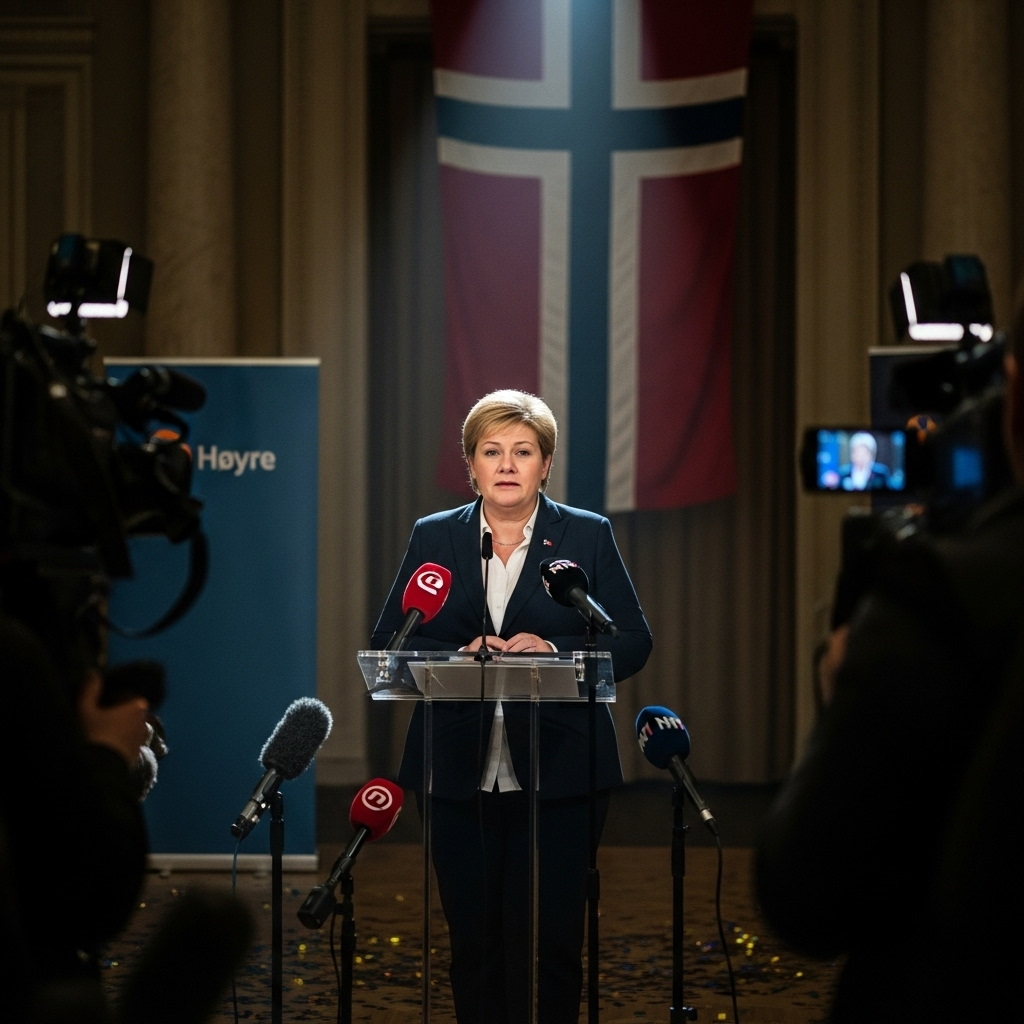
In a graceful concession speech late Monday night, outgoing Prime Minister Erna Solberg congratulated Jonas Gahr Støre on his victory. “The work of the Conservative government is over for this time,” she told her supporters, acknowledging that the voters had delivered a clear verdict. Solberg, one of Europe’s longest-serving conservative leaders, has been praised for her steady handling of the economy and the COVID-19 pandemic.
However, her government faced growing criticism over centralization, creeping social inequality, and a climate policy that many felt was not ambitious enough. Her departure marks a significant moment, ending an eight-year period of centre-right governance that brought stability but ultimately failed to inspire a majority of voters in 2025.
The decisive vote win for the opposition demonstrates a national appetite for new solutions to pressing global and domestic challenges. The incoming government now has the mandate and the responsibility to deliver on its promises of a greener, fairer Norway.
“`


