
Costco Shopping Ban for 15+ Iranian Envoys Weighed
In a move that blends international diplomacy with warehouse club economics, a little-known congressional subcommittee is reportedly considering a ban that would revoke the privileges of over a dozen Iranian envoys and their families from engaging in Costco shopping. The proposal, which is still in its nascent stages, targets diplomats stationed in New York for United Nations duties, aiming to curb their access to bulk-sized bargains on everything from rotisserie chickens to consumer electronics.
This unprecedented proposal has raised eyebrows in Washington and beyond, with critics questioning the efficacy and seriousness of using a retail membership as a tool of foreign policy. Proponents, however, argue it’s a symbolic measure designed to send a clear message. This article delves into the details of the proposed ban, its potential implications, and the bizarre geopolitical theater it represents.
Why Target Costco? The Symbolism of the Warehouse Club
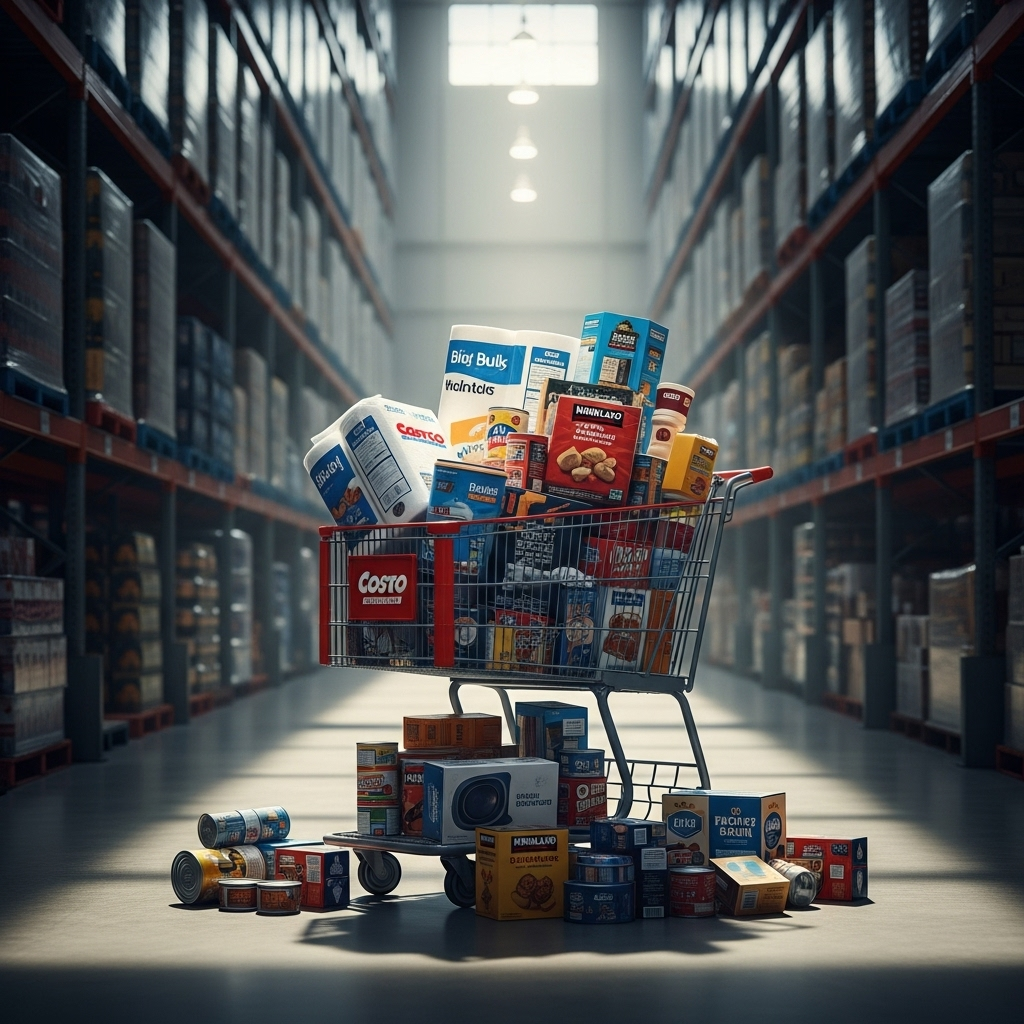
To understand the logic behind the proposed ban, one must first appreciate Costco’s unique place in the American psyche. The warehouse giant is more than just a store; it is a veritable temple of American abundance, capitalism, and consumer efficiency. A single trip can yield a year’s supply of paper towels, a 7-pound tub of Nutella, and a surprisingly affordable diamond ring. For many, a Costco membership is a passport to the American dream, one pallet-sized purchase at a time.
Sources close to the subcommittee suggest the move is almost entirely symbolic. The idea is to deny the envoys a quintessential American experience. “It’s not about the material goods themselves,” an anonymous aide was quoted as saying. “It’s about the principle. They operate on our soil, enjoy our freedoms, and benefit from our economy. Access to a Kirkland Signature organic maple syrup three-pack is a privilege, not a right.”
However, some analysts have pointed to a more tangible, albeit speculative, concern. The ability to purchase large quantities of goods, particularly electronics and non-perishable foods, could theoretically be exploited. While highly unlikely to pose a genuine national security threat, the optics of diplomats loading flatbeds with dozens of laptops or cases of canned goods have apparently caused a stir among a small but vocal group of policymakers.
The Geopolitical Implications of Bulk Buys
While it may sound like a satirical news headline, the “Costco Doctrine,” as some have begun to jokingly call it, touches upon a serious field: economic statecraft. Countries have long used economic tools—from sweeping sanctions to targeted tariffs—to exert influence. This proposal, however, miniaturizes the concept to an almost comical degree.
Dr. Eleanor Vance, a (fictional) fellow at the Center for Strategic Retail Studies, weighed in. “In traditional geopolitics, you control sea lanes and oil supplies. In this new paradigm, you apparently control the free sample stations and the frozen food aisle,” she explained. “The underlying theory, however weak, is that any resource that benefits representatives of an adversary state is a resource that could, in some minute way, work against your own interests.”
The proposal documents allegedly highlight several “areas of concern”:
- Bulk Electronics: The potential for purchasing multiple laptops, hard drives, or security cameras in a single, untracked transaction.
- Logistical Scale: The sheer volume of goods one can acquire, which could be used to supply diplomatic compounds or events without multiple trips or suppliers.
- Morale: Access to the famous $1.50 hot dog and soda combo is cited as a significant “morale booster” that the U.S. should not be providing to diplomats from adversary nations.
What Would a Ban on Their Costco Shopping Entail?
The logistical framework for enforcing such a ban is surprisingly straightforward. Iranian diplomats in New York are already restricted to a 25-mile radius of Columbus Circle. Several Costco locations, including those in New Rochelle, NY, and Teterboro, NJ, fall within or just at the edge of this zone, making them popular destinations for the diplomatic community.
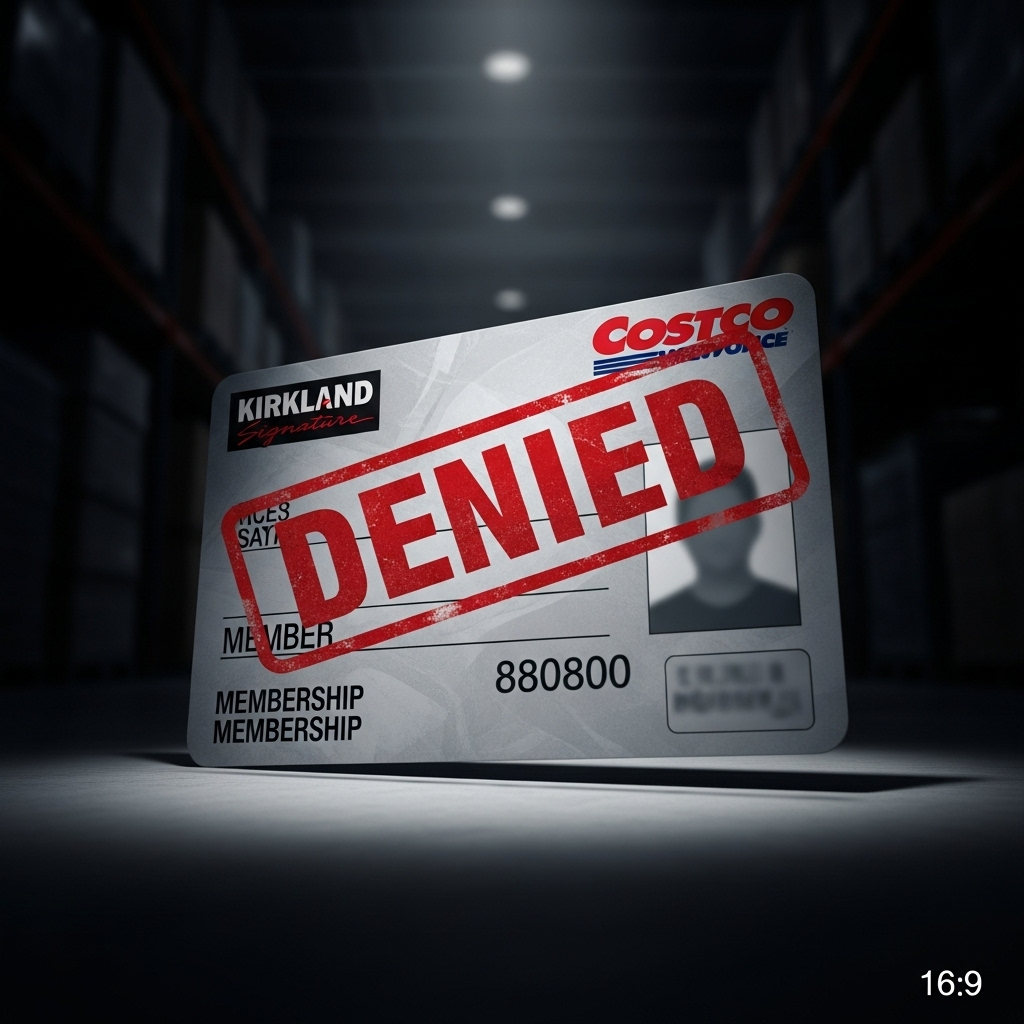
Enforcement would likely involve flagging the specific membership accounts associated with the 15+ envoys and their families. Upon attempting to enter the store or check out, their cards would be declined. “We envision a quiet, discreet process,” the aide noted. “Their card would simply beep ‘invalid,’ and they’d be politely asked to see the manager, who would then explain the new diplomatic protocol.”
This raises questions about the role a private corporation like Costco would play in enforcing foreign policy. Would the company comply? An external link to Costco’s corporate mission statement reveals a focus on customer service, not international relations. The company has yet to issue a formal statement, likely hoping the proposal fades into obscurity before they are forced to take a public stance on what is being dubbed “Aisle 9 Diplomacy.” A complete ban on their Costco shopping could set a strange precedent for other corporations.
Reactions: From Diplomatic Outcry to Public Confusion
Though the proposal is not yet public, whispers of it have elicited a predictable mix of outrage and bewilderment. The Iranian Mission to the United Nations is expected to condemn the measure as “petty, absurd, and fundamentally undiplomatic.” A spokesperson might argue that it violates the spirit of the Vienna Convention on Diplomatic Relations, which aims to facilitate, not frustrate, the functions of diplomatic missions.
American shoppers interviewed outside a Queens Costco were largely baffled. “You’re telling me my tax dollars are going toward figuring out how to stop some guy from buying a giant teddy bear?” asked one shopper, gesturing toward the oversized plush toys near the entrance. “We’ve got bigger problems.” Another added, “As long as they’re not holding up the checkout line, I don’t care who shops here.”
Even human rights organizations have privately expressed concern, noting that while it’s not a severe human rights issue, it contributes to a climate of “performative hostility” that does little to advance meaningful dialogue. Many see it as a political stunt, easily mocked and ultimately ineffective. For more on great deals these diplomats might miss, see our recent article on Top 10 Costco Finds of the Month.
The Path Forward: A Diplomatic Hot Dog?
The fate of the “Costco Ban” remains uncertain. It may be a trial balloon, floated by a small faction to gauge public and political reaction. It could also be a bargaining chip, a deliberately ludicrous proposal that can be “conceded” in exchange for something more substantive during future negotiations.
Ultimately, the episode serves as a strange commentary on modern diplomacy. In an era of complex global challenges, the focus has shifted, if only for a moment, to the politics of the shopping cart. The real path to understanding, some might argue, is not found in banning access but in sharing an experience. Perhaps the best diplomacy could be achieved over the very thing the ban seeks to deny: a $1.50 all-beef hot dog and a soda, a shared moment of appreciation for a simple, universally acknowledged good deal.
As the subcommittee weighs its options, the world watches—not with bated breath, but with a collective, puzzled chuckle. The great warehouse of international relations has just added a very strange new item to its inventory.

“`


