
Reported Strike: 2 Major Incidents Unfold in Gaza/Ukraine
The international community is closely monitoring two separate but significant geopolitical hotspots today, September 9, 2025, following a reported strike in both the Gaza Strip and Eastern Ukraine. These events, occurring thousands of miles apart, underscore the ongoing volatility in both regions and the challenges of verifying information in real-time. Initial reports are still emerging, with officials on all sides providing conflicting narratives.
Reported Strike in Southern Gaza
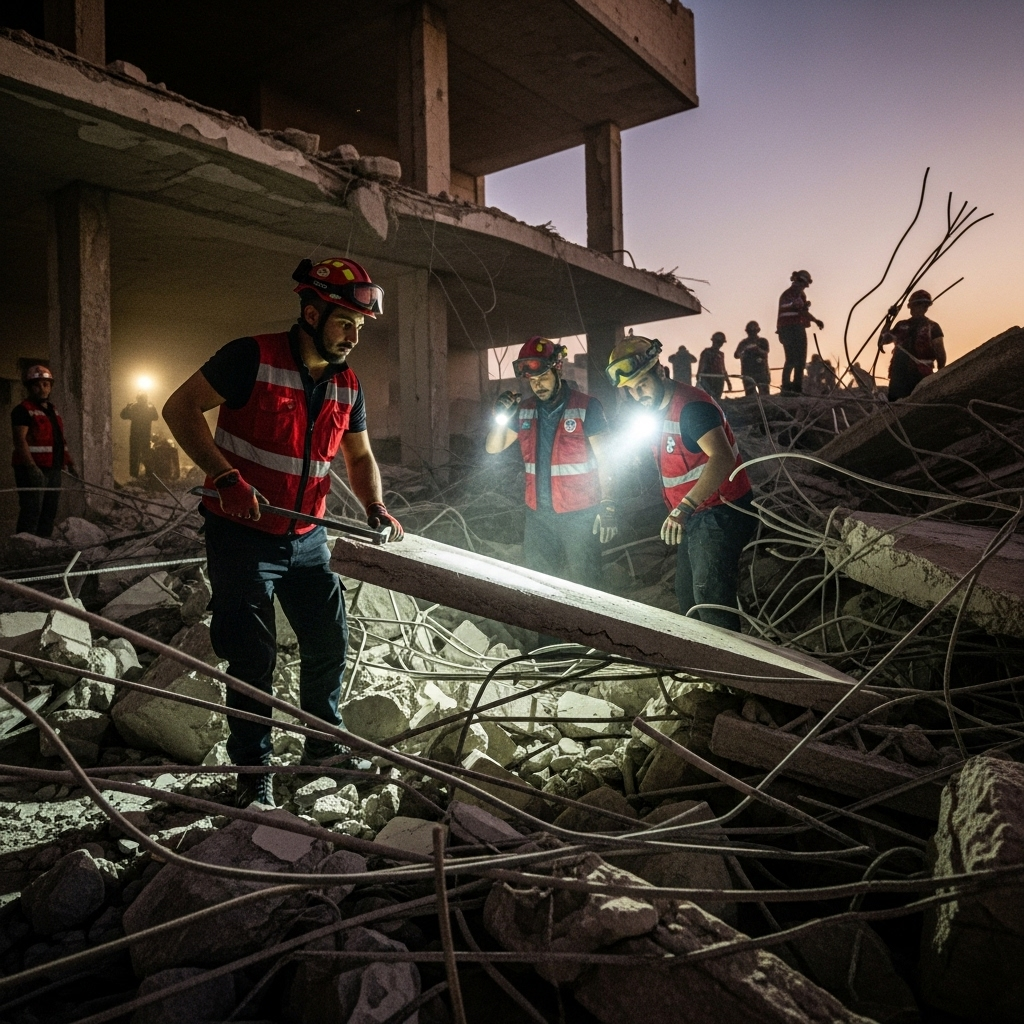
Early this morning, Palestinian health officials reported a significant airstrike in a densely populated neighborhood of Khan Younis in the southern Gaza Strip. According to initial dispatches, the strike targeted a multi-story building that sources on the ground claim was housing several displaced families. These reports suggest a number of casualties, though figures remain unconfirmed and are likely to change as rescue operations continue.
Eyewitnesses described a massive explosion that shook the area, followed by the collapse of the structure. “The sound was deafening, and the sky filled with smoke and dust,” one local journalist told international news agencies via a messaging app. First responders are currently on the scene, navigating rubble and debris in a frantic search for survivors.
Conversely, the Israeli Defense Forces (IDF) have released a preliminary statement acknowledging an operation in the Khan Younis area. The statement indicated that the operation was a precision strike targeting what they identified as a “senior Hamas command and control center” operating from within the building. The IDF statement emphasized that they take extensive measures to mitigate civilian harm and are reviewing the consequences of this specific reported strike.
This discrepancy in claims is typical of the information warfare that accompanies military actions in the region. Humanitarian organizations, including the UN Office for the Coordination of Humanitarian Affairs (OCHA), have expressed grave concern and called for an immediate investigation into the event. Access for independent observers remains limited, making third-party verification of the target and its aftermath exceptionally difficult.
The situation highlights the immense danger faced by civilians in the Gaza Strip. For more context on the rules of engagement, you can read our previous analysis on understanding international law in conflict.
Details of the Reported Strike in Ukraine
Simultaneously, Ukrainian authorities have reported a major overnight missile attack on critical infrastructure in the Donetsk region. The regional military administration stated that a wave of long-range missiles targeted an energy substation near the city of Kramatorsk, causing significant damage and widespread power outages.
Ukrainian President Volodymyr Zelenskyy’s office condemned the attack, calling it “an act of energy terrorism” intended to cripple civilian services ahead of the coming winter. “This reported strike on a non-military facility is another example of the enemy’s tactics to sow fear and create a humanitarian crisis,” an official statement read. Emergency crews are reportedly working to restore power, but officials warn that repairs could take several days due to the extent of the damage.
The Russian Ministry of Defence has not yet issued a specific comment on the Kramatorsk incident. However, pro-Russian military bloggers have claimed on social media platforms that the strike targeted a nearby depot where Western-supplied munitions were allegedly being stored. These unverified claims suggest the energy facility may have sustained collateral damage from a legitimate military strike.
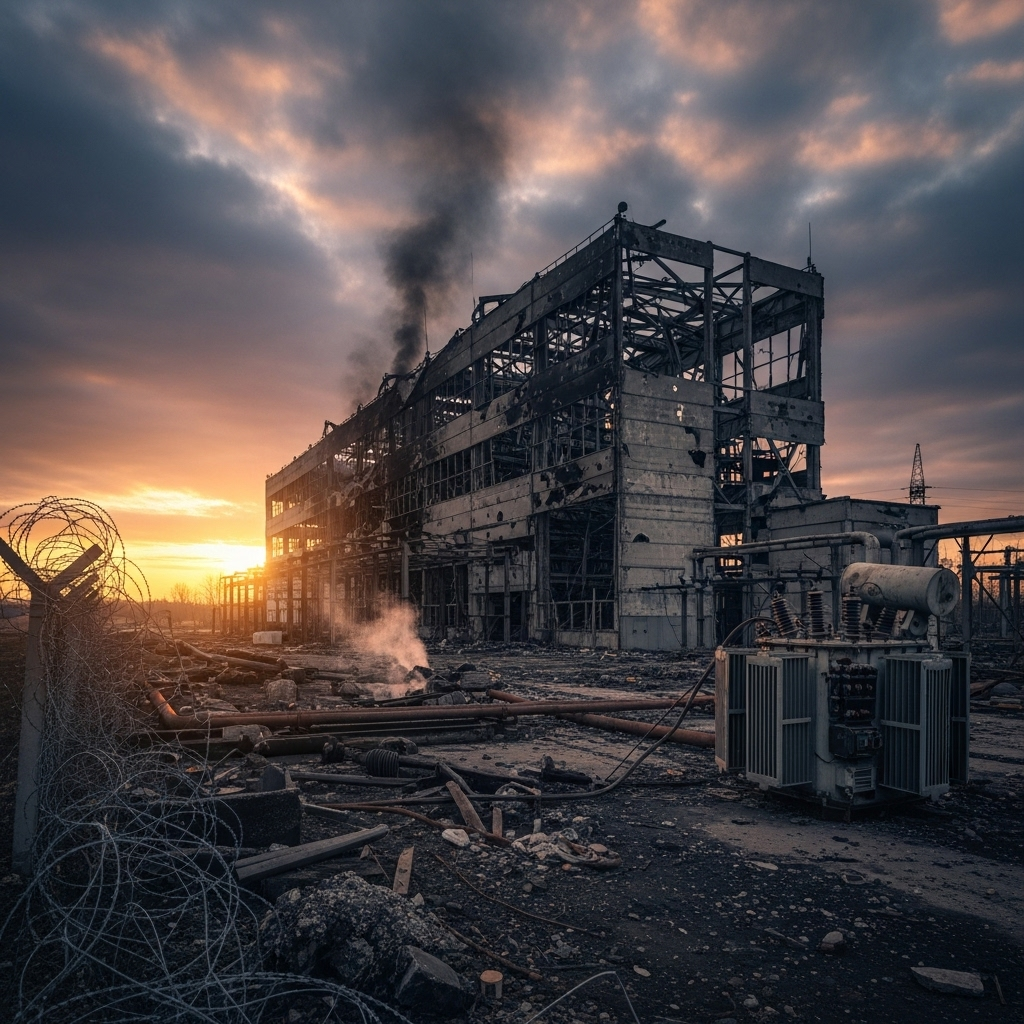
This incident is part of a broader pattern of strikes against Ukraine’s energy grid, a strategy that has been employed intermittently throughout the conflict. International watchdogs and energy analysts are assessing the long-term impact of such attacks on Ukraine’s resilience. The verification of the precise target—whether it was the substation itself or a nearby military asset—remains a key point of contention. This ambiguity is central to understanding the complexities of any reported strike in the ongoing war.
International Reaction and Calls for De-escalation
The dual crises have drawn swift condemnation and concern from global leaders and international bodies. A spokesperson for the U.S. State Department urged all parties to “exercise maximum restraint” and protect civilian lives. “We are aware of the reports from both Gaza and Ukraine and are working with our partners to gather more information. The protection of civilians must be paramount,” the spokesperson stated during a press briefing.
Similarly, the European Union’s High Representative for Foreign Affairs called for independent investigations into both incidents. “The facts surrounding these devastating events must be established. Those responsible for violations of international humanitarian law must be held accountable,” the statement declared. Aid organizations like Amnesty International and Human Rights Watch have echoed these calls, emphasizing the need for transparency and access for human rights monitors.
The challenge for the international community lies in navigating the competing narratives pushed by the involved parties. Without independent verification on the ground, diplomatic responses are often based on incomplete or biased information, complicating efforts to de-escalate tensions or provide targeted humanitarian aid.

The Challenge of Verifying Strike Claims
Both the Gaza and Ukraine incidents serve as stark reminders of the “fog of war.” In modern conflicts, every reported strike is accompanied by a flood of information and disinformation. Belligerents use official statements, social media, and state-controlled media to frame events in a way that supports their strategic objectives.
Journalists and open-source intelligence (OSINT) analysts play a crucial role in sifting through the noise. They use satellite imagery, geolocation of photos and videos, and cross-referencing of eyewitness accounts to piece together a more objective picture. However, this work is time-consuming and often dangerous. In both Gaza and Ukraine, access to strike sites can be restricted, and communication lines can be unreliable.
Ultimately, the term “reported strike” is a necessary qualifier until a thorough, independent investigation can be completed. It acknowledges the event occurred while also recognizing the uncertainty surrounding the target, the intent, and the true toll on human life. As these stories develop, it is critical for observers to consume information from a variety of reputable sources and remain aware of the inherent biases at play.
The world watches as the aftermath of these two reported strikes unfolds, hoping for clarity and a reduction in hostilities while bracing for the human cost that inevitably follows.
“`


