BBC Chief: 3 Scandals Prompt ‘Irreplaceable’ Warning
In a stark address that reverberated through the halls of Broadcasting House and across the UK’s media landscape, the current BBC chief has issued a powerful warning about the corporation’s future, declaring it an “irreplaceable” institution now facing an unprecedented crisis of public trust. The warning comes on the heels of three seismic scandals that have, in quick succession, battered the BBC’s reputation and called its core principles into question.
From high-profile presenters to the chairman’s office, the controversies have touched every level of the organization. This article delves into the three key events that prompted this critical moment and what the BBC’s leadership plans to do to navigate the storm.
Table of Contents
1. The Presenter Controversy and Its Fallout
The first major blow came from allegations surrounding one of its most recognizable faces, news anchor Huw Edwards. The story, which involved payments to a young person for explicit images, dominated headlines for weeks. The initial response from the BBC was seen by many as slow and opaque, leading to accusations of a cover-up and a failure of internal processes.
Critics argued that the corporation’s handling of the crisis highlighted a deep-seated cultural problem. The incident forced the BBC to launch an internal review into its complaints procedures, particularly concerning its star talent. This scandal wasn’t just about one individual; it became a referendum on whether the BBC could hold even its most powerful figures accountable, a point of significant concern for the BBC chief and his executive team.
The fallout was immense, eroding the public’s perception of the BBC as a bastion of moral integrity. It raised difficult questions about duty of care and the pressures faced by those in the public eye. For more on this, see our deep-dive on media ethics in the digital age.
2. Impartiality Under Fire: The Gary Lineker Tweetstorm
Barely had the dust settled on the Edwards affair when a second crisis erupted, this time striking at the heart of the BBC’s founding principle: impartiality. Beloved football presenter Gary Lineker tweeted a comment comparing the language used in the government’s new asylum policy to that of 1930s Germany.
The tweet sparked a political firestorm. The BBC, under intense pressure to enforce its social media guidelines for freelancers, asked Lineker to step back from his presenting duties on Match of the Day. What followed was an unprecedented act of solidarity: fellow pundits, commentators, and players boycotted the program, forcing the BBC to air a shortened version of its flagship sports show without any commentary or analysis.
The corporation was forced into a humiliating climbdown, reinstating Lineker and announcing a review of its social media rules. The incident exposed a fundamental tension within the BBC: how to maintain political impartiality while allowing its presenters, who are public figures in their own right, a degree of free expression. This balancing act remains one of the most significant challenges for the corporation’s leadership. For official context, you can review the BBC’s own impartiality guidelines.
3. The Chairman’s Conflict and Resignation
The third scandal struck at the very top of the organization, leading to the resignation of BBC Chairman Richard Sharp. An inquiry found that Sharp had breached public appointment rules by failing to disclose his role in facilitating an £800,000 loan guarantee for then-Prime Minister Boris Johnson, shortly before Johnson’s government recommended him for the BBC chairmanship.
While the inquiry did not find that Sharp’s appointment was directly secured by this action, the perception of a conflict of interest was devastating. The chairman of the BBC is meant to be the ultimate guardian of its independence from political interference. Sharp’s resignation was a significant blow, fueling claims that the corporation’s leadership was too close to the government of the day.
This “cash for cronyism” narrative, as some tabloids dubbed it, further damaged the BBC’s standing as an institution that operates above the political fray. It created a governance vacuum at a time when strong, unimpeachable leadership was needed most.
4. The ‘Irreplaceable’ Warning from the BBC Chief
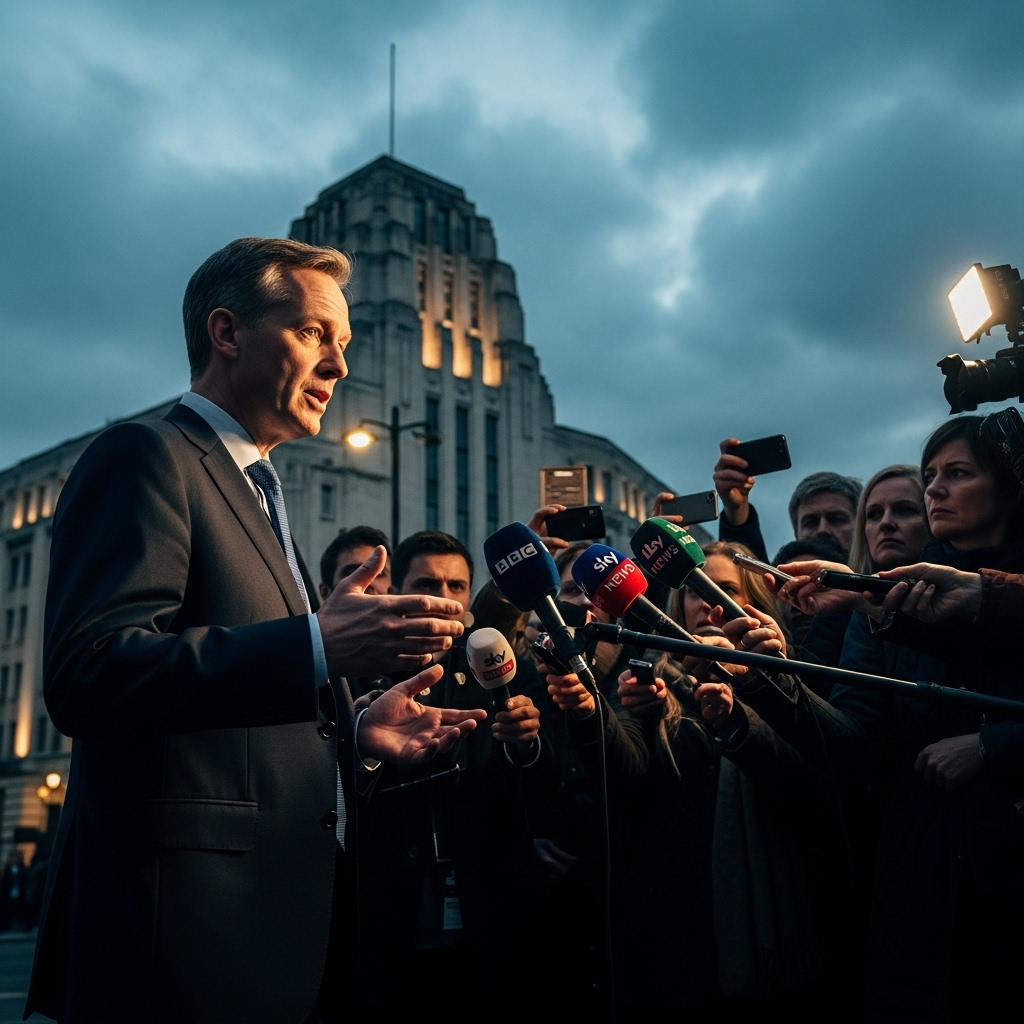
Speaking at the Royal Television Society conference, Director-General Tim Davie, the operational BBC chief, addressed the cumulative impact of these scandals head-on. He acknowledged the “difficult and humbling” period the corporation had endured and conceded that public trust had been damaged. However, he pivoted to a forceful defense of the BBC’s role in national life.
“We must not let these challenges obscure the fundamental truth: the BBC is an irreplaceable public good,” Davie stated. “In an age of disinformation, deepfakes, and echo chambers, a trusted, universal source of news, culture, and education is more vital than ever. To lose it would be a self-inflicted wound from which our nation would not easily recover.”
His warning was clear: the constant attacks and internal crises risk not just weakening the BBC but dismantling a cornerstone of British society and its global influence. The “irreplaceable” tag was a reminder of the BBC’s vast remit, from the World Service to CBeebies, from local radio to groundbreaking natural history documentaries. The BBC chief stressed that the license fee model, while consistently debated, is what allows for this breadth of programming, free from commercial or political pressures—pressures that these scandals have unfortunately invited.
5. Rebuilding Trust: What’s Next for the BBC?
In the wake of the crises and the Director-General’s sobering assessment, the BBC is embarking on a path of reform. Key initiatives announced include:
- A Root-and-Branch Review: A comprehensive overhaul of the complaints process to ensure transparency and speed, particularly when allegations are made against senior staff or high-profile talent.
- Clarified Social Media Rules: New, clearer social media guidelines are being drafted to distinguish between journalists bound by strict impartiality and freelancers like Lineker, aiming to avoid a repeat of the damaging standoff.
- Strengthened Governance: The process for appointing a new chairman is under intense scrutiny, with calls for greater independence and parliamentary oversight to prevent any perception of political cronyism.
The UK’s media regulator, Ofcom, is also playing a more active role, monitoring the BBC’s progress in implementing these changes. The road to regaining lost trust will be long and arduous. It requires not just new rules, but a demonstrable cultural shift within the organization.

Ultimately, the survival of the BBC in its current form depends on its ability to convince the public that it has learned from its mistakes. The warning from the BBC chief was not just a defense but a call to action—for the corporation to reform itself and for the public to recognize what is at stake. The coming months will be crucial in determining whether this “irreplaceable” institution can successfully navigate its greatest crisis in a generation.
“`