
US ‘Response’ Urged After 20 Killed in Russian Strike
In the wake of a brutal Russian missile strike that killed at least 20 civilians in a crowded urban center, international pressure is mounting on the White House for a decisive US ‘response’. The attack, which Ukrainian officials have labeled a “deliberate act of terror,” has ignited a fresh wave of condemnation and intensified calls for Washington to take more concrete action to deter further Russian aggression.
The strike represents one of the deadliest single attacks on a civilian area in recent months, prompting immediate demands for accountability and a re-evaluation of the current Western strategy. As global leaders express their outrage, all eyes are turning to the United States to lead the way.
Article Contents
The Attack: A Devastating Blow to Civilians
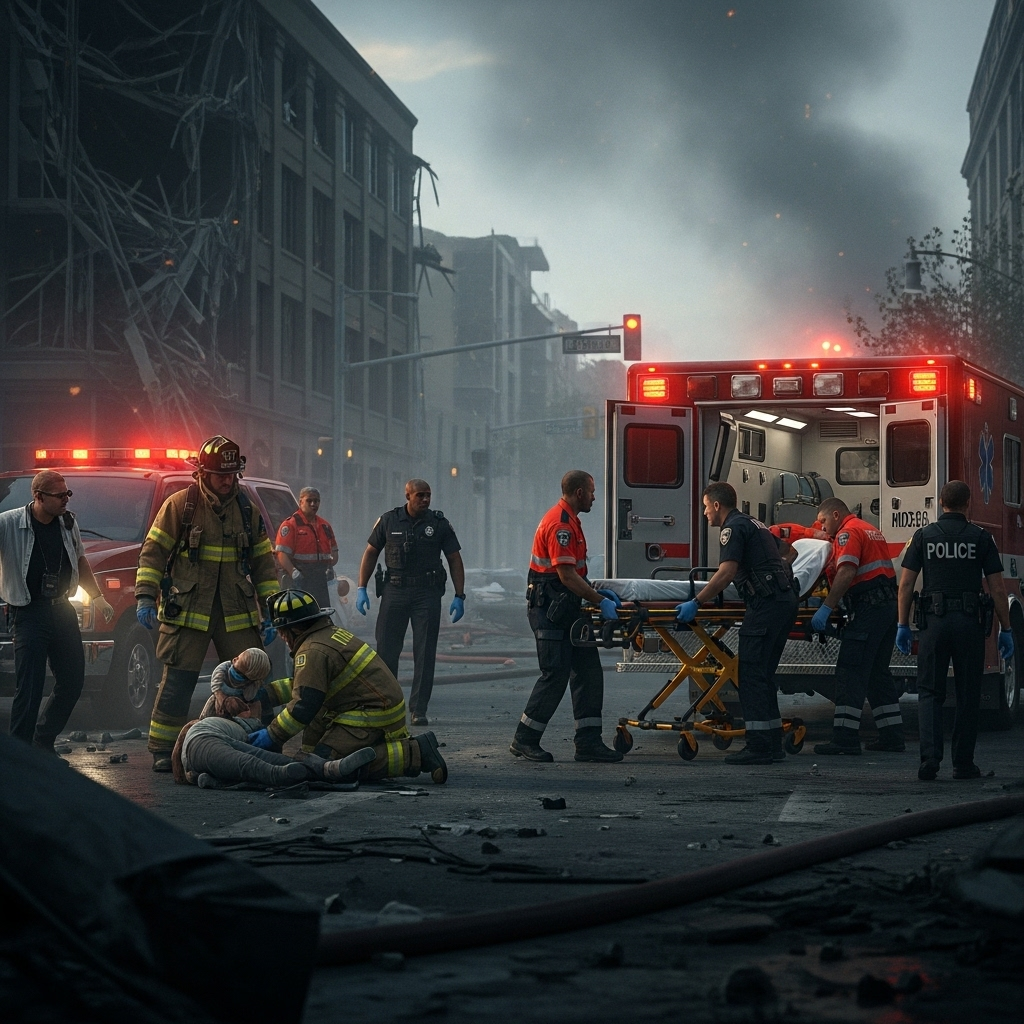
Early Tuesday morning, multiple cruise missiles slammed into a bustling shopping district in the southern port city of Odesa. Eyewitnesses described scenes of chaos and horror as the blasts tore through storefronts, a supermarket, and a nearby residential building. First responders arriving at the scene were met with widespread destruction and fires raging across several blocks.
“There was no warning. Just a massive explosion, and then another,” said a local shop owner. “This wasn’t a military target. This was a place where people live, where children play. It’s pure evil.”
Ukrainian emergency services confirmed the death toll had risen to 20, with over 50 individuals hospitalized, many with critical injuries. The nature of the target has led international observers to conclude the attack was intended to terrorize the civilian population, a tactic that constitutes a war crime under international law.
International Condemnation and Calls for a US ‘Response’
The global reaction was swift and furious. Leaders from the European Union, the United Kingdom, and Canada issued strong statements condemning the Kremlin. A spokesperson for the UN Secretary-General called the attack “a shocking and unacceptable escalation” that violates fundamental principles of humanitarian law.
However, much of the focus has shifted to Washington. On Capitol Hill, a bipartisan group of senators released a joint statement urging the Biden administration to act. “Words of condemnation are no longer enough,” the statement read. “A meaningful US ‘response’ is required to demonstrate to Moscow that there are severe consequences for such barbaric acts. We cannot allow these atrocities to become normalized.”
This sentiment underscores a growing frustration that current sanctions and military aid, while significant, have not been sufficient to alter Russia’s battlefield conduct. The effectiveness of the current aid strategy is being questioned, especially in light of the continued attacks on civilians, as detailed in our previous coverage of the latest aid package.
Analyzing Potential US Options on the Table
White House officials are reportedly in emergency meetings with the National Security Council to weigh their next steps. While a direct military confrontation with Russia remains off the table, a spectrum of powerful options is being considered. The complexity of the situation demands careful deliberation, as each path carries its own set of risks.
Diplomatic and Economic Measures:
- Toughening Sanctions: The US could impose a new, more painful round of sanctions targeting Russia’s remaining access to the global financial system or its lucrative energy sector. This could also include secondary sanctions on nations and companies found to be helping Moscow evade existing restrictions.
- Diplomatic Isolation: Further expelling Russian diplomats and leading a push to suspend Russia from additional international bodies could increase its pariah status. For more on diplomatic efforts, visit the U.S. Department of State website.
Military and Strategic Support:
- Advanced Weaponry: The most pressing demand from Kyiv is for longer-range missile systems. Providing these weapons would allow Ukraine to strike logistical hubs and command centers deep behind Russian lines, potentially disrupting the capabilities used to launch attacks like the one in Odesa.
- Lifting Restrictions: Washington could ease its current restrictions on how Ukraine is permitted to use Western-supplied weapons, particularly regarding targets inside Russian territory from which attacks are being staged. This is a highly sensitive topic due to escalation fears.

The Geopolitical Chessboard: Risks and Rewards
Any significant shift in policy by the United States carries immense geopolitical weight. The administration’s primary challenge is to craft a US ‘response’ that is forceful enough to act as a deterrent without triggering an uncontrollable escalation with a nuclear-armed adversary.
A stronger response risks a retaliatory move from Moscow, which could range from cyberattacks to more aggressive military posturing against NATO allies in Eastern Europe. It also forces allies to take a position, potentially testing the unity of the Western coalition that has been a cornerstone of the support for Ukraine.
Conversely, a weak or symbolic response could be interpreted by the Kremlin as a green light to continue, and even intensify, its campaign against civilians. Analysts argue that American credibility is on the line. A failure to act decisively could embolden not only Russia but other authoritarian regimes around the world. For in-depth geopolitical analysis, organizations like the Council on Foreign Relations provide extensive resources on the matter.

What’s Next for Washington?
The coming days will be critical. The White House has announced that President Biden will be speaking with key European allies and with Ukrainian President Volodymyr Zelenskyy later this week. A formal announcement on the American course of action is expected shortly thereafter.
The decision made in Washington will not only shape the immediate future of the conflict but will also send a powerful message about America’s commitment to upholding international order. The world is watching to see what the US ‘response’ will be, and its impact will be felt far beyond the war-torn streets of Ukraine.
For continuing coverage of this developing story, follow our Eastern Europe desk.
“`


