
Mike Tyson: 1 Shocking Fentanyl Admission From His Career
Mike Tyson has lived a life of staggering highs and devastating lows, all under the relentless glare of the public eye. From becoming the youngest heavyweight champion in history to his infamous ear-biting incident and subsequent struggles, his story is one of triumph and turmoil. But even for a figure as controversial as Mike Tyson, a recent admission about using one of the world’s most dangerous opioids before a major comeback fight sent shockwaves through the sports world.
The Comeback Fight That Held a Dark Secret
In November 2020, the world watched as a 54-year-old Mike Tyson stepped back into the ring for an exhibition match against fellow legend Roy Jones Jr. Billed as a triumphant return, Tyson appeared to be in phenomenal shape. He was sharp, powerful, and looked like a shadow of the “Baddest Man on the Planet” from decades prior. The fight was a massive success, drawing huge pay-per-view numbers and earning praise for both fighters’ surprising vitality.
The narrative was one of redemption. This was a new Tyson: introspective, philosophical, and seemingly at peace with his demons. He had launched a successful cannabis company and a popular podcast, “Hotboxin’ with Mike Tyson,” where he spoke with surprising candor about his life. But behind the scenes of this celebrated comeback, a dangerous secret was lurking—one that would reframe the entire event.

The public saw a man who had conquered his addictions. However, the physical toll of preparing for a boxing match, even an exhibition, is immense. For a man in his 50s with a lifetime of injuries, the pain would have been excruciating. This set the stage for a confession that no one saw coming.
The Shocking Admission: Mike Tyson on Fentanyl
The bombshell dropped during a 2022 episode of his own podcast. While speaking with UFC President Dana White, the conversation turned to managing pain and pre-fight anxiety. It was here that Mike Tyson casually admitted to using fentanyl before the Roy Jones Jr. fight.
He explained that he was in such significant pain from a broken back that he was given the powerful synthetic opioid. “What I was taking was a fentanyl,” Tyson stated, describing it as a “dot” that he would lick. He spoke of its incredible potency and the immense relief it provided from his debilitating pain, allowing him to train and ultimately perform in the ring.
This wasn’t a boast but a matter-of-fact statement that left many listeners stunned. Fentanyl is not just another painkiller; it is a substance at the heart of a deadly overdose crisis in the United States. According to the CDC, it is 50 to 100 times more potent than morphine and has been a primary driver of fatal and nonfatal overdoses nationwide.
For a beloved athlete to admit to using such a substance, even under potentially medical pretenses, was shocking. It immediately raised questions about the safety protocols of the exhibition and the hidden struggles athletes face to perform.
Why Would a Fighter Like Tyson Use Fentanyl?
The admission forces us to confront a difficult reality: the immense physical sacrifice required at the elite level of sports. For a fighter like Mike Tyson, a career spanning decades means a body riddled with chronic pain. From herniated discs to arthritic joints, the accumulated damage is unimaginable to the average person.
While his statement mentioned a broken back, the use of fentanyl highlights a few critical points:
- Extreme Pain Management: Conventional painkillers may not have been sufficient to manage the level of pain Tyson was experiencing while trying to push his body to its limits for the comeback.
- A History of Substance Use: Tyson has been famously open about his past addictions to cocaine and other substances. While his use of fentanyl was framed as pain management, it exists within the broader context of his history with powerful, mind-altering drugs.
- The Blurring Lines of Performance: Where does legitimate pain management end and performance enhancement begin? Using a drug that numbs pain to such a degree allows an athlete to push past physical limits that would otherwise be impossible.
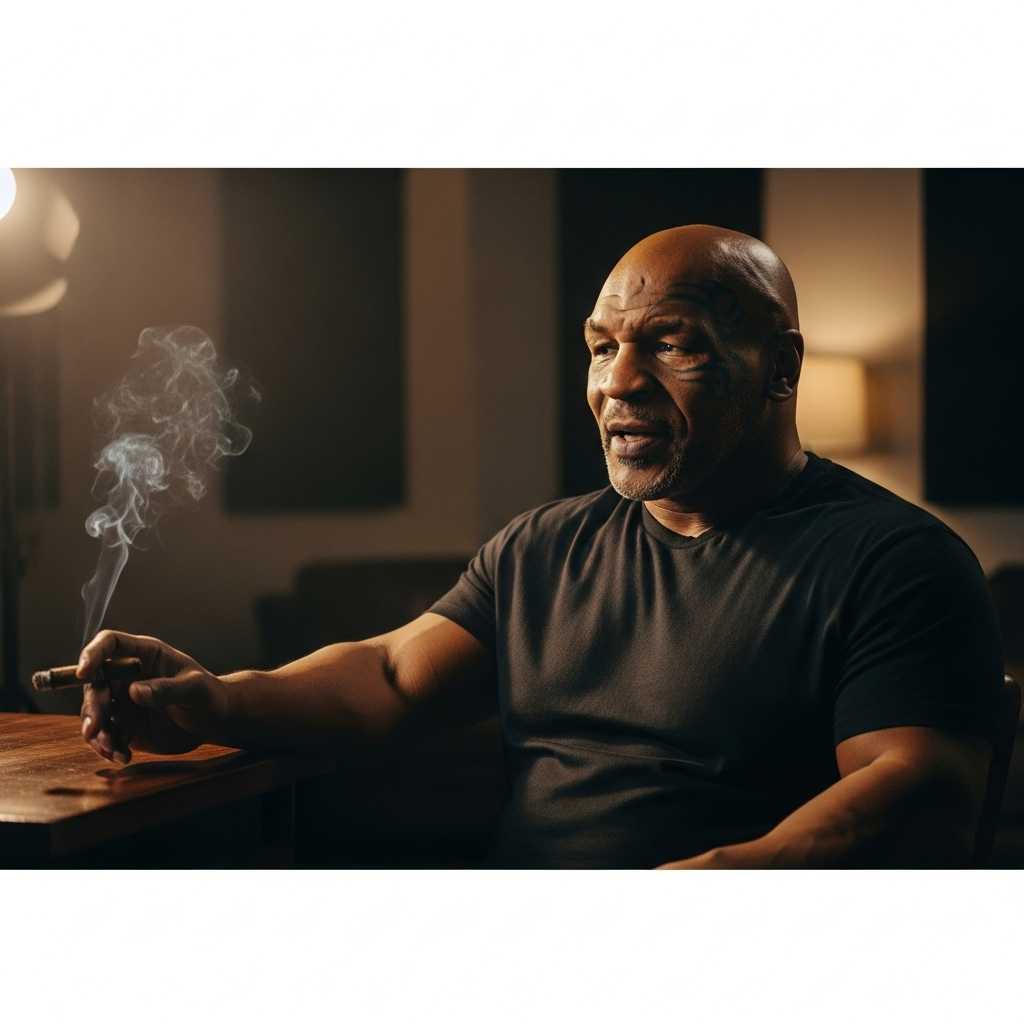
The danger, of course, is monumental. An accidental overdose on fentanyl is incredibly easy due to its potency. That Tyson used it and performed in a high-stakes boxing match is a testament to the risks he was willing to take—and a frightening look at the pressures that may exist behind the curtain of professional sports.
The Aftermath: Public Reaction and Tyson’s Legacy
The reaction to Tyson’s fentanyl admission was mixed. Many fans expressed shock and concern for his well-being, viewing it as another chapter in his long battle with personal demons. They saw it not as a moral failing but as a cry for help or, at the very least, a sign of the immense pain he was in. It added a layer of vulnerability to the invincible persona of “Iron Mike.”
Others were more critical, questioning the integrity of the Roy Jones Jr. fight. If one fighter was using a powerful opioid to mask a severe injury, did that create an unfair and unsafe advantage? It sparked a debate about drug testing and medical disclosures in exhibition bouts, which often have less stringent regulations than professional fights.
Ultimately, this admission does not erase his accomplishments, but it does complicate his legacy. Mike Tyson is not just a boxing icon; he is a cultural figure who represents the dualities of strength and fragility, discipline and chaos. This fentanyl confession fits perfectly within that complex narrative. It reminds us that behind the legend is a human being who has continually fought battles both inside and outside the ring.
His story continues to evolve, as seen in his upcoming fight against Jake Paul, which you can read more about here. Each new chapter adds another layer to one of the most fascinating figures in modern history.
The fentanyl admission serves as a stark reminder of the hidden costs of greatness and the very real dangers of the opioid crisis, which can affect anyone, even the “Baddest Man on the Planet.” It underscores the importance of mental health support and responsible pain management for athletes long after their careers have ended.
“`


