
Epstein Letter: 5 Facts About the Alleged Trump Signature
A sensational document, known widely as the Epstein letter, has once again captured the internet’s attention, purporting to be a personal note from Donald Trump to the late Jeffrey Epstein. The letter, filled with informal praise and signed with a familiar scrawl, has fueled endless speculation. However, a closer look reveals a story more about digital disinformation than political scandal. This article separates fact from fiction, exploring five crucial facts you need to know about the alleged Trump signature and the letter it’s attached to.
1. The Origin and Dubious Content of the Letter
The alleged letter is not a new discovery. It has been circulating on the internet for years, often appearing on fringe forums like 4chan and social media platforms whenever Jeffrey Epstein is in the news. The document is dated December 10, 1994, and is addressed to “Jeff.”
The content is strikingly informal. It reads, “Jeff, Great time last night, as always. You have a real knack for picking ’em. See you in Palm Beach next week. Your friend, Donald.” This casual and somewhat incriminating tone is one of the first red flags. There is no known primary source for this letter; it has never been produced in any court proceeding, official investigation, or mainstream journalistic report. Its entire existence seems confined to viral social media posts.
The lack of a verifiable origin is the most significant issue. Genuine historical documents typically have a clear provenance—a record of ownership and custody. This letter has none, making it impossible to authenticate through traditional means.
2. Why Experts Question the Trump Signature
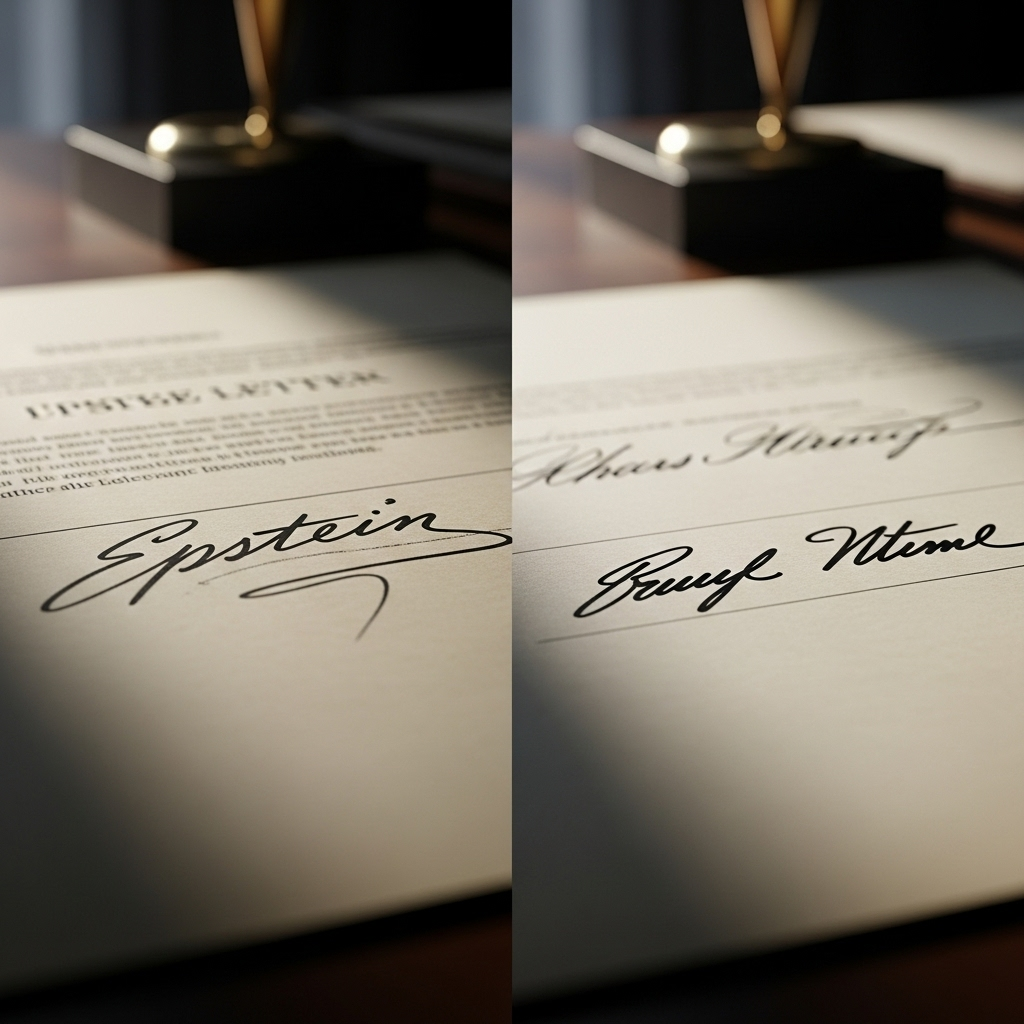
While Donald Trump’s signature is one of the most recognizable in the world, the one on the alleged Epstein letter raises serious doubts among analysts. Trump’s signature is known for its sharp, jagged, and almost seismograph-like appearance. It’s aggressive and highly stylized.
Forensic document examiners who have informally commented on the viral image note several discrepancies. The signature on the letter appears somewhat softer and more rounded than authentic examples from the same era. Key characteristics, such as the pressure, slant, and the specific formation of the “D” and “T,” do not align perfectly with known, verified signatures from Trump.
While signatures can evolve over time and vary based on context, the combination of inconsistencies in the letter’s signature has led many to conclude it is likely a forgery. It captures the general shape but misses the nuanced details that a trained eye would expect to see.
3. Debunked by Major Fact-Checking Organizations
You don’t have to take our word for it. Major, independent fact-checking organizations have thoroughly investigated the Epstein letter and have come to the same conclusion: it’s unproven at best, and likely a fabrication.
Organizations like Snopes, Reuters, and PolitiFact have all published articles debunking the letter’s authenticity. Their investigations highlight the same core problems: the complete lack of a credible source, the letter’s suspicious origins on anonymous internet forums, and the inconsistencies in the signature and content.
For example, a Reuters Fact Check from 2022 explicitly stated there was “no evidence” the letter was real. These organizations are crucial resources for verifying information, and their consensus on this issue is a powerful indicator that the letter is not what it claims to be.
4. The ‘Epstein Letter’ as a Case Study in Disinformation
The persistence of the **epstein letter** is a perfect example of how disinformation operates in the 21st century. The document is emotionally charged, involves famous and controversial figures, and confirms pre-existing biases for those who are politically opposed to Donald Trump.
This phenomenon, known as confirmation bias, makes people more likely to accept and share “evidence” that supports their worldview without critically evaluating its source. Social media algorithms, which are designed to promote engagement, often amplify sensational and provocative content, regardless of its accuracy. A fake letter about Trump and Epstein is far more likely to go viral than a nuanced fact-check debunking it.
Understanding this dynamic is key. The story of this letter is less about its content and more about its function as a tool of political warfare and digital misinformation. For more on this, you can read our guide on how to spot online misinformation.
5. The Actual, Documented Trump-Epstein Relationship
While the letter is fake, it’s important to note that Donald Trump and Jeffrey Epstein did have a documented association. Acknowledging this reality is crucial for a complete picture, separating fabricated evidence from historical fact.
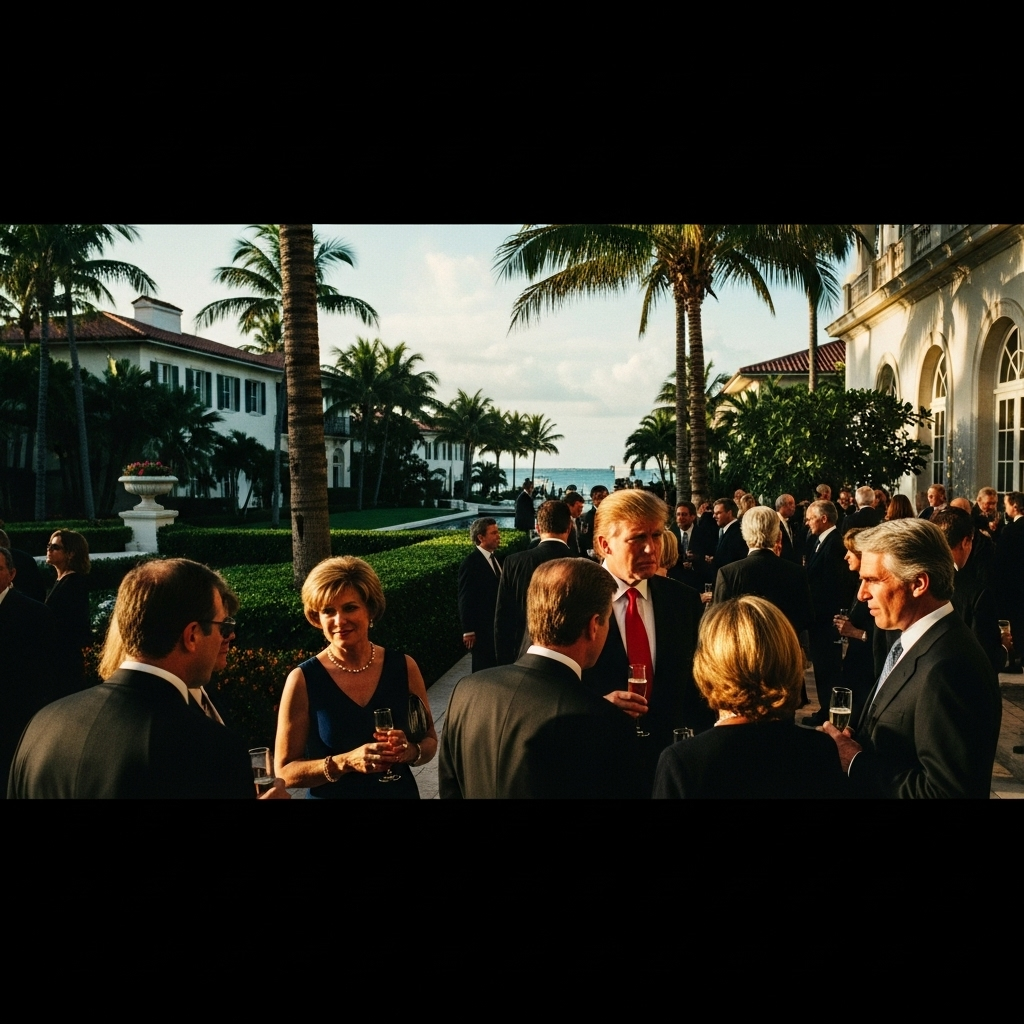
The two men were known to socialize in the same elite circles in New York and Palm Beach during the 1990s and early 2000s. The most cited piece of evidence of their acquaintance is a 2002 interview with New York Magazine in which Trump described Epstein as a “terrific guy.” He was quoted as saying, “He’s a lot of fun to be with. It is even said that he likes beautiful women as much as I do, and many of them are on the younger side.”
However, reports and statements also indicate the two had a falling out. Following Epstein’s 2008 conviction for soliciting a minor, their association appears to have ended. In 2019, Trump stated that he was “not a fan” of Epstein and had banned him from his Mar-a-Lago club years prior. This documented history is complex, but it exists entirely separate from the fabricated letter circulating online.
Conclusion: Separating Fact from Fiction
In the digital age, seeing isn’t always believing. The alleged Epstein letter is a powerful reminder to approach sensational online claims with a healthy dose of skepticism. The five facts are clear: the letter has no verifiable origin, the signature is highly questionable, fact-checkers have widely debunked it, and its primary value is as a piece of effective disinformation.
By focusing on the documented, public-record history between Trump and Epstein, we can have a more honest conversation—one that isn’t derailed by forged documents designed to inflame and mislead. Always check the source before you share.
“`


