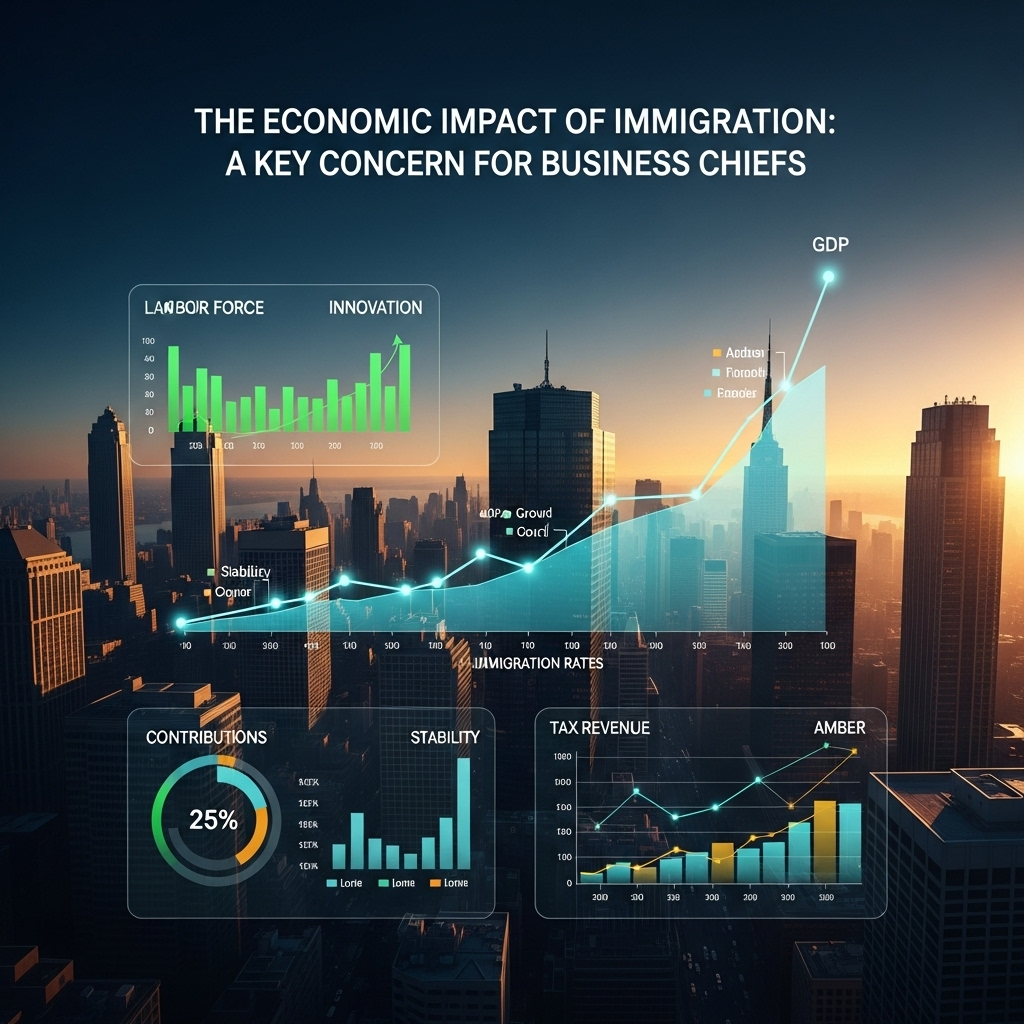
Business Chiefs: 100+ Urge Trump to Ease Immigration
In a significant and coordinated move, a coalition of over 100 prominent business chiefs from across the American economic landscape has issued a direct appeal to the Trump administration, urging a substantial easing of current immigration restrictions. The letter, signed by CEOs and top executives from the technology, manufacturing, retail, and agricultural sectors, argues that restrictive policies are stifling economic growth, exacerbating labor shortages, and threatening the United States’ position as a global leader in innovation.
The Core of the Appeal: Economic Growth at Stake
The central message from this powerful group of executives is clear: America’s economic prosperity is intrinsically linked to a functional and flexible immigration system. The letter emphasizes that current policies, which have tightened pathways for both high-skilled and essential workers, are creating critical bottlenecks in the supply chain and hindering expansion plans for companies of all sizes.
Many signatories contend that they are unable to fill crucial roles, from software engineers to farmworkers, due to lengthy visa processing times and restrictive caps. “We are facing a talent crisis,” one passage of the letter states. “We are prepared to invest, expand, and create more jobs for Americans, but we cannot do so without access to the global talent pool.” This sentiment reflects a growing concern within the business community that the U.S. is at risk of falling behind international competitors who are actively courting skilled immigrants.

Who Are the Business Chiefs Leading the Charge?
While the full list of signatories has been shared with the administration, several high-profile names have publicly confirmed their participation. The coalition includes leaders from Silicon Valley giants, who have long advocated for reforms to the H-1B visa program, as well as heads of major manufacturing firms in the Midwest who are struggling to find skilled labor for their factories.
Notably, the group is not limited to traditional tech and coastal elites. It also includes leaders from the agricultural sector in states like California and Texas, and heads of major hospitality corporations. This broad representation is a strategic effort to demonstrate that the need for immigration reform is not a niche issue but a widespread economic necessity. These business chiefs believe their collective voice will carry more weight than individual corporate pleas.
The effort was reportedly coordinated by a consortium of industry groups, including the U.S. Chamber of Commerce and the Business Roundtable, which have been lobbying for a more pragmatic approach to immigration for years.
Specific Policy Changes Demanded by the Coalition
The letter doesn’t just voice concern; it outlines a series of specific, actionable policy recommendations. The executives are calling on the administration to take immediate administrative action to streamline the legal immigration system. Key demands include:
- Expanding High-Skilled Visas: A significant increase in the annual cap for H-1B visas, which are critical for tech and STEM fields, and creating a more streamlined path to permanent residency for these professionals.
- Reforming the Green Card Process: Addressing the decades-long backlogs for employment-based green cards, particularly for individuals from countries like India and China. The business chiefs argue that this “brain drain” forces talented individuals to take their skills to other countries.
- Creating a Viable Guest Worker Program: Establishing a flexible, market-driven visa program for essential workers in non-agricultural sectors like construction, hospitality, and healthcare to address critical labor shortages.
- Providing Certainty for “Dreamers”: Urging a permanent legislative solution for individuals in the Deferred Action for Childhood Arrivals (DACA) program, many of whom are employed by the companies represented in the letter.
These proposals, the letter argues, are not about open borders but about “a strategic, modern, and efficient immigration system” that serves the nation’s economic interests. For a deeper dive into visa statistics, you can read our analysis on H-1B visa trends.

The Economic Argument: Filling Labor Gaps and Fostering Innovation
The economic case presented by the business leaders is twofold. First, it addresses the immediate crisis of labor shortages. With an aging domestic workforce and a low unemployment rate in many specialized fields, companies report that they simply cannot find enough workers to meet consumer demand. This directly impacts production, service delivery, and contributes to inflationary pressures.
Second, the executives highlight the role of immigrants as drivers of innovation and entrepreneurship. They point to studies showing that immigrants are disproportionately likely to start businesses and file patents. “Immigrants are not just workers; they are job creators,” the letter asserts. By limiting the influx of talented and ambitious individuals, the U.S. is not just losing employees but also future entrepreneurs who could build the next generation of American companies.
The letter cites that nearly half of all Fortune 500 companies were founded by immigrants or their children, a statistic often used to underscore the economic dynamism that immigration brings to the country. The argument is that a restrictive stance is, in effect, a self-inflicted wound on American competitiveness.
Political Hurdles and the Administration’s Stance
Despite the powerful economic arguments, the appeal from the business chiefs faces a steep political climb. The Trump administration has historically maintained a hardline stance on immigration, prioritizing border security and a reduction in overall immigration numbers. The administration’s base is highly motivated by this issue, making any perceived softening a politically risky maneuver.
Skeptics argue that the administration is unlikely to make significant concessions, especially through executive action that could be seen as circumventing Congress. The prevailing view in the White House has been that American workers should be prioritized for all jobs, and that companies should focus on training the domestic labor force rather than relying on foreign talent.
However, the sheer scale and diversity of the business coalition could force the administration to reconsider, or at the very least, engage in a dialogue. The letter represents a direct plea from a core Republican constituency—the business community. How the administration navigates this pressure from powerful allies while adhering to its cornerstone political promises will be a defining challenge in the coming months.