
Government Buildings: 3 Cities Targeted by Gen Z Protests
A new wave of activism is sweeping the nation, and its focal points are increasingly the iconic stone and marble facades of our cities’ most prominent government buildings. Generation Z, a demographic known for its digital fluency and passion for social change, is moving its protests from online forums to the physical steps of power. These digitally-native activists are using social media platforms like TikTok and Instagram not just to raise awareness, but to organize sophisticated, high-visibility demonstrations that target the very symbols of legislative power.
This shift signifies a powerful evolution in protest tactics. While previous generations gathered in public squares, Gen Z is strategically choosing locations that are impossible to ignore. They understand that a protest in front of a state capitol or a federal courthouse carries a unique weight, ensuring media coverage and directly confronting lawmakers. Let’s explore three cities where this trend is making a significant impact.
Table of Contents
Why Government Buildings in Sacramento Are a New Flashpoint
In Sacramento, California, the majestic State Capitol building has become a primary stage for youth-led demonstrations. For decades, this building has been a symbol of governance, but now it’s a backdrop for Gen Z’s urgent calls for climate action. Organizers, many of them high school and college students, are using geo-targeted social media campaigns to coordinate “climate die-ins” and peaceful sit-ins on the Capitol’s sprawling front lawn.
What makes these protests different is their hybrid online-offline nature. A TikTok video showing a planned route to the Capitol can garner millions of views overnight, translating digital engagement into real-world presence. The core message is clear: policy decisions made inside these government buildings have real-world consequences for the planet, and this generation will not stand by silently. They are demanding that lawmakers pass more aggressive environmental protection laws and divest from fossil fuels.
The visual contrast is powerful—young protestors with handmade signs against the historic, formidable architecture of power. This imagery is highly shareable and effectively communicates their struggle against an entrenched system. These activists are not just shouting into the void; they are creating a sustained presence, forcing a dialogue with officials who work within those very walls. You can read more about youth activism in our article on youth voting trends.

The Digital Wave Hits Austin’s Government Buildings
Thousands of miles away in Austin, Texas, a similar story is unfolding, but with a different focus. Here, the Texas State Capitol and surrounding state agency buildings are the targets of protests centered on education reform and student debt. Texas has one of the largest student populations in the country, and Gen Z is feeling the immense pressure of rising tuition costs and a challenging job market.
Protestors in Austin are masters of the “digital swarm.” Using encrypted messaging apps and shared social media calendars, groups can materialize for a protest with very little advance public notice, catching authorities off guard. They often livestream the events, providing real-time commentary and reaching a global audience. This tactic transforms a local protest into a national conversation, putting immense pressure on state legislators.
The choice of targeting specific government buildings in Austin is highly strategic. Protests aren’t just at the main Capitol; smaller, more focused demonstrations are held outside the Texas Higher Education Coordinating Board. This shows a sophisticated understanding of the bureaucratic landscape. They are not just protesting for a vague sense of “change”; they are going directly to the source of the policies they want to see reformed. According to the Pew Research Center, Gen Z is the most educated and diverse generation in history, a fact reflected in their well-researched and targeted activism.

Albany’s Youth Demand Change at Key Government Buildings
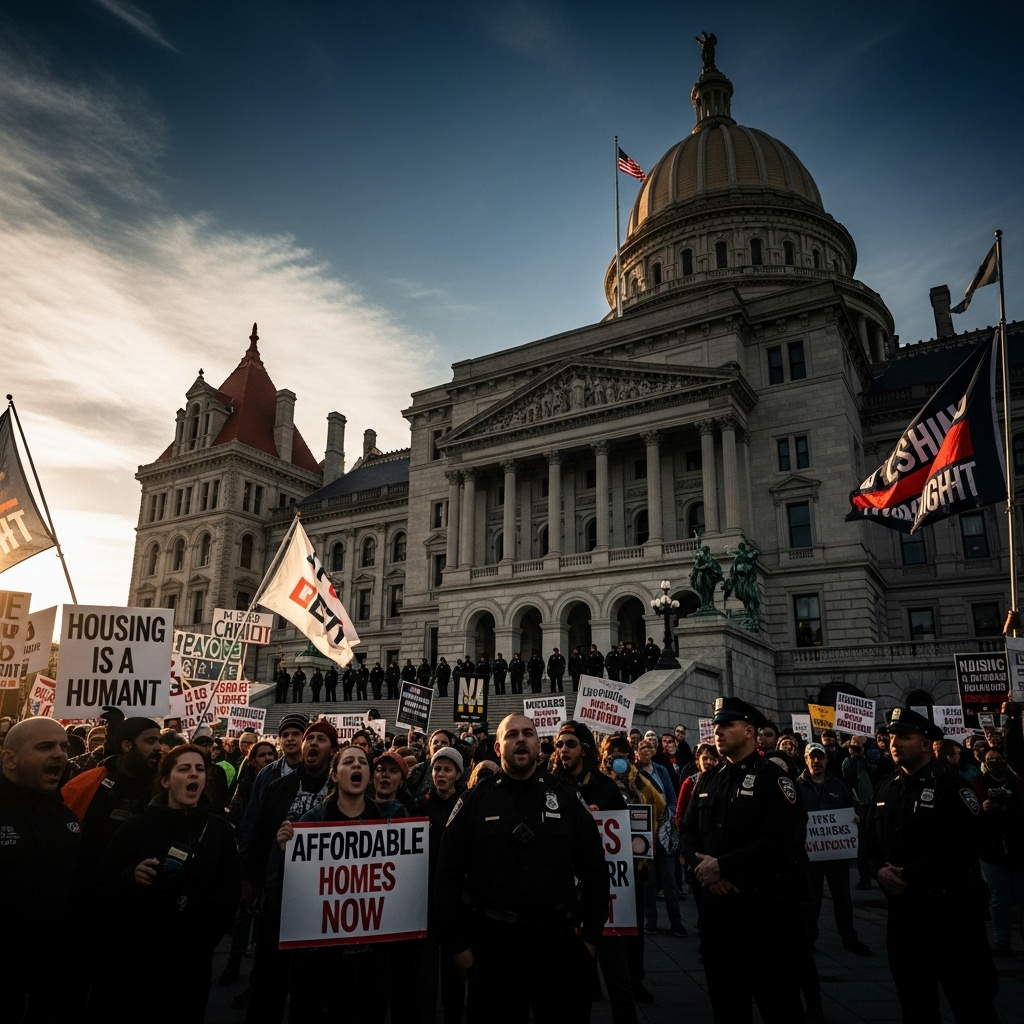
In the Northeast, Albany, New York, is seeing its historic government buildings, including the Empire State Plaza and the New York State Capitol, become hubs of youth activism. The primary drivers here are affordable housing and workers’ rights. As rental prices in New York State soar, young people find themselves priced out of the communities they grew up in. They are taking their frustration to the place where rent regulation and labor laws are written.
The protests in Albany are characterized by a strong coalition-building effort. Gen Z organizers are working alongside tenant unions and labor groups, bridging generational gaps. They use their digital skills to amplify the messages of these established organizations, creating compelling visual stories for social media that highlight personal struggles with housing insecurity. This intergenerational collaboration is a powerful force, combining the energy and digital savvy of youth with the experience and resources of older activists.
By focusing on the physical government buildings, they are making an abstract issue—the housing crisis—tangible. They are saying that the decisions made by the people working in these offices directly impact their ability to have a stable future. The protests are a visual reminder to legislators that their votes have consequences that are felt deeply across the state.
What This Means for the Future of Protests
The trend of targeting government buildings is more than just a logistical choice; it’s a symbolic one. These structures are meant to represent the power and stability of the people’s government. By protesting on their steps, Gen Z is re-appropriating that symbolism. They are asserting that they are the people, and the government inside should be responsive to their will.
This movement highlights a key paradox of the modern age: even as our lives become more digital, the importance of physical space and symbolic locations has not diminished. If anything, it has grown. A protest in front of a government building provides a gravity and legitimacy that a purely online campaign can lack. It demonstrates commitment, courage, and a collective will that is impossible for lawmakers and the media to ignore.
As Gen Z continues to flex its political muscle, we can expect to see more of these highly coordinated, visually compelling protests. The iconic government buildings that dot our nation’s cities will no longer be just quiet monuments to power, but active, vibrant arenas for democratic expression and the fight for a better future.


