
Josh O’Connor & 1,200 Stars Boycott Israeli Film Funds
In a significant move rippling through the international film community, Golden Globe winner Josh O’Connor has joined a coalition of over 1,200 artists in a pledge to boycott state-sponsored Israeli film funds. The initiative, titled “Cinema for Gaza,” calls for a withdrawal of collaboration with these funds until Israel complies with international law and ends what the signatories describe as its “decades-long military occupation and apartheid policies.”
The pledge represents one of the most substantial collective actions by film industry professionals in recent years, placing high-profile figures like O’Connor at the forefront of a contentious political debate. This action moves beyond simple statements, targeting the financial infrastructure that supports a significant portion of Israel’s internationally acclaimed cinema.
What the “Cinema for Gaza” Boycott Demands
The open letter, signed by a diverse group of actors, directors, writers, and producers, outlines a clear and specific goal. The signatories have pledged to refuse any funding from or professional collaboration with Israeli cultural institutions that are state-sponsored. This includes prominent bodies like the Israel Film Fund and the Rabinovich Foundation for the Arts, which are instrumental in financing many Israeli film and television projects.
The letter states, “We can no longer remain silent in the face of the grave injustices and human rights violations endured by Palestinians. Art should not be a tool for normalization or a distraction from oppression.” The artists argue that these government-backed funds are complicit in whitewashing the state’s actions on the world stage.
This is not a blanket boycott of individual Israeli filmmakers. The pledge’s authors have been careful to emphasize that the target is the state-sponsorship apparatus, not the artists themselves. “Our aim is to pressure the Israeli government, not to silence our Israeli colleagues who share our commitment to justice and equality,” the letter clarifies. This distinction is a crucial part of their strategy, aiming to foster solidarity with like-minded Israeli creatives.
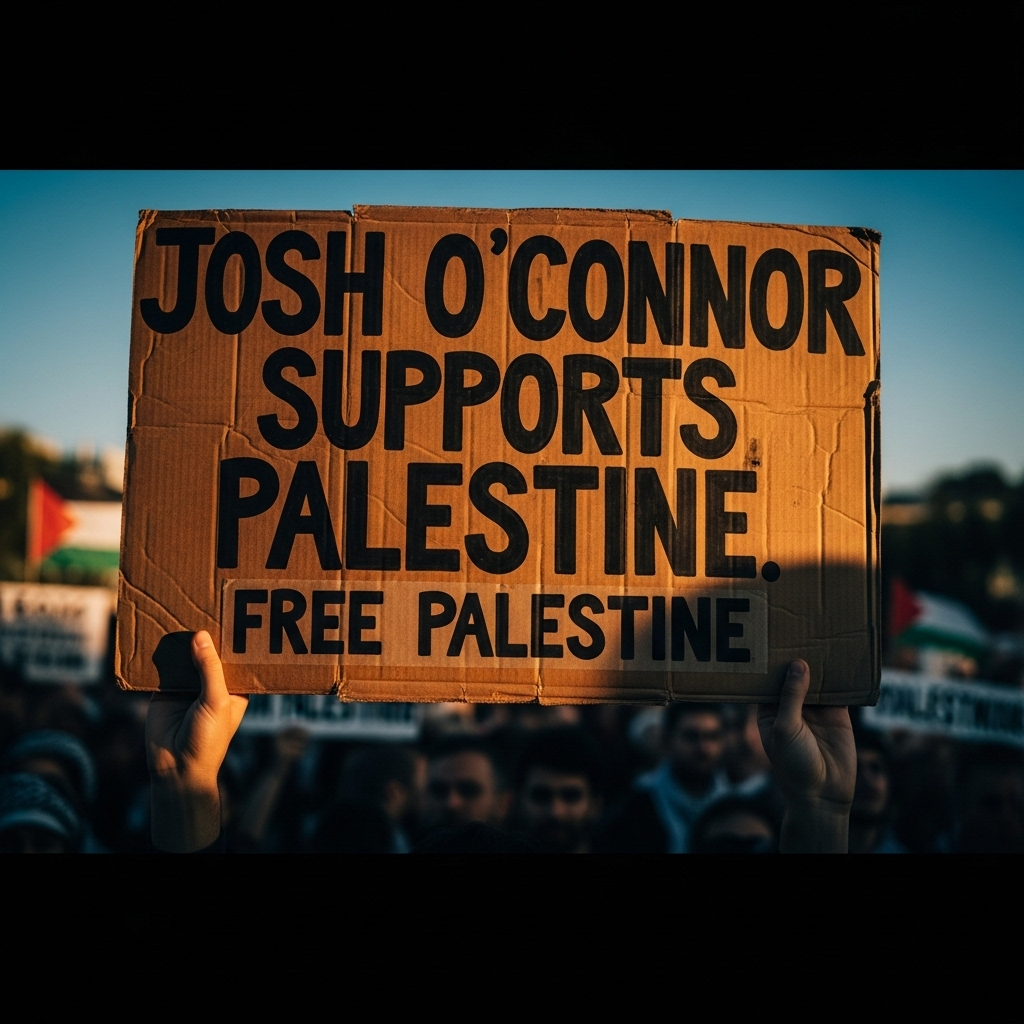
Why Josh O’Connor’s Involvement Matters
While the list of 1,200+ signatories is powerful in its own right, the participation of stars with the global recognition of Josh O’Connor brings a new level of media attention and mainstream visibility to the cause. Fresh off critically acclaimed roles in “Challengers” and his Emmy-winning performance in “The Crown,” O’Connor is one of Hollywood’s most sought-after actors.
His decision to publicly align with the boycott is a significant career move, demonstrating a willingness to engage in celebrity-driven political activism that carries potential professional risks. For the “Cinema for Gaza” campaign, O’Connor’s name provides immense credibility and amplifies their message far beyond niche activist circles.
He is joined by other influential figures such as Tilda Swinton, Mike Leigh, Ken Loach, and Miriam Margolyes, creating a formidable bloc of artistic talent. However, as a younger, ascendant star, Josh O’Connor’s participation signals a generational shift and may encourage other rising talents to take similar public stances.

The Broader Context of Cultural Boycotts
This action is part of a long history of using cultural boycotts as a tool for non-violent political pressure. The most famous example is the cultural boycott of apartheid South Africa, which is often cited by activists as a successful precedent. This new pledge aligns with the principles of the broader Boycott, Divestment, and Sanctions (BDS) movement, a Palestinian-led effort to pressure Israel.
However, such boycotts are not without their critics. Opponents argue that cultural and academic boycotts stifle free speech and shut down opportunities for dialogue. They contend that art should be a bridge between people and that penalizing an entire nation’s film industry unfairly punishes artists who may be critical of their own government. These critics believe that engagement, not isolation, is the key to fostering understanding and change.
Proponents, including Josh O’Connor and his fellow signatories, counter that in this specific context, engagement with state-funded institutions serves to normalize an unjust status quo. They argue that when state funds are used to promote a country’s image abroad while that same state is accused of severe rights violations, art ceases to be a neutral bridge and becomes part of a political strategy.
Response From the Film Industry and Targeted Funds
The reaction from the targeted Israeli film funds has been swift. In a joint statement, several funds condemned the boycott as “misguided and counterproductive.” The statement read, “We are champions of artistic freedom and provide a platform for a multitude of voices, including many that are fiercely critical of government policy. To boycott us is to silence the very dissent you claim to support.”
They argue that their funding decisions are based on artistic merit, not political alignment, and that they have supported numerous films that explore the complexities of the Israeli-Palestinian conflict from diverse perspectives. This defense highlights the central conflict: whether these funds are instruments of state policy or independent champions of art.
The wider film industry remains divided. While some production companies and festivals may quietly heed the boycott to avoid controversy, others will likely ignore it, prioritizing creative partnerships. The pledge’s real impact will be measured in the coming months, as filmmakers with new projects face decisions about where to seek funding and which collaborations to pursue.
For now, the boycott has undeniably succeeded in forcing a difficult conversation within the global film community. The involvement of a star as prominent as Josh O’Connor ensures that this conversation will not be easily dismissed. It places the ethics of creative collaboration squarely under the spotlight, asking artists and audiences alike to consider the political implications of the art they create and consume.

“`


