
Lossless Music: Spotify HiFi Arrives in 2024 for Users
Table of Contents
- What is Lossless Music and Why Does It Matter?
- Spotify’s Journey to HiFi: A Timeline of Anticipation
- Unpacking the “Supremium” Tier: The Future of Lossless Music on Spotify
- How Does Spotify’s Lossless Offering Compare to Competitors?
- Do You Need Special Equipment for Lossless Audio?
- Is Upgrading to Spotify HiFi Worth It?
After years of anticipation, rumors, and near-misses, the wait is finally over. Spotify has officially rolled out its long-awaited high-fidelity audio tier, bringing lossless music to its massive global user base. This move, which places Spotify in direct competition with services like Apple Music and Amazon Music HD, marks a pivotal moment for digital audio streaming and for the millions of listeners who have been clamoring for a higher-quality experience from the world’s most popular streaming platform.
The new tier, internally codenamed “Supremium,” is more than just a sound quality upgrade; it represents a fundamental shift in Spotify’s strategy, aiming to capture the discerning audiophile market and solidify its position as the leader in music streaming. But what does this mean for the average user? Let’s dive in.
What is Lossless Music and Why Does It Matter?
To understand the excitement, it’s essential to grasp what “lossless” actually means. For years, the standard for music streaming has been “lossy” compression. Formats like MP3 or Spotify’s own Ogg Vorbis compress audio files by removing parts of the sound data that the human ear is least likely to notice. This makes files smaller and easier to stream over limited internet connections.
The trade-off, however, is a loss of detail. While convenient, lossy audio is a compromised version of the original studio recording.
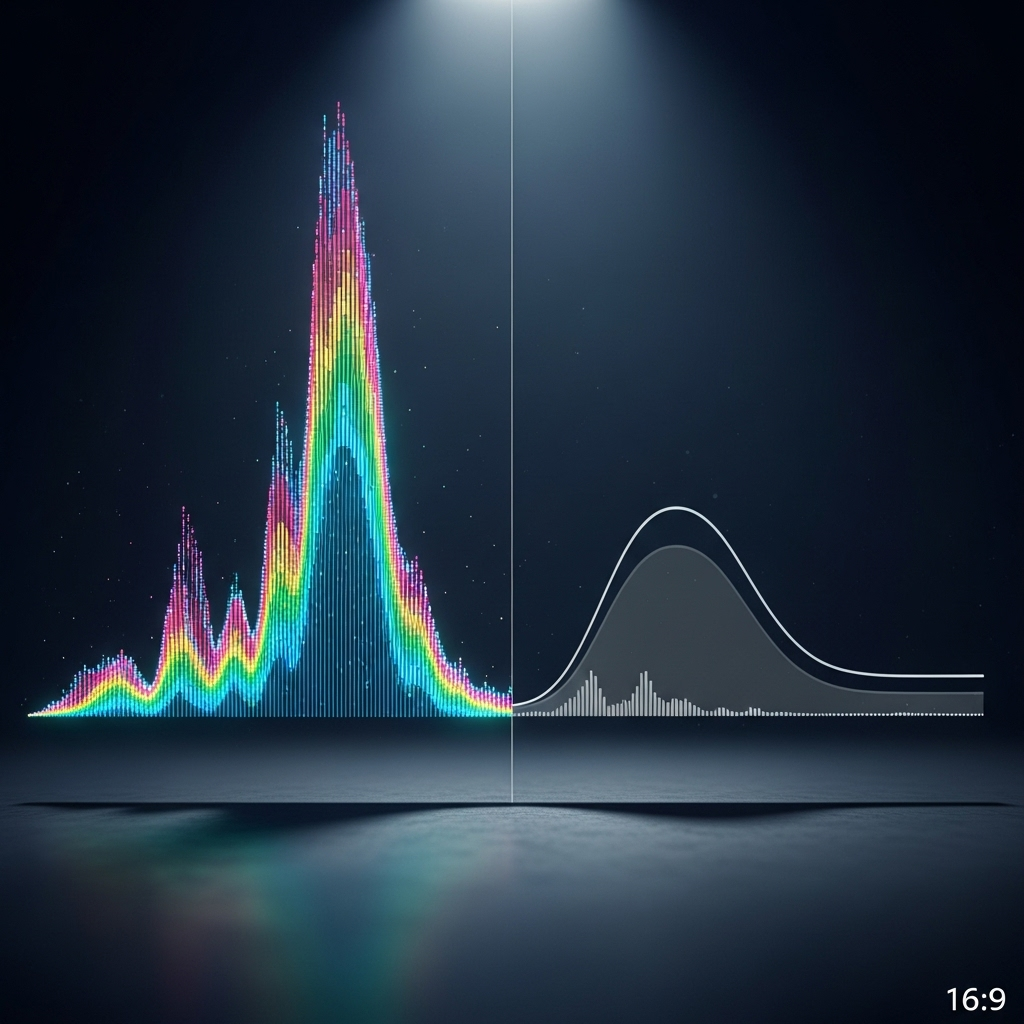
Lossless music, on the other hand, uses compression techniques that preserve every single bit of the original audio data. When you listen to a lossless file, it’s like hearing the music exactly as the artist and engineers intended it in the studio. The audio is bit-for-bit identical to the master recording. This results in:
- Greater Dynamic Range: The difference between the quietest and loudest parts of a song is more pronounced, making the music feel more alive and impactful.
- Enhanced Clarity and Detail: You can hear subtle details you might have missed before—the delicate breath of a singer, the faint reverb of a drum, or the complex texture of a synthesizer.
- A Fuller, Richer Sound: The overall soundstage feels wider and more three-dimensional, providing a truly immersive listening experience.
Think of it like the difference between a standard-definition TV and a 4K Ultra HD display. Both show you the picture, but the 4K version reveals a level of detail and depth that makes the image come to life. That’s the promise of lossless audio for your ears.
Spotify’s Journey to HiFi: A Timeline of Anticipation
The road to Spotify HiFi has been a long and winding one. The company first announced “Spotify HiFi” back in February 2021, promising “CD-quality, lossless audio” would arrive later that year. Fans were ecstatic, but the year came and went with no launch.
The delay was puzzling, especially as competitors like Apple Music and Amazon Music began offering lossless audio to their subscribers at no extra cost. This move effectively disrupted the market, forcing Spotify to re-evaluate its pricing and strategy. For years, the project seemed to be in limbo, with only occasional code leaks and rumors keeping hope alive.
Fast forward to late 2023 and early 2024, when more concrete evidence began to surface. Code discovered within the Spotify app pointed to a new, more expensive tier dubbed “Supremium,” which would bundle lossless music with other premium features. Now, in the latter half of 2024, the “Supremium” tier is officially here, finally delivering on a promise made years ago.
Unpacking the “Supremium” Tier: The Future of Lossless Music on Spotify
The new top-tier plan is more than just a simple quality boost. Spotify has positioned its HiFi offering as a complete premium package. The centerpiece is, of course, the access to lossless music, delivered in 24-bit FLAC format. This goes beyond standard CD-quality (16-bit/44.1 kHz) and into the realm of high-resolution audio, offering an even more detailed listening experience.
Beyond the pristine sound, the “Supremium” tier also includes several other exclusive features:
- Advanced AI Playlist Generation: Tools that allow users to create highly personalized playlists based on mood, activity, or even specific prompts.
- Expanded Audiobook Access: A significant increase in the number of free listening hours for audiobooks each month.
- Sophisticated Mixing Tools: Features that let users create custom transitions between tracks and filter song lists by beats per minute (BPM).
This bundled approach is Spotify’s answer to the challenge posed by its competitors. Instead of just matching the free lossless upgrade, Spotify is betting that users will pay a premium for a superior, all-in-one experience that combines the best audio quality with innovative features.

How Does Spotify’s Lossless Offering Compare to Competitors?
With Spotify entering the fray, the lossless streaming market is more competitive than ever. Here’s a quick breakdown of how Spotify’s new tier stacks up:
- Spotify “Supremium”: Offers 24-bit lossless audio as part of a premium-priced bundle. Its key advantage is its industry-leading user interface, massive user base, and powerful recommendation algorithms, now enhanced with pristine sound.
- Apple Music: Provides its entire catalog in lossless (up to 24-bit/192 kHz) at no additional cost to subscribers. It’s an incredible value, especially for those already in the Apple ecosystem.
- Amazon Music HD: Similar to Apple, Amazon offers lossless and Ultra HD audio at no extra charge for Amazon Music Unlimited subscribers.
- Tidal: The original champion of high-fidelity streaming, Tidal offers both HiFi (CD-quality) and HiFi Plus (up to 24-bit/192 kHz and innovative formats like MQA and Dolby Atmos) tiers, targeting dedicated audiophiles.
Spotify’s main challenge will be convincing users to pay more for a feature that its biggest rivals offer for free. The success of “Supremium” will depend on whether customers see value in the additional features bundled with the lossless music experience.
Do You Need Special Equipment for Lossless Audio?
This is a critical question for anyone considering the upgrade. The simple answer is: yes, to an extent. While you can play lossless files through any pair of headphones or speakers, you won’t hear the full benefit without the right gear. Read our guide to the best headphones for audiophiles for some ideas.
The biggest bottleneck for many will be Bluetooth. Standard Bluetooth compresses audio, meaning you’ll lose the very detail that makes lossless special. To truly appreciate Spotify HiFi, you’ll need:
- Wired Headphones or Speakers: A good pair of wired, over-ear headphones or a quality stereo system is the best way to experience the full dynamic range and clarity of lossless tracks.
- A DAC (Digital-to-Analog Converter): While your phone and laptop have built-in DACs, a dedicated external DAC can process high-resolution audio with much greater fidelity, resulting in a cleaner, more detailed sound.
You don’t need to spend thousands of dollars, but investing in decent wired headphones is the most important first step to unlocking the potential of lossless music.

Is Upgrading to Spotify HiFi Worth It?
The decision to upgrade ultimately comes down to your listening habits and priorities. If you are a dedicated audiophile who has been waiting for Spotify to finally catch up on quality, the answer is a resounding yes. The ability to access your meticulously curated playlists and Spotify’s discovery engine in full, uncompromised audio quality is a game-changer.
If you’re a casual listener who primarily uses Bluetooth earbuds on your commute, the difference may not be as noticeable, and the extra cost might be hard to justify. However, if you have a decent home audio setup or a good pair of wired headphones and a passion for music, upgrading to Spotify’s “Supremium” tier could fundamentally change how you listen to your favorite songs.
Spotify’s entry into the world of lossless music has been a long time coming, but its arrival is set to make high-fidelity audio more accessible and popular than ever before. It’s a great day for music lovers everywhere.
“`


