
‘Block Everything’ Protests: France Sees 100s Arrested
In This Article:
France has been brought to a standstill as the burgeoning ‘block everything’ protests escalate, leading to major disruptions across the nation’s infrastructure and culminating in hundreds of arrests. What began as a targeted demonstration by agricultural and transport unions has morphed into a widespread movement, with citizens erecting blockades on major highways, at ports, and around key distribution centers, causing chaos for commuters and supply chains alike.
The French government, facing immense pressure to restore order, has deployed a significant police presence, leading to tense confrontations and clashes. Interior Minister Gérald Darmanin confirmed that over 400 individuals have been arrested in connection with the illegal blockades as of Wednesday morning. The situation remains volatile as protest organizers vow to continue their actions until their demands are met.
What Sparked the ‘Block Everything’ Protests?
The roots of the current ‘block everything’ protests can be traced back to a confluence of long-simmering grievances. The initial spark came from farmers’ unions, who have been protesting for months against rising fuel costs, low-cost foreign imports, and what they describe as crippling environmental regulations imposed by both Paris and the EU. They argue these policies make it impossible for them to compete fairly and threaten their livelihoods.
“We are being strangled by red tape and unfair competition,” said Jean-Marc, a farmer from Normandy who joined a blockade near Le Havre. “We have to ‘block everything’ because nobody was listening when we were just talking.”
This discontent quickly found common cause with other sectors. Trucking unions joined the movement, citing similar frustrations over fuel taxes and the rising cost of operations. Soon after, disillusioned citizens, angered by inflation and the perceived disconnect between the government and the working class, began joining the blockades. The movement’s name, “Opération Tout Bloquer” (Operation Block Everything), perfectly captures its decentralized, catch-all nature, attracting a wide array of groups with various demands but a shared sense of frustration.
Nationwide Disruption: A Look at the Blockades
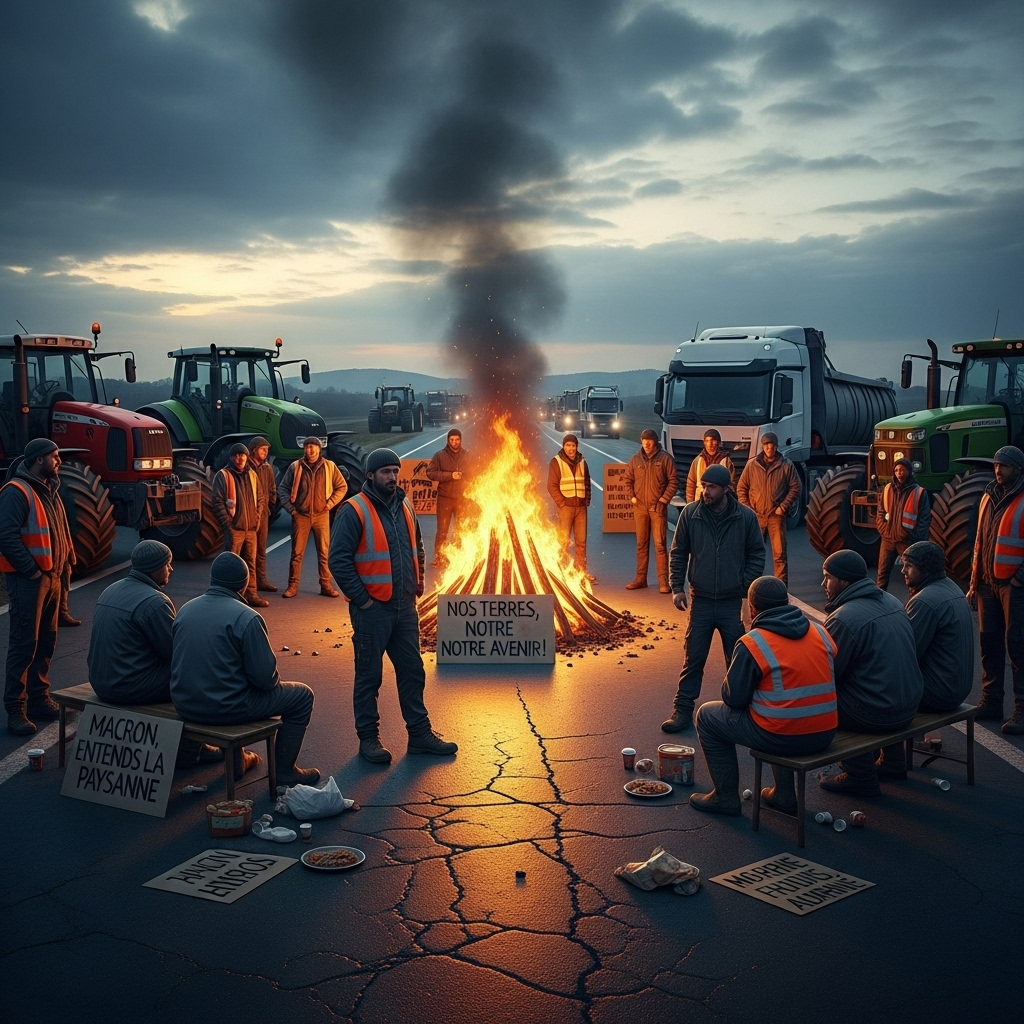
The impact of the protests has been felt from coast to coast. Major arterial highways, including the A1 connecting Paris to Lille and the A7 leading south to Marseille, have been intermittently paralyzed. Protestors have used tractors, trucks, and makeshift barriers to create “points de blocage” (blocking points), causing traffic jams that stretch for kilometers.
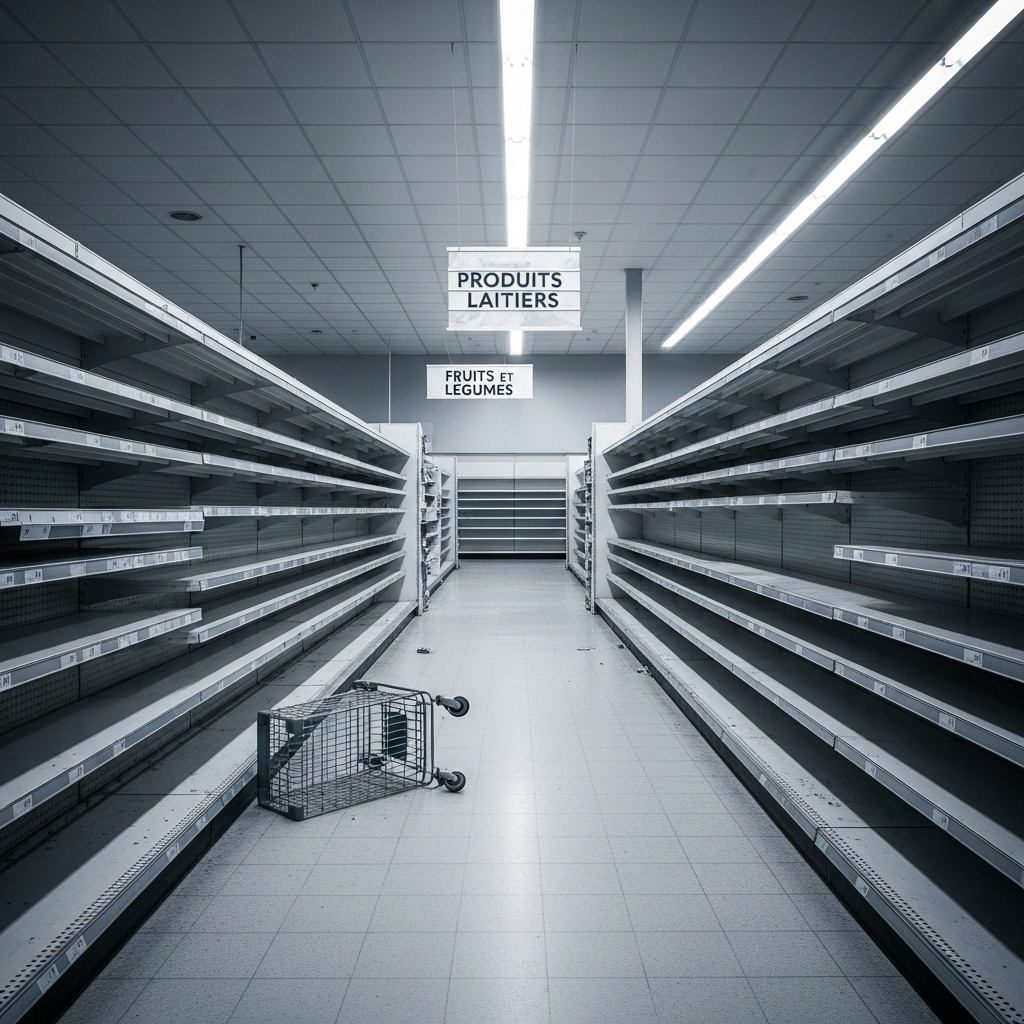
Strategic locations have been targeted to maximize economic pressure. Key ports such as Calais and Marseille have seen their access roads obstructed, halting the flow of goods to and from the UK and North Africa. Furthermore, demonstrators have set up blockades around major supermarket distribution hubs, raising concerns about potential food shortages if the situation persists. Reports from across the country show empty shelves in some stores, as highlighted by a recent Reuters report on European supply chain issues.
The scenes on the ground are a mix of determination and disruption. While many protestors are peaceful, frustration among stranded motorists has led to heated exchanges. The government has issued warnings for citizens to avoid all non-essential travel in affected regions.
Government Response and Mass Arrests
Initially adopting a cautious approach, the French government’s tone has hardened as the blockades have intensified. President Emmanuel Macron’s administration has stated that while the right to protest is protected, infringing on the freedom of movement and crippling the economy is unacceptable. “The right to demonstrate does not mean the right to block, to loot, or to endanger the lives of our fellow citizens,” the Interior Minister stated in a press conference.
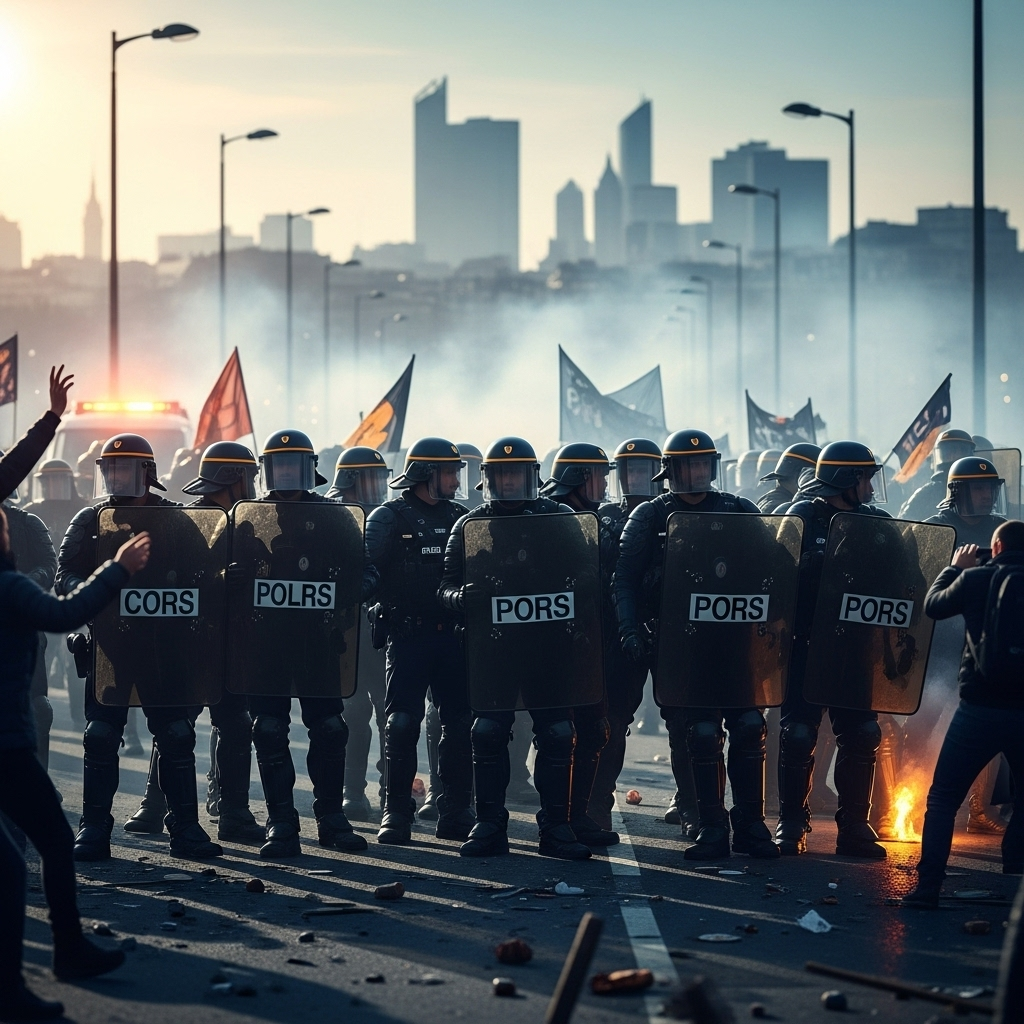
In response, thousands of gendarmes and riot police have been deployed to dismantle the blockades. The operations have, in some cases, resulted in clashes, with police using tear gas to disperse crowds who resisted orders to clear the roads. The ‘block everything’ protests have now become a significant law and order challenge. The government’s actions aim to clear critical infrastructure, particularly the roads leading into Paris and other major cities.
The hundreds of arrests signal a zero-tolerance policy for blockades deemed illegal. Legal experts suggest that those arrested could face charges ranging from obstructing traffic to conspiracy, carrying potentially severe penalties. This crackdown, however, risks further inflaming tensions with the protestors, who see it as an attempt to silence legitimate dissent. For more details on the political climate, see our previous analysis of recent political tensions in France.
The Economic Fallout of the Blockades
The economic cost of the ‘block everything’ protests is mounting rapidly. The French National Federation of Road Transport (FNTR) estimates the daily losses for the logistics sector alone are in the tens of millions of euros. Industries reliant on just-in-time delivery systems are particularly vulnerable, with some factories reporting that they may have to halt production due to a lack of parts.
Retailers are also sounding the alarm. The blockades of distribution centers are creating a bottleneck that prevents goods from reaching stores. “If this continues for another 48 hours, we will see widespread shortages of fresh produce and other essential goods,” said a spokesperson for a major supermarket chain. This has led to some instances of panic buying, further exacerbating the problem.
Beyond the immediate financial impact, the protests damage France’s reputation as a reliable economic partner. The repeated blockades at ports like Calais create uncertainty for international trade and could lead companies to reroute their supply chains through other European countries in the long term, a potentially devastating blow to the French logistics industry.
What’s Next for France?
With both sides dug in, the path forward is unclear. The government is attempting a two-pronged strategy: dialogue with “legitimate” union representatives and a firm police response to “illegal” blockades. Prime Minister Élisabeth Borne has invited agricultural union leaders for emergency talks, but the decentralized nature of the broader ‘block everything’ protests makes negotiation difficult.
Protest organizers have called for an intensification of their actions, urging more citizens to join them. Their ability to sustain the movement will depend on public support, which remains divided. While many sympathize with the economic hardships fueling the anger, the widespread disruption is testing the patience of the general population.
The coming days will be critical. If the government can successfully dismantle the major blockades and quell the unrest, it may regain control. However, if the protests continue to grow and the economic pain deepens, France could be facing its most significant social crisis in years, with unpredictable political consequences.
“`


