
‘block everything’ protests: Hundreds arrested in France
Nationwide chaos erupted across France this week as the ‘block everything’ protests, known locally as “Opération Tout Bloquer,” saw major transportation arteries paralyzed and resulted in the arrest of several hundred demonstrators. The grassroots movement, fueled by a potent mix of economic grievances and frustration with government policy, has brought key sectors of the country to a standstill.
Interior Minister Gérald Darmanin confirmed that over 400 individuals had been taken into custody as of Wednesday morning, vowing a “firm response” to what he termed “unacceptable disruptions to public order.” The protests represent one of the most significant challenges to President Emmanuel Macron’s government since the Yellow Vest movement.
What Are the ‘Block Everything’ Protests?
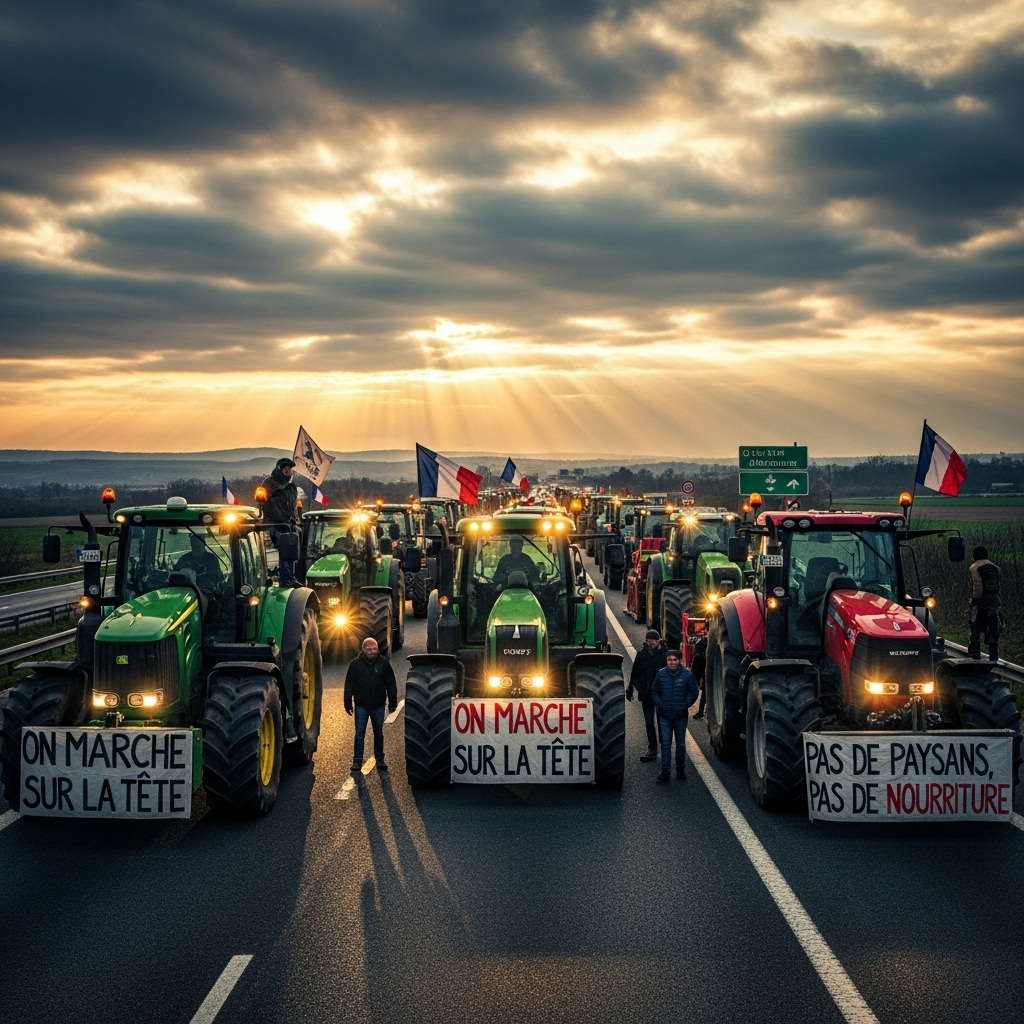
The ‘block everything’ protests are a decentralized, leaderless movement organized primarily through social media platforms like Telegram and WhatsApp. The core strategy is simple and effective: create maximum disruption by blocking critical infrastructure. This includes major highways (autoroutes), oil refineries, ports, and large-scale distribution centers for supermarket chains.
Participants come from a diverse cross-section of French society. Farmers angry over low prices and environmental regulations have been joined by truckers protesting fuel costs, students opposing education reforms, and ordinary citizens struggling with the rising cost of living. Their unified goal is to force the government to the negotiating table by hitting the economy where it hurts most.
Unlike traditional union-led strikes, these blockades are often spontaneous and unpredictable, making them incredibly difficult for law enforcement to anticipate. Convoys of tractors, trucks, and private cars have created miles-long traffic jams, with some protesters setting up makeshift camps and vowing to stay “as long as it takes.”
Government Response and Mass Arrests
The French government’s initial tolerance quickly evaporated as the blockades began to seriously impact daily life and the national economy. Over the last 48 hours, riot police (CRS) have been deployed in large numbers to dismantle the blockades, often using tear gas and water cannons to disperse crowds.
The Interior Ministry reported that the arrests were made for a range of offenses, including obstructing traffic, damaging public property, and violence against law enforcement officers. “While the right to protest is a fundamental freedom, the right to work, to move, and to live in safety must also be guaranteed,” stated a spokesperson for the ministry. “We will not allow the country to be held hostage.”
Human rights organizations have expressed concern over the scale of the arrests and the tactics used by police. However, the government maintains that its actions are necessary to restore order and prevent further economic damage. For more official information, you can visit the French Ministry of the Interior’s website.
The Economic Impact of Widespread Blockades
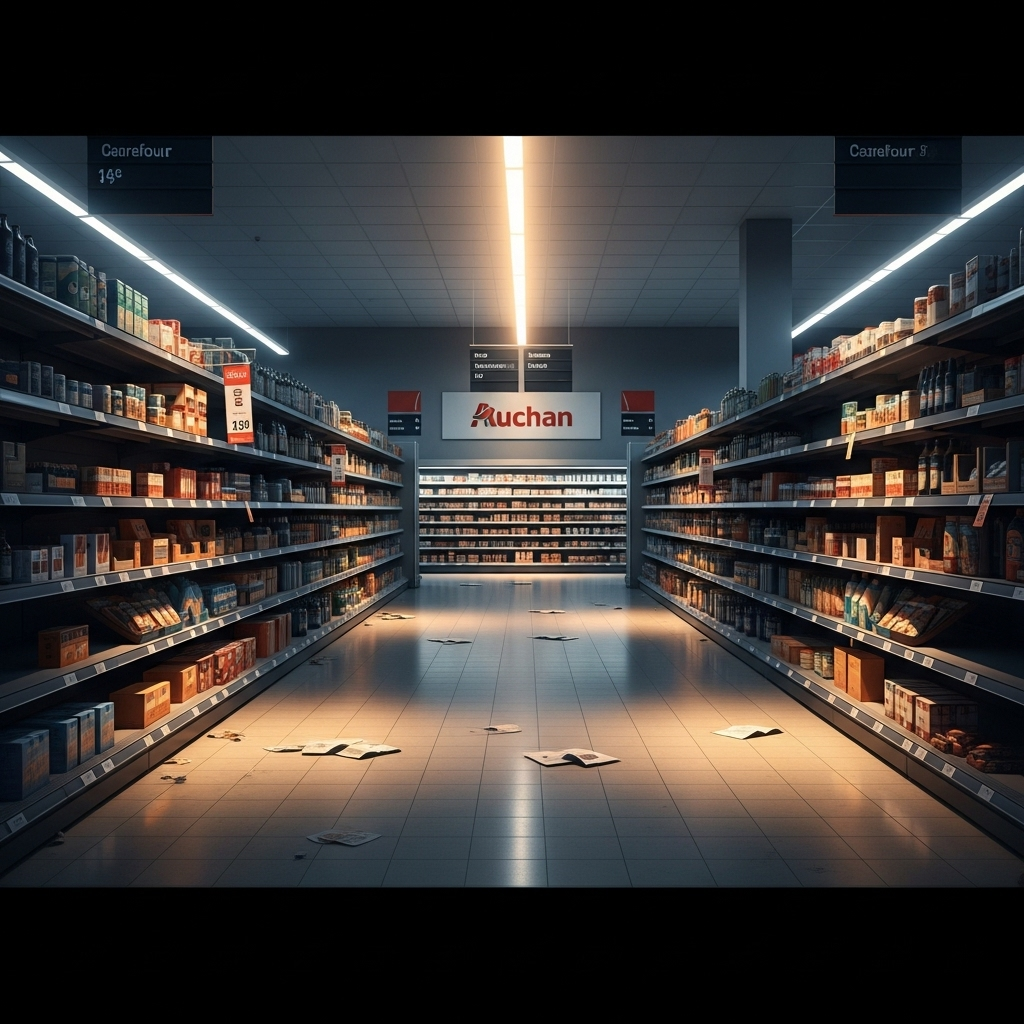
The economic fallout from the ‘block everything’ protests is already being felt across multiple sectors. The French National Federation of Road Transport (FNTR) has estimated daily losses in the tens of millions of euros due to delayed or canceled deliveries. Supply chains have been severely fractured, leading to reports of empty shelves in some supermarkets and production halts in factories reliant on just-in-time logistics.
Key impacts include:
- Fuel Shortages: Blockades of major oil depots and refineries have led to long lines at gas stations, with several regions beginning to implement rationing.
- Agricultural Losses: Farmers, despite being a core part of the protests, are also suffering as perishable goods cannot reach markets, leading to significant food waste.
- Retail Disruption: Major retailers have warned of significant stock issues if the blockades continue, impacting everything from fresh food to consumer electronics.
The MEDEF, France’s largest employer federation, has called on the government to take all necessary measures to “liberate” the blockaded economic sites, warning of long-term damage to France’s reputation as a reliable place to do business.
What’s Driving the Protesters’ Anger?
At the heart of the ‘block everything’ protests is a deep-seated feeling among many that the government is out of touch with the struggles of ordinary people. While there isn’t a single, unified list of demands, several key grievances have emerged as common themes.
Inflation remains a primary concern. Many protesters feel that government measures to curb the rising cost of living have been insufficient, leaving families to choose between heating their homes and putting food on the table. The recent announcement of another increase in the fuel tax, intended to fund green initiatives, was seen by many as the final straw.
For farmers, the anger is compounded by what they see as unfair competition from cheaper imports and burdensome EU environmental regulations that make it difficult to operate profitably. “We are asked to feed the country, but we are being suffocated by rules and costs,” said one farmer at a blockade near Lyon. “We have nothing left to lose.”
Historical Context: A New Yellow Vests?
Many observers are drawing parallels between the ‘block everything’ protests and the 2018 “Gilets Jaunes” (Yellow Vests) movement. Both are grassroots, anti-establishment movements that began with anger over fuel taxes and quickly expanded to encompass broader anti-government sentiment. For more on that movement, read our previous analysis: The Yellow Vests, Five Years On.
However, there are key differences. The ‘block everything’ strategy is more targeted at causing direct economic pain, whereas the Yellow Vests focused more on occupying roundabouts and Saturday marches in major cities. The current movement also appears to have a more significant and organized participation from specific sectors like agriculture and trucking, giving it a powerful logistical advantage.
The crucial question is whether this movement will have the same staying power as the Yellow Vests. The government is hoping its swift and firm response will prevent the protests from becoming entrenched. Protesters, however, feel they have momentum and public sympathy on their side, setting the stage for a prolonged and tense confrontation in the weeks to come.

“`


