
‘Block everything’ protests: Over 100 arrested in France
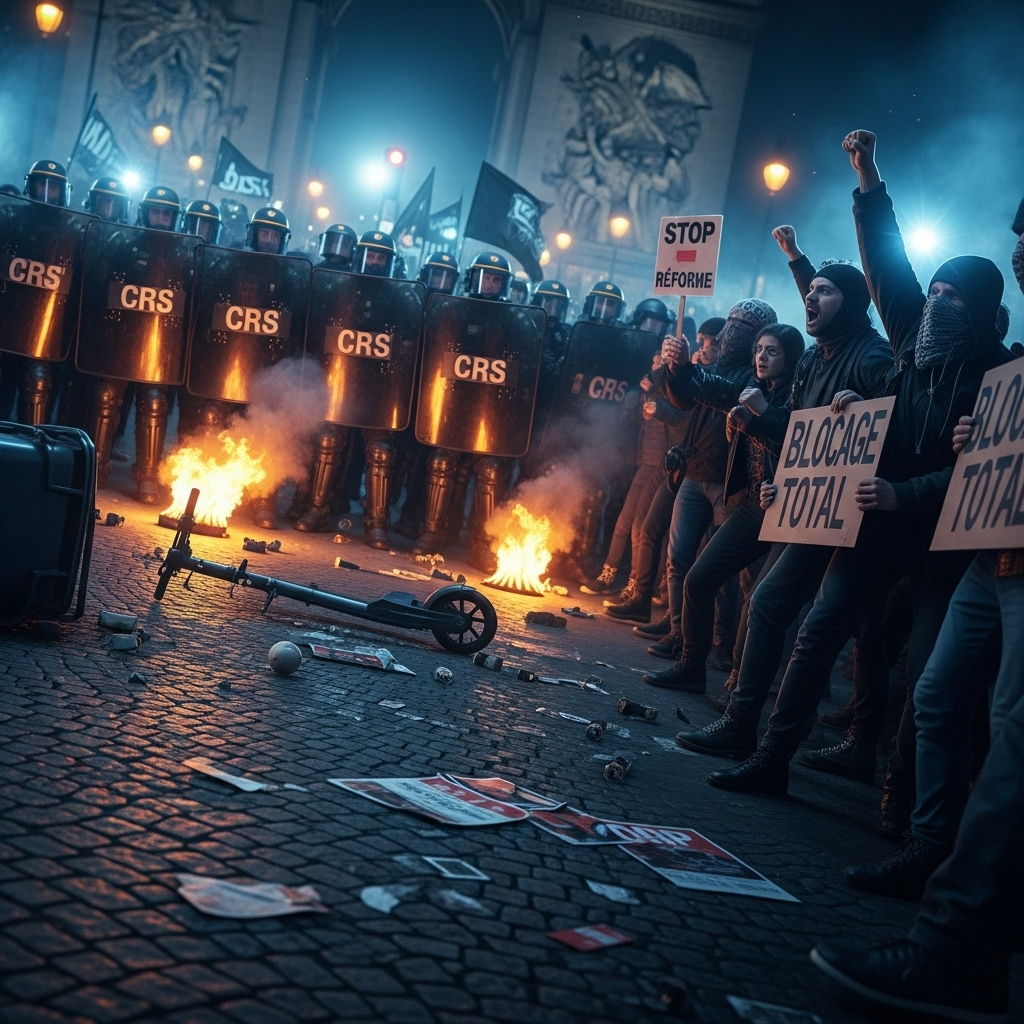
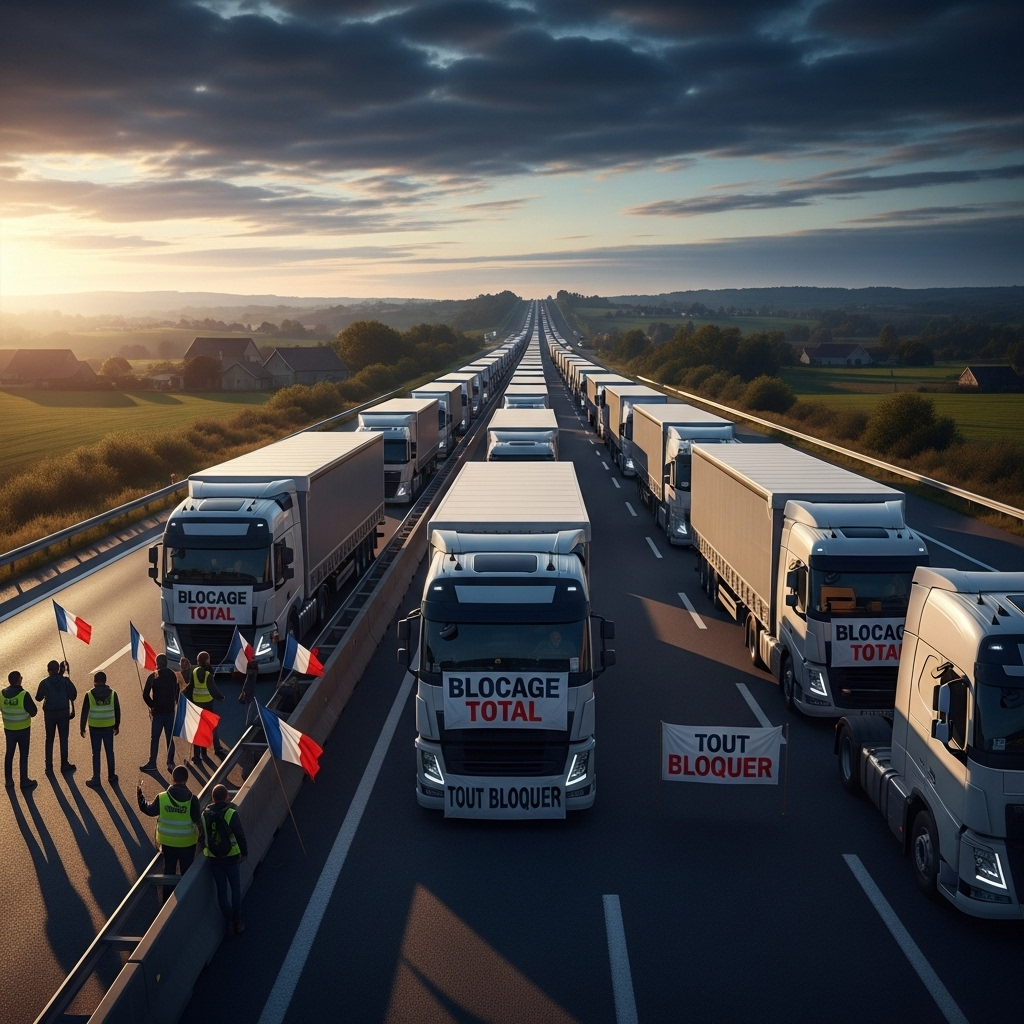
Major cities across France were brought to a standstill this week as the ‘block everything’ protests surged, leading to widespread disruption and resulting in the arrest of over 100 individuals. The movement, known locally as “Opération Tout Bloquer,” has seen coordinated efforts to shut down critical infrastructure, including major highways, fuel depots, and government buildings, in a powerful display of civil discontent.
The protests stem from a growing list of grievances, primarily centered on the rising cost of living, controversial pension reforms, and stringent environmental regulations that participants claim are crippling small businesses and agricultural workers. As tensions escalated, French authorities deployed riot police to dismantle barricades, leading to clashes in Paris, Lyon, and Marseille.
Table of Contents
What Are the ‘Block Everything’ Protests?
The ‘block everything’ protests represent a decentralized, grassroots movement that has gained significant traction through social media platforms. Unlike traditional union-led demonstrations, this movement is characterized by its lack of a single leadership structure, making it both unpredictable and difficult for authorities to manage.
Participants are a diverse coalition of citizens, including farmers, truck drivers, small business owners, and students. Their unifying goal is to create maximum economic disruption to force the government to address their concerns. The name “block everything” is a literal description of their tactics: using vehicles, burning tires, and human chains to obstruct the flow of commerce and daily life.
The movement’s core demands include:
- A freeze or reduction in fuel taxes and energy prices.
- The repeal of recent pension reforms that raised the retirement age.
- A re-evaluation of EU-driven environmental policies that protesters say unfairly burden French producers.
- Greater government support for the agricultural sector, which faces pressure from international competition and rising costs.
This movement echoes earlier French protest movements, such as the “Gilets Jaunes” (Yellow Vests), by tapping into widespread frustration among those who feel left behind by the government’s economic policies. However, the ‘block everything’ protests are distinct in their explicit strategy of total paralysis.
Escalation and Arrests in Major Cities
The situation intensified significantly over the past 48 hours. In Paris, protesters successfully blocked several rings of the Périphérique, the critical ring road surrounding the capital. This led to massive traffic jams stretching for kilometers and prompted a heavy-handed police response. Eyewitnesses reported the use of tear gas and water cannons to disperse the crowds.
In Lyon, demonstrators targeted the main A7 motorway, a vital artery connecting northern France to the Mediterranean. They set up barricades with tractors and hay bales, effectively severing a key logistics route. It was here that a large number of the arrests took place as Gendarmerie forces moved in to clear the highway.
Meanwhile, in the southern port city of Marseille, protesters focused their efforts on blocking access to the Fos-sur-Mer oil terminal, one of the largest in the country. The blockade has raised concerns about potential fuel shortages if it continues. According to the Interior Ministry, a total of 112 arrests have been made nationwide on charges ranging from obstructing traffic to vandalism and violence against law enforcement officers.
Government Response and Public Reaction
The French government has taken a firm stance against the blockades. Interior Minister Gérald Darmanin condemned the actions, stating, “The right to protest is a fundamental freedom, but the right to block, to vandalize, and to threaten the livelihoods of our citizens is not. We will not tolerate this chaos.”
Prime Minister Élisabeth Borne has called for dialogue but insisted that the government will not back down on its key reforms. In a televised address, she announced that law enforcement would continue to be mobilized to “restore public order” and ensure freedom of movement. The government’s tough position has been criticized by opposition parties on both the left and the right, who accuse it of ignoring the legitimate anger of the people.
Public opinion is deeply divided. While many commuters and business owners are frustrated by the disruptions, polls suggest a significant portion of the population sympathizes with the protesters’ motivations. An IFOP poll released this morning indicated that 58% of respondents “support or have sympathy for” the ‘block everything’ protests, even if they do not agree with all the tactics.
“I can’t get to work, and my kids couldn’t get to school,” one Parisian commuter told a local news outlet. “But can I blame them? Everything is getting more expensive, and it feels like no one in power is listening.” This sentiment captures the complex mood gripping the nation.
The Economic and Social Impact
The economic fallout from the blockades is already being felt. The National Federation of Road Hauliers (FNTR) has reported millions of euros in daily losses due to immobilized fleets and broken supply chains. Supermarkets are warning of potential shortages of fresh produce and other goods if the blockades on distribution centers are not lifted soon.
The ‘block everything’ protests are not just an economic headache; they are also creating significant social strain. The disruptions are pitting citizens against each other and testing the limits of social cohesion. The long-term impact will depend on the duration of the movement and the government’s ability to find a political solution.
Analysts are watching closely to see if the movement can sustain its momentum or if the government’s firm response and the public’s growing frustration with the disruptions will cause it to fizzle out. For now, the situation remains volatile, with protest organizers vowing to continue their actions until their demands are met.
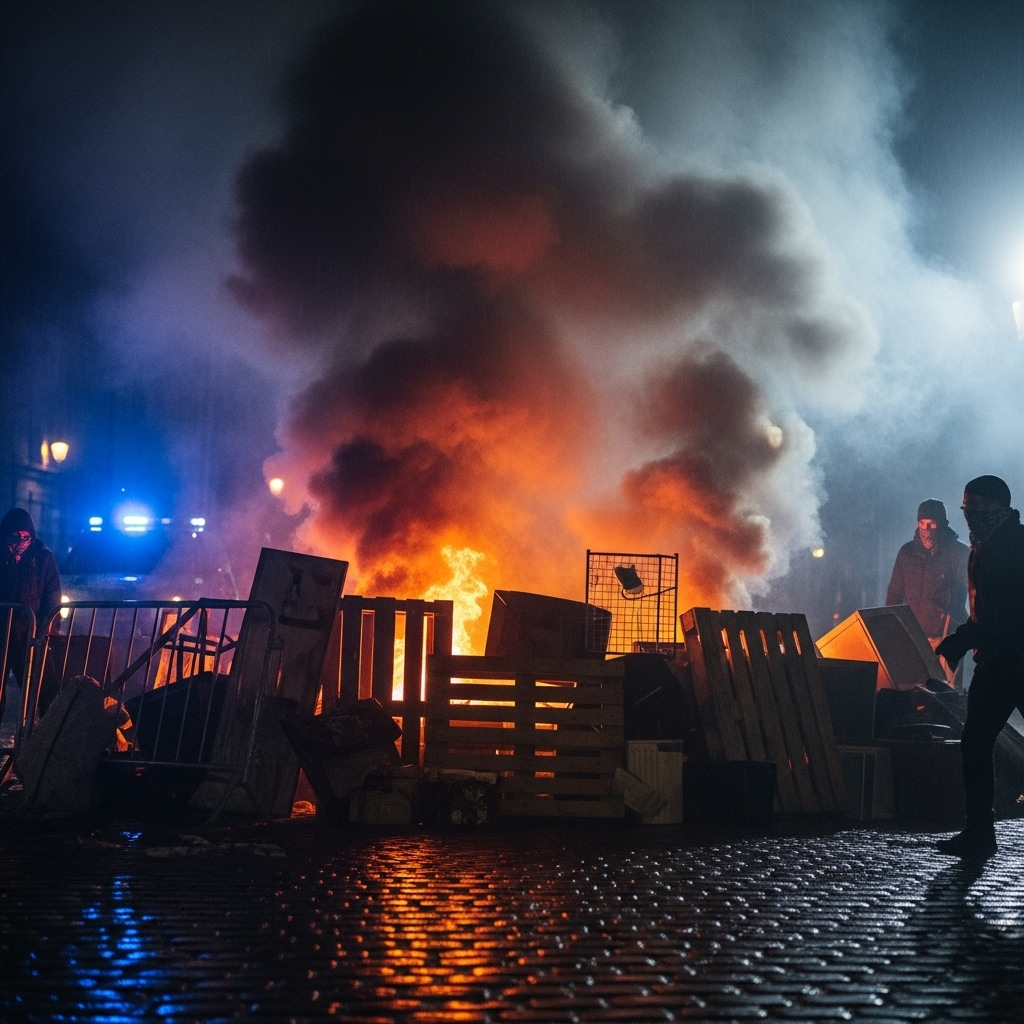
As France heads into the weekend, all eyes will be on whether the ‘block everything’ protests will intensify further or if a path toward de-escalation can be found. The coming days will be a critical test for President Macron’s government and for the resilience of the French Republic itself.


