
‘Block Everything’ Protests: Over 100 Arrested in France
Major highways, city centers, and distribution hubs across France have ground to a halt as widespread demonstrations, dubbed the ‘block everything’ protests, intensify. French authorities have responded with force, arresting over 100 individuals involved in the disruptive actions.
What Are the ‘Block Everything’ Protests?
The ‘block everything’ protests are a series of decentralized, nationwide demonstrations characterized by strategic blockades of critical infrastructure. The movement, gaining momentum over the past few weeks, is a direct response to the government’s proposed “Eco-Solidarity Tax,” which aims to place a significant levy on fossil fuel consumption for both commercial and private vehicles.
Protesters, comprising a diverse coalition of truckers, farmers, small business owners, and commuters, argue that the new tax will disproportionately harm working-class families and rural communities who rely heavily on their vehicles. They claim it is another financial burden at a time of already high inflation and stagnant wages.
The name “‘block everything'” originated from social media posts and flyers that called for a complete shutdown of economic activity to force the government to withdraw the tax proposal. “Our goal is simple,” one organizer’s pamphlet read, “If our livelihoods are stopped, we will stop everything.”
This movement echoes previous French protests, like the Yellow Vests (Gilets Jaunes), which also began over fuel taxes before expanding to encompass broader economic grievances. You can read more about the economic climate in our article on French Economic Policies in 2025.
Nationwide Disruption and Economic Impact
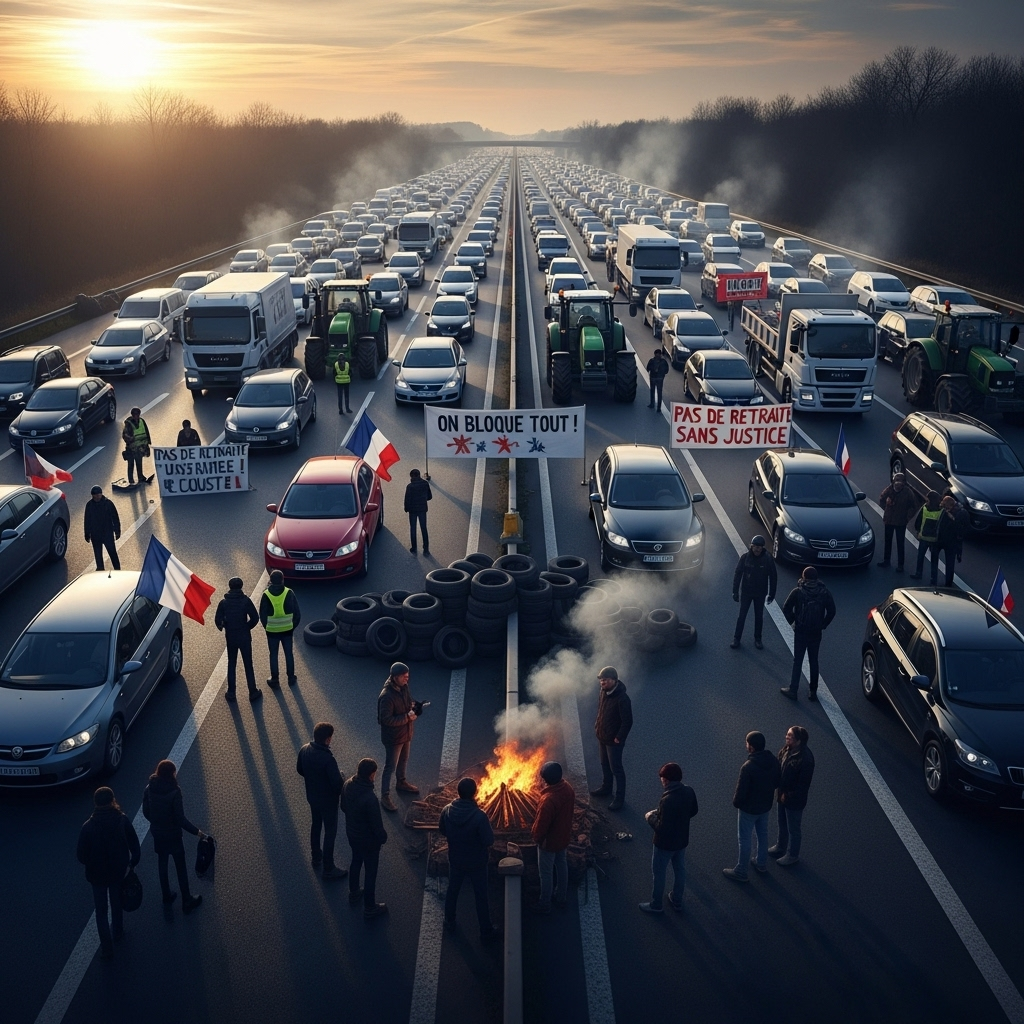
The impact of the protests has been immediate and severe. Major motorways, including the A1 connecting Paris and Lille and the A7 in the south, have been brought to a standstill by slow-moving convoys and stationary blockades. Protesters have also targeted fuel depots, ports like Marseille, and large-scale distribution centers for supermarket chains.
In cities such as Lyon, Bordeaux, and Nantes, public transportation has been severely disrupted as demonstrators block tram lines and bus depots. The economic fallout is quickly mounting. The French National Federation of Road Transport (FNTR) has warned that the blockades are costing the logistics sector an estimated €50 million per day.
Supermarkets are reporting concerns about fresh produce shortages, and manufacturing plants are facing delays in receiving essential parts. For ordinary citizens, the protests mean longer commutes, canceled appointments, and a growing sense of frustration. The movement’s strategy is to create enough economic pain to make the government’s position untenable.
Government Response to the ‘Block Everything’ Protests
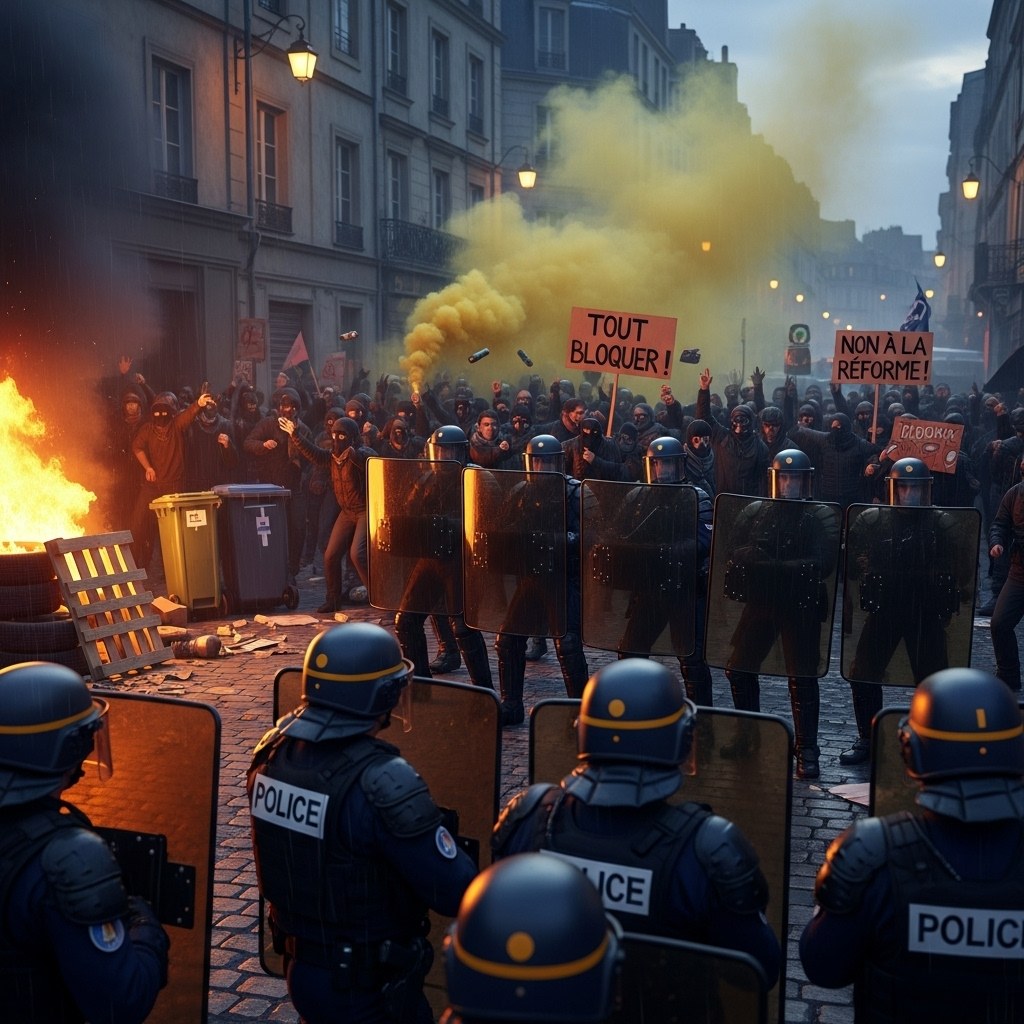
The French government has taken a hardline stance. Interior Minister Gérald Darmanin announced that while the right to protest is protected, the “right to block and paralyze the country is not.” He authorized police to dismantle blockades and make arrests to restore public order and ensure freedom of movement.
Overnight, police forces moved in on several key blockade points near Paris and Lyon. Clashes were reported in some areas, with protesters using makeshift barricades and police deploying tear gas. The Interior Ministry confirmed this morning that at least 112 people have been arrested on charges including obstructing traffic, resisting arrest, and destruction of public property.
President Emmanuel Macron’s office has stated that the Eco-Solidarity Tax is a non-negotiable part of France’s commitment to its climate goals. The government argues that the revenue generated will be reinvested into green energy initiatives and subsidies for electric vehicles. For more on European Union policies, you can refer to reports from sources like the Reuters Europe desk.
The Future of the ‘Block Everything’ Movement
The arrests appear to have emboldened, rather than deterred, the core of the movement. Organizers are using social media to call for an escalation of the ‘block everything’ protests, with plans for a “total shutdown” of Paris this coming weekend. The key question is whether public support will remain with the protesters as disruptions to daily life intensify.
Political analysts are divided. Dr. Sophie Dubois, a sociologist at Sciences Po, commented, “The government is betting that the public’s patience will wear thin. However, the underlying anger about the cost of living is very real. If the government is seen as heavy-handed, it could backfire and swell the protesters’ ranks.”
The coming days will be critical. If the blockades continue to cause significant economic damage, pressure will mount on the government to either negotiate or escalate its police response further. The ‘block everything’ protests are rapidly becoming a major test of the Macron administration’s resolve and its ability to manage social unrest.
Frequently Asked Questions
Why are they called the ‘block everything’ protests?
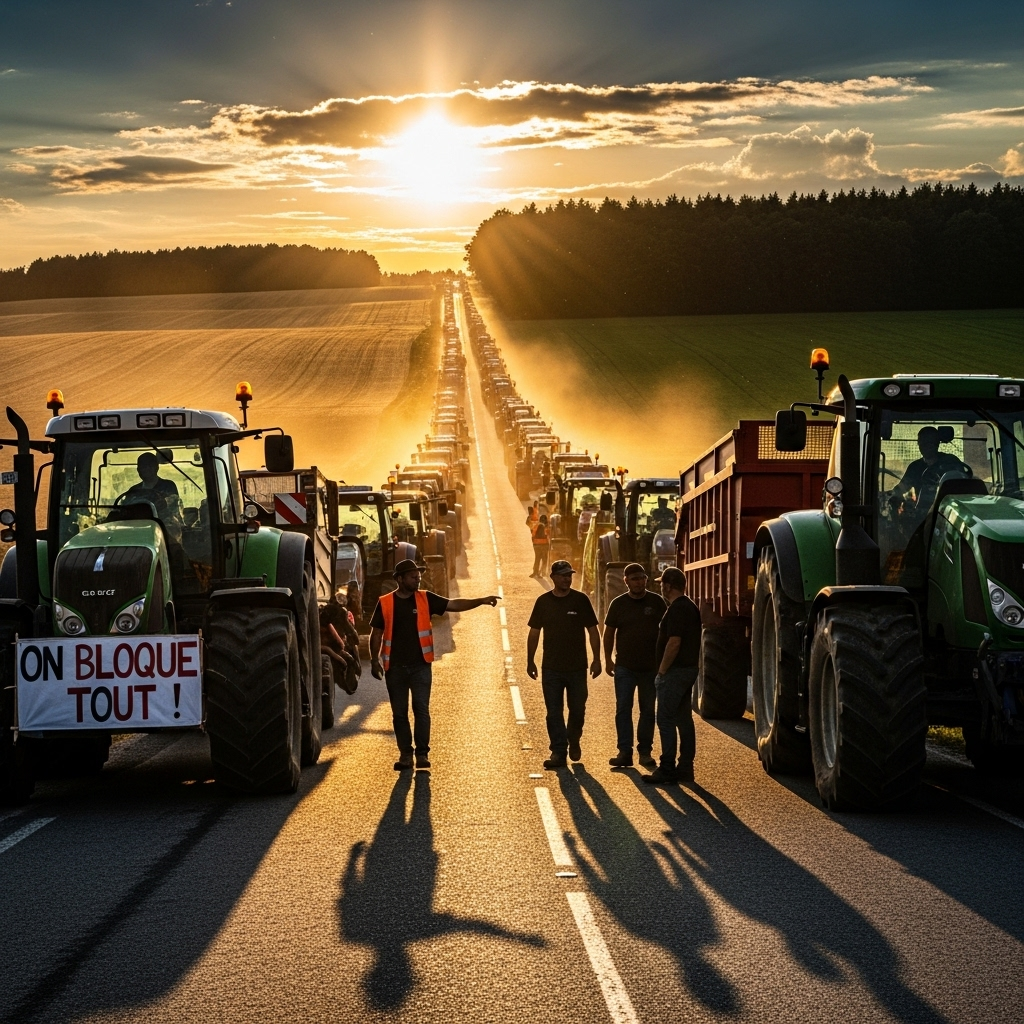
The name is a literal translation of the movement’s core tactic and stated goal: to “bloquer tout” (block everything). It refers to their strategy of blocking roads, ports, and economic hubs to cause maximum disruption and pressure the government.
What are the main demands of the protesters?
The primary demand is the complete and immediate withdrawal of the proposed “Eco-Solidarity Tax” on fuel. Broader demands include measures to address the rising cost of living, higher wages, and a re-evaluation of environmental policies that they feel unfairly penalize the working class.
Have similar protests happened in other countries?
Yes, protests centered on fuel costs and economic grievances have occurred globally. In Canada, the “Freedom Convoy” used similar blockade tactics. The ‘block everything’ protests in France share many characteristics with the earlier French “Yellow Vests” movement, which also began as a reaction to fuel tax hikes.
“`


