
Gen Z in Nepal: 3 Reasons Behind the Youth Protests
The streets of Kathmandu, Pokhara, and other Nepali cities are echoing with a new, powerful voice. It’s the voice of Nepal’s Gen Z, a generation that has moved from social media feeds to the front lines of protest, demanding change, accountability, and a future they can believe in. These are not random outbursts of anger; they are calculated, digitally-fueled movements with deep-seated causes. Understanding these protests means understanding the unique pressures and perspectives of a generation at a crossroads.
So, what exactly is driving this youth uprising? We’ll explore the three core reasons behind why Nepal’s youngest generation of adults is taking a stand.
Table of Contents
1. Economic Frustration: A Generation Demanding a Future
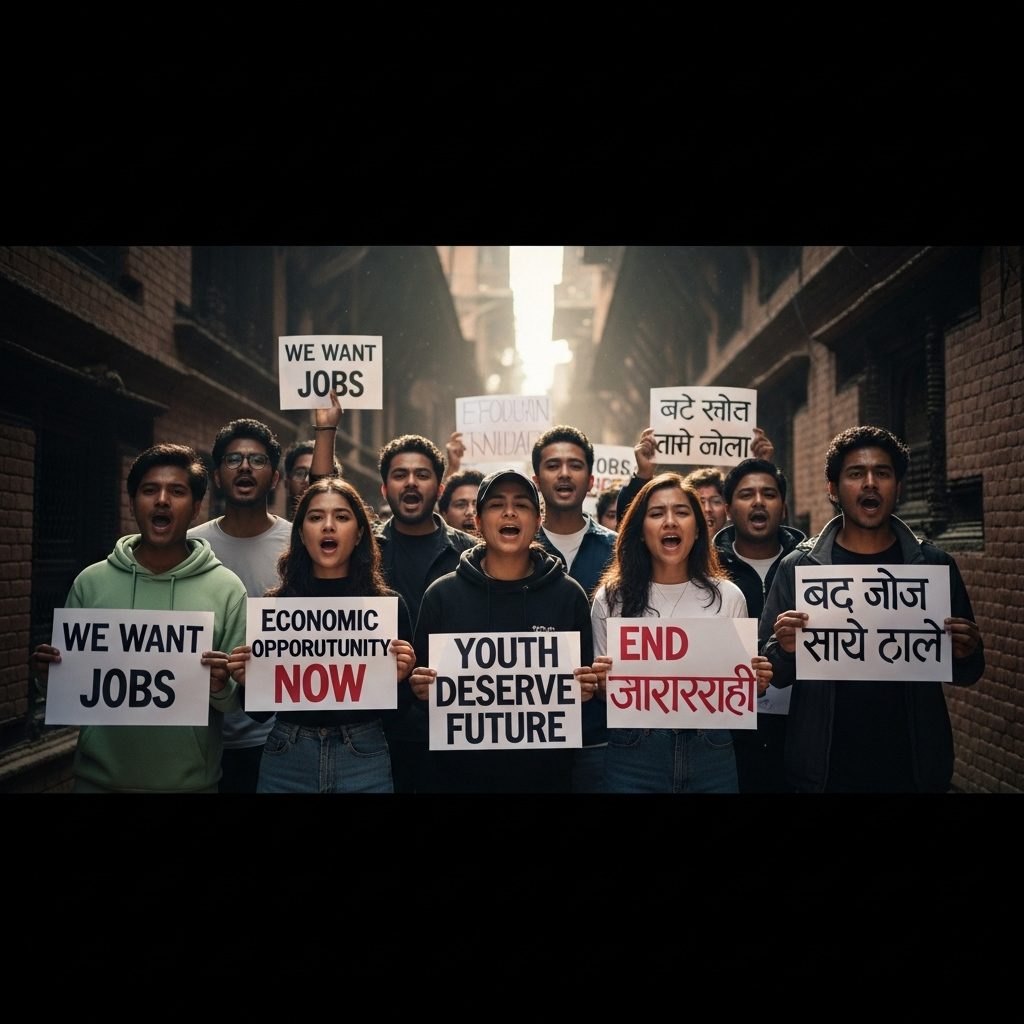
At the heart of the protests lies a profound sense of economic anxiety. Nepal’s Gen Z is arguably the most educated generation in the nation’s history, yet they are graduating into an economy that cannot offer them meaningful opportunities. The disconnect between their qualifications and the available jobs is a chasm that fuels immense frustration.
For years, the narrative has been “study hard, get a good job.” But for many young Nepalis, this promise feels like a lie. They see a stagnant job market, rampant nepotism, and a system that seems rigged against those without powerful connections. Youth unemployment rates remain stubbornly high, and underemployment is an even bigger, often unmeasured, problem. Many with master’s degrees find themselves working in low-skill jobs or remaining unemployed for years.
This economic despair has one primary outlet: migration. The “brain drain” is not a new phenomenon in Nepal, but for Gen Z, it feels less like a choice and more like a necessity. They watch their friends and siblings leave for Australia, Japan, Europe, or the Gulf, not just for better pay, but for a sense of progress and dignity. The daily departure of over 2,000 young Nepalis for foreign employment is a statistic that every protestor feels personally. They are not just protesting for jobs; they are protesting for a reason to stay.
The slogans seen on their placards—”Where are the jobs?” and “My degree is not just a piece of paper”—are a direct challenge to the government’s economic policies. This generation sees a future where their skills could build a better Nepal, but they feel the country’s leadership is failing to create the environment for that to happen.
2. Digital Mobilization vs. Government Inefficiency
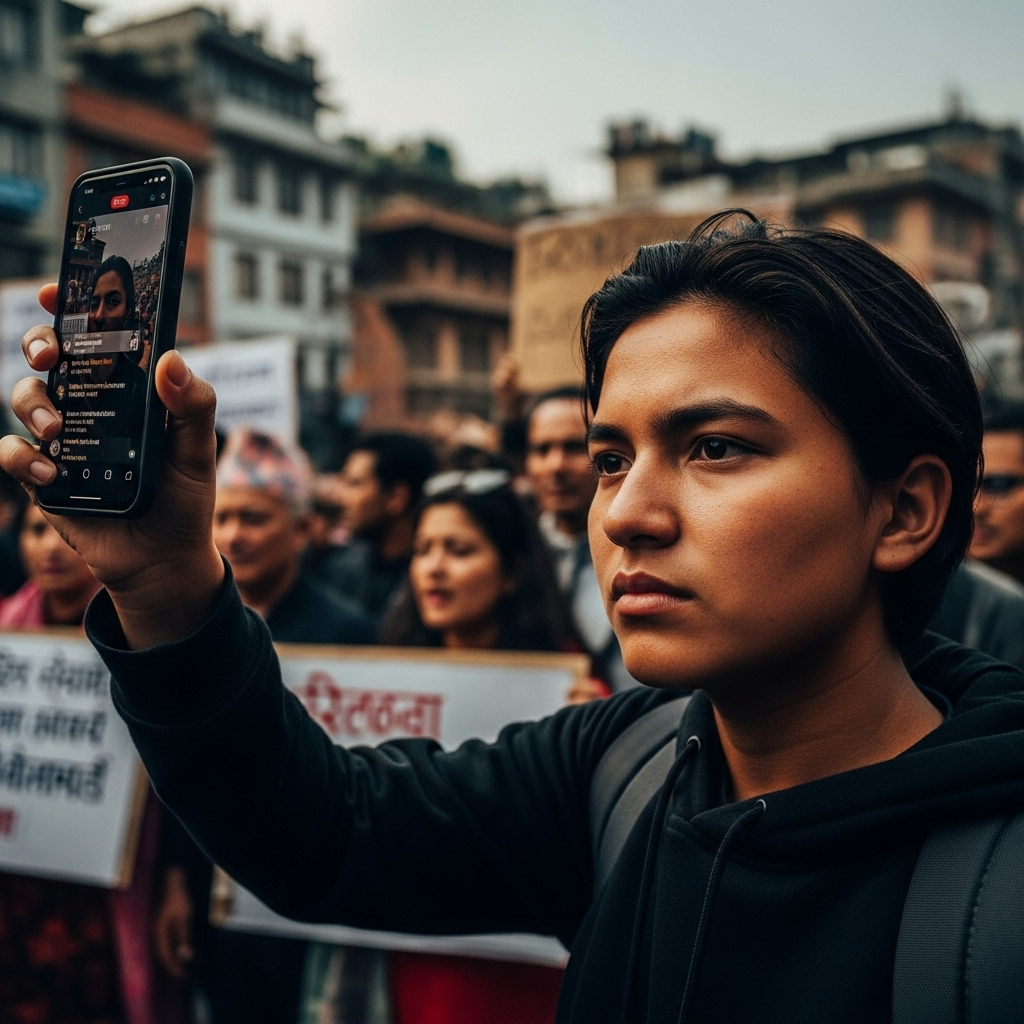
Unlike previous generations that relied on traditional organizing methods, Nepal’s Gen Z operates at the speed of the internet. They are digital natives who have grown up with smartphones in their hands. Platforms like TikTok, Instagram, and X (formerly Twitter) are not just for entertainment; they are powerful tools for activism, information dissemination, and mobilization.
A corruption scandal that might have taken weeks to filter through traditional media now explodes across social media in hours. A controversial government policy can be dissected, criticized, and turned into a viral hashtag before the ink on the legislation is even dry. This is where the second major driver of the protests comes into play: the stark contrast between their digital efficiency and the perceived sluggishness and corruption of the state apparatus.
When young people see a problem, they use their digital platforms to demand an immediate response. They create compelling video content, launch online petitions, and organize flash mobs with startling speed. The recent protests, for example, were largely coordinated through private groups on messaging apps and amplified by influential young content creators. This agility makes the government’s slow, bureaucratic responses seem hopelessly outdated and, at times, deliberately obtuse.
This digitally-savvy generation has little patience for endless committee meetings, political blame games, or vague promises. They demand transparency and action. For instance, when a recent public fund mismanagement report surfaced, it was Gen Z activists who translated the complex audit into simple, shareable infographics and videos, making the issue accessible to hundreds of thousands. They are using their skills to hold power to account in real-time, and they see the government’s failure to keep pace as a sign of its incompetence or, worse, its complicity. Read more about global trends in digital activism on the UN’s website.
3. A Deep Crisis of Trust in Political Leadership
The third, and perhaps most fundamental, reason is a deep-seated crisis of faith in the country’s political establishment. The leaders who have governed Nepal for decades often seem to belong to a different era, utterly disconnected from the realities of the nation’s youth.
Nepal’s Gen Z was born after the civil war, growing up with the promise of a “New Nepal.” Yet, what they see is the same cast of political characters recycling the same power-sharing deals and prioritizing party interests over national progress. This has created an enormous generational gap and a profound sense of political alienation. The youth feel unheard, unrepresented, and misunderstood by a gerontocracy they believe is incapable of steering the country toward a modern, prosperous future.
This isn’t about allegiance to one political party over another. In fact, a hallmark of these protests is their non-partisan nature. The protestors are equally critical of all major political forces, viewing them as part of the same failed system. Their anger is directed at the culture of politics itself—the corruption, the lack of vision, and the perpetual failure to deliver on basic promises of good governance and development.
When young people take to the streets, they are not just demanding policy changes. They are demanding a new political culture. They are tired of seeing leaders implicated in scandals face no consequences. They want accountability, meritocracy, and leaders who can speak their language—not just literally, but in terms of vision and values. The rise of independent candidates in recent local elections, often young and politically unaffiliated, is a clear signal of this shifting sentiment. These protests are the street-level expression of a generation’s search for new heroes and a new kind of leadership.

A Generation That Refuses to Be Ignored
The youth protests led by Gen Z in Nepal are a critical turning point. They are born from a potent mix of economic desperation, digital empowerment, and a complete loss of faith in the current political system. This is a generation that is educated, connected, and unwilling to passively accept a future they did not choose and do not want.
While the immediate outcomes of these protests remain to be seen, one thing is certain: Nepal’s youth have found their voice, and they are using it with unprecedented force and sophistication. They are not just asking for a seat at the table; they are demanding the right to build a new one. The leaders of Nepal would do well to listen, because this generation is not just protesting for themselves—they are fighting for the very future of the nation. For more insights into youth movements, see our analysis on Youth Activism Trends.
“`


