
TV cooking shows: 1 cronut reveals the 3 big problems
It was a moment of television that was both delicious and deeply revealing. A contestant on a high-stakes baking competition was tasked with creating a cronut from scratch in under an hour. The audience watched, transfixed, as this baker attempted the impossible. This single challenge perfectly encapsulates the issues plaguing modern tv cooking shows. While wildly entertaining, they often set up a false narrative about what it truly means to cook, creating a spectacle that prioritizes drama over the actual craft.
That one cronut—that beautiful, flaky, impossible-in-60-minutes pastry—unveils three fundamental problems with the genre. Let’s break down how these shows are failing both their contestants and their viewers at home.
Problem 1: The Time Crunch Illusion in TV Cooking Shows
The most glaring issue is the complete distortion of time. A true cronut, the legendary creation by pastry chef Dominique Ansel, is a three-day process. It involves making a laminated dough, which requires multiple cycles of chilling, folding, and resting to create those hundreds of delicate layers. Then there’s proofing, frying at a precise temperature, filling, and glazing.
On tv cooking shows, this entire intricate process is compressed into a frantic, 30- or 60-minute segment. We see chefs sprinting, sweating, and miraculously pulling a “finished” product out of an oven or fryer just as the buzzer sounds. This is pure fantasy, made possible only by the magic of television editing and pre-prepped components the viewer never sees.
The result? Home cooks are left feeling inadequate. They try a complex recipe and find it takes them an entire afternoon, not the 22 minutes (plus commercials) they saw on screen. This “time crunch illusion” teaches viewers that speed is the most important virtue in the kitchen, when in reality, great cooking—especially baking—often requires patience, precision, and a deep respect for the process. It’s not a race; it’s a craft.
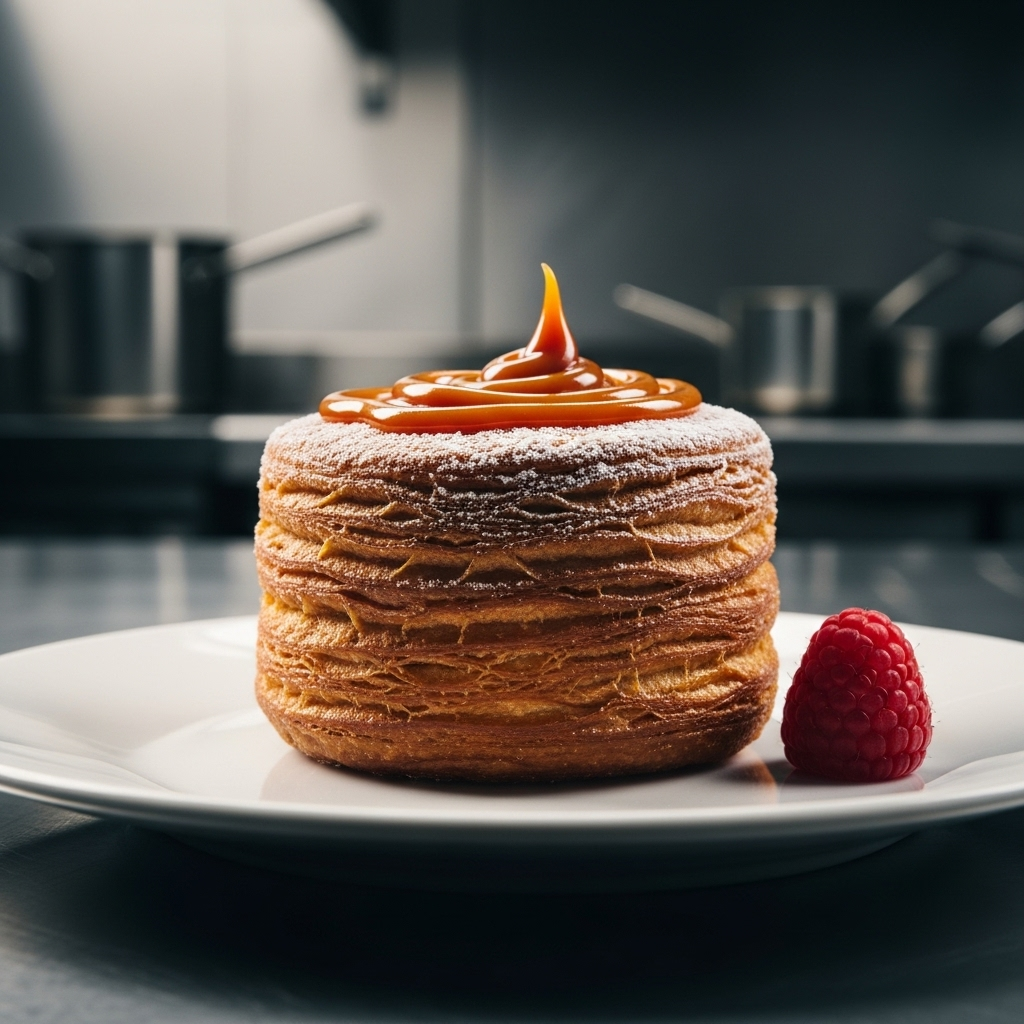
The pressure to perform under an artificial time limit leads to mistakes and shortcuts that would never fly in a real professional kitchen. It’s entertainment, yes, but it’s dishonest about the labor and love that goes into making truly special food.
Problem 2: The Spectacle of Mystery Ingredients
The second problem revealed by our cronut challenge is the obsession with bizarre “mystery box” ingredients. Cooking is fundamentally about planning and sourcing. A chef decides to make a cronut and ensures they have high-fat European-style butter, the correct bread flour, fresh yeast, and quality oil. The recipe is built around these specific components.
Now, imagine being told to make that same cronut, but your basket of ingredients contains canned sardines, blue cheese, and lychee. This is the bread and butter of competitive tv cooking shows. The goal is no longer to see who is the best cook, but who can create the most outlandish, yet somehow edible, concoction under duress.
This format prioritizes shock value over genuine culinary skill. It suggests that top-tier cooking is about wild, on-the-fly improvisation with nonsensical pairings. While creativity is crucial for a chef, it’s a disciplined creativity built on a foundation of understanding flavor profiles and techniques. Forcing a chef to pair fish with pastry isn’t a test of creativity; it’s a test of desperation.
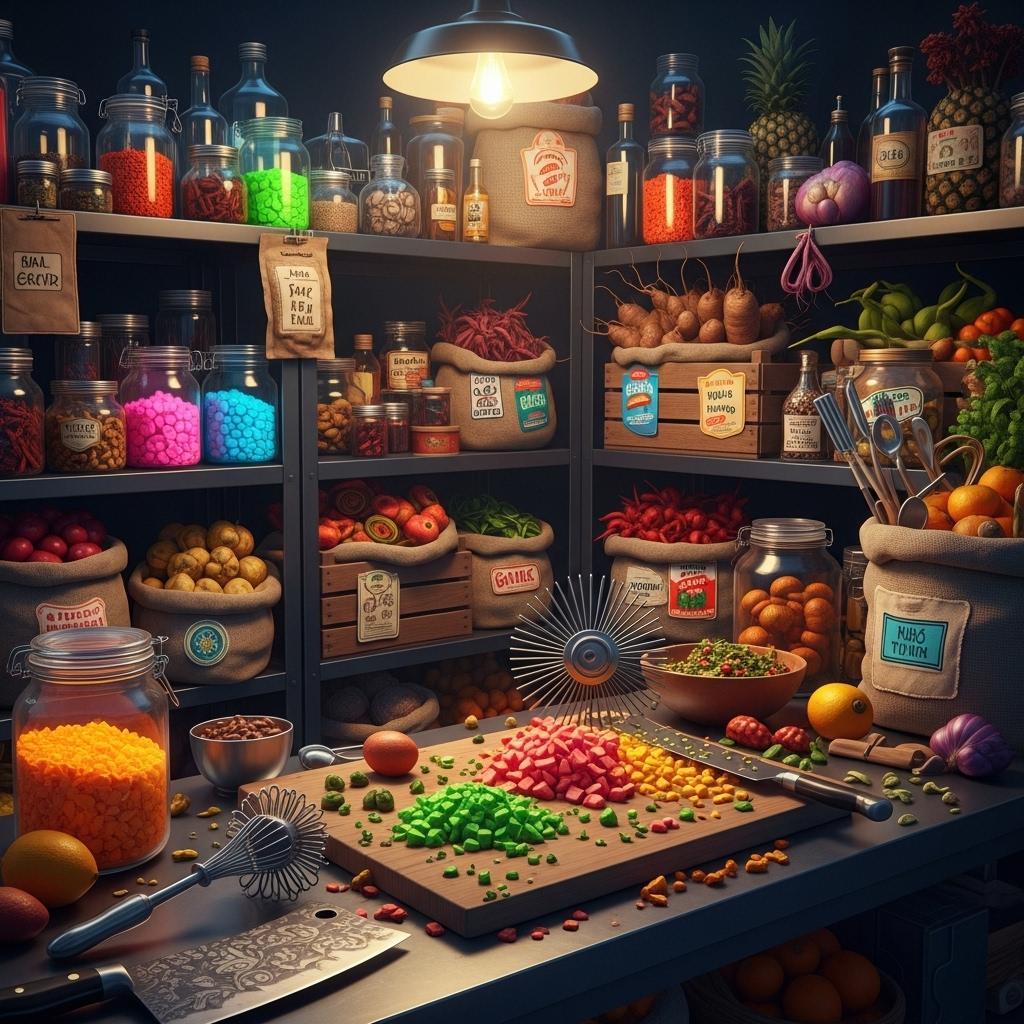
It creates a narrative that cooking is a form of chaotic alchemy rather than a thoughtful science and art. For viewers at home, it sends a confusing message, making them think they need exotic, hard-to-find items to be a “good” cook when, in fact, mastering a few dishes with simple, quality pantry staples is far more valuable.
Problem 3: Judging Personality Over Pastry
Finally, we arrive at the judging table. Our hypothetical baker presents their cronut. Maybe the layers aren’t perfect because the dough didn’t have 8 hours to chill. Maybe the glaze is a bit messy because they had 30 seconds to apply it. But technically, it’s a miracle it even exists.
But on modern tv cooking shows, the food is often a secondary character. The primary focus is the narrative. Did the baker overcome a personal tragedy? Do they have a compelling “sob story”? Did they have a dramatic conflict with another contestant mid-challenge? The judging often leans heavily on these emotional arcs.
A technically superior dish can easily lose to a less-perfect one if it’s made by a more camera-friendly personality. The critique becomes subjective and story-driven. “I’m not getting *you* on the plate,” a judge might say, a meaningless critique that has more to do with the contestant’s performance as a reality TV character than their skills as a chef. The cronut itself becomes irrelevant; it’s the story behind the cronut that gets judged.
This transforms a competition about craft into a popularity contest. It devalues the immense technical skill required in the culinary arts and teaches the audience that presentation and personal branding are more important than a perfectly cooked piece of fish or a beautifully laminated pastry.
The Takeaway for the Home Cook
So, should we stop watching tv cooking shows? Not at all. They are a source of inspiration, entertainment, and can introduce us to new foods and charismatic chefs. The key is to watch them with a critical eye.
Understand that you are watching a highly produced, heavily edited television product, not a documentary or a cooking class. Take inspiration from the flavors and ideas, but don’t hold yourself to the impossible standards of time and ingredients you see on screen.
When you want to learn to cook, turn to resources designed for education: a well-written cookbook, a detailed YouTube tutorial, or a classic instructional show. When you want to be entertained by chefs performing superhuman feats under absurd conditions, by all means, turn on a competition show.
Just remember the cronut. Remember that behind every 60-minute miracle is a hidden reality of time, planning, and hard-earned skill—the true ingredients that are all too often left on the cutting room floor.
“`


