
‘Block Everything’ Protests: Hundreds Arrested in France
Major cities across France have been brought to a standstill as a new wave of ‘block everything’ protests escalates, leading to widespread travel chaos, economic disruption, and the arrest of hundreds of demonstrators. The movement, fueled by a potent mix of economic grievances, rising inflation, and frustration with government policies, has seen protestors use coordinated tactics to paralyze key infrastructure.
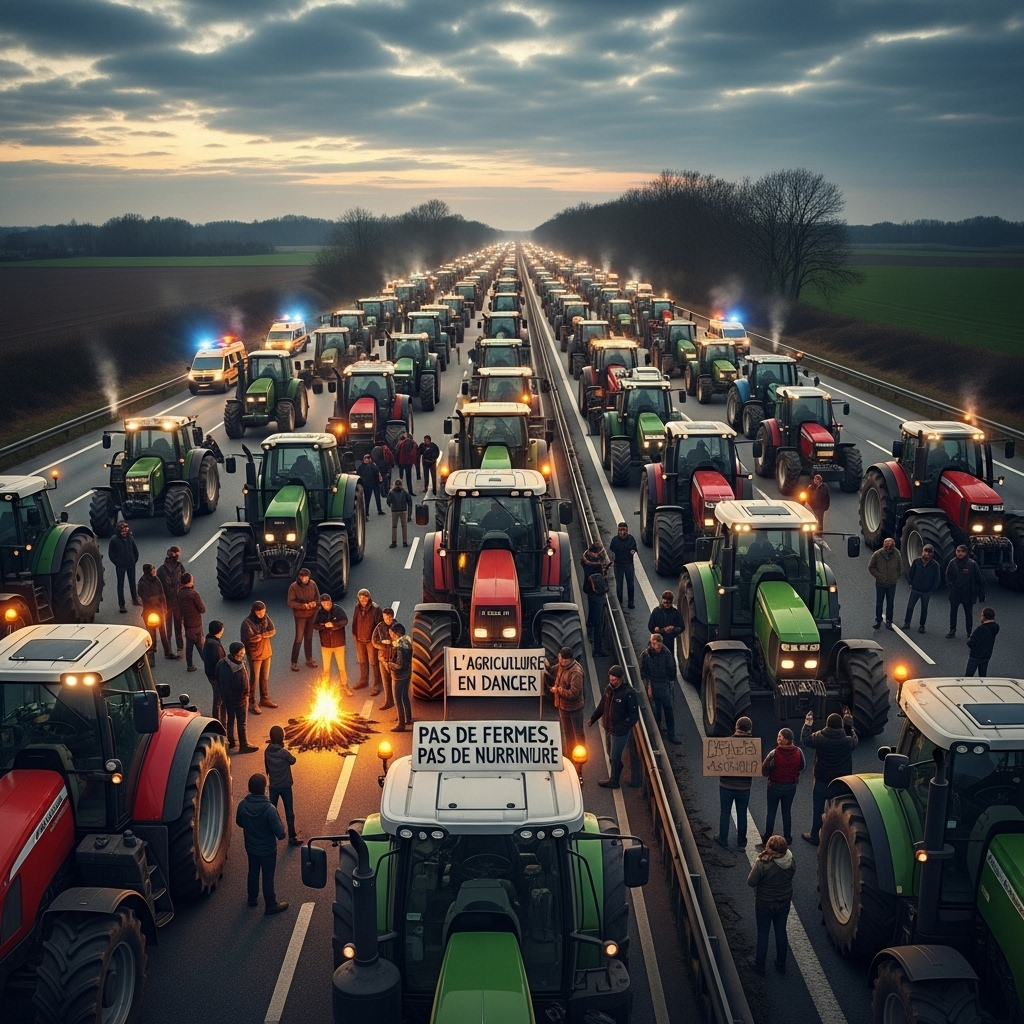
From farmers blocking highways with tractors to transport workers organizing “go-slow” operations, the demonstrations represent a significant challenge to President Emmanuel Macron’s government. The Interior Ministry has confirmed that over 400 individuals have been taken into custody as authorities work to dismantle the blockades and restore public order.
Article Contents
What Sparked the Latest Demonstrations?
The roots of this recent unrest are deep and varied, touching on several sensitive nerves within French society. While there isn’t a single catalyst, a convergence of factors has created a perfect storm of public anger. The primary driver is the soaring cost of living, which has hit households and small businesses particularly hard over the past year.
Key triggers include:
- Fuel Prices: A recent surge in diesel prices, a critical expense for farmers and logistics companies, has been a major point of contention. Protestors argue that environmental taxes and a lack of government subsidies are making their livelihoods untenable.
- Agricultural Policies: Farmers feel squeezed by what they describe as unfair competition from cheaper imports that do not meet France’s strict environmental and labor standards. They are demanding stronger protections and a re-evaluation of EU trade deals. Read more about France’s ongoing agricultural crisis.
- Pension Reforms: Lingering resentment over the government’s controversial pension reforms, which raised the retirement age, continues to fuel anti-government sentiment among a broad section of the population.
These issues have coalesced, creating a powerful, albeit decentralized, movement that has adopted the disruptive ‘block everything’ strategy to force the government’s hand.
Anatomy of Disruption: How the ‘Block Everything’ Protests Unfolded
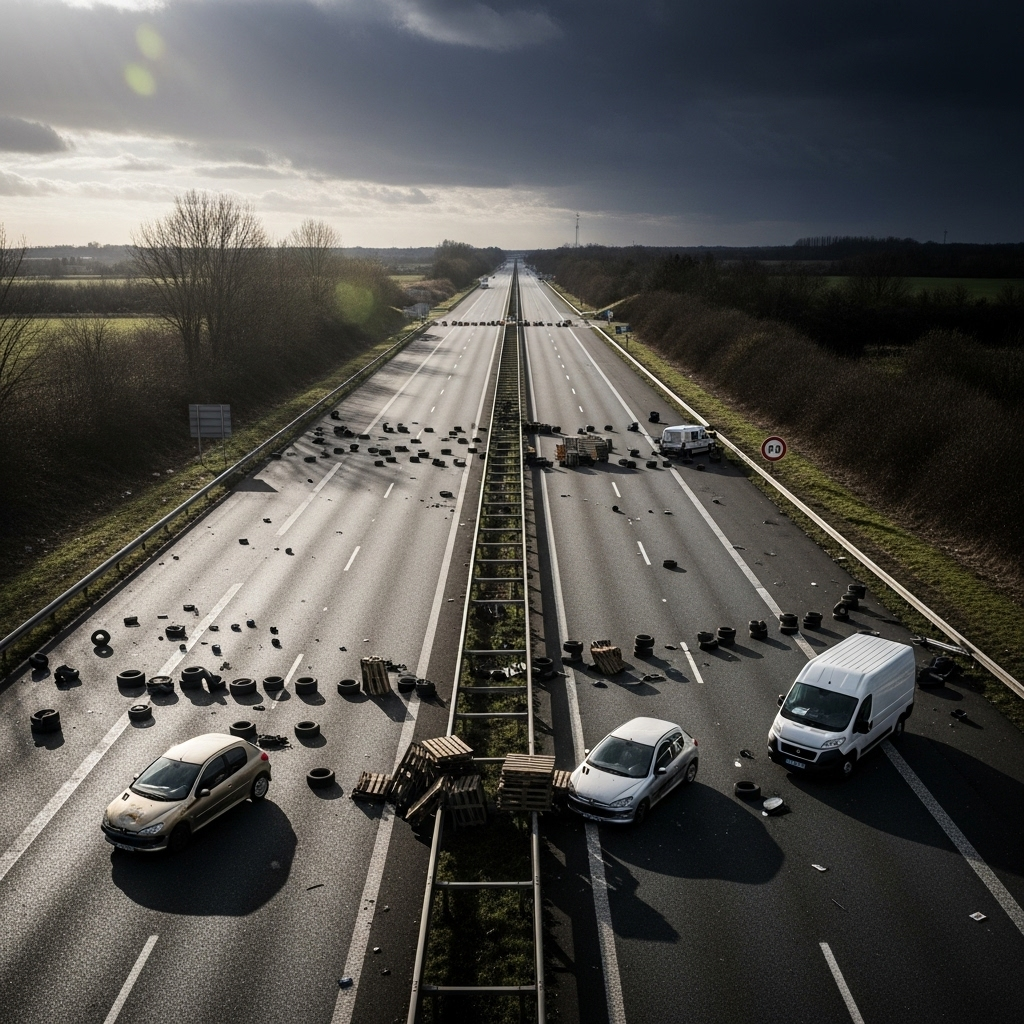
The effectiveness of the “‘block everything’ protests” lies in their decentralized and highly disruptive nature. Unlike traditional marches confined to city centers, these actions target the economic arteries of the nation. Protestors have focused on blocking major motorways, ring roads around cities like Paris and Lyon, and access to critical infrastructure.
In Marseille, demonstrators successfully blocked entry to the main port for several hours, preventing trucks from loading and unloading goods. In the north, near Calais, “go-slow” operations, known as opérations escargot (snail operations), caused miles-long tailbacks, severely impacting trade routes to the UK. An external report from Reuters confirmed that supply chains for fresh produce and manufactured goods are already experiencing significant delays.
“We have no choice,” said a farmer protesting near Lyon, who identified himself only as Jean-Pierre. “We have tried dialogue, we have tried petitions. Nothing works. They only listen when the economy stops. So, we will stop everything.”
The Government’s Response and Mass Arrests
The French government has walked a fine line between acknowledging the protestors’ grievances and maintaining public order. Initially, the response was measured, with calls for dialogue. However, as the blockades intensified and the economic costs mounted, the stance hardened.
Interior Minister Gérald Darmanin announced a “zero tolerance” policy for blockades that endanger lives or completely paralyze essential services. In a televised statement, he confirmed that law enforcement had been ordered to intervene and clear the most disruptive blockades. This led to clashes in several regions, with police using tear gas to disperse crowds.
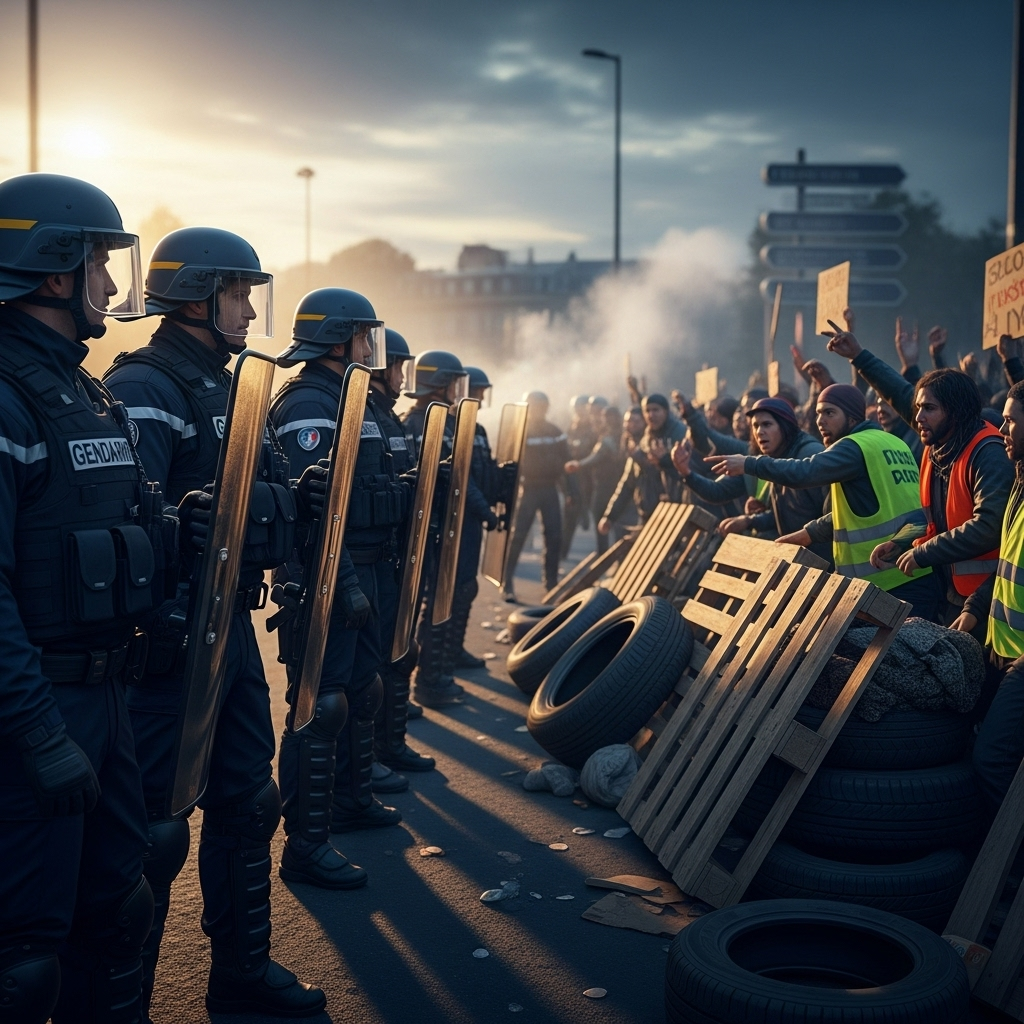
As of this morning, the Interior Ministry reported that more than 450 people have been arrested nationwide on charges including obstruction of traffic, destruction of public property, and violence against law enforcement officers. The government insists that the right to protest does not include the right to “take the country hostage.”
Economic and Social Impact
The economic fallout from the “‘block everything’ protests” is already significant. The national federation of road transporters has estimated daily losses in the tens of millions of euros due to delays and rerouting. Supermarkets are warning of potential shortages of certain goods if the blockades continue, and manufacturing plants have reported slowdowns due to delayed deliveries of raw materials.
Socially, the movement has divided public opinion. Polls show a degree of sympathy for the protestors’ underlying complaints, particularly regarding the cost of living. However, patience is wearing thin among commuters and citizens whose daily lives are severely disrupted. The debate highlights a core tension in modern democracies, which you can explore in our opinion piece on the line between protest and public nuisance.
The blockades have turned daily commutes into hours-long ordeals, caused people to miss medical appointments, and created an atmosphere of tension and uncertainty.
What’s Next for the Protest Movement?
The future of the “‘block everything’ protests” remains uncertain. The mass arrests may deter some, but they could also galvanize the movement’s more determined factions, leading to further radicalization. Protest organizers have already called for a “Black Tuesday,” promising even greater disruption next week if their demands are not met.
The Macron government is in a difficult position. Making significant concessions could be seen as rewarding disruptive tactics and may encourage future actions. However, ignoring the protestors’ demands risks prolonging the crisis and deepening the social fractures within the country. The government has offered to hold roundtable discussions with agricultural and transport union representatives, a move detailed on the official French government portal.
Ultimately, this wave of protests is more than just a reaction to a specific policy; it’s a symptom of a deeper societal malaise. It reflects a growing sentiment among a segment of the French population that they have been left behind by globalization and pro-business government reforms. How the government navigates this crisis will be a defining test of its second term and could shape the political landscape of France for years to come.
“`


