
‘block everything’ protests: Hundreds arrested in France
Major cities and transport routes across France have been brought to a standstill as the ongoing ‘block everything’ protests escalate, leading to clashes with police and the arrest of over 800 individuals. The nationwide movement, known as “Opération Tout Bloquer” in French, is a direct response to the government’s controversial new Digital Identity and Services Tax (DIST), which protesters claim is an unfair burden on citizens and a threat to privacy.
The demonstrations, which began early Monday morning, have seen thousands of people from various backgrounds unite to obstruct critical infrastructure, including major highways, fuel depots, and distribution centers. The government has vowed to restore order, but the movement shows no signs of abating.
What Are the ‘Block Everything’ Protests and Why Are They Happening?
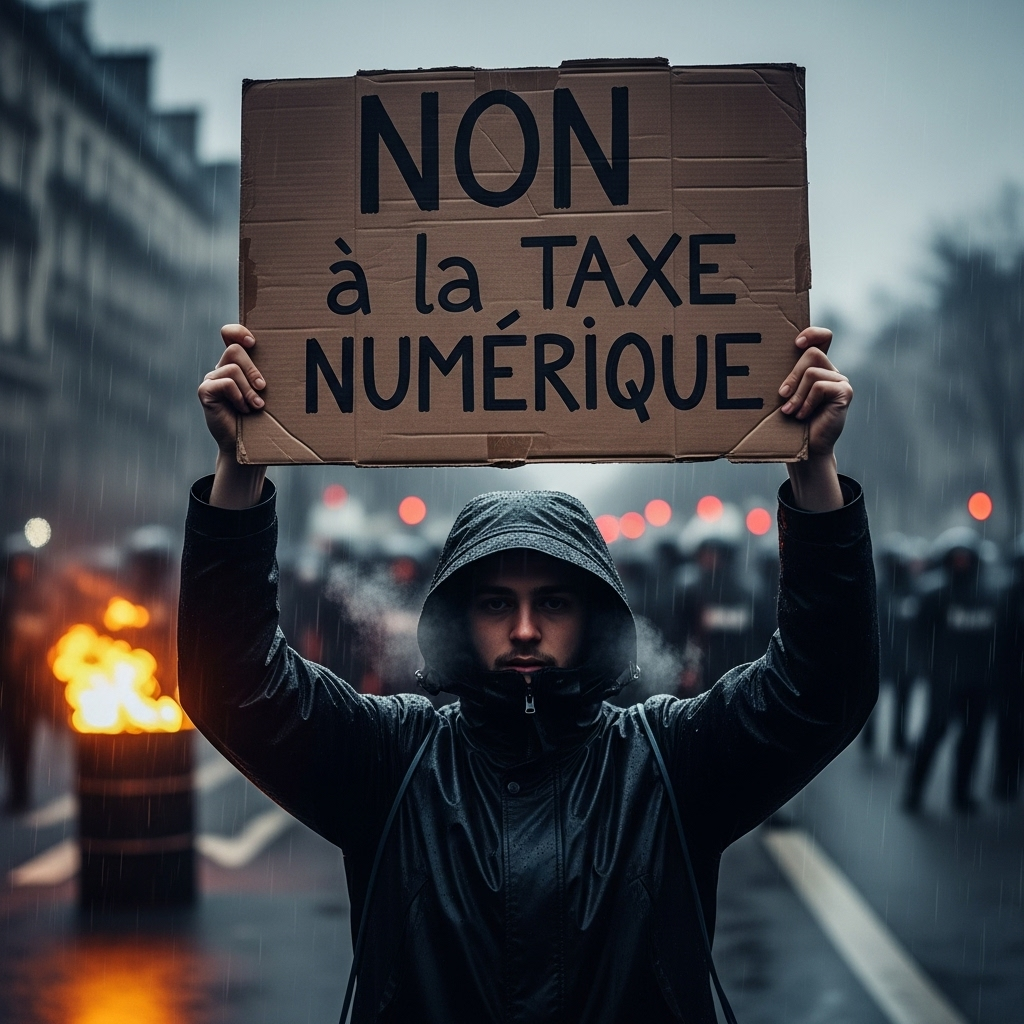
The catalyst for the current unrest is the newly legislated Digital Identity and Services Tax (DIST). Scheduled to take effect next month, the tax imposes a fee on a wide range of online services, from streaming subscriptions and e-commerce transactions to the mandatory registration for the new national digital ID card. The government argues the tax is necessary to fund cybersecurity upgrades and streamline public services.
However, protesters see it differently. For them, the DIST represents another financial squeeze on households already grappling with inflation. “This is not just a tax; it’s a penalty for living in the modern world,” said one protester in Lyon, who identified herself only as Marie. “They want to tax the internet, tax our data, and track our every move. We say ‘non’.”
This sentiment has fueled the ‘block everything’ protests, a decentralized movement largely coordinated through encrypted messaging apps. Unlike traditional union-led strikes, this movement draws participants from a broad societal cross-section, including students, small business owners, farmers, and tech workers. Their simple but effective strategy is to create maximum economic disruption to force the government to withdraw the tax legislation. Find out more about the current French economic policies in our related coverage.
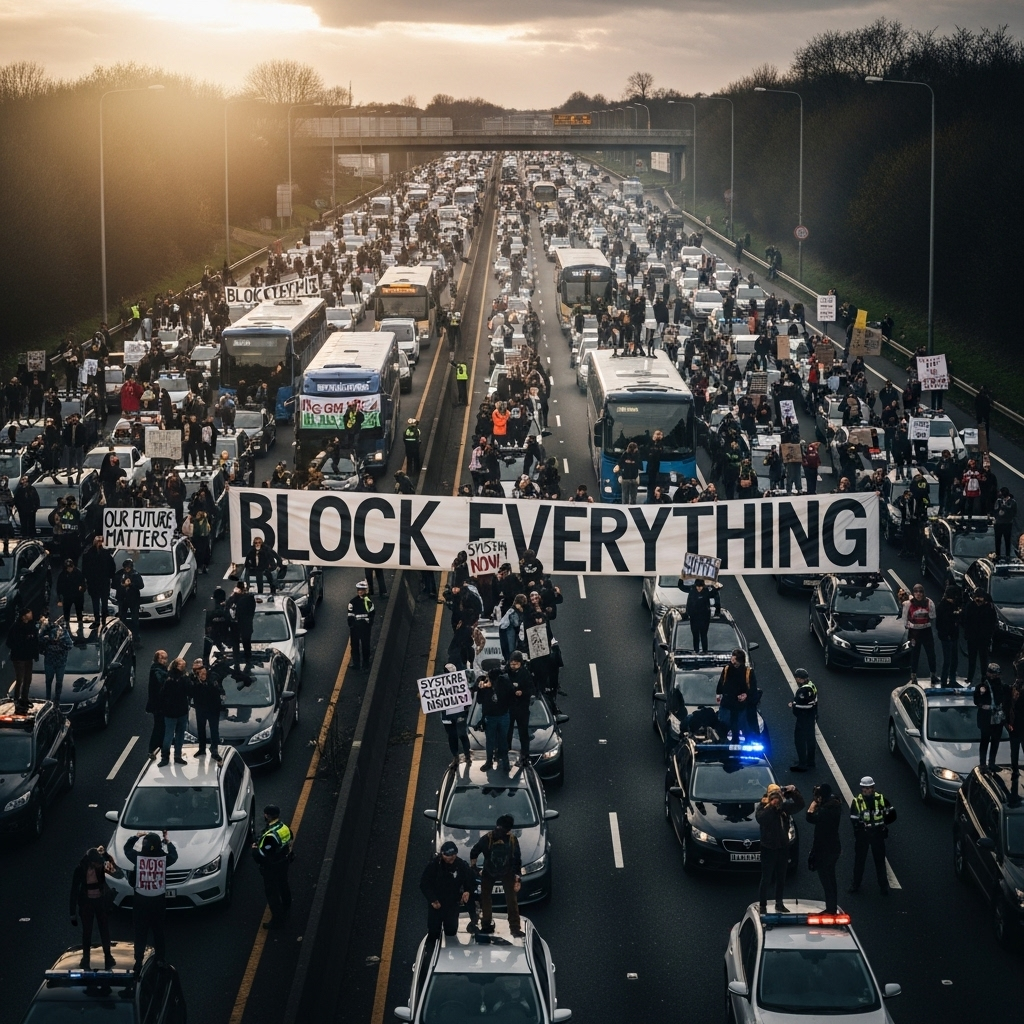
Nationwide Disruption: A Country at a Standstill
The impact of the ‘block everything’ protests was felt immediately across the country. Major motorways, including the A1 heading north from Paris and the A7 connecting Lyon and Marseille, were turned into parking lots as protesters used vehicles and makeshift barricades to stop traffic. In the port city of Le Havre, access roads to the container terminals were completely blocked, halting the flow of goods.
The blockades have had a significant knock-on effect:
- Supply Chains Paralyzed: Supermarkets are already warning of potential shortages as distribution centers are unable to dispatch trucks.
- Fuel Scares: At least 20% of petrol stations in the Île-de-France region around Paris are reporting low or no fuel after protesters targeted major depots.
- Commuting Chaos: Public transport in major cities has been severely affected, with many citizens unable to get to work, forcing businesses and schools to close.
The economic cost is estimated to be running into the hundreds of millions of euros per day. The National Federation of Road Hauliers (FNTR) has called the situation “catastrophic” for their industry and urged the government to take immediate action to clear the roads.
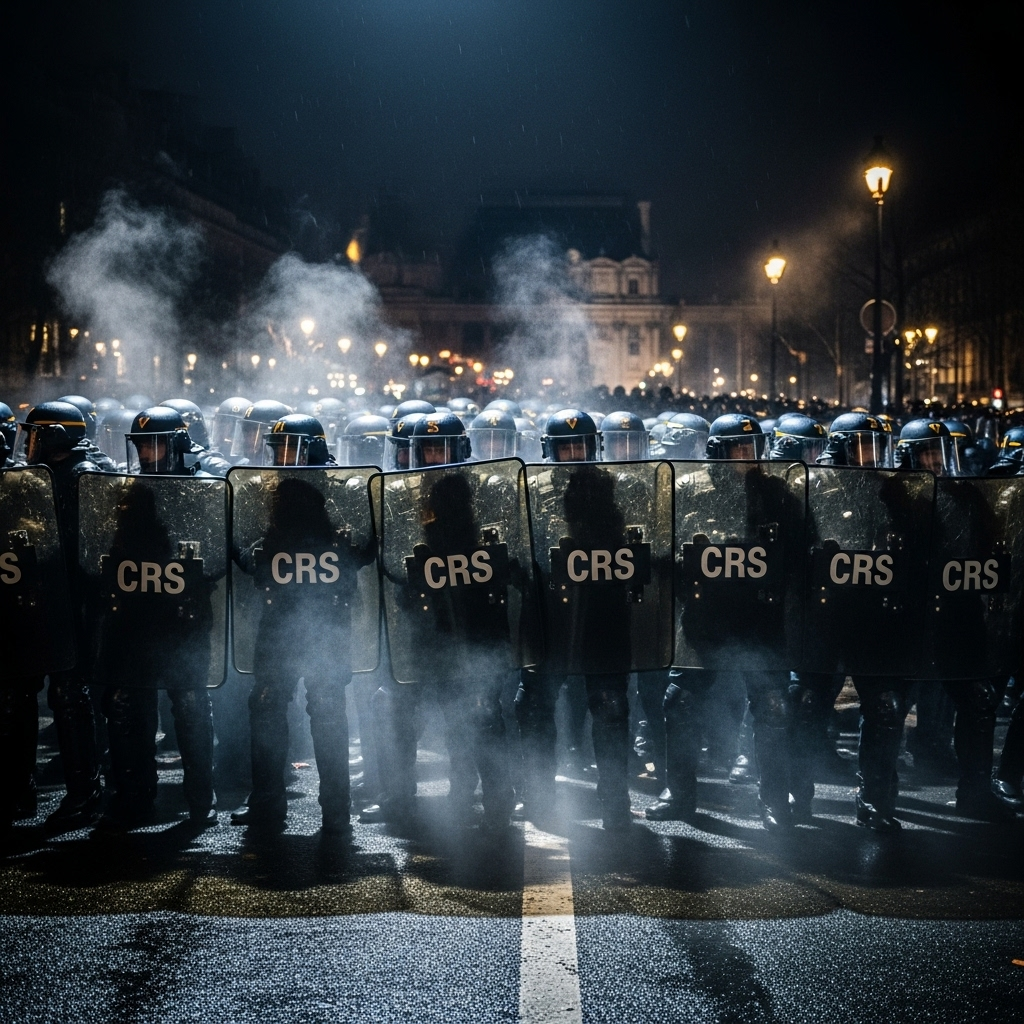
The Government Response: Crackdown and Mass Arrests
Initially caught off guard by the scale of the mobilization, the French government has adopted a hardline stance. Interior Minister Gérald Darmanin condemned the blockades as “an unacceptable seizure of the country” and authorized police to use force to clear obstructions.
This has led to tense and sometimes violent confrontations. In Rennes and Toulouse, police deployed tear gas and water cannons against protesters who refused to disperse. Across the country, authorities confirmed that over 800 arrests have been made since Monday, mostly for obstructing traffic and resisting police orders.
President Emmanuel Macron, speaking from a summit in Brussels, stated that while the “right to protest is legitimate,” the “right to block and paralyze the lives of our fellow citizens is not.” He insisted that the DIST law would not be withdrawn, calling it a “necessary reform for the sovereignty and security of our nation.” For official statements, you can visit the French government’s official website.
What’s Next for France and the Protest Movement?
With both sides digging in their heels, the immediate future looks uncertain. The ‘block everything’ protests have clearly tapped into a deep well of public discontent, reminiscent of the “Gilets Jaunes” (Yellow Vests) movement that rocked France years ago. The key difference is the current movement’s explicit focus on digital rights and its more diverse coalition of supporters.
Labor unions, who were initially on the sidelines, have now called for a general strike on Friday in solidarity with the protesters, a move that could paralyze the country even further. Opposition parties in parliament are attempting to force an emergency debate on the DIST, hoping to capitalize on the government’s political vulnerability.
The critical question is whether the movement can sustain its momentum in the face of a determined police crackdown and growing public frustration over the disruptions. The government is betting that the blockades will eventually collapse under their own weight. However, the protesters are equally determined, viewing this as a last-stand battle against what they perceive as an overreaching and out-of-touch government. The coming days will be crucial in determining the outcome of this conflict and the future of French politics.
“`


