
‘Block everything’ protests: 100s Arrested Across France
France has been brought to a standstill as the ‘block everything’ protests escalated dramatically over the past 48 hours, leading to widespread travel chaos and the arrest of several hundred individuals. Major highways, city centers, and strategic infrastructure points have become the epicenters of a nationwide movement decrying the rising cost of living and controversial new government economic policies. The French Interior Ministry has confirmed a robust police response to clear the blockades, signaling a potential turning point in the standoff.
The movement, which organized largely through social media under the hashtag #BloquezTout (Block Everything), has seen participation from a diverse cross-section of society, including farmers, transport workers, and everyday citizens feeling the economic squeeze. This article breaks down the origins of the protests, the government’s response, and what might come next.
In This Article:
What Are the ‘Block Everything’ Protests?
The ‘block everything’ protests are a series of decentralized, grassroots demonstrations that have erupted across France. Unlike traditional union-led strikes, this movement lacks a single formal leadership structure, making it both highly agile and difficult for authorities to negotiate with. The core grievance fueling the unrest is economic hardship. Protesters point to soaring fuel prices, stagnant wages, and a new raft of environmental taxes that they claim disproportionately affect lower and middle-income households.
The name “block everything” is a literal description of the protesters’ primary tactic: creating human and vehicular barricades to shut down the country’s economic arteries. Their goal is to apply maximum pressure on President Macron’s government to force a policy reversal. The movement echoes sentiments from the “Yellow Vests” (Gilets Jaunes) protests years prior, but with a renewed sense of urgency and a broader base of support.
Analysts suggest that the timing is critical, coming just as the government prepared to roll out its autumn budget. “This is a pre-emptive strike by the people,” noted one sociologist. “They feel unheard and are using the only leverage they believe they have left—disruption.”
Major Disruptions and Key Locations
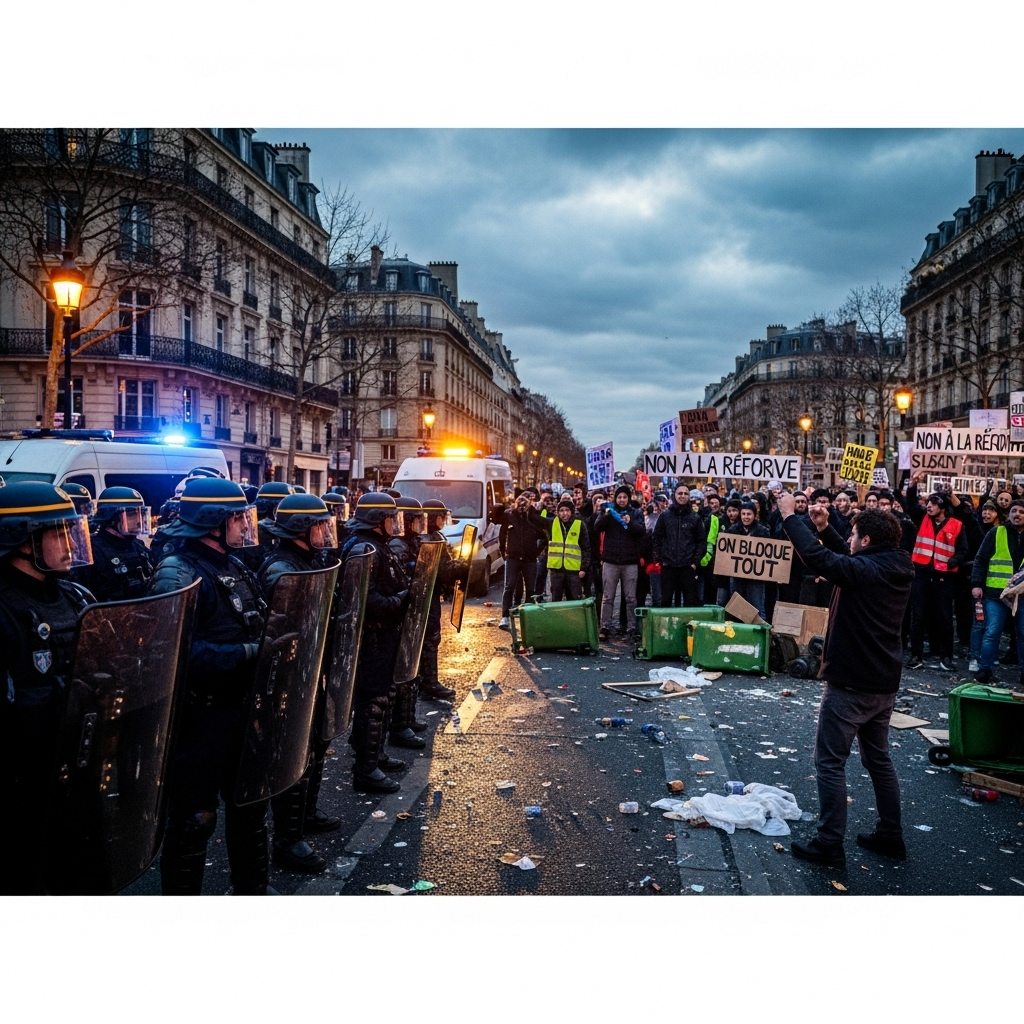
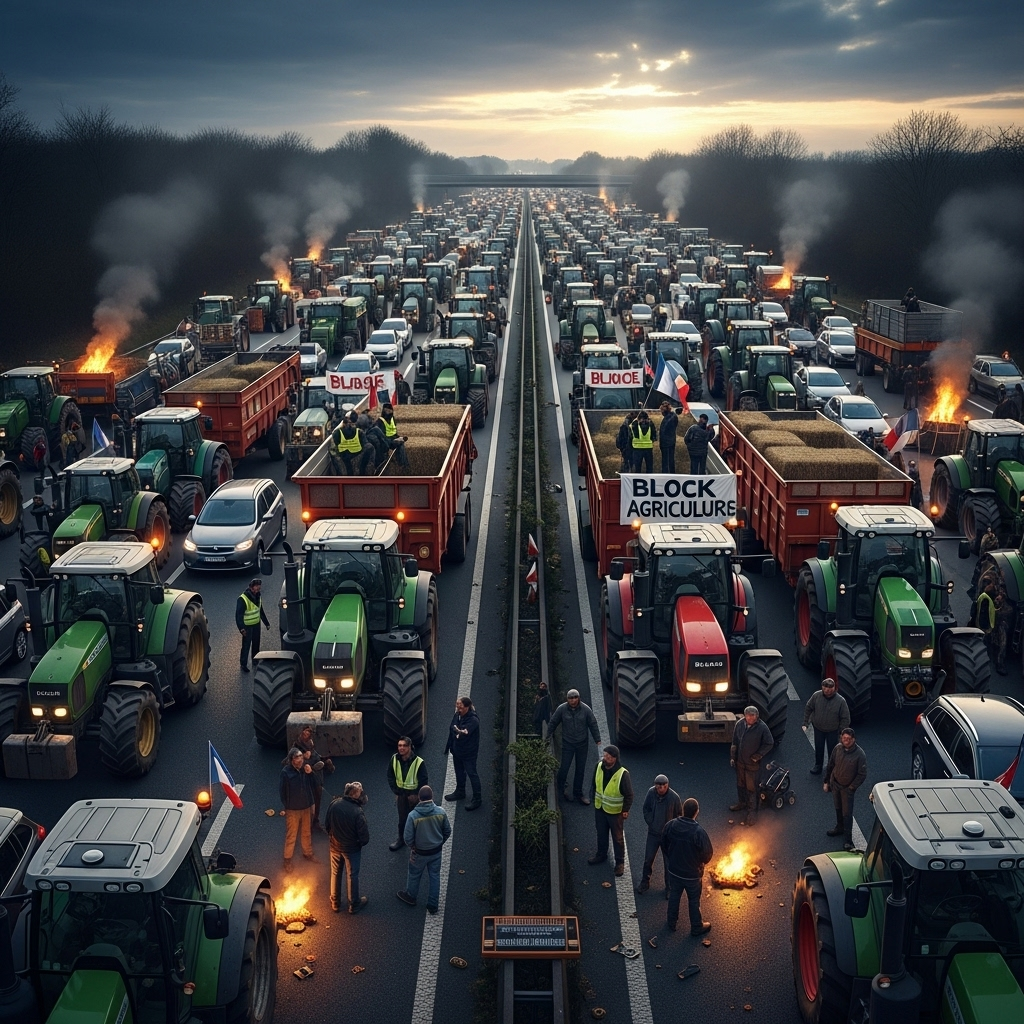
The impact of the protests has been felt from the bustling streets of Paris to the rural countryside. Major autoroutes, including the A1 connecting Paris and Lille and the A7 leading south to Marseille, have been effectively shut down in several key areas. Protesters used cars, tractors, and burning tires to form impassable blockades, causing traffic jams that stretched for dozens of kilometers.
In major cities, so-called “snail operations” (opérations escargot) saw convoys of vehicles driving at painstakingly slow speeds, choking urban traffic. Key strategic points were also targeted, including:
- Port of Le Havre: Access roads to one of France’s largest shipping ports were blocked, halting the flow of goods.
- Refinery Depots near Lyon: Demonstrators attempted to block fuel distribution centers, raising concerns about potential gasoline shortages.
- Rungis International Market: The massive wholesale food market that supplies Paris and the surrounding region was a primary target, threatening the capital’s food supply chain.
The economic cost of the disruption is already estimated to be in the hundreds of millions of euros. Commuters have been unable to get to work, supply chains are fractured, and the country’s reputation as a reliable logistics hub is taking a hit.
The Government’s Response and Mass Arrests
The French government’s initial plea for calm and dialogue quickly gave way to a more forceful approach as the blockades intensified. Interior Minister Gérald Darmanin announced a “zero tolerance” policy for actions that endanger public safety and cripple the national economy. Over the last 24 hours, more than 15,000 police and gendarmes have been deployed to dismantle the barricades.
Clashes were reported in several locations as security forces used tear gas and water cannons to disperse crowds. The Interior Ministry confirmed that at least 450 arrests have been made nationwide on charges ranging from obstructing traffic to violence against law enforcement officers. “While the right to protest is a fundamental freedom, the right to block, to vandalize, and to intimidate is not,” Darmanin stated in a press conference. “We will restore public order with determination.”
Despite the crackdown, protest organizers have called on participants to remain mobilized, promising new, unannounced actions in the coming days. The government is now in a difficult position, attempting to project strength while avoiding actions that could further inflame public anger and escalate the crisis.
A Closer Look at the Protesters’ Demands
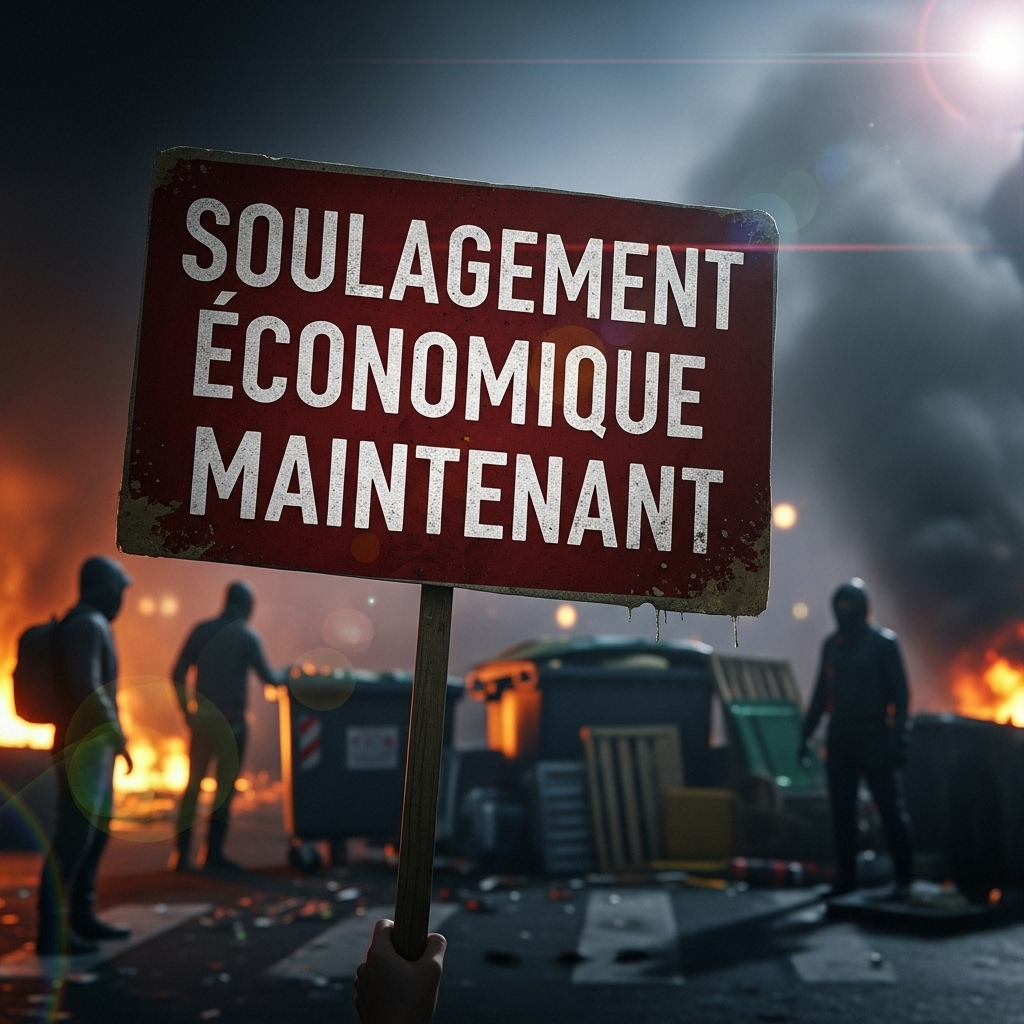
While the movement is diverse, a clear set of core demands has emerged from various protester groups and online forums. The primary focus is immediate economic relief. This includes a cap on fuel and energy prices, a substantial increase in the minimum wage, and the immediate suspension of the new “eco-tax” on commercial vehicles.
Farmers, a significant contingent within the ‘block everything’ protests, are also demanding a rollback of what they see as restrictive EU environmental regulations and fairer pricing from large supermarket chains. Their involvement highlights a deeper rural-urban divide and a feeling that agricultural communities are being sacrificed for green policies made by out-of-touch urban elites. For more on the background of these agricultural tensions, see our related report on Europe’s growing farmer protests.
Many protesters are also calling for greater use of citizen-initiated referendums (RIC), a key demand from the Yellow Vests era, to give the populace more direct control over policymaking. This points to a profound lack of faith in the current political process. Further details on the official government response can often be found on the French Ministry of the Interior’s website.
What’s Next for the Protest Movement?
The future of the ‘block everything’ protests hangs in the balance. The government’s firm response and the mass arrests could either intimidate protesters into submission or galvanize them further, potentially attracting even more support from a sympathetic public. The next 72 hours will be crucial.
If the blockades persist and expand, France could face severe fuel and food shortages, pushing the crisis into a new and more dangerous phase. President Macron’s government faces a critical test. Making concessions could be seen as a sign of weakness and encourage future disruptive protests. However, refusing to negotiate could prolong the chaos and risk a complete breakdown of social order.
For now, the country remains on edge. The protesters’ resolve seems strong, and with public support polling at over 60%, the government cannot simply dismiss the movement. The ‘block everything’ protests have successfully forced a national conversation, but whether it leads to meaningful dialogue or deeper division remains to be seen.


