
‘Block everything’ protests: Over 200 arrested in France
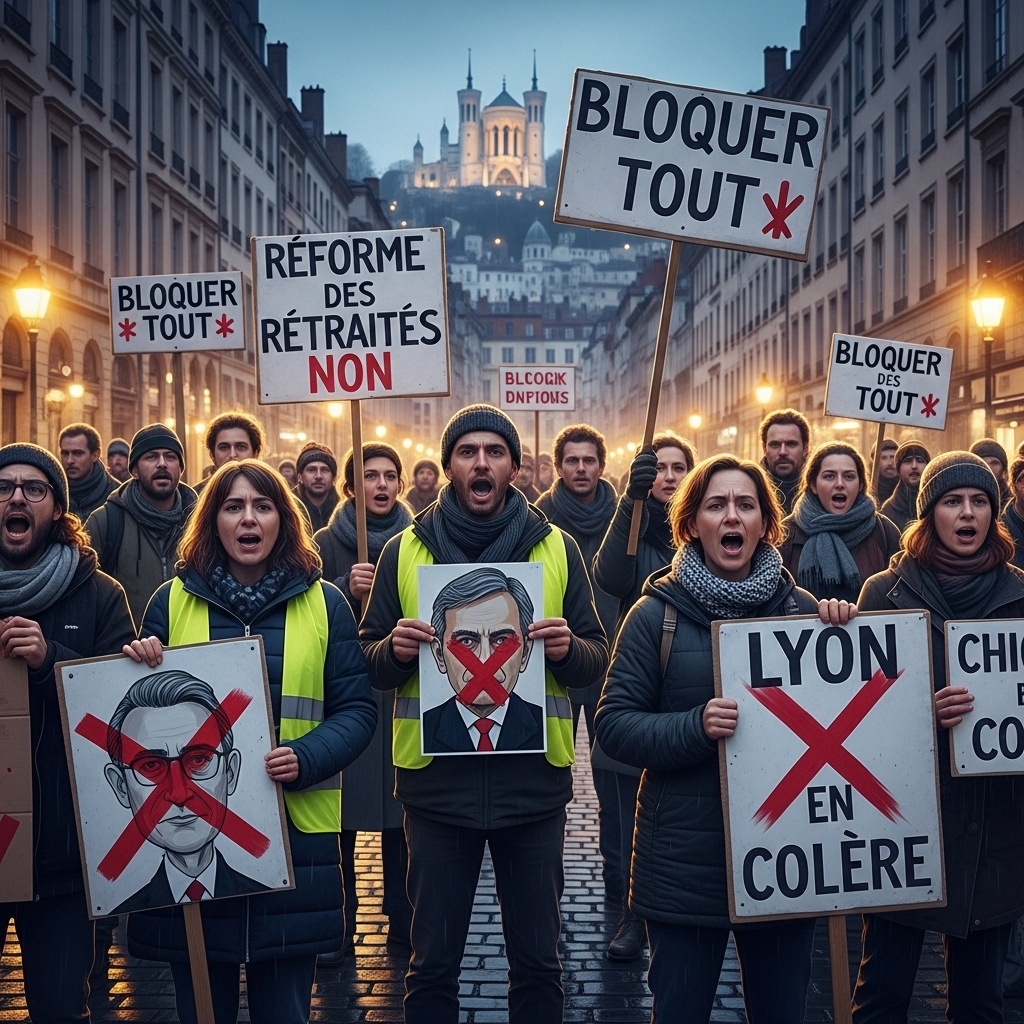
Major French cities were brought to a standstill on Thursday as the so-called ‘block everything’ protests saw demonstrators clash with police, leading to widespread disruption and the arrest of over 200 individuals. The coordinated actions, organized largely through social media, targeted key infrastructure including highways, train stations, and government buildings in a nationwide show of dissent against recent economic policies.
The protests represent the most significant civil unrest France has seen since the Yellow Vest movement, raising serious questions about social stability and the government’s ability to manage public anger. This article breaks down the causes, events, and potential consequences of this disruptive day of action.
Table of Contents
What Sparked the ‘Block Everything’ Protests?
The roots of the ‘block everything’ protests are multifaceted, stemming from a combination of economic hardship, environmental policy frustration, and a general sense of political disenfranchisement. The primary catalyst appears to be the government’s newly announced “Eco-Solidarity Pact,” a package of measures intended to accelerate the country’s green transition.
While laudable in its goals, critics argue the pact disproportionately burdens lower and middle-income households. Key grievances include:
- A proposed fuel tax increase: Aimed at discouraging the use of fossil-fuel-powered vehicles, this measure has been criticized for penalizing rural and suburban commuters who lack viable public transport alternatives.
- Stricter emissions standards for housing: Homeowners face costly mandatory renovations to meet new energy efficiency standards, with government subsidies seen as insufficient.
- Perceived inequality: Protestors claim that large corporations have not been asked to make equivalent sacrifices, fueling a narrative of an unjust transition.
These specific policies have tapped into a deeper well of discontent over the rising cost of living, stagnant wages, and a feeling that the government is out of touch with the daily struggles of ordinary citizens. Organizers used encrypted messaging apps and social media platforms to galvanize support, calling for a day of total disruption to force the government’s attention.
A Day of Disruption: How the Protests Unfolded
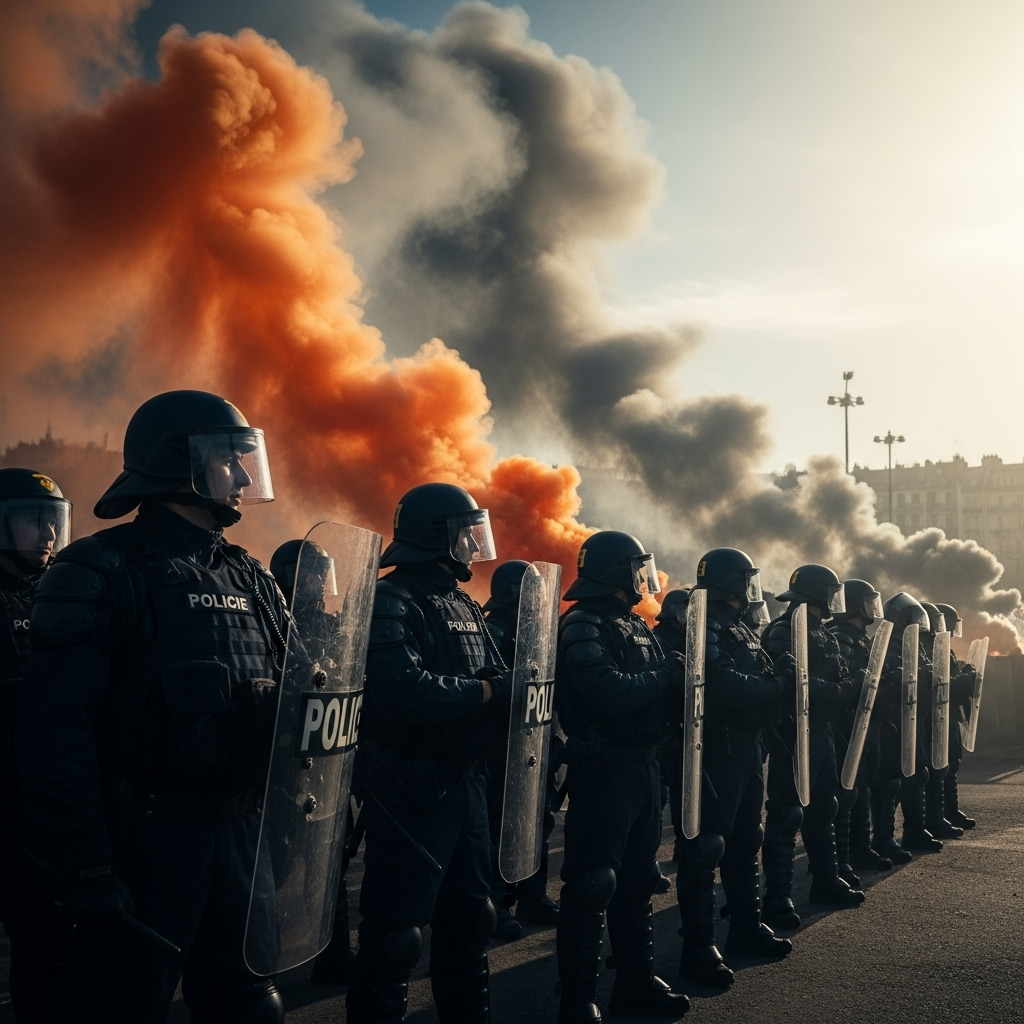
The ‘block everything’ protests began in the early morning hours, with coordinated actions causing immediate chaos. In Paris, protestors blocked several key entry points of the Périphérique ring road, creating massive traffic jams that stretched for kilometers. Clashes erupted near the Place de la République, where police used tear gas to disperse crowds attempting to march toward the Elysée Palace.
In Marseille, demonstrators occupied the main railway station, the Gare de Marseille-Saint-Charles, forcing a complete shutdown of all train services for several hours. Port workers joined the protest, using vehicles to block access to the city’s vital commercial port. The scene was one of organized chaos, designed for maximum economic impact.
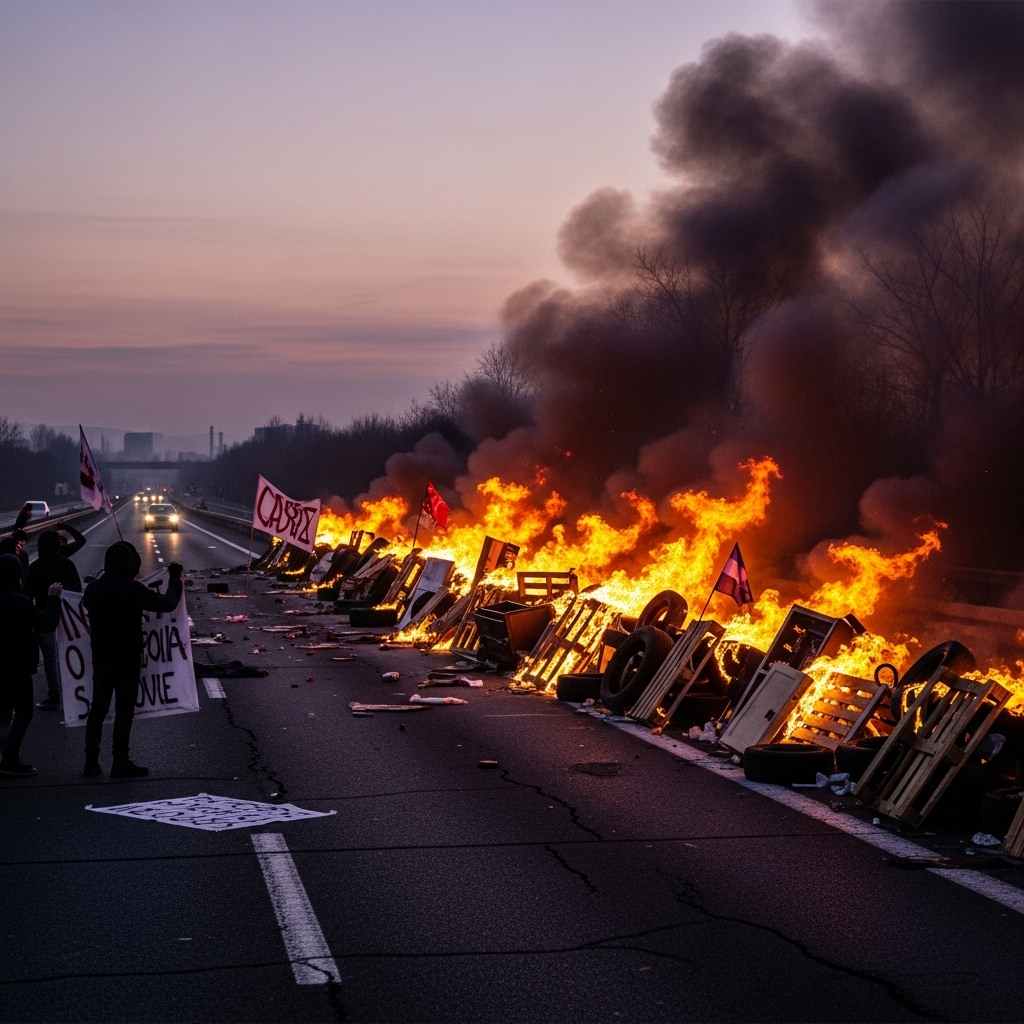
Similar scenes played out across the country. In Lyon, protestors blocked major bridges over the Rhône and Saône rivers, while in Bordeaux, activists set up barricades of burning tires on the A10 motorway, a critical artery connecting Paris to southwestern France. The strategy was clear: to cripple the nation’s logistical and transport networks simultaneously.
The protests were not centrally led by a single union or political party, much like the Yellow Vest movement. This decentralized structure makes it difficult for authorities to negotiate and underscores the grassroots nature of the anger.
The Official Response: Statements and Mass Arrests
The government’s response was swift and firm. Interior Minister Gérald Darmanin condemned the violence and disruption in a televised address, stating, “The right to protest does not mean the right to block everything, to vandalize, or to attack our police forces.” He confirmed that over 40,000 police officers and gendarmes had been deployed nationwide to manage the situation.
Throughout the day, police systematically moved to clear blockades and disperse crowds. The heavy-handed tactics in some cities drew criticism from human rights groups, but the government defended its actions as necessary to restore public order. By late evening, the Interior Ministry reported that at least 214 arrests had been made across the country for charges including destruction of public property, violence against law enforcement, and obstructing traffic.
President Emmanuel Macron, who was attending an international summit, has yet to comment directly, but a spokesperson for his office stated that the government “hears the concerns” of the French people but “will not yield to violence.” This sets the stage for a tense political standoff in the coming days. For official statements, citizens are often directed to resources like the French Interior Ministry’s website.
Broader Context: France’s History of Protest
Today’s ‘block everything’ protests are part of a long and storied tradition of social protest in France. From the French Revolution to the student-led riots of May 1968, mass mobilization has often been a primary vehicle for political change. In recent years, the gilets jaunes (Yellow Vests) movement provided a clear precedent for this type of leaderless, digitally-organized protest against economic pressures and perceived government aloofness.
The tactics seen today—blocking roundabouts, highways, and fuel depots—were honed during the Yellow Vest protests. This new movement, however, appears to have a broader coalition of participants, including environmental activists frustrated with the pace of change and traditional union members concerned about job security. This blend of grievances makes the movement particularly potent and difficult to appease with simple policy tweaks. For a deeper analysis of the country’s economic direction, see our recent report on French economic reforms.
What Happens Next?
With over 200 people arrested and significant property damage reported, the immediate aftermath will be dominated by legal and political fallout. The government faces a difficult balancing act: it must project an image of strength and control while also addressing the legitimate grievances that fueled the ‘block everything’ protests to prevent further escalation.
Protest organizers have already called for another day of action next week if their demands are not met. The key question is whether the movement can sustain its momentum or if the mass arrests and strong police presence will deter future participation. The government’s next move—whether to open dialogue, offer concessions on the Eco-Solidarity Pact, or double down on its security-focused approach—will be critical in determining the trajectory of this burgeoning social crisis.
For now, a tense calm has returned to France’s streets, but the underlying anger that sparked the ‘block everything’ protests remains far from resolved. The nation watches and waits to see if this was a one-day explosion of rage or the beginning of a prolonged and destabilizing social conflict.
“`


