
‘Block Everything’ Protests: Over 200 Arrested in France
Table of Contents
- What Are the ‘Block Everything’ Protests?
- The Catalyst: New Economic Policies Spark Widespread Unrest
- Escalation of the ‘Block Everything’ Protests in Major Cities
- Police Response and Mass Arrests
- The Economic and Social Impact of the Blockades
- What’s Next for the Movement and the Government?
What Are the ‘Block Everything’ Protests?
France has been gripped by a wave of intense civil disobedience, widely dubbed the ‘block everything’ protests, which brought major cities to a standstill this week. The demonstrations, organized by a coalition of labor unions and grassroots activist groups, saw thousands of protesters strategically blocking key infrastructure. Highways, distribution centers, public transit hubs, and government buildings were targeted in a coordinated effort to paralyze the nation’s economy and force the government to address their grievances. The resulting clashes with law enforcement have led to over 200 arrests, primarily in Paris, Lyon, and Marseille.
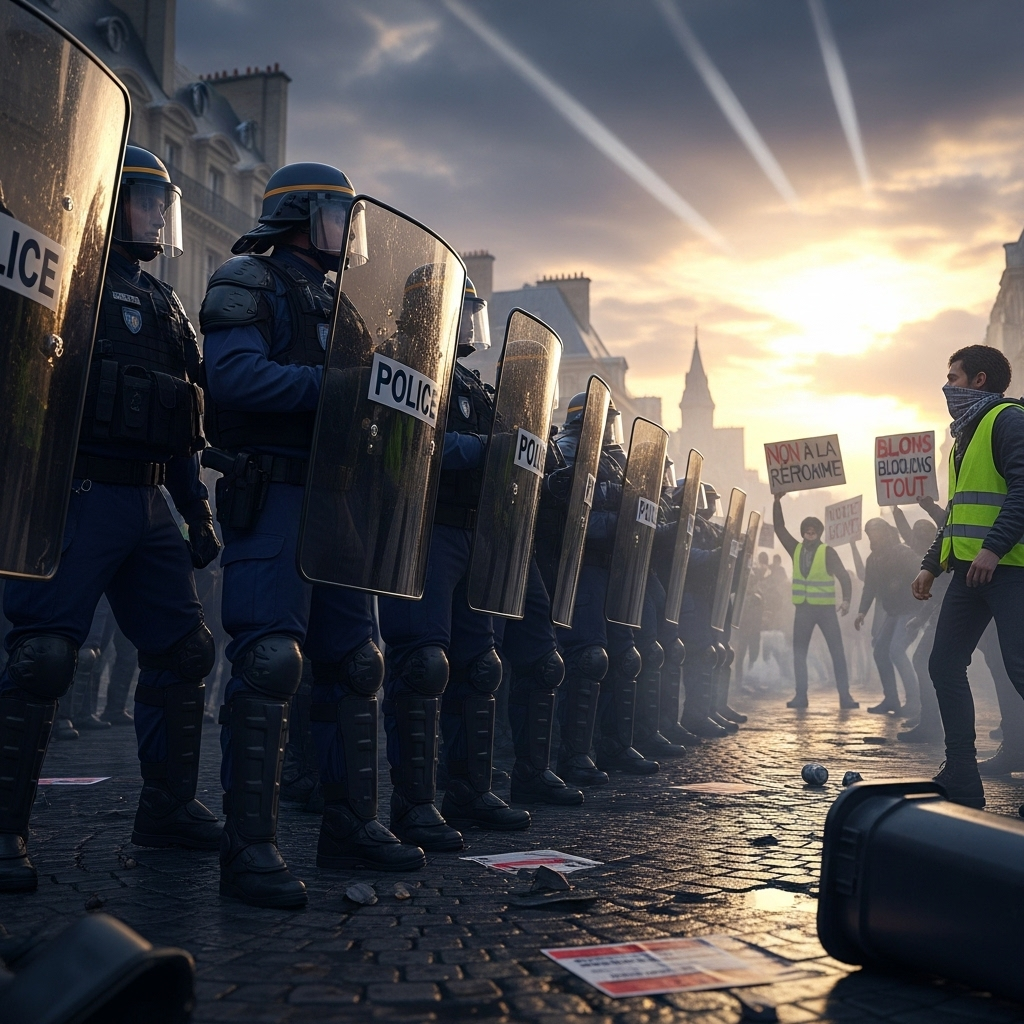
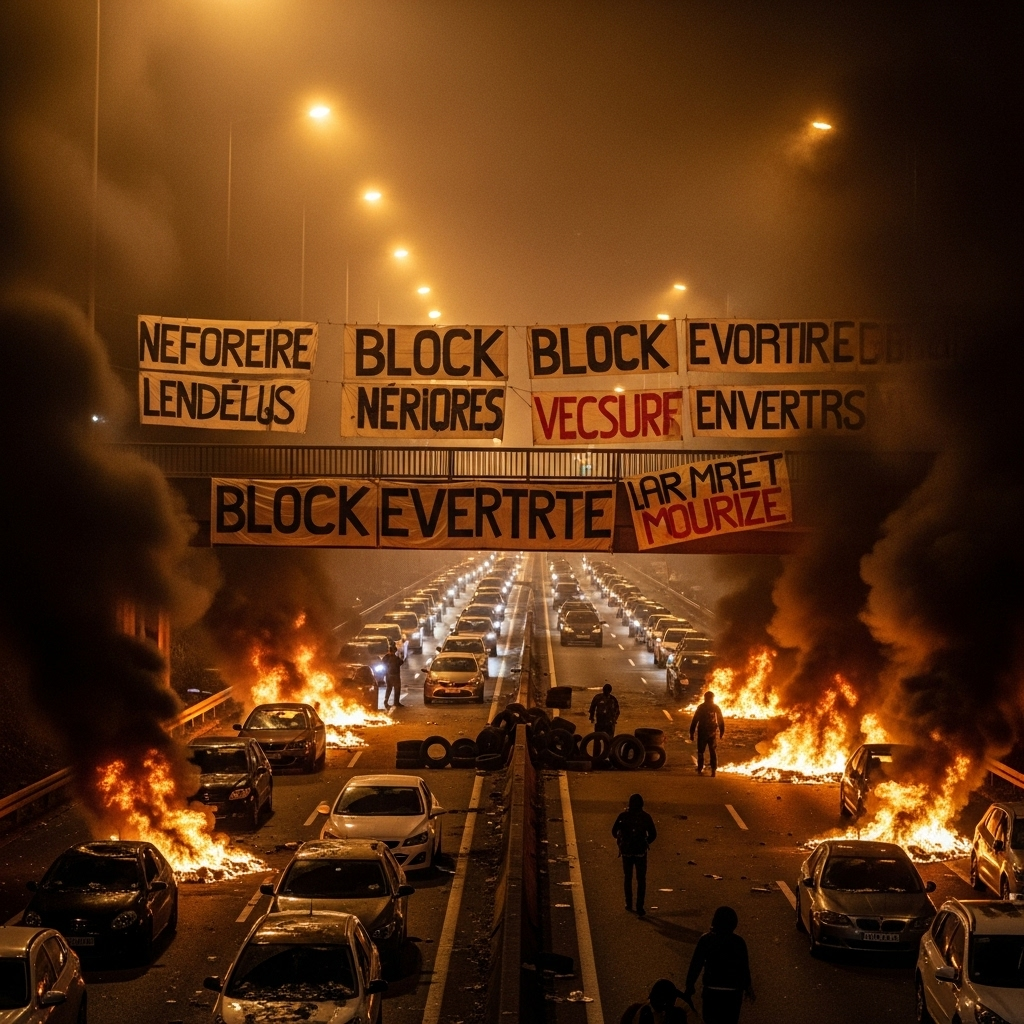
The movement’s name, ‘Tout Bloquer’ or ‘Block Everything’, is a literal representation of its tactics. Protesters aim to create maximum disruption to daily life and commerce, arguing that it is the only way to make their voices heard by a government they claim is unresponsive to the needs of its working-class citizens. This form of protest has created significant tension, with scenes of burning barricades and tense standoffs with riot police dominating the news cycle.
The Catalyst: New Economic Policies Spark Widespread Unrest
The immediate trigger for the nationwide ‘block everything’ protests is the government’s controversial “Economic Vitality Act.” The package of reforms, fast-tracked through the National Assembly last month, includes several contentious measures. Among the most criticized are an increase in the retirement age from 64 to 65, cuts to unemployment benefits, and a loosening of environmental regulations for major industrial projects.
Union leaders have condemned the act as a “direct assault on workers’ rights and social protections.” They argue that the policies disproportionately benefit large corporations at the expense of ordinary citizens, many of whom are already struggling with the rising cost of living. “This government speaks of ‘vitality’ but is draining the life out of the French worker,” said Sophie Dubois, a prominent union spokesperson, in a fiery speech in Lyon. For a deeper dive into the specific articles of the legislation, you can see our detailed analysis of the new economic reforms.
The government, led by President Emmanuel Macron, maintains that the reforms are essential for France’s long-term economic competitiveness and fiscal stability. Ministers have defended the act as a necessary, albeit difficult, step to ensure the sustainability of the nation’s pension system and to attract foreign investment. This defense has done little to quell the public’s anger.
Escalation of the ‘Block Everything’ Protests in Major Cities
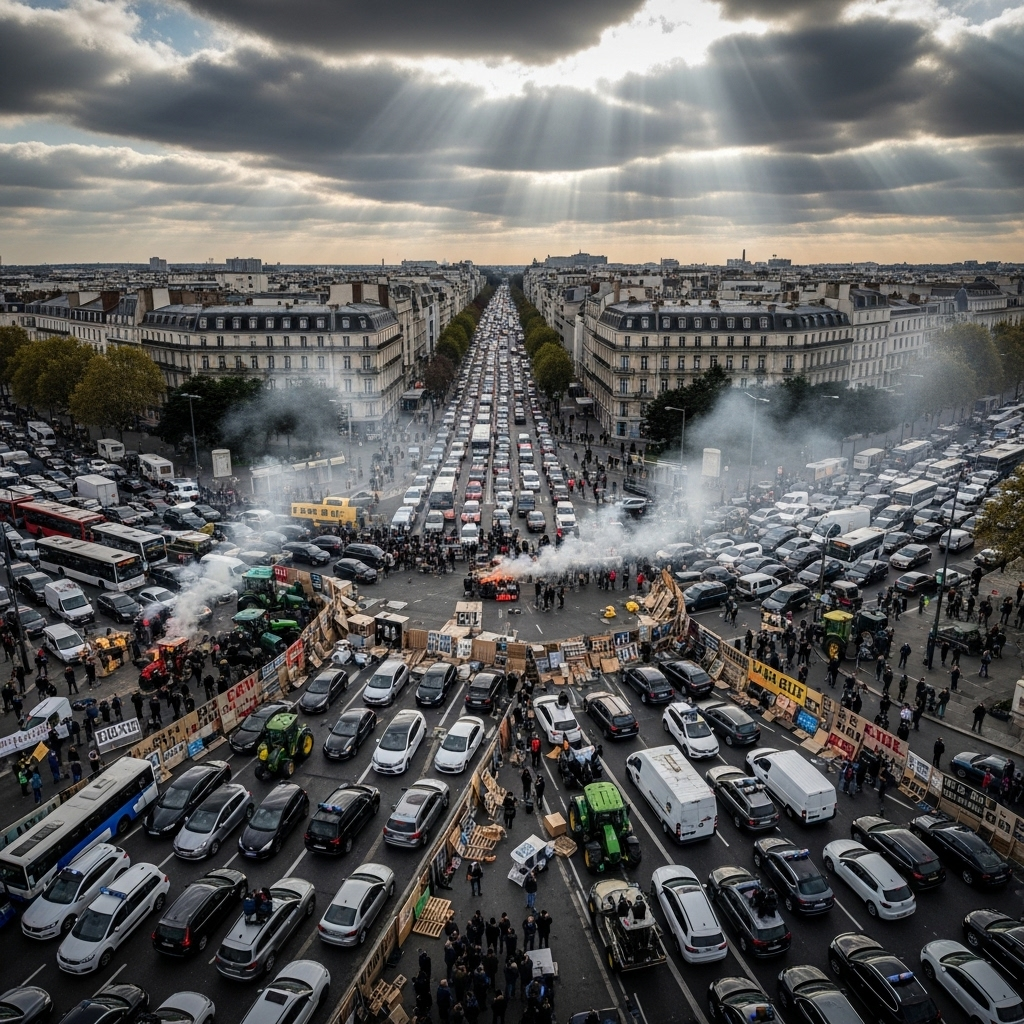
What began as localized strikes quickly escalated into the highly coordinated ‘block everything’ protests across France. In Paris, demonstrators blocked major arteries, including the Périphérique ring road, causing miles of traffic jams that lasted for hours. Iconic squares like the Place de la République became focal points for rallies that later descended into skirmishes with police.
In the southern port city of Marseille, protesters targeted the flow of goods by blockading access to the main commercial port. Docks were rendered inaccessible, and shipping containers were used to build makeshift walls. Similar scenes unfolded in Lyon, where activists shut down the main train station, Gare de Lyon-Part-Dieu, disrupting national and international rail services. The protesters’ tactics were clear: to hit the economy where it hurts most by disrupting logistics and transport.
Eyewitnesses described a highly organized movement. “They were communicating via encrypted apps, deploying teams to different locations simultaneously. This wasn’t a spontaneous outburst; it was a planned operation,” one observer told a local news affiliate. This level of coordination suggests a sophisticated network of activists determined to sustain the pressure on the government.
Police Response and Mass Arrests
The French government’s response has been firm. Interior Minister Gérald Darmanin authorized a significant deployment of national police and gendarmes, vowing to “restore public order” and ensure freedom of movement. Law enforcement officers, equipped with riot gear, tear gas, and water cannons, were tasked with dismantling the blockades.
The confrontations have been intense. In Paris alone, more than 120 people were arrested for offenses ranging from failure to disperse to destruction of public property and violence against law enforcement officers. Across the country, the total number of arrests has surpassed 200. The Interior Ministry reported that dozens of police officers sustained minor injuries during the clashes.
Human rights organizations and some opposition politicians have raised concerns about the police tactics, citing instances of what they describe as excessive force. Videos circulating on social media show police using batons and tear gas on seemingly peaceful demonstrators. The government has defended the police actions as a “proportional and necessary response” to illegal and dangerous activities. According to an official statement reported by Reuters, investigations will be opened into any credible allegations of police misconduct.
The Economic and Social Impact of the Blockades
The ‘block everything’ protests have had a tangible and immediate impact on the French economy. The National Federation of Road Haulage reported estimated losses of over €50 million per day due to the highway blockades. Supply chains have been severely disrupted, leading to reports of empty shelves in some supermarkets and delays in deliveries for businesses of all sizes.
Beyond the direct economic costs, the social fabric has been strained. While many citizens express support for the protesters’ underlying grievances, the disruptive tactics have frustrated commuters, small business owners, and parents unable to get their children to school. Public opinion remains deeply divided, with polls showing a near-even split between those who support the protests and those who condemn the methods used.
The tourism sector, a vital part of the French economy, has also been hit. Images of street battles and burning barricades are a major deterrent for international visitors, leading to a spike in hotel and flight cancellations, particularly in Paris.
What’s Next for the Movement and the Government?
With union leaders calling for the protests to continue “indefinitely” until the Economic Vitality Act is withdrawn, France appears to be heading for a prolonged period of social conflict. The government shows no signs of backing down, framing the standoff as a test of its resolve to modernize the French economy. President Macron is expected to address the nation in the coming days to defend his policies and call for an end to the blockades.
The key question is whether the protest movement can maintain its momentum in the face of mass arrests and growing public frustration with the disruptions. The ‘block everything’ protests have successfully captured national and international attention, but their ultimate success will depend on their ability to translate that attention into political concessions. As both sides dig in, the immediate future for France looks set to be one of continued tension and confrontation. For ongoing updates, follow our live coverage of the situation.


