
‘Block everything’ protests: Over 100 arrested in France
France has been rocked by a new wave of disruptive demonstrations, with the latest ‘block everything’ protests resulting in significant clashes with police and over 100 arrests in major cities. Activist groups, citing government inaction on climate change and social inequality, have escalated their tactics, aiming to bring urban centers to a complete standstill. The coordinated actions saw major highways, public transport hubs, and government buildings targeted, sparking a fierce response from authorities and a mixed reaction from a public weary of disruption.
The protests, organized under the “Opération Tout Bloquer” (Operation Block Everything) banner, represent a significant escalation from previous environmental demonstrations. This movement brings together a coalition of climate activists, anti-capitalist groups, and disillusioned citizens who feel that traditional forms of protest have been ineffective. Their core demand is radical and immediate government policy shifts to address the climate emergency and economic injustice.
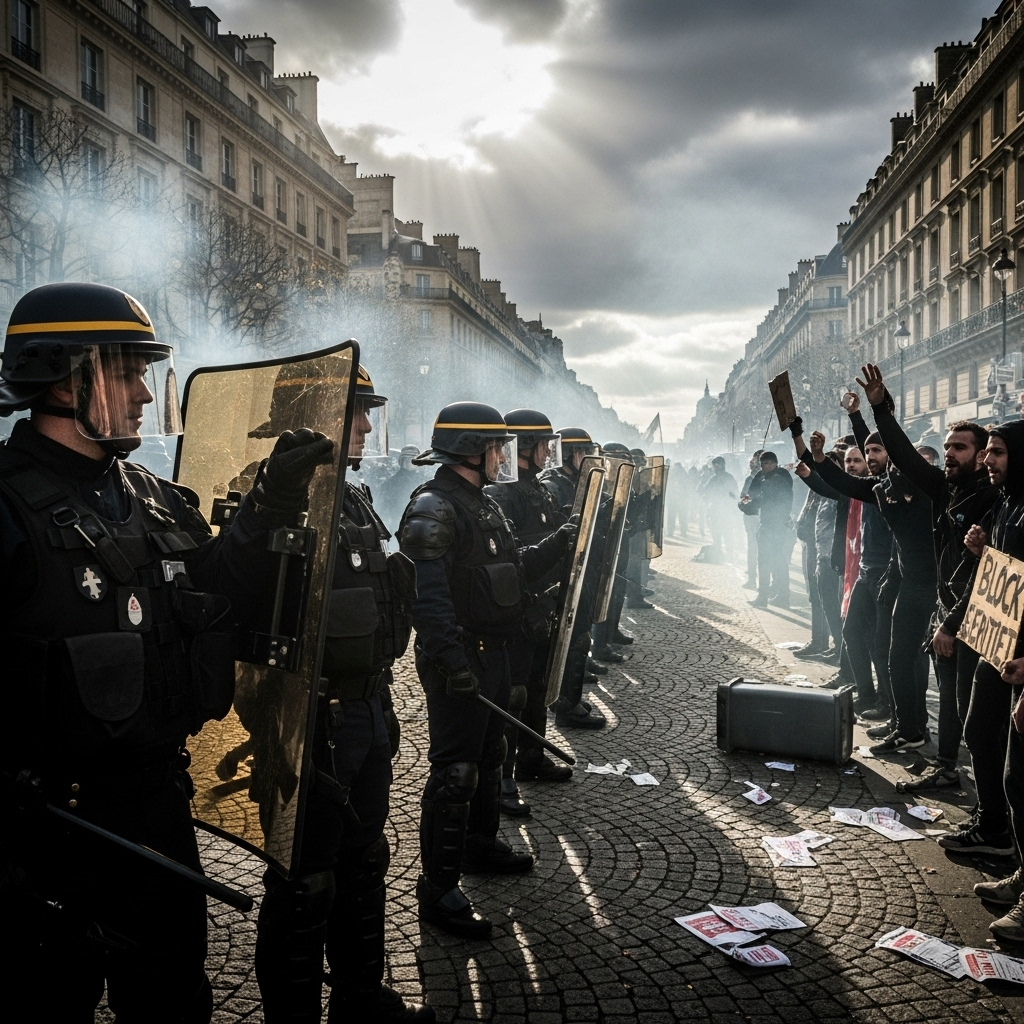
Table of Contents
What Are the ‘Block Everything’ Protests?
The ‘block everything’ protests are a form of civil disobedience characterized by coordinated, disruptive actions designed to paralyze key infrastructure. Unlike traditional marches that follow a permitted route, this movement’s strategy is to create maximum economic and logistical impact. Participants argue that the severity of the climate crisis warrants such drastic measures, claiming that incremental policy changes are no longer sufficient.
The movement is decentralized, largely organized through encrypted messaging apps and social media. It draws participants from various backgrounds, including established environmental NGOs, student unions, and more radical anti-capitalist collectives. Their philosophy is rooted in the idea that by disrupting the “business as usual” flow of the economy, they can force governments and corporations to confront the environmental and social consequences of their actions.
Key tactics include:
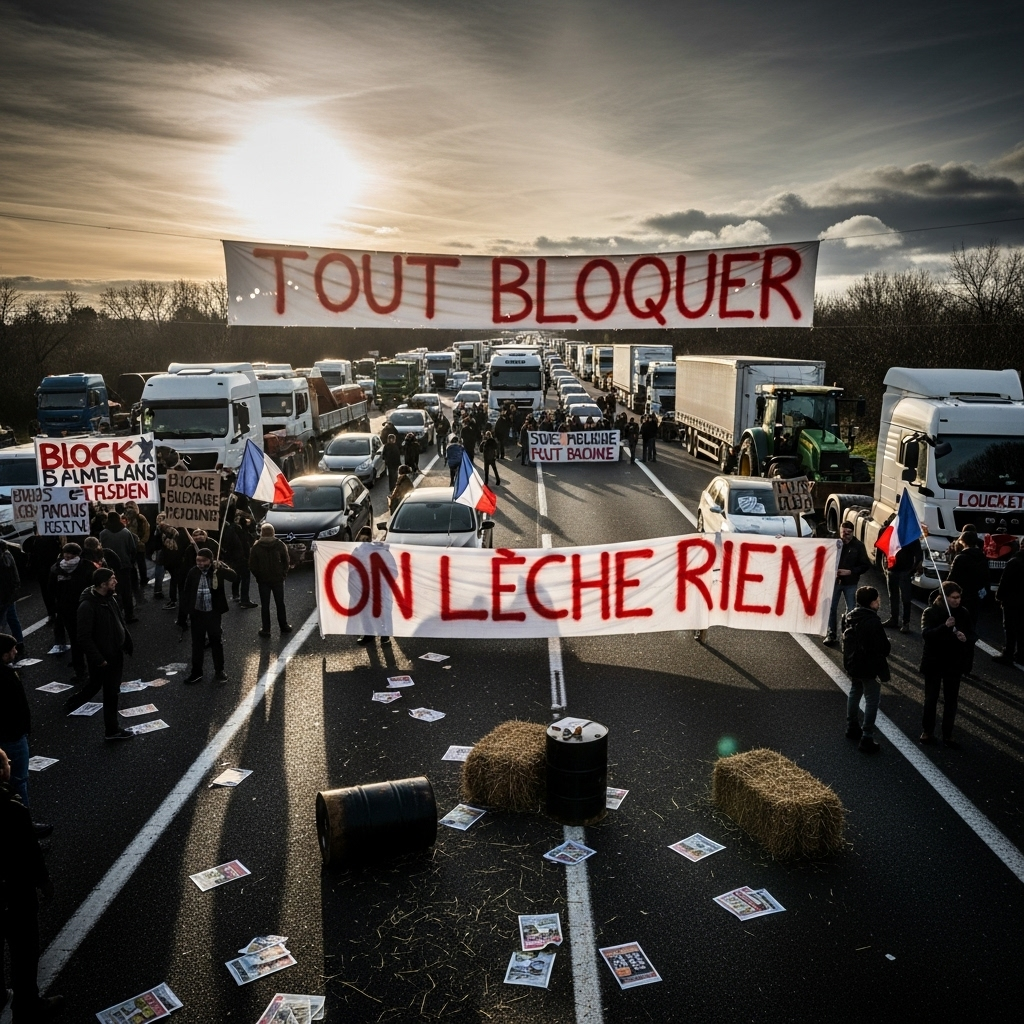
- Roadblocks: Using vehicles, objects, and their own bodies to block major highways and ring roads around cities like Paris and Lyon.
- Transport Hub Disruption: Occupying train stations and disrupting metro lines to halt public transit.
- “Die-ins”: Staging mass die-ins in front of corporate headquarters and government ministries to symbolize the human cost of climate change.
The Spark of the Latest Demonstrations
This recent wave of protests was directly triggered by the French government’s approval of the controversial “Accelerated Economic Growth” bill. Critics, including a wide array of environmental scientists and activists, argue the bill prioritizes short-term economic gains at the expense of France’s long-term climate commitments. The bill includes provisions for fast-tracking new industrial projects and easing environmental regulations, which protest organizers have labeled “a declaration of war on the planet.”
A spokesperson for one of the activist groups, speaking on condition of anonymity, stated, “We have marched, we have petitioned, we have voted. Nothing has worked. The government continues to serve corporate interests. When the system refuses to listen, you must stop the system from functioning.” This sentiment reflects a growing frustration that has fueled the movement’s expansion. For more information on the bill, see our analysis on France’s new economic law.
Clashes and Arrests Across Major Cities
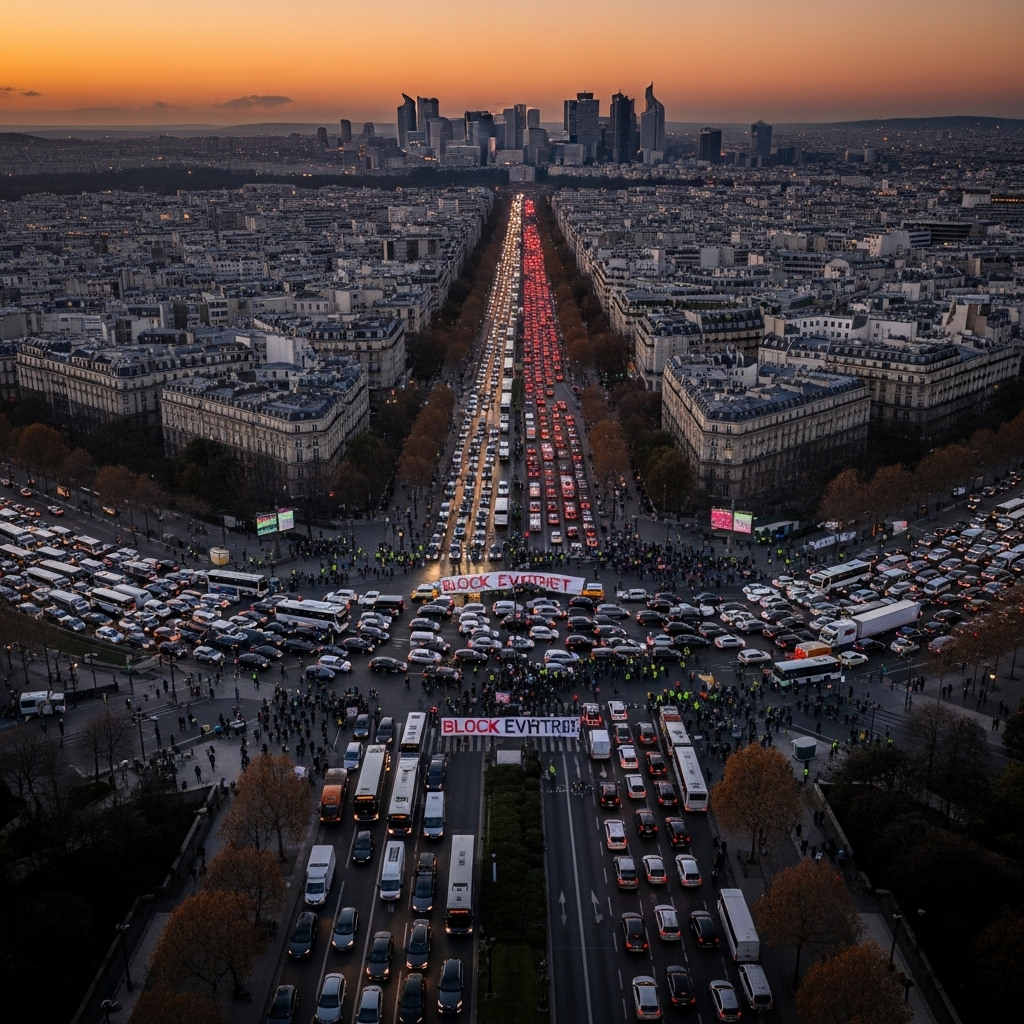
The protests began at dawn, with coordinated actions taking place in Paris, Marseille, Lyon, Toulouse, and Nantes. In Paris, demonstrators managed to shut down several key entry points on the Périphérique ring road, causing miles of traffic jams that lasted for hours. Clashes erupted when police moved in to clear the blockades, using tear gas and water cannons against protesters who had chained themselves together.
The Ministry of the Interior confirmed that at least 108 arrests were made nationwide. Gérald Darmanin, the Interior Minister, condemned the actions, stating, “The right to protest does not mean the right to paralyze the lives of millions of French people. We will be firm with those who choose violence and chaos.” In Lyon, protesters occupied the central Part-Dieu train station, unfurling banners from the rafters and halting all rail traffic for several hours before being forcibly removed.
Eyewitnesses reported a tense atmosphere, with many commuters expressing frustration at the disruptions. However, some onlookers showed support, offering food and water to the demonstrators. The events were heavily documented on social media, with a constant stream of images and videos emerging from the scenes. For live updates from international sources, news outlets like Reuters Europe have been providing ongoing coverage.
Government Response and Public Reaction
The official government response has been one of staunch condemnation. A spokesperson for the Élysée Palace called the ‘block everything’ protests “irresponsible and dangerous,” arguing that they alienate the public and undermine the legitimate cause of environmentalism. President Macron’s administration has emphasized a law-and-order approach, promising swift legal action against those arrested.
Public opinion, however, remains deeply divided. A snap poll conducted by Ifop suggests that while 62% of the French public disapprove of the blockade tactics, a significant 55% share the protesters’ concerns about the government’s climate policy. This highlights a critical challenge for the government: how to manage public order without appearing dismissive of the underlying issues that are driving the protests. The movement taps into a similar vein of anti-establishment anger that fueled the “gilets jaunes” (yellow vests) movement years prior.
This division plays out in daily life. On one hand, videos of angry motorists arguing with protesters have gone viral. On the other, petitions supporting the activists’ core demands have gathered tens of thousands of new signatures in the wake of the arrests.
A Season of Discontent
The French protests are not happening in a vacuum. They are part of a broader trend of escalating climate activism across Europe. Similar disruptive actions, though often smaller in scale, have been seen recently in Germany, the UK, and Italy. These movements share a common frustration with the perceived gap between political rhetoric on climate change and tangible action.
p>
These activists are increasingly adopting the view that the window to prevent catastrophic climate change is closing rapidly, justifying more radical tactics. The ‘block everything’ protests are a clear signal that a segment of the population is no longer willing to wait for systemic change to happen through conventional channels. They are choosing to force the issue, regardless of the personal legal risks or the public inconvenience.
As France cleans up from the disruptions and processes the arrests, a larger question looms: what comes next? Organizers have already promised that this is just the beginning, threatening further, more widespread actions in the coming weeks. The government now faces a difficult balancing act between maintaining order and addressing the profound anxiety and anger that fuels this growing movement. The outcome will likely shape the future of environmental politics in France and beyond.


