
‘Block Everything’ Protests: Over 200 Arrested in France
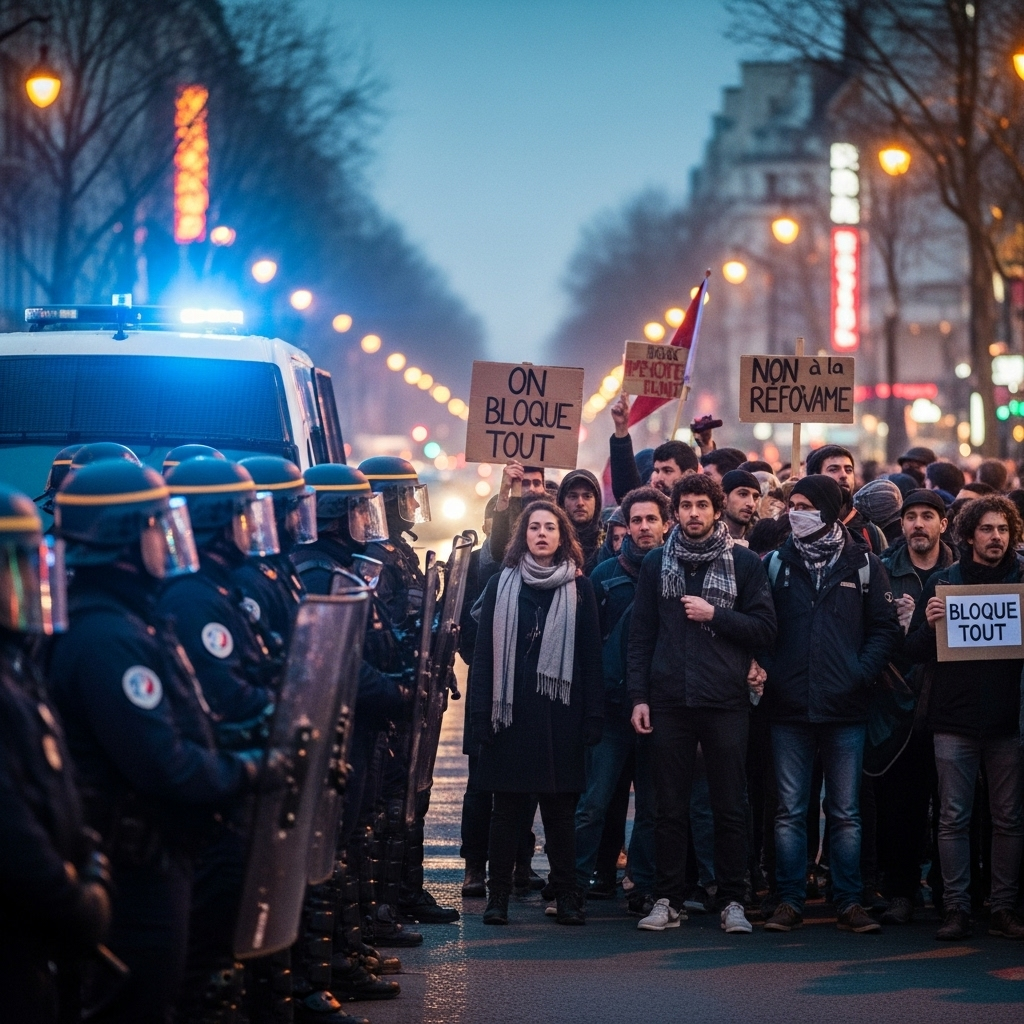
Major cities across France were brought to a near-standstill this week as a new wave of ‘block everything’ protests saw activists shut down critical infrastructure, leading to widespread disruption and the arrest of over 200 individuals. The coordinated actions, organized by a coalition of environmental and social justice groups, targeted highways, train stations, and government buildings in a dramatic escalation of civil disobedience aimed at forcing government action on climate change and economic inequality.
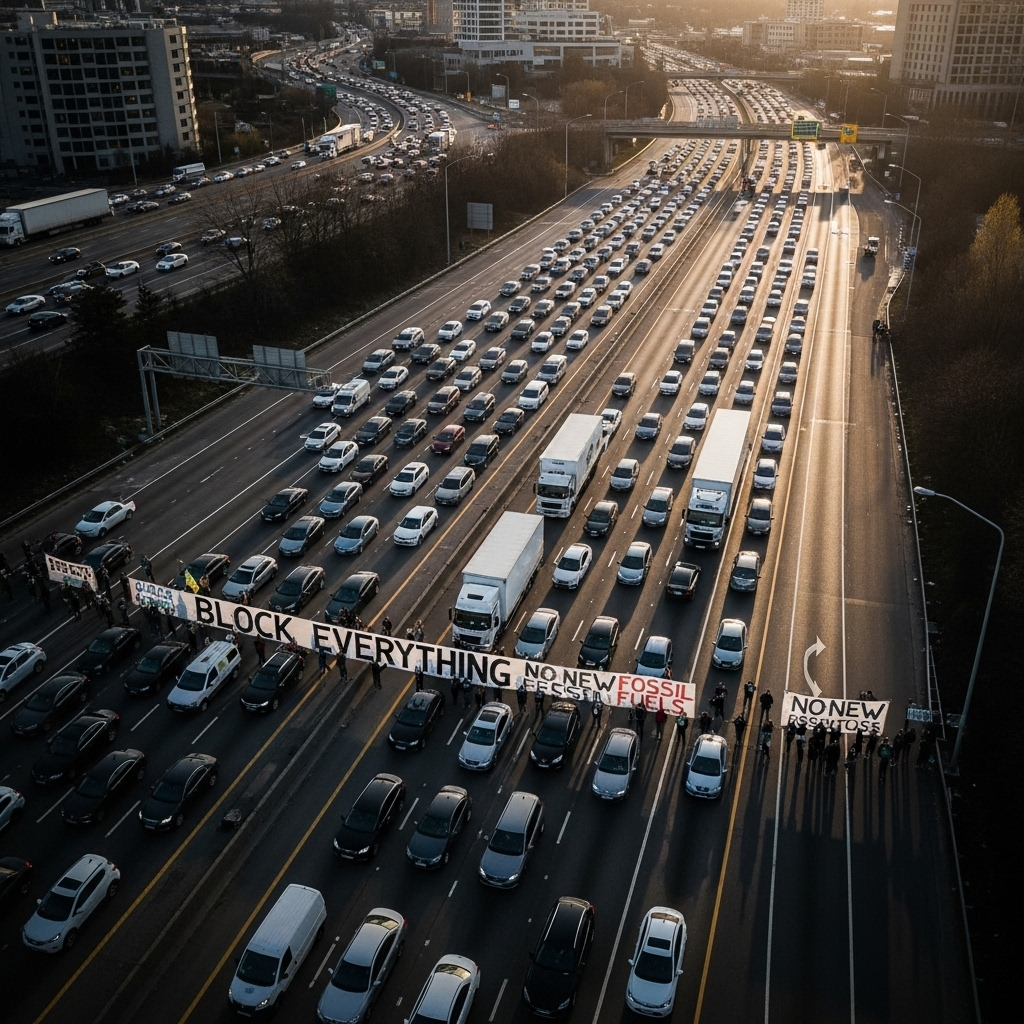
The protests, which began at dawn in Paris, Lyon, Marseille, and Bordeaux, involved activists using vehicles, reinforced banners, and their own bodies to create blockades on major arterial routes. The French Interior Ministry has condemned the tactics, vowing a “firm response” to what it calls “unacceptable disruptions to public life.”
What Sparked the Latest Wave of Protests?
The immediate trigger for this latest and most disruptive round of demonstrations appears to be the government’s recent “Green Transition Levy,” a new tax package aimed at funding renewable energy projects. While lauded by some, activist groups have slammed the policy as a form of “greenwashing” that disproportionately burdens lower and middle-income households without addressing the systemic issues of corporate pollution.
A spokesperson for “Action Climat Justice,” one of the leading groups, stated, “We are being asked to pay for a crisis created by multinational corporations and decades of government inaction. This levy is a bandage on a gaping wound.” The group, along with others like “Dernière Rénovation,” demands a complete overhaul of environmental policy, including a halt to all new fossil fuel projects and a massive investment in public transportation and home insulation, funded by taxes on corporate super-profits.
Their demands, outlined in a manifesto released online, call for what they term a “socially just ecological transition.” The failure of traditional lobbying and peaceful marches, they argue, has left them with no choice but to engage in disruptive action. “When the government refuses to listen, we must make it impossible for them to ignore us,” the manifesto reads.
A Nationwide Shutdown: How the ‘Block Everything’ Protests Unfolded
The “journée de blocage total” (total blockade day) was meticulously planned. The ‘block everything’ protests began simultaneously at 7:00 AM local time. In Paris, activists chained themselves together across multiple lanes of the Périphérique ring road, the city’s vital automotive artery, causing immediate and extensive traffic jams that stretched for miles.
Simultaneously, other protest cells targeted railway infrastructure. At the Gare de Lyon in Paris and the Part-Dieu station in Lyon, demonstrators occupied tracks, forcing the national rail operator, SNCF, to suspend high-speed TGV services. This tactic aimed to disrupt not just daily commutes but also national commerce and travel, amplifying the protest’s economic impact.
Eyewitnesses described scenes of organized chaos. “They were very prepared,” one commuter told BFM TV. “They had supplies, banners, and a clear plan. The police were caught off guard by the scale of it.” The protests were not limited to transport hubs; activists also glued themselves to the entrances of the Ministry of Economy and Finance in Paris and the headquarters of several major energy companies.
The strategy reflects a shift seen across Europe, moving from symbolic gestures to actions that cause significant, tangible disruption. For more background on these evolving methods, you can read our analysis on modern protest tactics.
Government Response and Public Reaction
The response from French authorities was swift and forceful. Interior Minister Gérald Darmanin announced that over 2,200 police and gendarmes were deployed to clear the blockades. “The right to protest does not mean the right to block everything and endanger the lives of our citizens,” Darmanin stated in a press conference. “We will be firm with those who choose illegality.”
As of this afternoon, the ministry confirmed that 208 arrests have been made nationwide on charges including obstruction of traffic, endangerment of others, and resisting arrest. Videos circulating on social media showed police physically carrying protesters from roadways and using cutting tools to sever chains and locks.
Public reaction remains deeply divided. Polls conducted in the last 24 hours show that while a majority of the French public agrees with the protesters’ climate goals, opinions on their methods are split. Many commuters and business owners expressed frustration. “I support climate action, but I also need to get to work to feed my family,” a delivery driver stuck in Lyon told a local radio station. Others showed support, bringing water and food to the activists.
The government has urged for calm and dialogue, though protest organizers have stated they will not negotiate until their core demands are met. The official statements from the government can be found on the French Ministry of the Interior’s website.
The Broader Context of Civil Disobedience in Europe
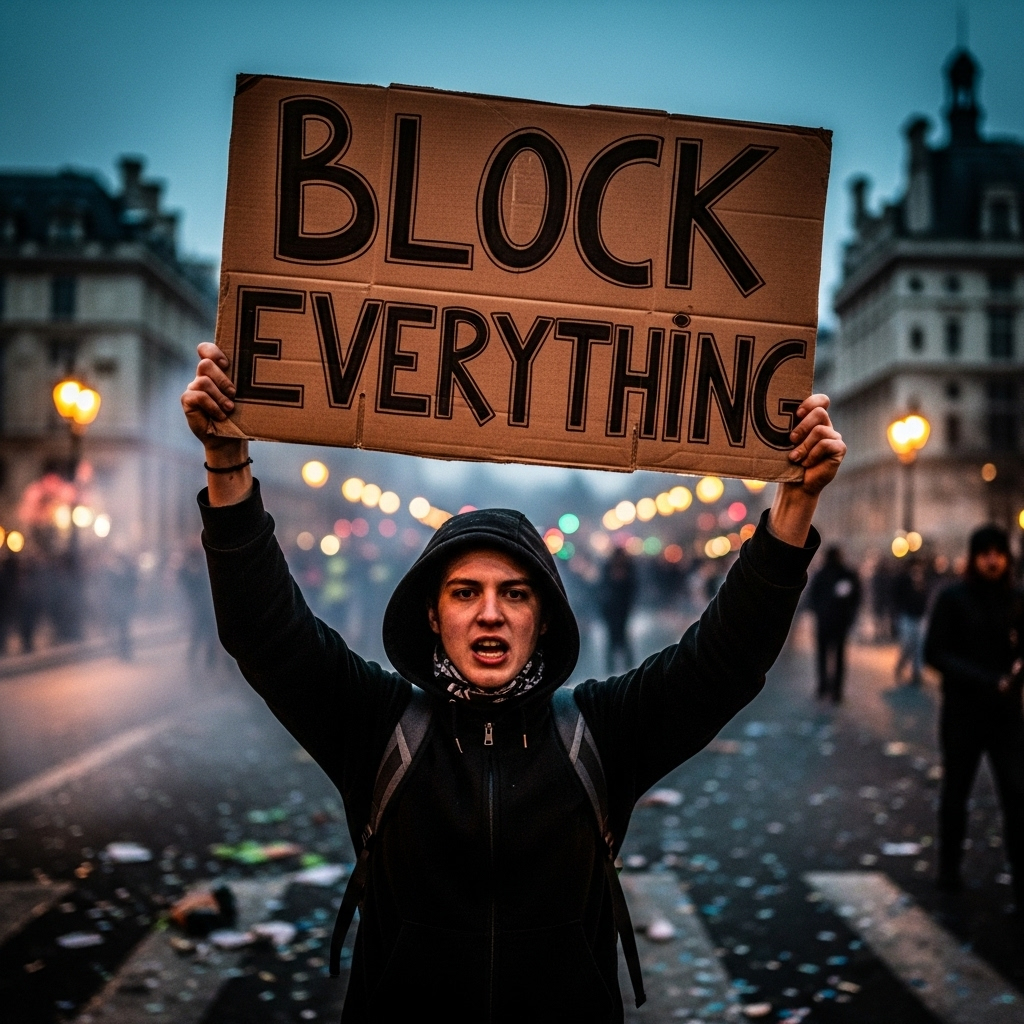
These ‘block everything’ protests in France are not an isolated event but part of a growing, continent-wide movement. Groups like Just Stop Oil in the UK and Last Generation in Germany have been employing similar tactics for years, from blocking motorways to throwing soup on famous paintings to draw attention to the climate emergency.
These groups often share resources, strategies, and a common sense of urgency. They believe that decades of insufficient government action have demonstrated the failure of the existing political process to address the climate crisis adequately. This desperation fuels the escalation in tactics.
Critics, however, warn that such radical actions risk alienating the broader public, potentially undermining support for the climate cause itself. They argue that creating chaos for ordinary citizens makes them less receptive to the environmental message. Proponents counter that the temporary inconvenience of a traffic jam is insignificant compared to the catastrophic disruption of climate collapse.
As France grapples with the fallout from this week’s events, the central question remains: will these disruptive protests force meaningful policy changes, or will they simply lead to a cycle of arrests and public backlash? The coming days will be critical in determining the future of both the ‘block everything’ protests and France’s approach to the climate crisis.
“`


