
TikTok Risks: French Report Urges Ban for Under-15s
A landmark report from a French parliamentary commission has sent shockwaves through the digital landscape, recommending a complete ban on the social media giant TikTok for all users under the age of 15. The comprehensive inquiry, led by a cross-party group of lawmakers, meticulously detailed a wide array of TikTok risks, citing severe concerns over addictive algorithms, mental health deterioration, and exposure to harmful content.
This bold proposal places France at the forefront of a global conversation about protecting young people from the potential harms of hyper-engaging digital platforms. As governments worldwide grapple with regulating Big Tech, this report provides a stark and urgent call to action.
The Core Findings: Unpacking the TikTok Risks Identified
The French commission’s report is not a vague warning; it’s a detailed indictment of the platform’s impact on its youngest users. The investigation, which included testimony from neurologists, psychologists, tech insiders, and parents, identified several critical categories of TikTok risks that formed the basis of its recommendations.
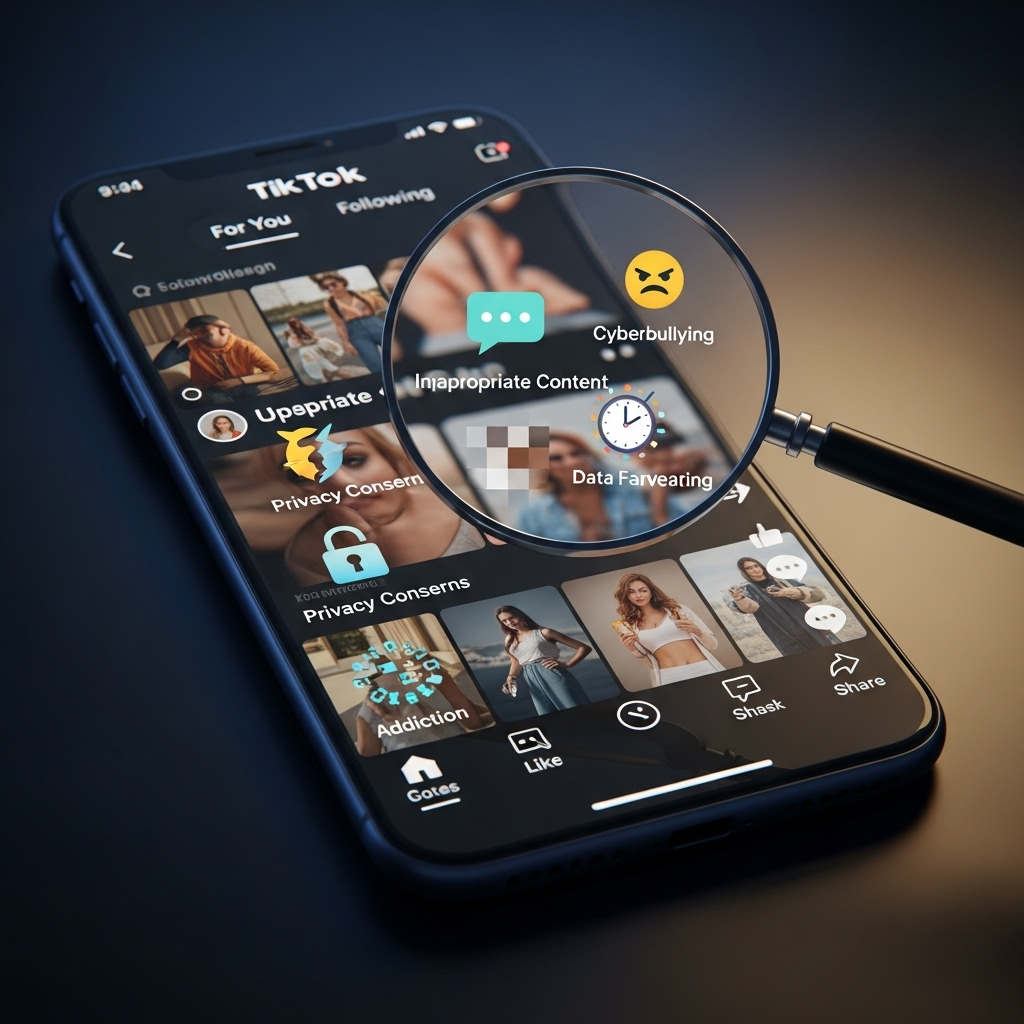
At the top of the list is the platform’s “infinitely scrolling” interface and its powerful recommendation algorithm. The report describes this as a form of “digital cocaine,” engineered to maximize engagement by delivering a constant stream of dopamine-inducing short videos. This design, the commission argues, fosters addictive behaviors that can displace sleep, homework, and real-world social interaction.
Key risks highlighted in the report include:
- Mental Health Decline: Constant exposure to curated, often unrealistic, content is linked to rising rates of anxiety, depression, and poor body image among teens. The report notes a direct correlation between heavy TikTok use and self-esteem issues.
- Cognitive Impact: Experts testified that the constant shift in focus required by short-form video can impair the development of deep concentration and sustained attention spans in adolescents, a critical skill for academic success.
- Exposure to Inappropriate Content: Despite moderation efforts, the report found that dangerous “challenges,” pro-anorexia content, and sexually explicit material are still easily accessible to young users.
- Data Privacy and Security: The commission also echoed broader geopolitical concerns about the vast amounts of user data collected by TikTok and its parent company, ByteDance, and the potential for that data to be accessed by foreign governments. Read more about our guide to digital privacy.
Why a Ban for Under-15s? The Commission’s Rationale
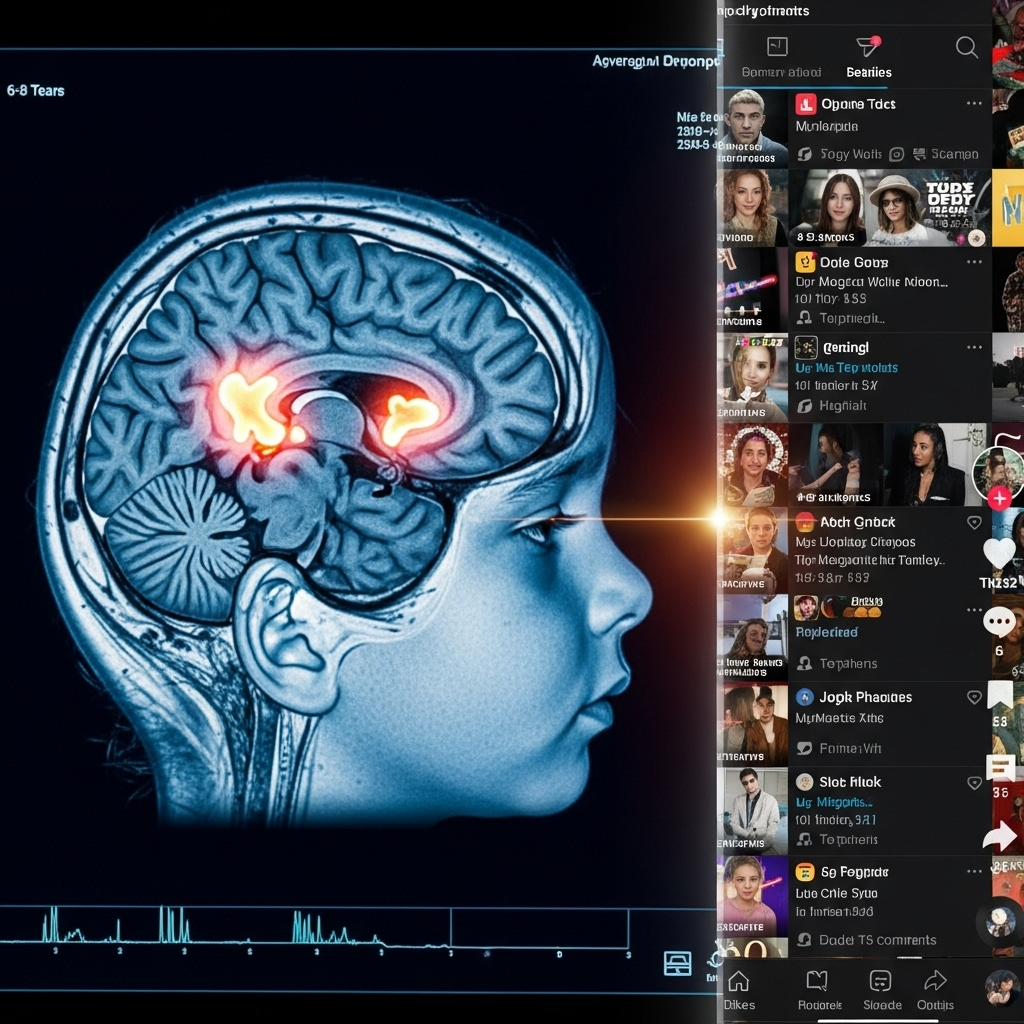
The recommendation for a ban specifically targeting users under 15 is rooted in developmental psychology. The report argues that this age group is uniquely vulnerable to the platform’s manipulative design. Lawmakers stated that children and young adolescents have not yet fully developed the prefrontal cortex, the part of the brain responsible for impulse control, long-term planning, and critical evaluation.
This neurological immaturity makes them “powerless against the addictive stimulation” of TikTok’s algorithm. The commission concluded that existing parental controls and the platform’s own age-gating mechanisms are woefully inadequate and easily circumvented. “We cannot place the burden of policing a multi-billion dollar tech company on the shoulders of parents,” said one commission member during the report’s release.
The proposed solution is a hard cutoff, treating access to the platform similarly to how society regulates other products with known risks for minors, like alcohol or tobacco. The report suggests that until a platform can be proven safe for this demographic—a standard it claims TikTok currently fails to meet—access should be restricted by law.
Global Context: How Other Nations Are Addressing TikTok Risks
France is not alone in its concern over TikTok risks. The platform has faced intense scrutiny and regulatory action across the globe. In the United States, there have been bipartisan efforts to force a sale of TikTok’s U.S. operations over national security concerns, and several states have banned the app from government devices.
India took one of the most drastic steps, banning TikTok and dozens of other Chinese apps in 2020, citing national security and data sovereignty. Meanwhile, the United Kingdom’s Online Safety Bill imposes a duty of care on platforms to protect children from harmful content, with a threat of significant fines for non-compliance. These international actions are frequently cited in discussions about digital sovereignty, a topic explored by institutions like the Brookings Institution.
The French proposal, however, is notable for its specific focus on child development rather than just national security. By framing the issue as a public health crisis for its youth, the commission hopes to create a new model for regulation that prioritizes the well-being of minors above all else.
The Path Forward: Challenges and Next Steps for France
The commission’s report is a recommendation, not yet law. The proposal will now be debated in the French Parliament, where it is expected to face significant challenges. Tech lobbyists will undoubtedly mount a strong opposition, arguing that a ban infringes on personal freedoms and stifles innovation. Proponents, however, will frame it as a necessary public health intervention.
Implementing such a ban would also present immense technical and legal hurdles. Effective age verification remains a major unsolved problem in the digital world. Any solution would need to be robust enough to prevent easy workarounds while also respecting user privacy—a difficult balance to strike. If you want to learn more, you can check out our article on the future of age verification online.
Despite the obstacles, the report has fundamentally shifted the conversation in Europe. It forces a direct confrontation with the core question: what is society’s responsibility to protect its youngest members from the documented TikTok risks? The outcome of the debate in France could set a powerful precedent for the rest of the world, potentially ushering in a new, more cautious era of social media regulation.

“`


