
Stunning Videos: 5 NATO Jet Encounters with Russia
The skies over international waters are a silent stage for a high-stakes ballet of power and precision. In this tense theater, NATO and Russian military aircraft frequently cross paths, resulting in encounters that range from professional escorts to dangerously close calls. Thanks to cockpit cameras and advanced surveillance, we have a front-row seat to these moments. These stunning videos offer a rare and gripping glimpse into the daily reality of modern aerial geopolitics.
From the frigid North Atlantic to the contested airspace over the Black Sea, these interactions are a critical part of international security. They serve as a constant test of pilot skill, nerve, and the established rules of engagement. When these rules are bent or broken, the world holds its breath. We’ve compiled five of the most dramatic and visually striking encounters ever caught on camera.
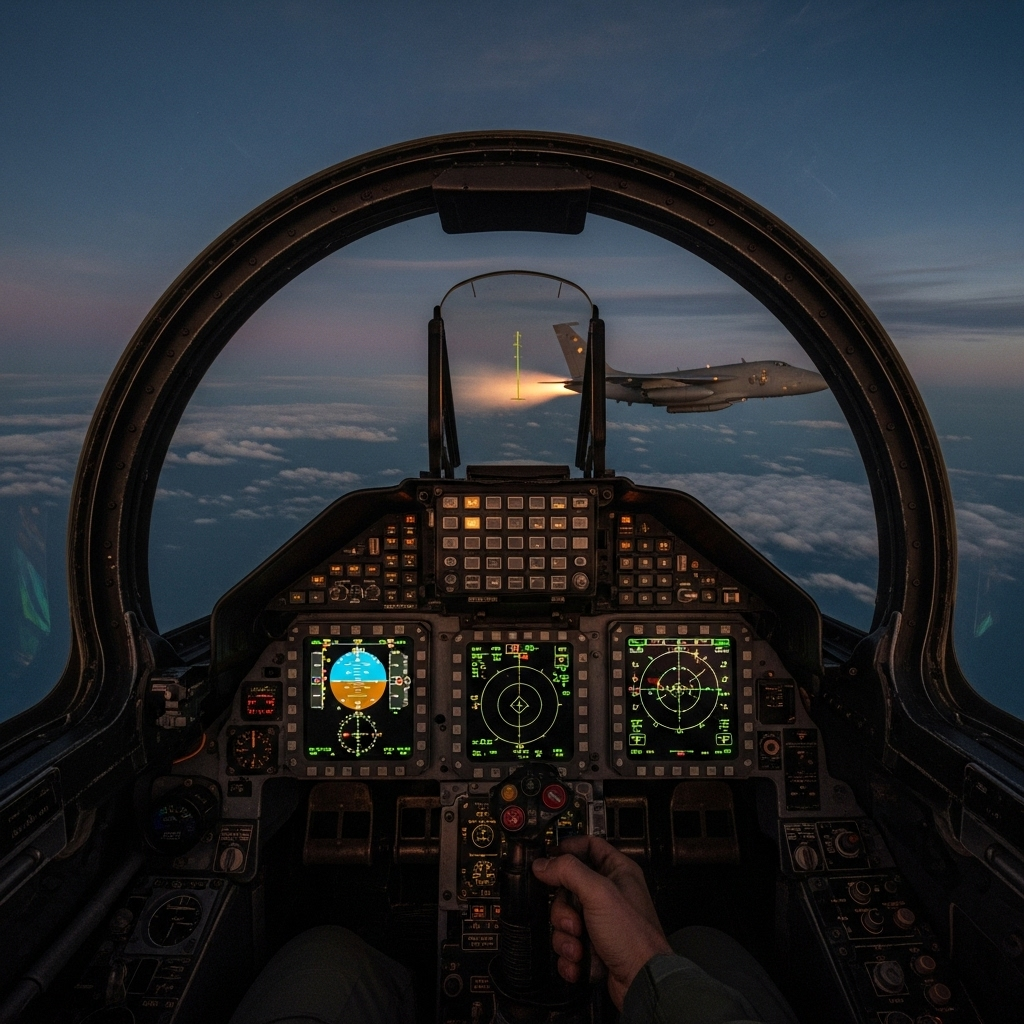
1. The Baltic Sea “Barrel Roll”
One of the most infamous encounters occurred over the Baltic Sea, a region with heavy military traffic from both Russia and NATO forces. The video, captured from a U.S. Navy P-8 Poseidon surveillance aircraft, shows a Russian Su-27 fighter jet performing what was described by U.S. officials as an “unsafe and unprofessional” maneuver.
In the tense footage, the Russian jet can be seen flying extremely close to the American plane’s wing before executing a barrel roll over the top of it. While visually spectacular, this kind of aerial acrobatics is incredibly dangerous. The jet wash from the Su-27 could have easily destabilized the much larger and slower Poseidon, potentially leading to a catastrophic loss of control. Experts noted that the Russian pilot came within a mere 25 feet of the U.S. aircraft, a distance that leaves absolutely no room for error.
This incident highlighted the escalating tensions in the Baltic region following Russia’s increased military activities. NATO maintains a robust Baltic Air Policing mission to safeguard the airspace of its allies, leading to frequent scrambles and intercepts like this one.
2. Black Sea Encounter: Su-27 vs. MQ-9 Reaper Drone
In March 2023, the world was captivated by footage of a dramatic encounter that resulted in the downing of a U.S. Air Force MQ-9 Reaper drone over the Black Sea. The declassified video released by the U.S. European Command shows two Russian Su-27 jets conducting repeated harassing passes on the unmanned aerial vehicle.
The stunning videos reveal the Russian pilots dumping fuel on the Reaper, seemingly in an attempt to blind its optical sensors or damage its systems. The aggressive maneuvering culminates in one of the Su-27s colliding with the drone’s propeller, causing severe damage. U.S. operators, left with an uncontrollable aircraft, were forced to bring the multi-million dollar drone down into the international waters below.
This incident was significant because it marked the first direct physical confrontation between Russian and U.S. military assets since the Cold War. While no human lives were at direct risk on the American side, the event represented a serious escalation and a brazen disregard for international norms in shared airspace.
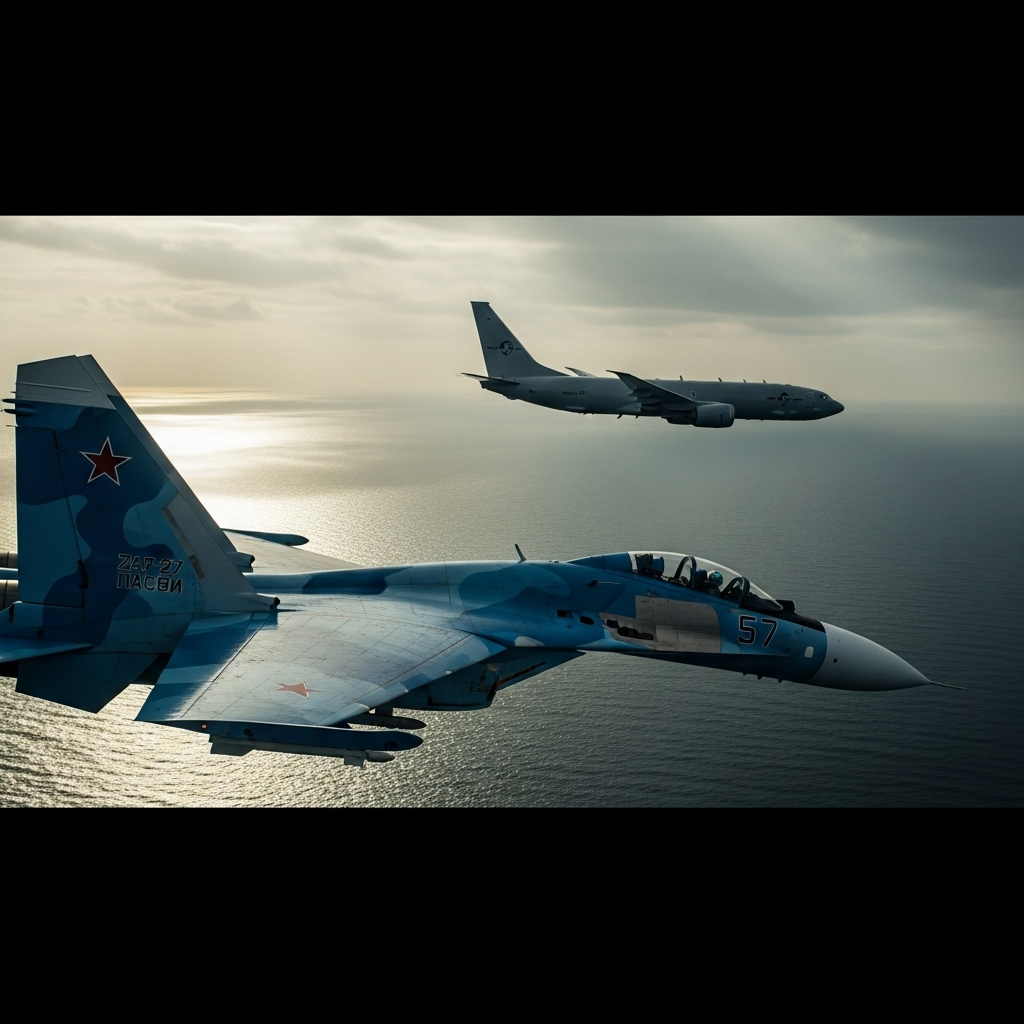
3. North Sea “Bear” Bomber Intercept
A more routine, yet always awe-inspiring, type of encounter involves NATO’s Quick Reaction Alert (QRA) fighters intercepting Russian long-range bombers. Videos released by the UK’s Royal Air Force (RAF) and other NATO air forces frequently show Eurofighter Typhoons or F-35s scrambling to meet Russian Tu-95 “Bear” and Tu-160 “Blackjack” bombers.
These Russian aircraft often fly near the edge of NATO airspace without filing a flight plan or communicating with air traffic control, prompting a swift response. The videos show NATO jets pulling up alongside the massive, propeller-driven “Bear” bombers—a design that dates back to the 1950s but has been continuously updated. The contrast between the sleek, modern fighters and the hulking Cold War-era bombers is visually striking.
Though these intercepts are considered “safe and professional,” they are anything but casual. The NATO pilots identify the aircraft, shadow them, and ensure they do not deviate into sovereign airspace. It’s a constant, vigilant patrol that serves as a powerful deterrent. You can learn more about the technology behind these jets in our guide to modern military tech.
4. Stunning Videos: The Syrian Skies Standoff
The congested and complex airspace over Syria has produced some of the most unique and tense aerial encounters of the 21st century. Here, both Russian and U.S.-led Coalition forces operate in close proximity, creating a high potential for conflict. To prevent accidents, a “deconfliction line” was established, but close calls still happen.
The stunning videos emerging from this theater are unlike any other. They often show America’s most advanced stealth fighter, the F-22 Raptor, flying in the same piece of sky as Russia’s highly maneuverable Su-35 “Flanker-E.” In one video, a Russian jet is seen aggressively maneuvering and deploying flares in front of a U.S. drone, forcing it to take evasive action.
These encounters are a fascinating showcase of cutting-edge military hardware. The F-22’s stealth capabilities mean it can often observe Russian aircraft long before it is detected. However, when visual contact is made, it becomes a tense standoff where pilots must rely on established protocols and steady nerves to avoid triggering a wider conflict between two nuclear-armed powers.
5. Alaskan ADIZ Intercept
The Alaskan Air Defense Identification Zone (ADIZ) is another frequent hotspot for Russo-American aerial encounters. The ADIZ is a stretch of international airspace that the U.S. monitors for national security purposes. Russian military aircraft, including bombers, fighters, and maritime patrol planes, regularly enter this zone, prompting intercepts by NORAD (North American Aerospace Defense Command) fighters, typically F-22 Raptors based in Alaska.
NORAD often releases crisp, high-quality imagery and video of these intercepts. Unlike the more aggressive encounters elsewhere, these are typically conducted with a high degree of professionalism on both sides. The footage shows U.S. pilots flying a short distance from the Russian formations, communicating their presence and escorting them as long as they remain in the ADIZ.
Despite their routine nature, the strategic importance is immense. These intercepts demonstrate NORAD’s ability to detect, track, and identify any and all aircraft approaching U.S. or Canadian sovereign airspace. It’s a critical mission that operates 24/7/365 to ensure North American security.
The Dangers and Protocols of Interception
While the videos are thrilling to watch, they underscore a world of constant risk. A simple miscalculation, an equipment malfunction, or an overly aggressive pilot could lead to a mid-air collision and a major international incident. The primary goal of any intercept is to identify an unknown aircraft and ascertain its intentions, not to engage in combat.
Standard protocol involves approaching the target aircraft from behind and to the side, establishing visual contact, and attempting to communicate via radio on standard emergency frequencies. The intercepting pilots will then shadow the aircraft, reporting its type, heading, and activity until it either leaves the area or is determined to be non-threatening.
These stunning videos serve as more than just military curiosities; they are a vital record of the fragile balance of power. They remind us of the incredible skill of the pilots on both sides and the razor-thin margin that separates a routine escort from a global crisis.
“`


