
The Backlash Against Fanatics: How a Sports Retail Giant Is Fumbling the MLB Uniform Deal
The rollout of new MLB uniforms should be a period of celebration and anticipation for the upcoming season. Instead, the 2024 debut has spiraled into a full-blown public relations catastrophe for the league and its partners. Players are publicly criticizing the new gear, fans are voicing their outrage online, and embarrassing photos of see-through pants have become viral sensations. While this is a complex partnership between Nike and Fanatics, it is Fanatics that is bearing the brunt of the public’s anger. Indeed, The Backlash Against Fanatics: How a Sports Retail Giant Is Fumbling the MLB Uniform Deal is a multifaceted crisis stemming from major quality control failures, unpopular design changes, and a long history of consumer dissatisfaction.
This controversy runs deeper than just fabric and lettering; it touches upon a perceived disrespect for the sport’s traditions, its players, and its loyal fanbase. To fully grasp the intensity of the situation, it’s essential to analyze the five critical fumbles that led to this league-wide fiasco.
Table of Contents
1. The Quality Catastrophe: See-Through Pants and Cheap Materials
The most shocking and visually jarring complaint has been the dramatic decline in material quality. The previous uniforms, made by Majestic, were lauded for their durable, high-quality fabric and classic construction. The new Nike Vapor Premier chassis, manufactured by Fanatics, has been almost universally condemned as a cheap-feeling substitute.
The most infamous example, which ignited a firestorm of social media mockery, was the issue with the white pants. During spring training photo days, players and media discovered the new, thinner fabric was unacceptably transparent, clearly revealing tucked-in jerseys and undergarments. It was a profoundly embarrassing look for Major League Baseball, a league that prides itself on a professional and timeless image.
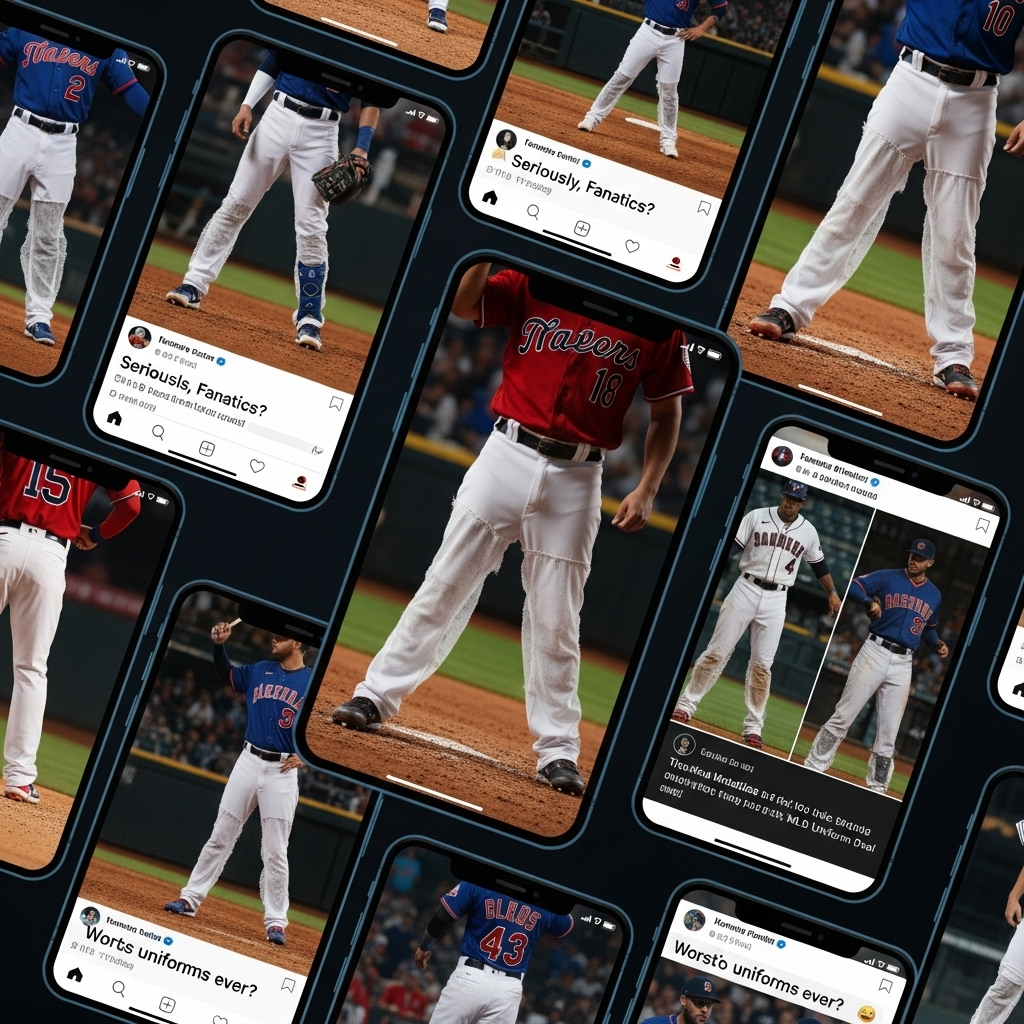
Beyond the “pinstripes and see-through gripes,” players reported that the new material felt flimsy and less substantial. The customized lettering and numbers, once intricately stitched with care, now appear to be smaller, heat-pressed decals with less dimension and a less premium finish. For fans asked to pay premium prices for an authentic jersey, receiving a product that feels like a low-quality replica is a major source of anger. This perceived nosedive in quality is the bedrock of the entire controversy.
2. Design Downgrades and Templated Aesthetics
If poor materials were the first strike, the aesthetic changes were the second. The new uniforms feature several design alterations that have alienated fans who cherish baseball’s traditional look. While Nike created the template, the execution under Fanatics’ manufacturing has been widely criticized.
Key design complaints include:
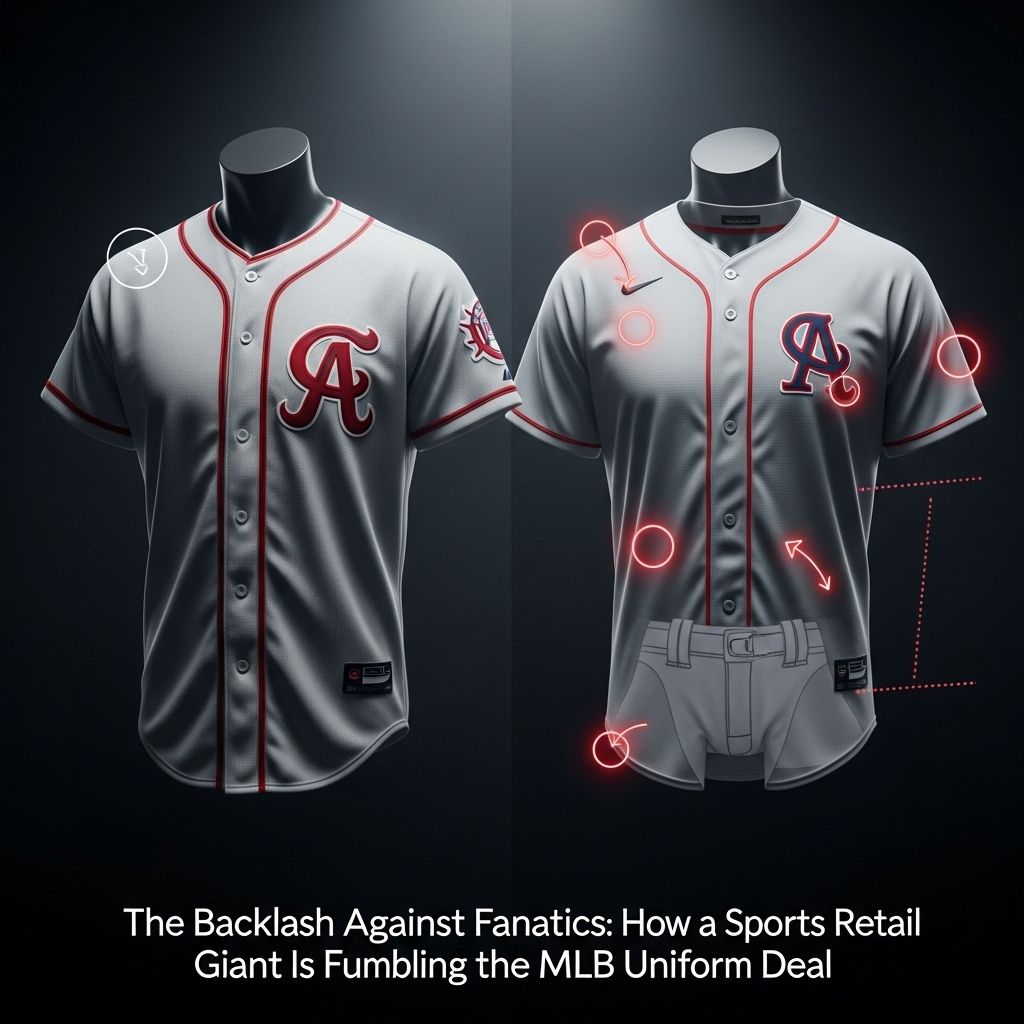
- Shrunken Nameplates: The player’s last name on the jersey’s back has been noticeably downsized and placed on an awkward curve, making it more difficult to read from the stands or on a broadcast. This small change detracts from player identity.
- Odd Logo Placement: The MLB “Batterman” logo was inexplicably moved from its traditional spot on the upper neck to a lower position below the collar, disrupting the clean lines of the jersey’s back.
- Lack of Customization: A significant complaint from players is that the new uniforms offer less room for custom tailoring. For elite athletes, a perfect fit is crucial for comfort and peak performance. This new “one-size-fits-most” approach feels generic and impersonal.
These details might seem minor to a casual observer, but in a sport built on over a century of tradition, they are significant. You can learn more about this in our article on the long history of MLB uniforms. The changes give the jerseys a mass-produced, templated feel that strips away the unique character of each team’s identity.
3. The Blame Game: Who Is Responsible, Fanatics or Nike?
Part of the frustration for fans and media has been deciphering who is ultimately at fault. Nike holds the official ten-year, billion-dollar on-field apparel rights with MLB and was responsible for designing the new Vapor Premier uniform chassis. Nike maintains that the uniforms were developed with player input and tested extensively.
However, Fanatics, the sports retail behemoth, is the company responsible for manufacturing the uniforms at its factory in Easton, PA. While Nike provides the design and specifications, Fanatics executes the production and is responsible for the final product that lands in players’ lockers.
Because of Fanatics’ name recognition in the consumer merchandise space and their role in production, they have become the primary focus of public scorn. The MLB Players Association even directed its formal complaints toward Fanatics, solidifying the narrative. This dynamic has allowed Nike to deflect some criticism, while Fanatics’ brand reputation suffers a direct and substantial blow.
4. When Players Go Public: The Most Damning Criticism
Fan disapproval is one thing; widespread player condemnation is a crisis. The moment active players began speaking out, the uniform issue became impossible for the league to ignore. Representatives from the MLB Players Association (MLBPA) and several high-profile players have been vocal about their dissatisfaction.
Players have described the fit as “awkward” and the feel as “cheap.” Los Angeles Angels outfielder Taylor Ward famously compared the new jerseys to a “replica,” a brutal assessment from a professional athlete who wears the uniform daily. The MLBPA’s executive director, Tony Clark, labeled the situation a “disappointment” and vowed to address the issues of player rights and union power in this context. These public comments gave enormous credibility to the fan complaints, transforming the narrative from online grumbling into a legitimate workplace issue.
This public validation from the athletes themselves is perhaps the most damaging element of the entire affair. When the product fails the end-user so spectacularly, and that end-user is the star of the show, it signals a complete system failure. More player comments can be found on major outlets like ESPN.
5. A History of Quality Concerns Comes to a Head
For many seasoned sports fans, this uniform debacle felt less like a surprise and more like an inevitability. Fanatics has methodically built a near-monopoly in the licensed sports apparel industry, but this rapid expansion has been dogged by years of consumer complaints regarding the quality of its fan-facing merchandise sold online.
For years, customers have shared stories of T-shirts with crooked logos, hoodies with graphics that peel after one wash, and replica jerseys made from cheap-feeling materials. A persistent fear existed among the fanbase: if Fanatics ever took over manufacturing the official on-field uniforms, the quality would plummet. This MLB uniform fumble has validated that long-held fear on the grandest stage imaginable.

Therefore, the backlash was so potent and immediate because it tapped into a deep well of pre-existing distrust. It was not just a reaction to see-through pants; it was the explosive culmination of years of frustration with a brand that many feel prioritizes profit over product. This was Fanatics’ opportunity to silence its critics; instead, it has given them a megaphone.
Conclusion: Can Fanatics Recover from The Backlash Against Fanatics: How a Sports Retail Giant Is Fumbling the MLB Uniform Deal?
The 2024 MLB uniform saga is a masterclass in how to alienate a customer base. The perfect storm of poor material quality, unpopular aesthetic changes, corporate finger-pointing, public condemnation from players, and a history of quality concerns has created a genuine crisis for MLB, Nike, and Fanatics.
The damage to Fanatics’ reputation is significant. Both MLB and Nike are in full damage control mode, promising to collaborate with players and Fanatics to rectify the problems. It remains to be seen how quickly these fixes can be implemented. For now, Fanatics is left trying to recover a fumble that has jeopardized a deal that should have been a crowning achievement, proving that even a retail giant can strike out.


