
Hypersonic Missile: Russia Tests 1 as Ukraine Strikes Oil
In a stark display of contrasting military strategies, Russia has announced the successful test of a new hypersonic missile, a potent symbol of its advanced weapons program. The demonstration of force comes as Ukrainian drones continue to execute a highly effective campaign, striking deep into Russian territory to cripple its vital oil infrastructure. This dual-narrative underscores the complex and evolving nature of the ongoing conflict, pitting high-cost, next-generation technology against the tangible impact of asymmetric warfare.
What Makes a Hypersonic Missile a Game-Changer?
To understand the significance of Russia’s announcement, it’s crucial to grasp what sets a hypersonic missile apart from conventional weaponry. The term “hypersonic” refers to speeds exceeding Mach 5, or five times the speed of sound. While traditional intercontinental ballistic missiles (ICBMs) also reach these speeds, they follow a predictable, high-arcing trajectory, making them detectable and, in theory, interceptable.
The true threat of a modern hypersonic missile lies in its combination of speed and maneuverability. Unlike a ballistic missile, a hypersonic glide vehicle can change its flight path within the atmosphere. This erratic movement makes it incredibly difficult for even the most sophisticated air defense systems to track and intercept.
These weapons are designed to overwhelm an adversary’s defenses, holding high-value, heavily fortified targets at risk. The development of such systems by nations like Russia, China, and the United States has ignited a new, high-stakes arms race, as detailed by military analysts at the Center for Strategic and International Studies (CSIS). For defense planners, the challenge is immense: how do you stop a weapon you can barely track?
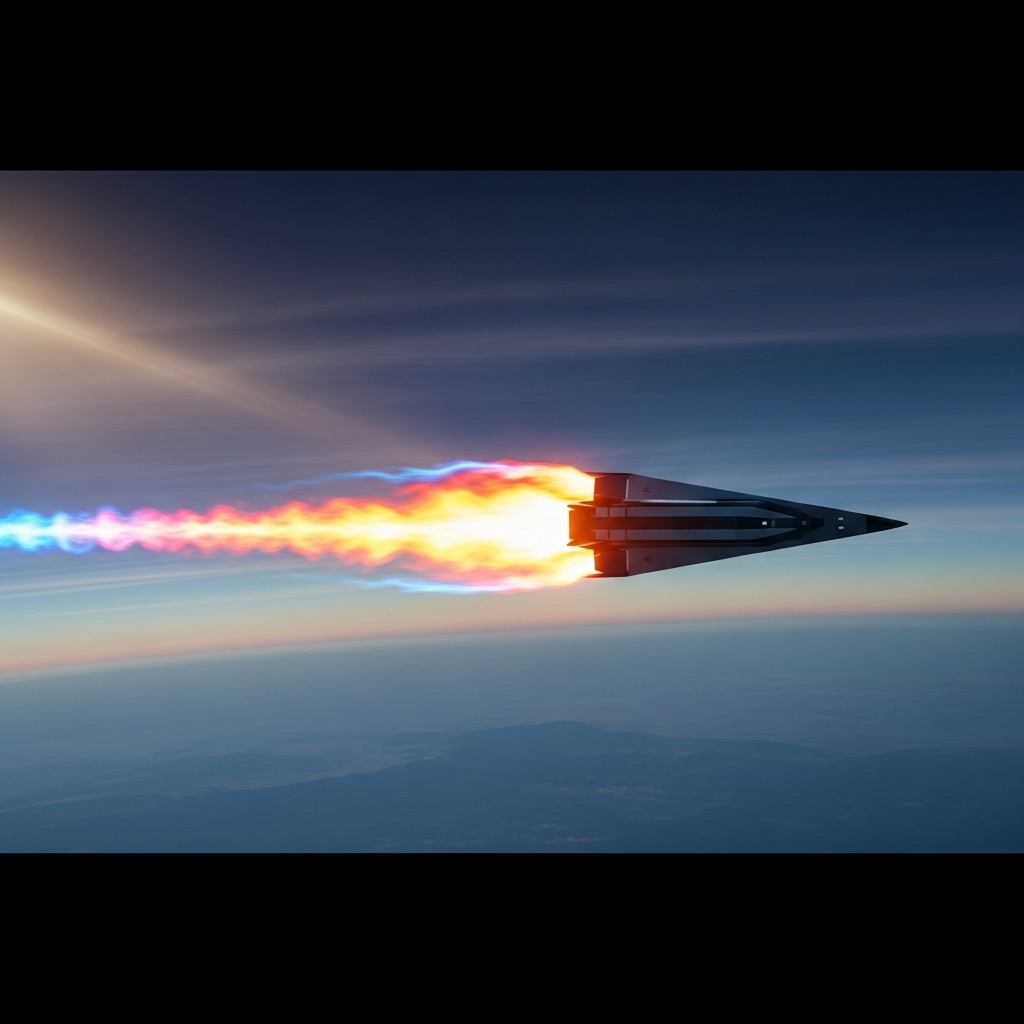
Details on Russia’s Latest Hypersonic Missile Test
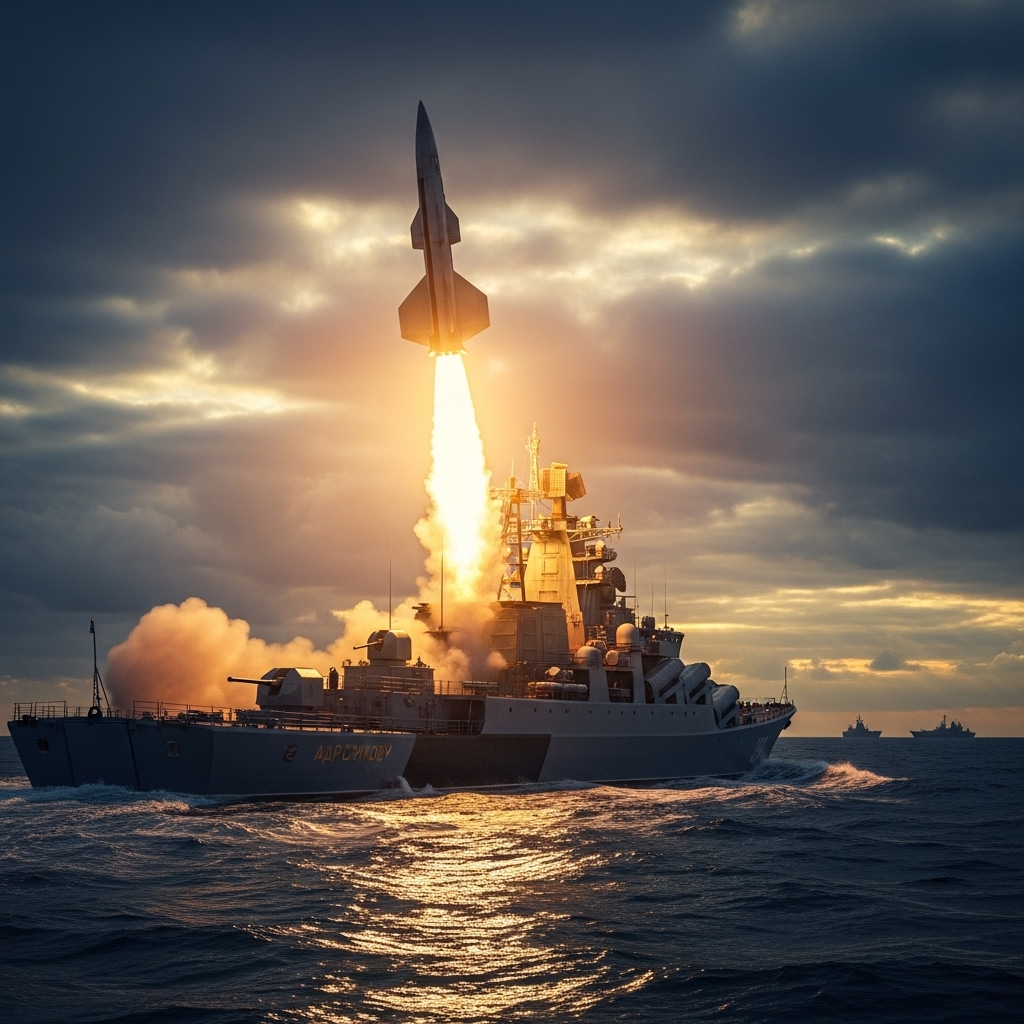
According to a statement from the Russian Ministry of Defence, the latest test involved the sea-launched Zircon (Tsirkon) hypersonic missile. The missile was reportedly fired from a Northern Fleet frigate in the Barents Sea and successfully struck a designated maritime target hundreds of kilometers away. The ministry hailed the test as a “flawless” demonstration of the weapon’s capabilities.
The Zircon has long been touted by Moscow as a centerpiece of its naval modernization. Capable of carrying both conventional and nuclear warheads, its primary purpose is to threaten enemy carrier strike groups and critical coastal infrastructure from a safe distance. This test serves multiple purposes for the Kremlin.
First, it functions as a research and development milestone, refining the technology for mass production and deployment. Second, and perhaps more importantly, it is a powerful piece of strategic messaging. By publicizing the successful launch of a hypersonic missile, Russia reminds the world of its status as a top-tier military power, even as its ground forces face a grueling war of attrition in Ukraine.
This messaging is aimed not only at NATO and the United States but also at its own domestic audience, projecting an image of technological superiority and strength amidst a costly and protracted conflict. More information on Russian military hardware can be found in our section on global military technology.
Ukraine’s Counter-Strategy: Targeting Russia’s Economic Lifeline
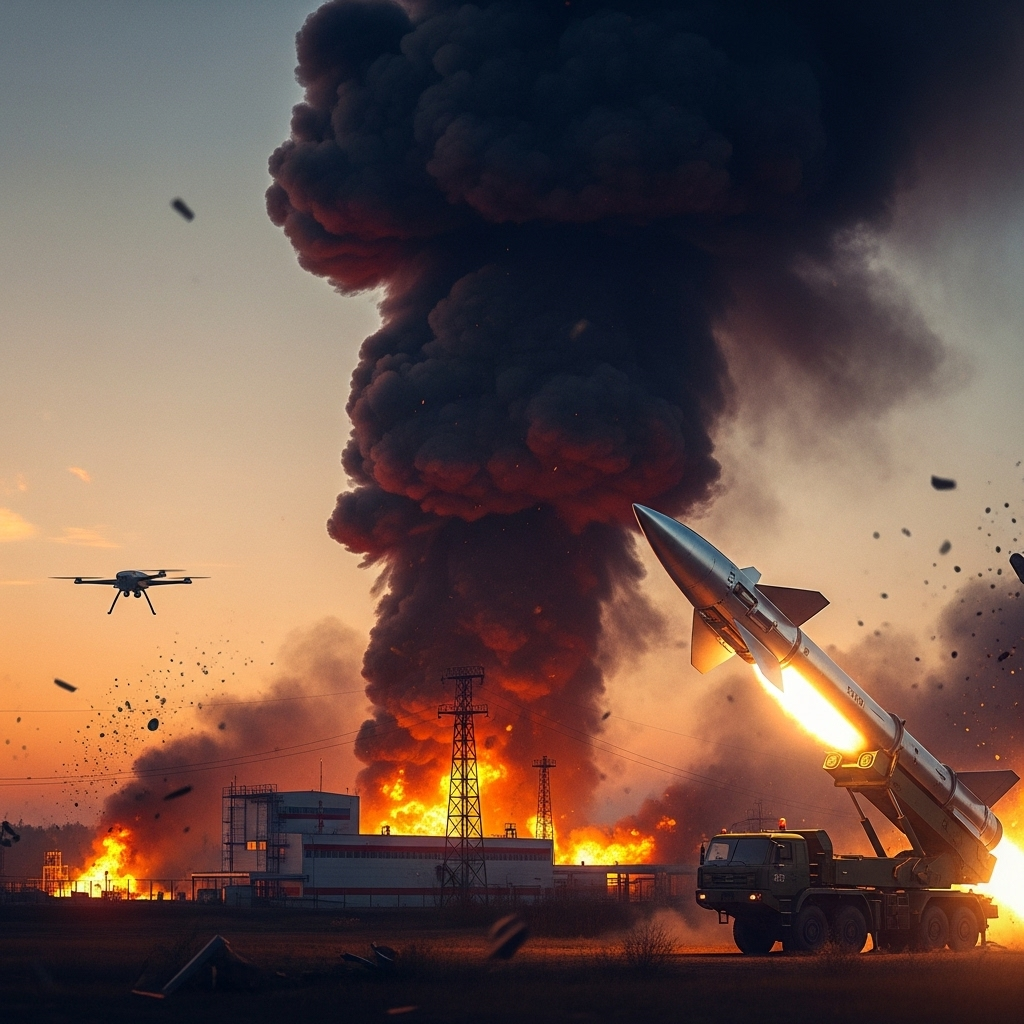
While Russia showcases its futuristic arsenal, Ukraine is fighting a very different—and arguably more immediately effective—war. Over the past several weeks, Ukrainian long-range drones have repeatedly bypassed Russian air defenses to strike oil refineries, fuel depots, and export terminals deep inside Russia.
These attacks are not random. They represent a calculated strategy designed to achieve several key objectives:
- Disrupt Fuel Supplies: By targeting refineries, Ukraine aims to create shortages of gasoline and diesel, directly impacting the fuel supply for Russia’s tanks, trucks, and aircraft on the front lines.
- Inflict Economic Pain: Oil and gas exports are the lifeblood of the Russian economy and its war-funding machine. Each successful strike reduces Russia’s production capacity and export revenue.
- Force a Diversion of Resources: These attacks compel Russia to pull valuable air defense systems, like the Pantsir-S1, away from the front lines to protect its own critical infrastructure.
This asymmetric campaign highlights a fundamental vulnerability. A multi-billion dollar hypersonic missile program does little to stop a swarm of relatively inexpensive drones from causing billions in economic damage and logistical chaos. The success of these strikes demonstrates a keen understanding of modern warfare, where strategic targeting can yield outsized results.
Strategic Implications: High-Tech Weapons vs. Economic Warfare
The juxtaposition of these two events—a hypersonic test and an oil refinery fire—captures the central strategic dilemma of the Russia-Ukraine war. Russia is investing in “superweapons” designed for a potential high-intensity conflict with NATO. These systems are incredibly advanced but have seen limited practical application on the Ukrainian battlefield, where their high cost makes widespread use prohibitive.
In contrast, Ukraine’s strategy is pragmatic and directly tailored to degrading Russia’s ability to wage its current war. By focusing on economic and logistical targets, Ukraine is attacking the foundation of the Russian war effort. The U.S. Department of Defense has noted the effectiveness of Ukraine’s innovative tactics in adapting to the battlefield realities.
This raises a critical question: what constitutes true military strength in the 21st century? Is it possessing the most advanced, high-tech weapon, or is it the ability to creatively and effectively neutralize an adversary’s core strengths using available means? The Russian hypersonic missile is a formidable threat in a theoretical naval battle, but it cannot defend a sprawling network of oil refineries from drone attacks.
The conflict is proving that while next-generation weapons dominate headlines, wars are often won or lost through logistics, economics, and the strategic application of less glamorous, but highly effective, technologies. Russia’s focus on prestige weapons may ultimately come at the expense of defending its own economic vulnerabilities, a trade-off Ukraine is expertly exploiting.
“`


