
Huge fire rips through 100+ residential homes in Manila
Table of Contents
- What We Know About the Blaze
- The Devastating Impact: A Huge Fire Rips Through a Community
- The Response from Emergency Services
- Eyewitness Accounts and Community Solidarity
- The Aftermath and How to Help
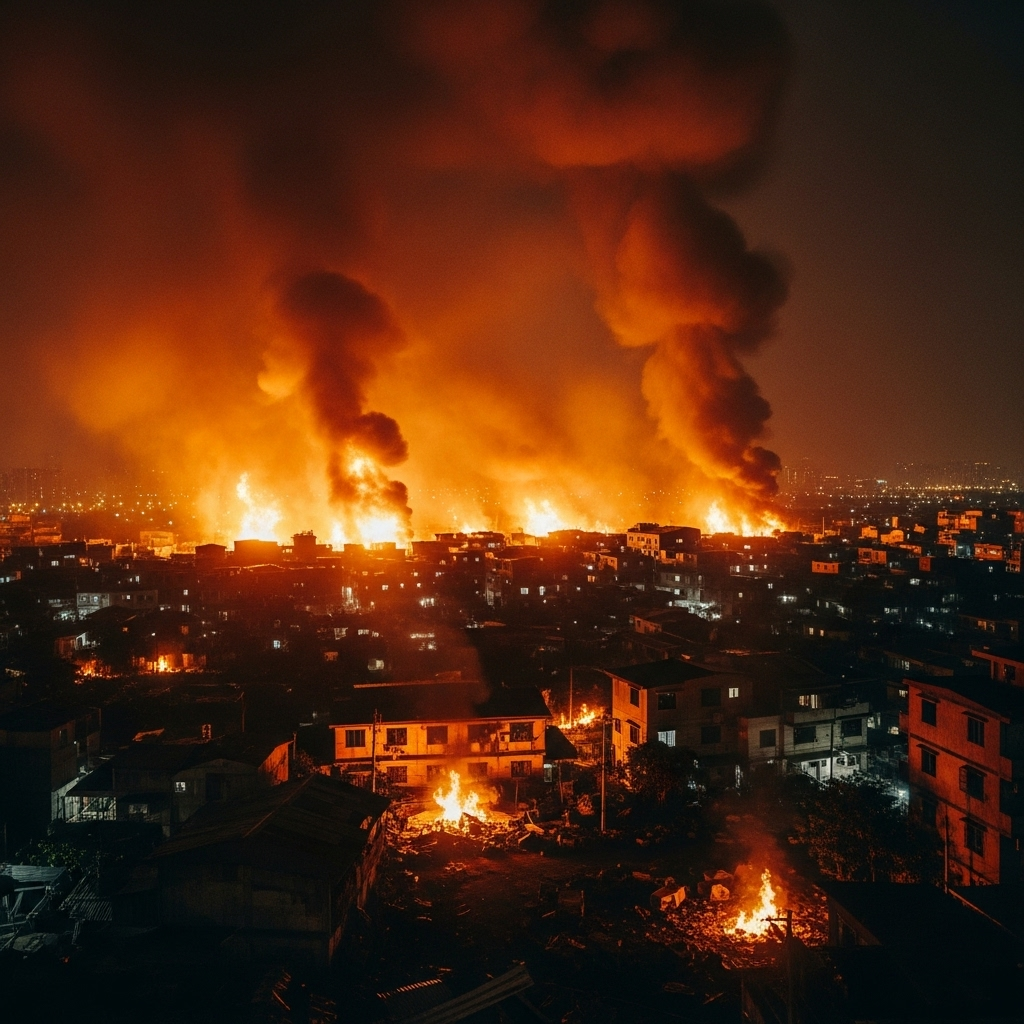
A catastrophic overnight blaze has left hundreds of families homeless after a huge fire rips through a densely populated residential area in Tondo, Manila. The incident, which started late Saturday evening, quickly escalated, engulfing over 100 homes constructed primarily of light materials and leaving a trail of devastation in its wake. Officials are still assessing the full extent of the damage as search and rescue operations continue.
The fire reportedly began around 11:30 PM in a small, crowded community near the port area. Within minutes, the flames, fanned by moderate winds, leaped from one house to another. Residents were awakened by screams and the crackling of burning wood, scrambling to evacuate with whatever personal belongings they could carry. The night sky over the capital was illuminated by an ominous orange glow visible for miles.
What We Know About the Blaze
According to initial reports from the Bureau of Fire Protection (BFP), the fire originated in the kitchen of a two-story residence. While the exact cause is still under investigation, faulty electrical wiring is being considered as a possible trigger—a common issue in many of Manila’s informal settlements. The BFP raised the alarm to Task Force Bravo, signifying that more than 10 fire trucks were required to battle the inferno.
The structure of the neighborhood presented significant challenges for firefighters. “The houses are built so close together, and the streets are extremely narrow, making it difficult for our large trucks to gain access,” said BFP Chief Superintendent Rico Gonzales. “This, combined with the flammable nature of the building materials, created a worst-case scenario for rapid fire spread.”
Firefighters battled the blaze for over five hours before declaring it “under control” at approximately 4:45 AM on Sunday. As of this report, at least 120 homes have been confirmed completely destroyed, displacing an estimated 300 families. The area remains a smoldering ruin, with residents returning at dawn to sift through the ashes in a desperate search for anything salvageable.
The Devastating Impact: A Huge Fire Rips Through a Community
The human cost of the disaster is staggering. While officials have thankfully reported no fatalities thus far, several individuals sustained minor injuries, including burns and smoke inhalation, during the frantic escape. The true tragedy lies in the complete loss of homes, possessions, and livelihoods for hundreds of hardworking families. For many, everything they owned is now gone.
“We lost everything,” a tearful resident, Maria Santos, told reporters. “I was only able to grab my children and our important documents. Our home, our clothes, the small store we ran from our ground floor… it’s all just ashes now.” Her story is one of many echoing through the makeshift evacuation centers.
A huge fire rips not just through buildings, but through the very fabric of a community. Schools in the vicinity have been temporarily converted into shelters, providing a safe space for the displaced. Local government units (LGUs) and non-governmental organizations are working to provide immediate relief, including food, water, blankets, and basic hygiene kits. The emotional and psychological toll on the victims, particularly the children, is immeasurable.

The Response from Emergency Services
The response from the BFP and other emergency services was swift, though hampered by logistical hurdles. Fire crews from neighboring cities, including Pasay and Quezon City, were dispatched to provide support. Volunteer fire brigades also played a crucial role, navigating the tight alleyways with smaller hoses to attack the fire from multiple angles.
Water supply became a critical issue during the peak of the incident. Firefighters had to lay hundreds of meters of hose to connect to distant hydrants, a time-consuming process that allowed the fire to gain more ground. “We were fighting not just the flames, but the environment itself,” noted one firefighter on the scene. “Every second counts in a situation like this.”
The Manila Disaster Risk Reduction and Management Office (MDRRMO) was on-site to manage the evacuation and provide initial aid. They have set up registration desks to create a formal list of all affected families, which will be essential for distributing further government assistance and long-term housing solutions. For more information on city-wide disaster preparedness, you can review our guide on local emergency preparedness.
Eyewitness Accounts and Community Solidarity
Amid the chaos and despair, stories of heroism and community spirit have emerged. Neighbors were seen helping neighbors, waking each other up and assisting the elderly and children in escaping the rapidly spreading flames. This “bayanihan” spirit, a cornerstone of Filipino culture, was on full display.
“I saw my neighbor, Mang Lito, go back into the smoke to help the family next door whose grandmother couldn’t walk fast,” recounted another resident, Paolo Reyes. “People were forming human chains to pass buckets of water before the fire trucks arrived. We tried our best to save what we could.”
These personal accounts paint a vivid picture of the terror and resilience experienced by the community. The shared trauma has bonded the survivors, who are now leaning on each other for support as they face an uncertain future. The overwhelming sentiment is one of gratitude for being alive, overshadowed by the daunting task of rebuilding their lives from scratch.

The Aftermath and How to Help
As the smoke clears, the focus shifts from firefighting to recovery. The city government has pledged financial assistance and temporary housing for the victims. Social workers are providing counseling and support to help residents cope with the traumatic event.
The immediate needs are immense: clean drinking water, ready-to-eat food, clothing, blankets, and toiletries are urgently required. Several organizations are mobilizing to collect and distribute donations.
For those who wish to help, credible organizations are accepting donations. The Philippine Red Cross has launched an appeal for the Tondo fire victims, accepting both in-kind and monetary donations. Your contribution can provide a warm meal, a clean blanket, or essential medical supplies to a family that has lost everything. Please ensure you are donating through official channels to avoid scams.
The road to recovery for the residents of Tondo will be long and arduous, but with the support of the wider community, they can begin to rebuild. This incident serves as a stark reminder of the vulnerability of urban poor communities and the critical need for improved housing and fire safety infrastructure in Metro Manila.
“`


