
‘Block everything’ protests: Over 200 arrested in France
France has been gripped by widespread chaos as a coalition of environmental and social activist groups launched a coordinated day of action, leading to the arrest of over 200 individuals. The nationwide demonstrations, dubbed the ‘block everything’ protests, saw major transportation routes, ports, and city centers brought to a standstill, marking one of the most significant civil disobedience events in the country this year. The actions aim to pressure the government on climate policy and social inequality.
Table of Contents
What Are the ‘Block Everything’ Protests?
The ‘block everything’ protests represent a radical new phase in French activism, uniting various movements under a single banner of disruption. The core philosophy is to create maximum economic and logistical impact to force immediate and drastic government action. Participants include a diverse coalition of groups, from seasoned climate organizations like Dernière Rénovation to anti-capitalist collectives and student unions.
Their demands are broad but interconnected, focusing on what they call “climate and social justice.” Key points include a faster transition away from fossil fuels, wealth taxes to fund green initiatives, and more robust social safety nets. The movement’s name is a literal interpretation of its strategy: to obstruct the “business-as-usual” flow of society that organizers claim is driving the planet toward ecological collapse.
Unlike traditional marches, which often follow pre-approved routes, these protests are characterized by spontaneous, unannounced blockades. Organizers believe that this element of surprise is crucial to their effectiveness, preventing authorities from preemptively shutting them down. This strategy, however, carries significant legal risks for participants, as evidenced by today’s mass arrests.
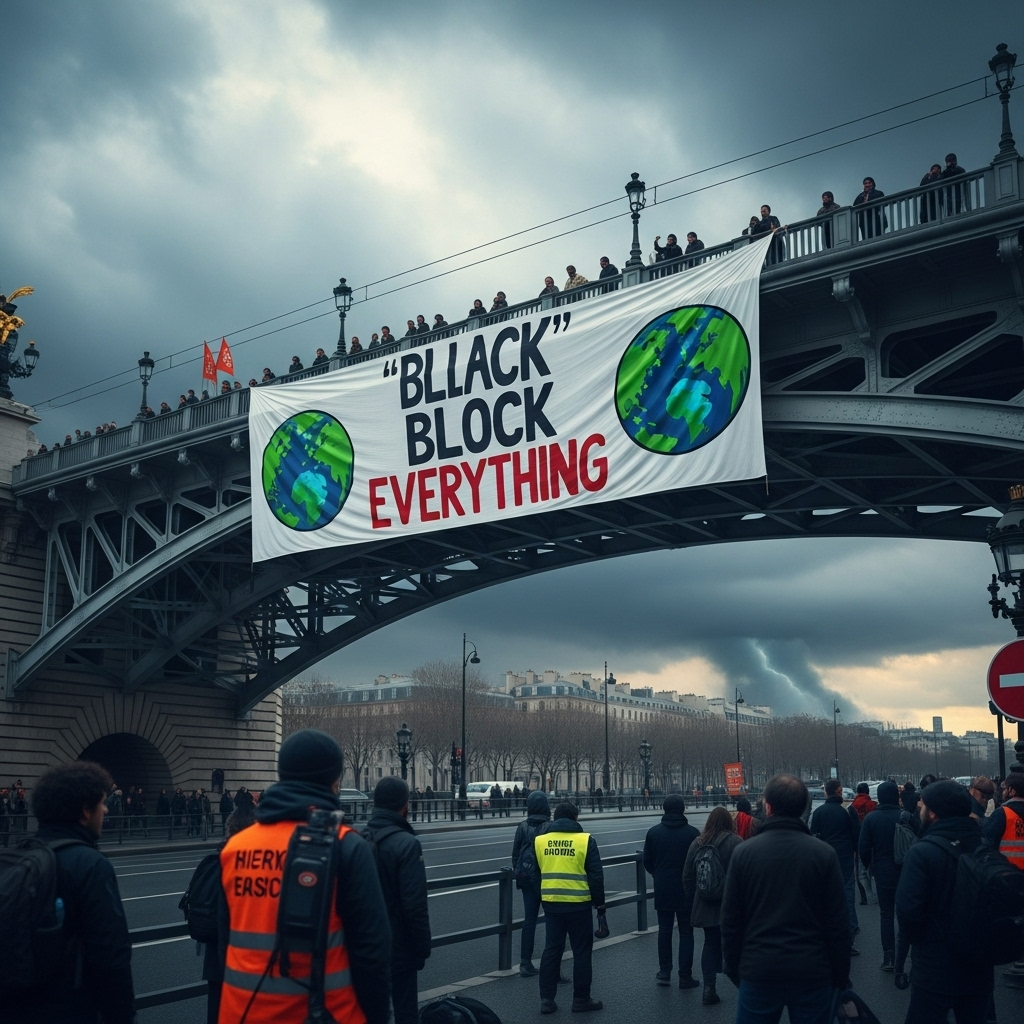
Epicenter of Disruption: How Major Cities Were Affected
The scale of the disruption was immense, with coordinated actions paralyzing key infrastructure across the country. In Paris, activists managed to block several points on the crucial Périphérique ring road during the morning rush hour, causing miles-long traffic jams that snarled the capital for hours. Protestors sat on the tarmac, some gluing their hands to the asphalt, chanting slogans and unfurling banners.
In the south, the port of Marseille, one of Europe’s busiest shipping hubs, was targeted. Small groups of activists in boats attempted to block access to the main harbor, while others chained themselves to container cranes, halting commercial operations. This action was aimed squarely at disrupting global supply chains, a primary target of the movement.
Meanwhile, in Lyon, public transport was the focus. Activists occupied major tram and metro lines, bringing the city’s network to a grinding halt. Similar scenes played out in other major cities, including Bordeaux, Lille, and Strasbourg, where roads, train stations, and government buildings were blockaded. The coordination suggests a highly organized and sophisticated network of activists. For more context on French civil movements, you can read our previous coverage on the pension reform protests.
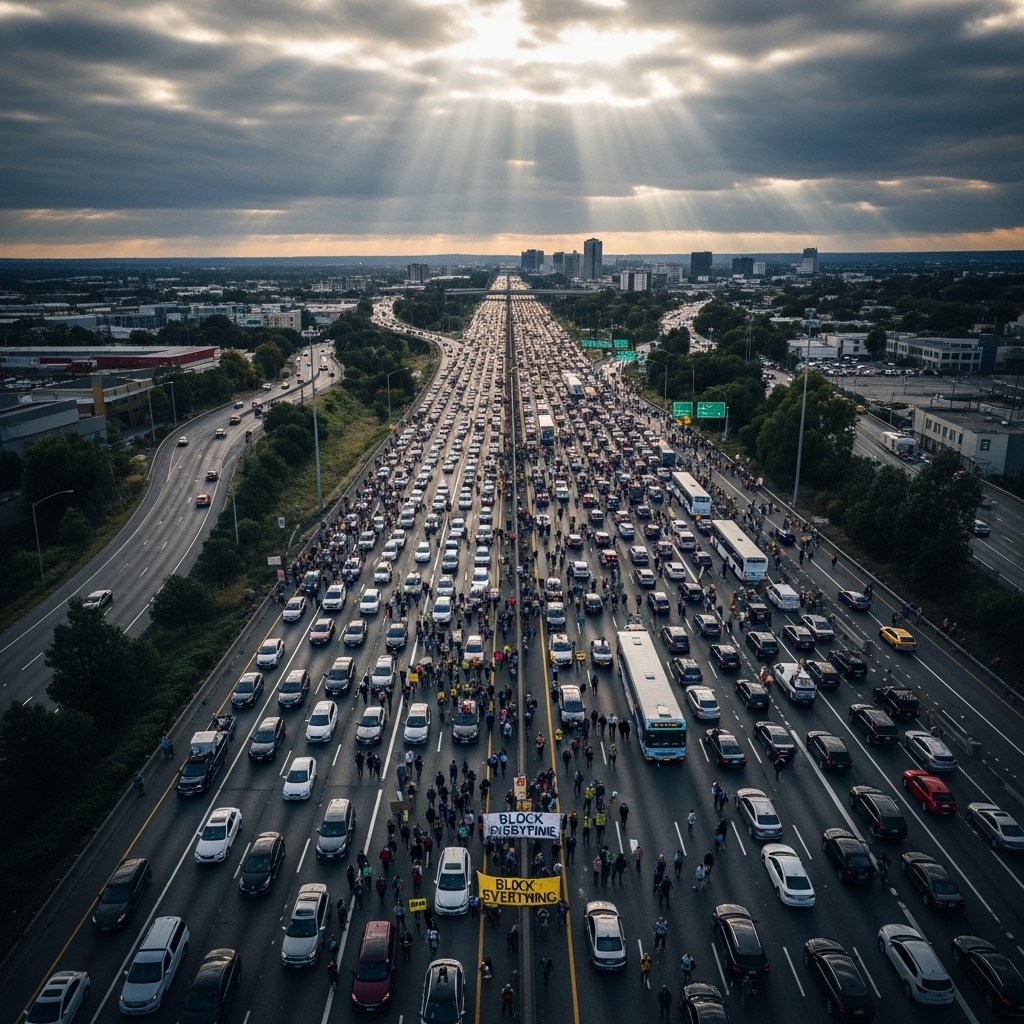
Official Response and the Wave of Arrests
The French government’s response was swift and uncompromising. Interior Minister Gérald Darmanin condemned the actions as “unacceptable and dangerous,” vowing to restore order. He stated, “The right to protest does not mean the right to block everything and endanger the lives of our citizens.”
Across the country, a massive police presence was deployed to break up the blockades. Clashes were reported in several locations as officers worked to remove protestors, some of whom had to be physically unglued from roads and infrastructure. The final tally from the Interior Ministry confirmed that over 200 people were arrested for charges including obstructing traffic, resisting arrest, and endangering public safety.
Legal experts suggest that those arrested could face stiff penalties, including hefty fines and potential jail time, as the government seeks to make an example of them to deter future disruptions. The forceful response has been criticized by some human rights groups, but government officials maintain it was a necessary measure to protect public order and economic stability. The official statement can be read on the French Interior Ministry’s website.
Economic Fallout and Public Sentiment
The economic impact of a single day of the ‘block everything’ protests is estimated to be in the hundreds of millions of euros. The blockades caused severe delays in logistics and deliveries, affecting businesses from small local shops to large multinational corporations. The French employers’ federation, MEDEF, decried the actions as “economic sabotage” that hurts workers and companies alike.
Public opinion remains deeply divided. While many commuters and business owners expressed frustration and anger at the disruptions, polls conducted in the afternoon showed a surprising level of sympathy for the protestors’ underlying motivations. A recent survey indicated that while less than 30% approve of the disruptive tactics, nearly 60% of respondents agree that the government is not doing enough to combat climate change.
This split highlights the central tension facing the government: how to manage public order without appearing to dismiss the genuine and widespread concerns about the climate crisis. The protests have successfully forced the issue to the top of the national agenda, but the confrontational methods risk alienating potential allies among the general public.
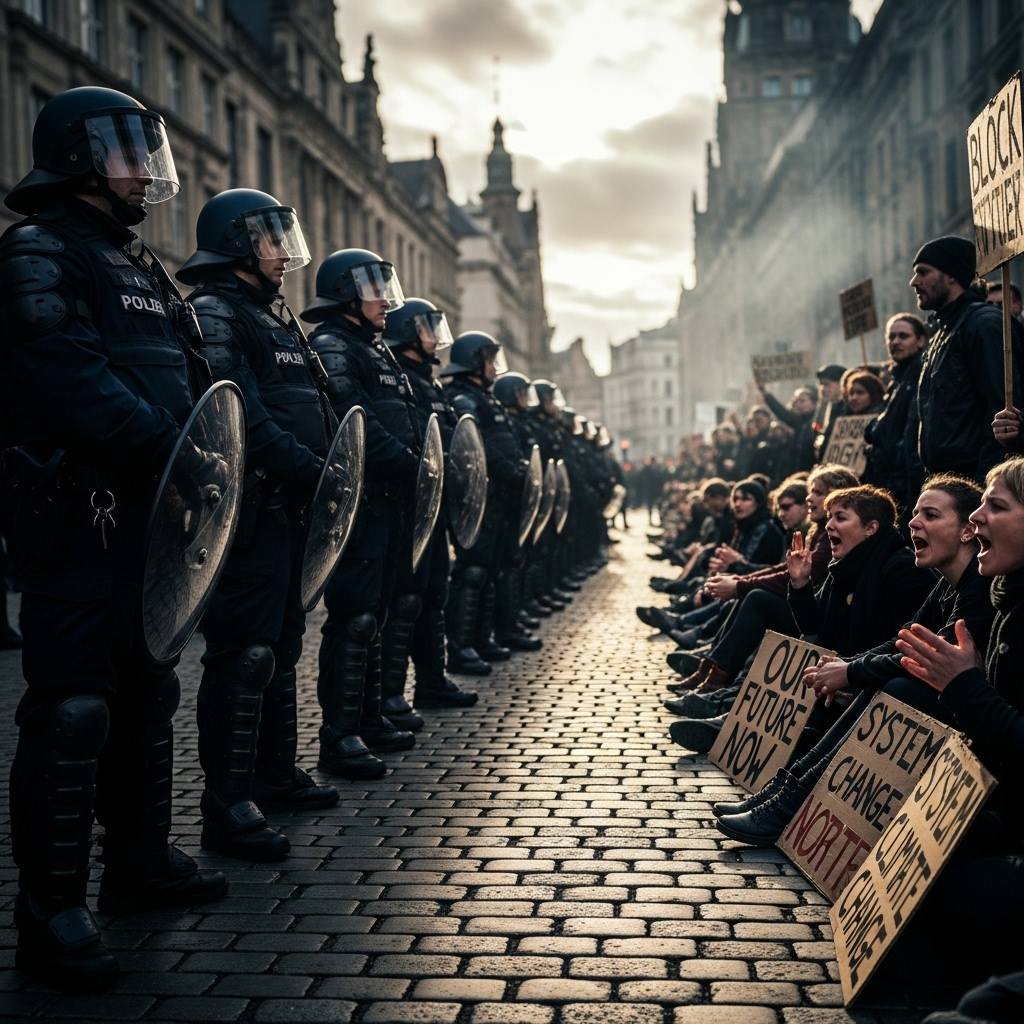
As France cleans up from the chaos, a tense standoff remains. Activist groups have promised that this is only the beginning and that more ‘block everything’ protests will follow if their demands are not met. The government, on the other hand, has drawn a hard line against what it deems illegal and dangerous tactics. The coming weeks will be critical in determining whether a path for dialogue can be found or if the country is headed for a prolonged cycle of confrontation and disruption.
“`


