
‘block everything’ protests: Hundreds arrested in France
Widespread chaos erupted across France this week as the so-called ‘block everything’ protests brought major cities to a standstill, resulting in the arrest of several hundred individuals. The coordinated demonstrations, organized largely through encrypted social media channels, targeted key infrastructure, including highways, ports, and government buildings, in a powerful display of civil disobedience against new government economic policies.
The movement, which translates from the French “tout bloquer,” saw thousands of participants from various sectors, including transport workers, farmers, and students. Their actions created gridlock on a national scale, prompting a swift and forceful response from French authorities. This article breaks down the causes, events, and potential consequences of this significant unrest.
What Sparked the ‘Block Everything’ Protests?
The catalyst for the nationwide demonstrations appears to be the government’s recently announced “Eco-Solidarity Pact.” The package includes a series of measures aimed at accelerating France’s green transition, but critics argue it places an unfair financial burden on working-class citizens and small businesses. The most contentious element is a new mileage-based tax on commercial vehicles, which the logistics and agricultural sectors claim would be ruinous.
For months, unions and trade groups have warned that such a policy would cripple supply chains and raise consumer prices. “We are the backbone of the French economy, yet we are being treated like the enemy,” said a spokesperson for a transport union. “This isn’t an environmental policy; it’s a tax on working people.” Frustration simmered as traditional negotiation channels failed to produce a compromise, leading organizers to adopt more radical “direct action” tactics.
The movement’s decentralized nature, using platforms like Telegram to coordinate, made it difficult for authorities to predict the scale and location of the blockades. This grassroots approach echoes previous French protest movements, such as the Yellow Vests, but with a more targeted and disruptive strategy focused on economic choke points.
A Day of Disruption: How the Protests Unfolded
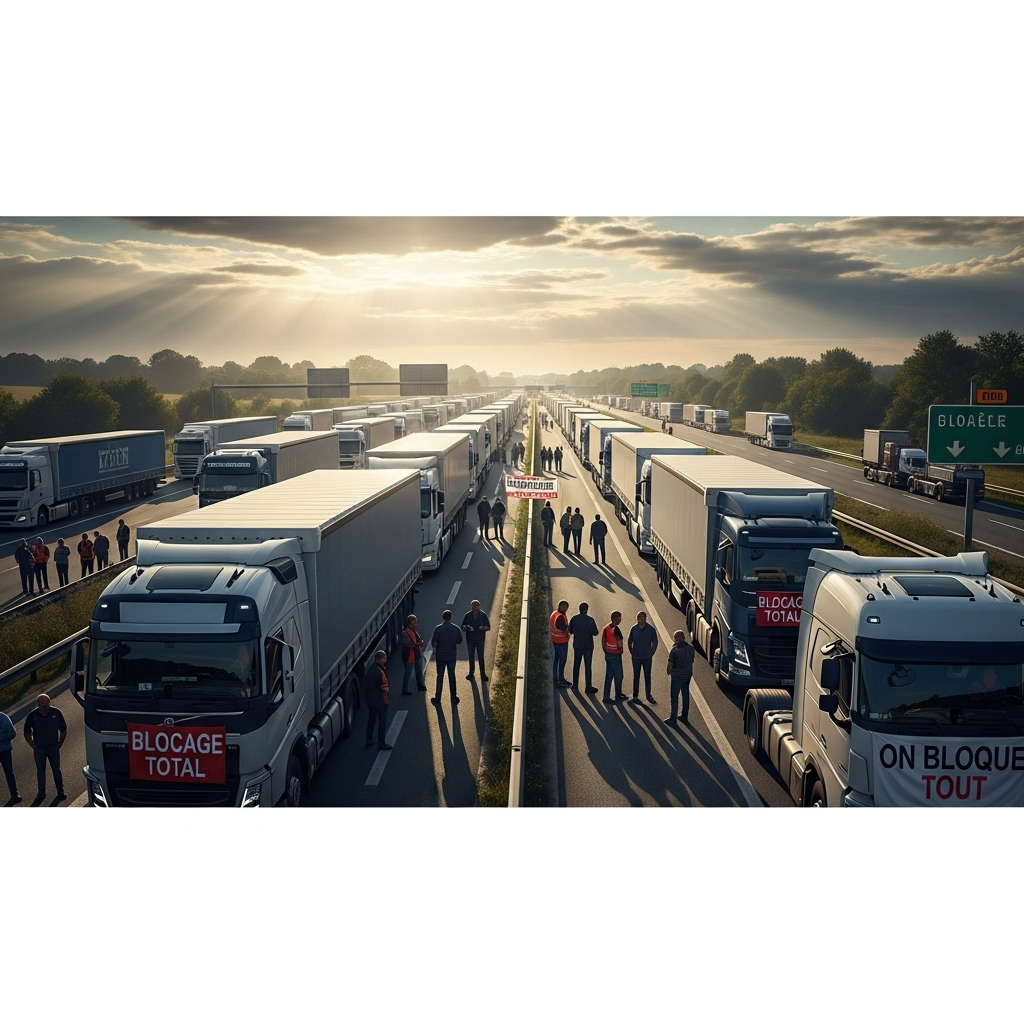
The protests began in the pre-dawn hours, with convoys of trucks, tractors, and cars implementing “Operation Escargot” (Operation Snail) on major motorways surrounding Paris, Lyon, and Marseille. By rush hour, traffic was paralyzed for miles, preventing commuters from reaching work and, more critically, blocking the flow of goods to and from major distribution centers and ports.
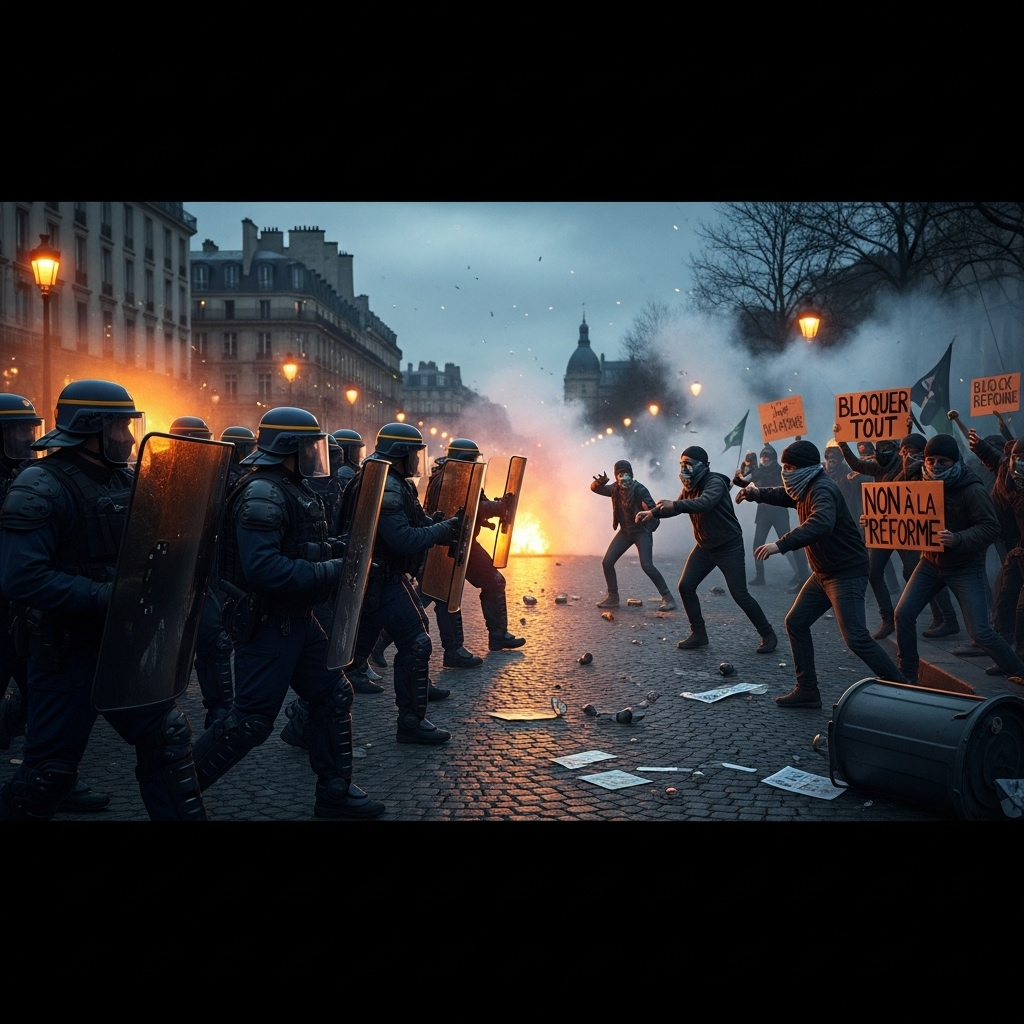
In city centers, demonstrators blockaded entrances to government ministries and tax offices. In Paris, a tense standoff occurred near the Champs-Élysées as police in riot gear formed cordons to prevent protesters from reaching the presidential palace. Similar scenes played out in other regional capitals, with reports of clashes between police and some groups of protesters. While organizers largely called for peaceful disruption, frustration on both sides led to isolated incidents of vandalism and the use of tear gas by law enforcement.
The ‘block everything’ protests also saw novel tactics, including coordinated “digital blockades” where activists flooded government websites and customer service lines, rendering them unusable. The multi-pronged approach—physical and digital—maximized the disruptive impact and media attention. For more details on the policies that led to this, you can read our deep dive on France’s new economic reforms.
The Government’s Forceful Response to the Protests
The French government’s response was resolute. Interior Minister Gérald Darmanin, in a televised address, condemned the blockades as “an unacceptable seizure of the country” and vowed to restore order. He authorized the deployment of thousands of members of the Gendarmerie Nationale and the CRS (Compagnies Républicaines de Sécurité) riot police to clear the blockades.
According to figures released by the French Ministry of the Interior, over 800 arrests were made nationwide on charges ranging from obstructing traffic to resisting arrest and violence against law enforcement. Authorities used heavy equipment to tow vehicles and forcibly remove protesters who had chained themselves to barriers.
The government has maintained that while the right to protest is protected, the right to paralyze the country’s economy is not. “We will not allow a radical minority to hold the entire nation hostage,” the Interior Minister stated. This hardline stance has been criticized by some opposition politicians and human rights groups as excessively heavy-handed, further polarizing the political climate.
Economic Fallout and Shifting Public Opinion
The immediate economic impact of the ‘block everything’ protests has been significant. The national federation of retailers reported major disruptions to supply chains, with fears of empty shelves if the blockades were to continue. The cost of the one-day protest is estimated to be in the hundreds of millions of euros due to lost productivity and logistical chaos.
Public opinion remains sharply divided. Initial polls show sympathy for the protesters’ grievances, particularly concerning the rising cost of living. However, support wavered as the day went on and the widespread disruption affected ordinary citizens’ ability to work, travel, and access services. The government’s messaging has focused on this inconvenience, framing the protesters as selfish actors harming the public good.
This event is part of a larger trend of social unrest across the continent. For a broader perspective, see our analysis on European labor unrest in 2025. The situation in France highlights the delicate balance governments must strike between climate goals and economic justice.
What’s Next for the Movement and the Government?
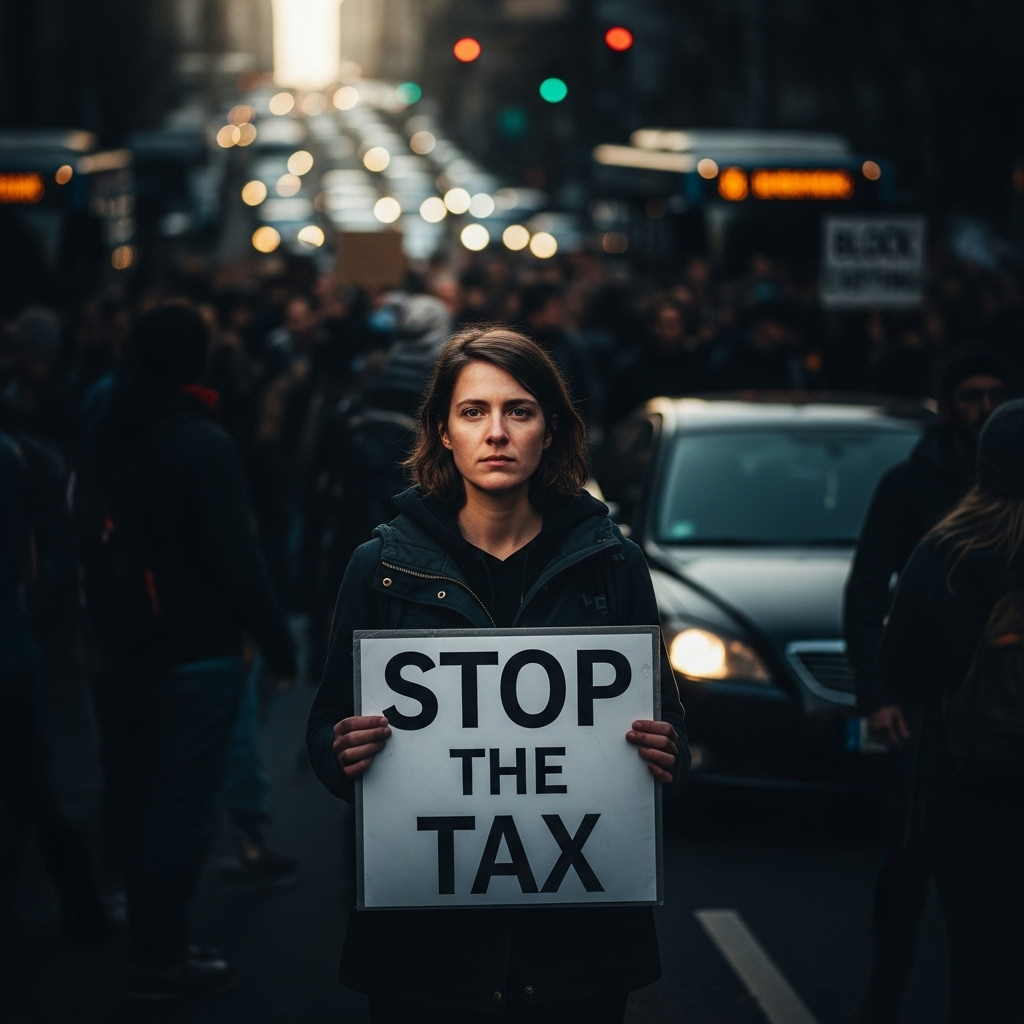
With hundreds of protesters now facing legal proceedings, the immediate future of the movement is uncertain. Organizers have called the arrests an intimidation tactic but have not yet announced plans for further large-scale action. They are likely assessing their strategy and public support before making their next move.
For President Macron’s government, the challenge is twofold. First, it must manage the legal and political fallout from the mass arrests. Second, and more importantly, it must address the underlying anger that fueled the protests. Ignoring the deep-seated economic anxieties of a significant portion of the population could lead to even more significant and prolonged unrest in the future.
Major international news outlets like Reuters are closely watching to see if the government will offer any concessions or open a new round of negotiations with the disaffected sectors. The coming weeks will be critical in determining whether the ‘block everything’ protests were a one-off event or the beginning of a sustained winter of discontent in France.


