



‘block everything’ protests: France sees hundreds arrested
‘block everything’ protests: France sees hundreds arrested
France has been rocked by widespread disruption as the ‘block everything’ protests brought major cities and transportation networks to a standstill. The nationwide movement, fueled by economic discontent, resulted in significant clashes with law enforcement and led to the arrest of several hundred individuals across the country.
The protests, known locally as “Opération Tout Bloquer,” saw demonstrators using vehicles, barricades, and their own bodies to shut down critical infrastructure. This article breaks down the causes, the events, and the aftermath of this significant day of civil action.
Contents
What Sparked the ‘Block Everything’ Protests?
The roots of the ‘block everything’ protests are complex, stemming from a potent mix of economic hardship and political frustration. For months, public anger has been simmering over a series of government policies perceived as detrimental to the working and middle classes. The primary catalyst was the recent announcement of a “Green Solidarity Tax,” which would add a significant surcharge to fuel prices.
While the government framed the tax as a necessary step towards its environmental goals, many citizens saw it as the final straw. Protesters argue that the financial burden falls disproportionately on those who live outside major urban centers and rely on personal vehicles for their livelihood. This includes farmers, delivery drivers, and commuters in rural areas.
“They ask us to be green, but they don’t give us the means,” one protester in Lyon told local media. “My work is 40 kilometers away. There is no train. What am I supposed to do? This isn’t Paris.” This sentiment captures the widespread feeling of being ignored by a centralized Parisian government.
Beyond the fuel tax, demonstrators have cited soaring inflation, stagnant wages, and the erosion of public services as core grievances. The movement lacks a single leader, organized primarily through social media groups, making it a genuine grassroots phenomenon that is difficult for authorities to predict or negotiate with.
A Day of Disruption: How the Protests Unfolded
The “Opération Tout Bloquer” lived up to its name. From the early hours of the morning, coordinated actions began across France. Protesters targeted strategic choke points to maximize disruption.
Key tactics included:
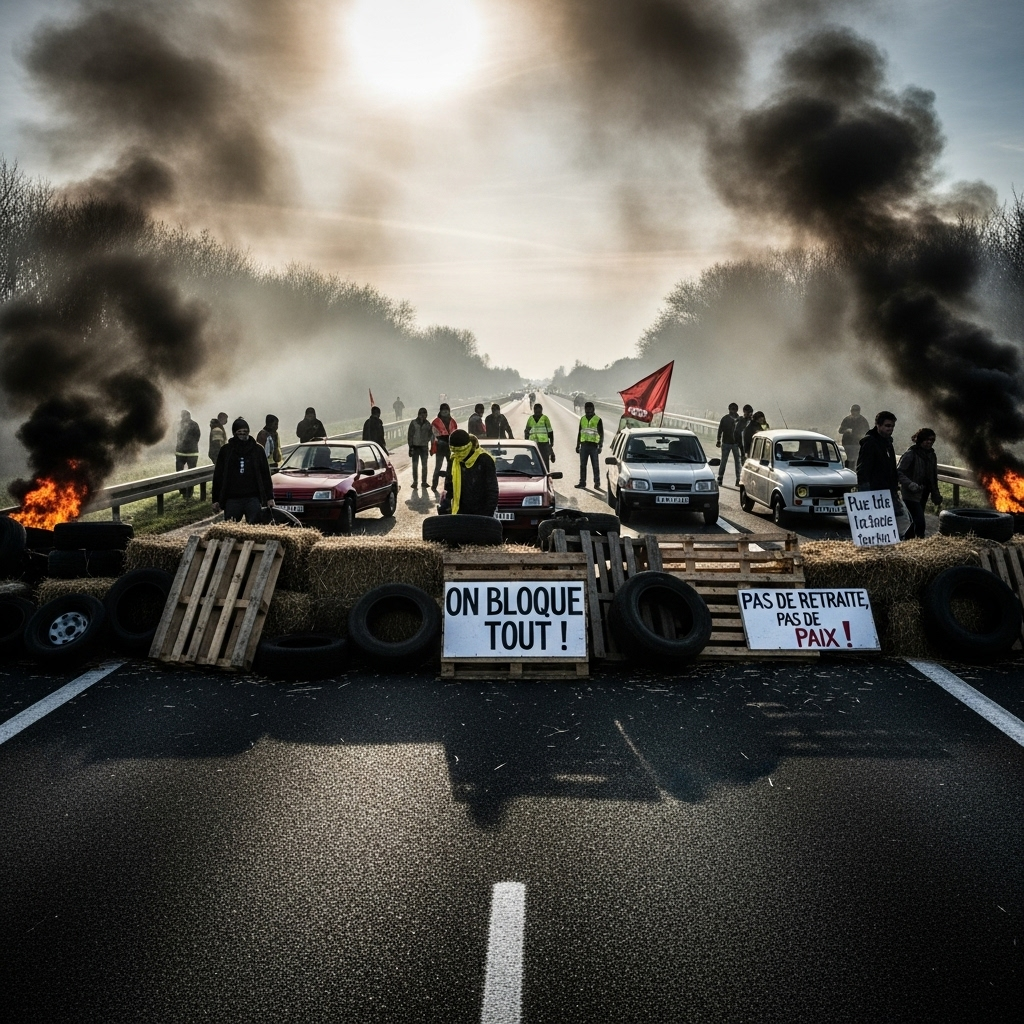
- Highway Blockades: Major autoroutes, including the A1 connecting Paris to Lille and the A7 towards Marseille, were brought to a halt by slow-moving convoys of trucks and cars. Some groups set up makeshift barricades with tires and pallets.
- Port and Refinery Shutdowns: Access to major commercial ports like Le Havre and Marseille-Fos was heavily restricted, creating a backlog of shipping containers. Several oil refineries also reported blockades, raising concerns about fuel supplies.
- “Opérations Escargot” (Snail Operations): In urban areas, protesters organized “snail operations,” where vehicles drive at painstakingly slow speeds on ring roads and major arteries, causing gridlock in cities like Paris, Bordeaux, and Toulouse.
The scale of the disruption was immense. The French Interior Ministry estimated that over 2,000 separate blockade points were active at the peak of the day. Commuters faced hours-long delays, supply chains were interrupted, and many businesses were forced to close. While many actions were non-violent, tensions flared in several locations as the day wore on.
The Government’s Response and Mass Arrests
The French government initially adopted a firm stance, vowing not to let the country be “held hostage.” Interior Minister Gérald Darmanin deployed a significant police and gendarmerie presence, with reports of over 45,000 officers mobilized nationwide.
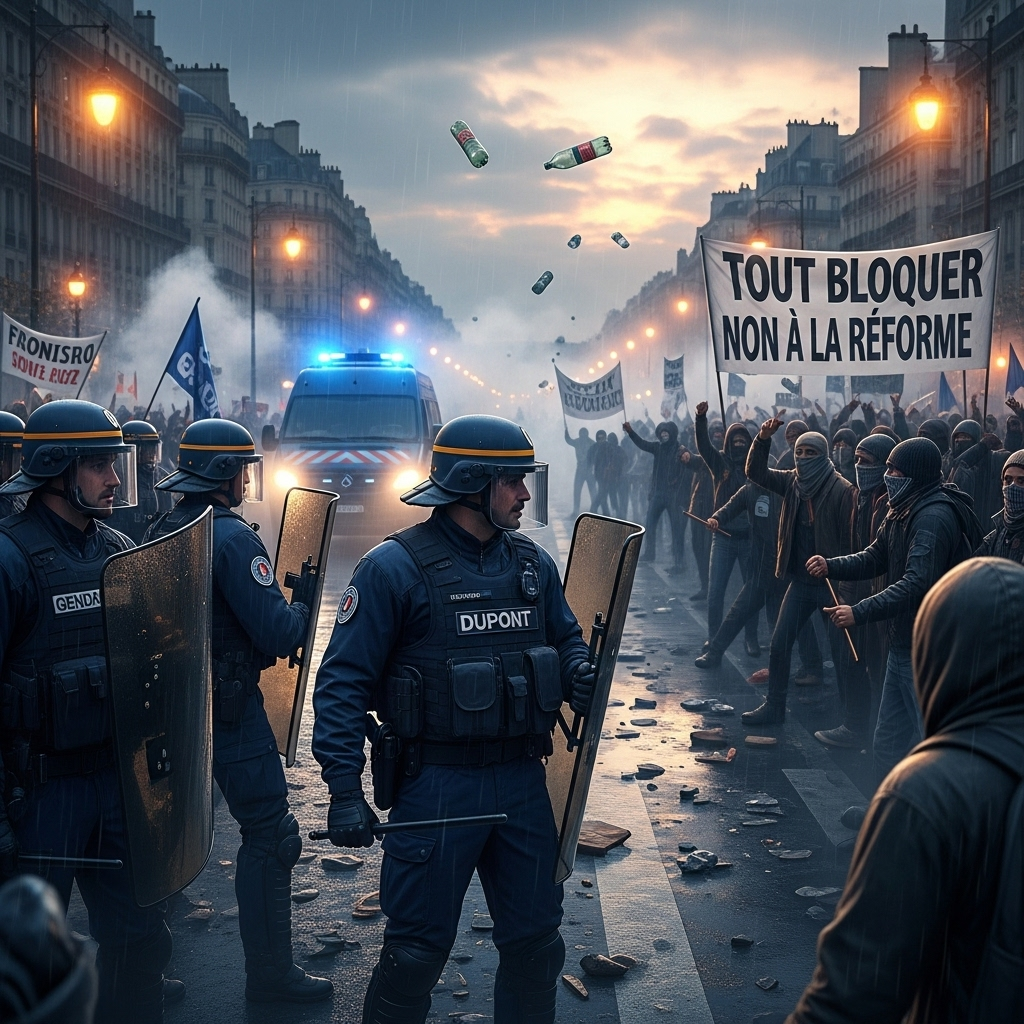
As blockades solidified and tensions escalated, law enforcement began taking more forceful action. In Paris, riot police used tear gas to disperse protesters who had gathered near the Champs-Élysées. Similar scenes played out in Nantes and Rennes, where demonstrators set fire to debris and clashed with security forces.
By evening, the Ministry of the Interior confirmed that at least 481 people had been arrested in connection with the ‘block everything’ protests. The charges ranged from obstructing traffic to vandalism and violence against law enforcement officers. The government has defended the police response as necessary to restore public order and ensure the freedom of movement for all citizens.
Broader Implications of the ‘Block Everything’ Protests
The political and economic fallout from the ‘block everything’ protests is likely to be substantial. Economically, the cost of the one-day shutdown is estimated to be in the hundreds of millions of euros due to lost productivity and supply chain disruptions. The impact on France’s image as a stable place for business could also be a long-term concern.
Politically, the protests expose a deep-seated social fracture in France. They highlight the growing disconnect between metropolitan elites and the “périphérique” France—the suburban and rural populations who feel economically and culturally left behind. This movement, much like the “Gilets Jaunes” (Yellow Vests) before it, poses a significant challenge to President Macron’s government.
Analysts suggest these events could either force the government to the negotiating table or lead to a further hardening of its position. For more background on the economic pressures facing French citizens, you can read our previous analysis on the French inflation crisis.
The government now faces the difficult task of addressing the protesters’ legitimate grievances without appearing to capitulate to disruptive tactics. The high number of arrests may quell immediate action but could also fuel further resentment and galvanize the movement’s supporters.
What’s Next for France?
While the main “day of action” has passed, the situation remains volatile. Organizers on social media are already calling for further demonstrations if their demands are not met. The key demand remains the complete withdrawal of the new fuel tax, but the list of grievances is long and varied.
President Macron’s administration is in a precarious position. A concession on the tax could be seen as a sign of weakness and invite more protests on other issues. However, ignoring the deep-seated anger that fueled the ‘block everything’ protests could prove even more dangerous in the long run, potentially leading to a sustained period of social unrest.
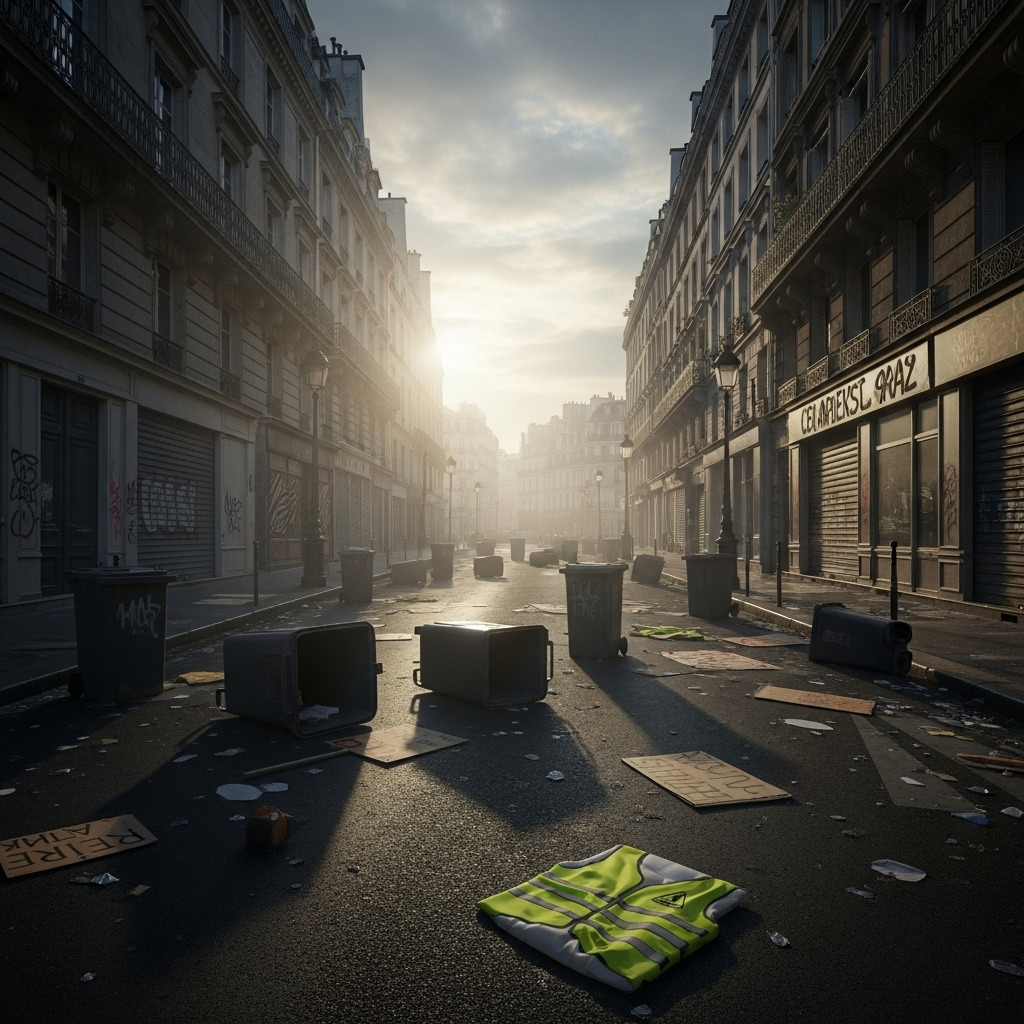
In the coming days, all eyes will be on the Élysée Palace. The government will need to engage in a delicate balancing act of enforcing the law while also demonstrating that it is listening to the frustrations of a significant portion of its population. The path forward is uncertain, but it is clear that the echoes of this day of disruption will reverberate through French politics for some time to come.
“`


