
‘block everything’ protests: 100s Arrested in France
Major cities across France have been plunged into chaos as a new wave of civil disobedience, dubbed the ‘block everything’ protests, brought key infrastructure to a grinding halt. In a swift and forceful response, French authorities have arrested hundreds of individuals involved in the nationwide demonstrations.
What Are the ‘Block Everything’ Protests?
The ‘block everything’ protests, known in French as “tout bloquer,” represent a significant shift in protest tactics. This decentralized movement, primarily organized through encrypted messaging apps and social media, eschews traditional, union-led marches in favor of direct, disruptive economic action. Their core strategy is to create maximum paralysis, thereby forcing the government to address their concerns.
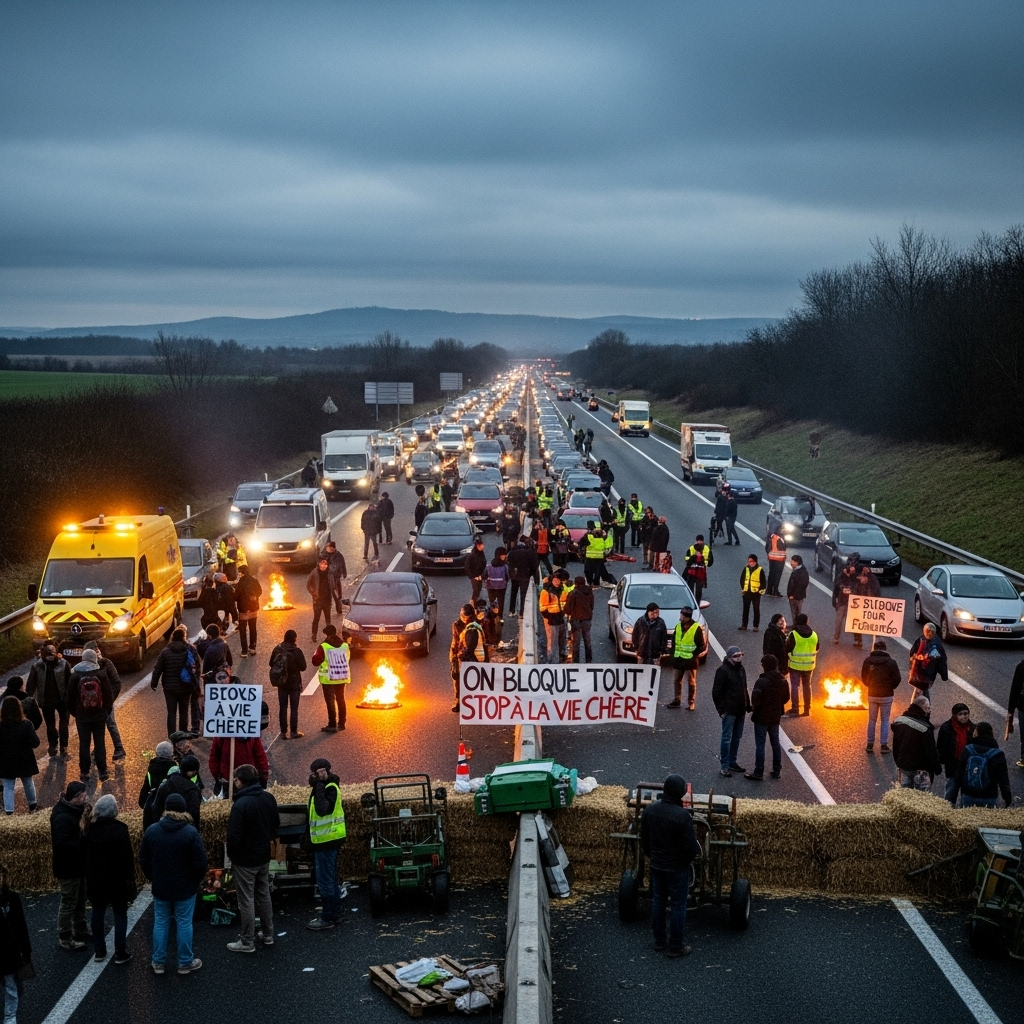
Participants coordinate to block critical economic arteries simultaneously. This includes major highways (autoroutes), ring roads around cities like Paris, access to ports, oil refineries, and large-scale distribution centers. The goal is to make the economic cost of ignoring the movement prohibitively high.
Unlike previous movements like the Gilets Jaunes (Yellow Vests), the ‘block everything’ actions are characterized by their flash-mob nature and a broader coalition of participants, from farmers and truckers to students and public sector workers, all united by a set of shared economic frustrations.
Major Cities Face Gridlock and Disruption
The impact of the protests was felt most acutely in France’s largest urban centers. In Paris, demonstrators successfully blocked several points on the crucial Périphérique ring road, causing miles-long traffic jams that rippled throughout the capital. Key entry points into the city were targeted, leaving commuters and commercial transport stranded for hours.
In Marseille, protesters focused their efforts on the city’s port, one of the largest in the Mediterranean, blocking access roads and disrupting the flow of goods. Similarly, in Lyon, the strategic A7 highway, a vital north-south corridor, was brought to a standstill. Eyewitnesses reported scenes of demonstrators setting up makeshift barricades with tires and pallets.
The disruption extended beyond roads. Public transportation was severely affected, with reports of blockades at major train stations and bus depots. The economic fallout is already being felt, with supply chain experts warning of significant delays and potential shortages if the blockades continue. For more context on French economic policy, see our related article on Understanding France’s Recent Economic Policies.
Why Are People Protesting? The Core Grievances
The roots of the ‘block everything’ protests are multifaceted, stemming from a growing sense of economic disenfranchisement among a significant portion of the French population. The primary drivers include:
- The Soaring Cost of Living: A persistent complaint is that wages have failed to keep pace with the rising costs of essentials like food, housing, and energy. Many protesters feel they are working harder for less purchasing power.
- New Environmental Taxes: A recently proposed “eco-tax” on fuel for non-electric vehicles has been a major catalyst. While the government frames it as a necessary environmental measure, protesters see it as another punitive tax on workers and rural residents who rely on their cars.
- Pension Reforms: Lingering anger over recent pension reforms, which raised the retirement age, continues to fuel the anti-government sentiment. Many feel the reforms unfairly burden the working class.
- Perceived Government Indifference: Above all, there is a pervasive feeling that the government in Paris is disconnected from the daily struggles of ordinary citizens. The protests are as much a demand for respect and a voice as they are about specific policies.
One protester in Lyon told reporters, “They don’t listen when we march. They don’t listen when we vote. Maybe they will listen when the trucks stop moving and the shelves are empty.”
Government Response and Mass Arrests
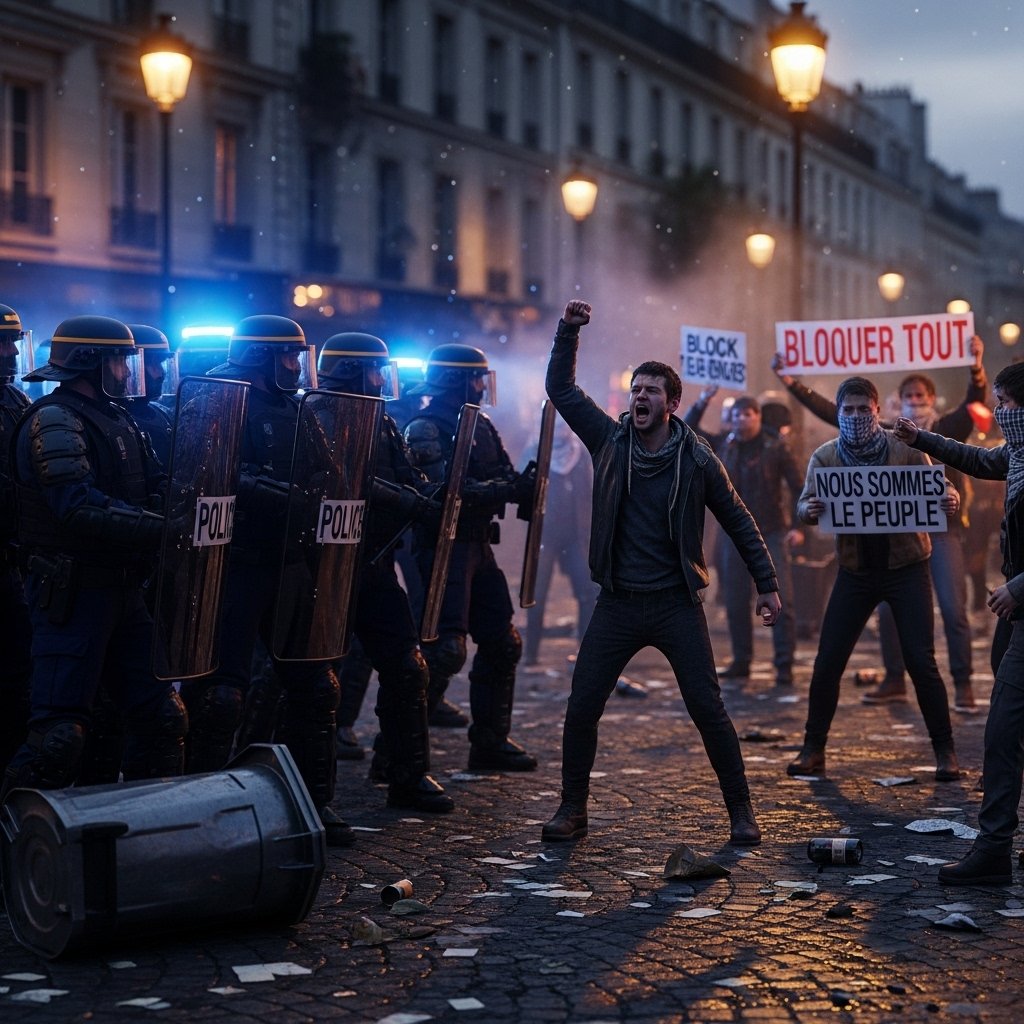
The French government’s response has been unequivocal and severe. Interior Minister Gérald Darmanin declared a “zero tolerance” policy for blockades of critical infrastructure, authorizing a massive police deployment to clear the roads.
Over the past 24 hours, riot police units (CRS) have been engaged in operations across the country, using tear gas and heavy equipment to dismantle barricades. The Ministry of the Interior confirmed that over 450 arrests have been made nationwide, primarily for charges related to obstructing traffic and resisting arrest. The government’s official statements can often be found on the French Ministry of the Interior website.
In a televised address, the Prime Minister defended the police action, stating, “The right to protest is a cornerstone of our democracy, but the right to paralyze the nation and endanger the public is not. We will not allow a radical minority to hold the country hostage.”
However, critics argue that the heavy-handed police response could backfire, further radicalizing protesters and galvanizing public support for the movement.
What’s Next for the Movement?
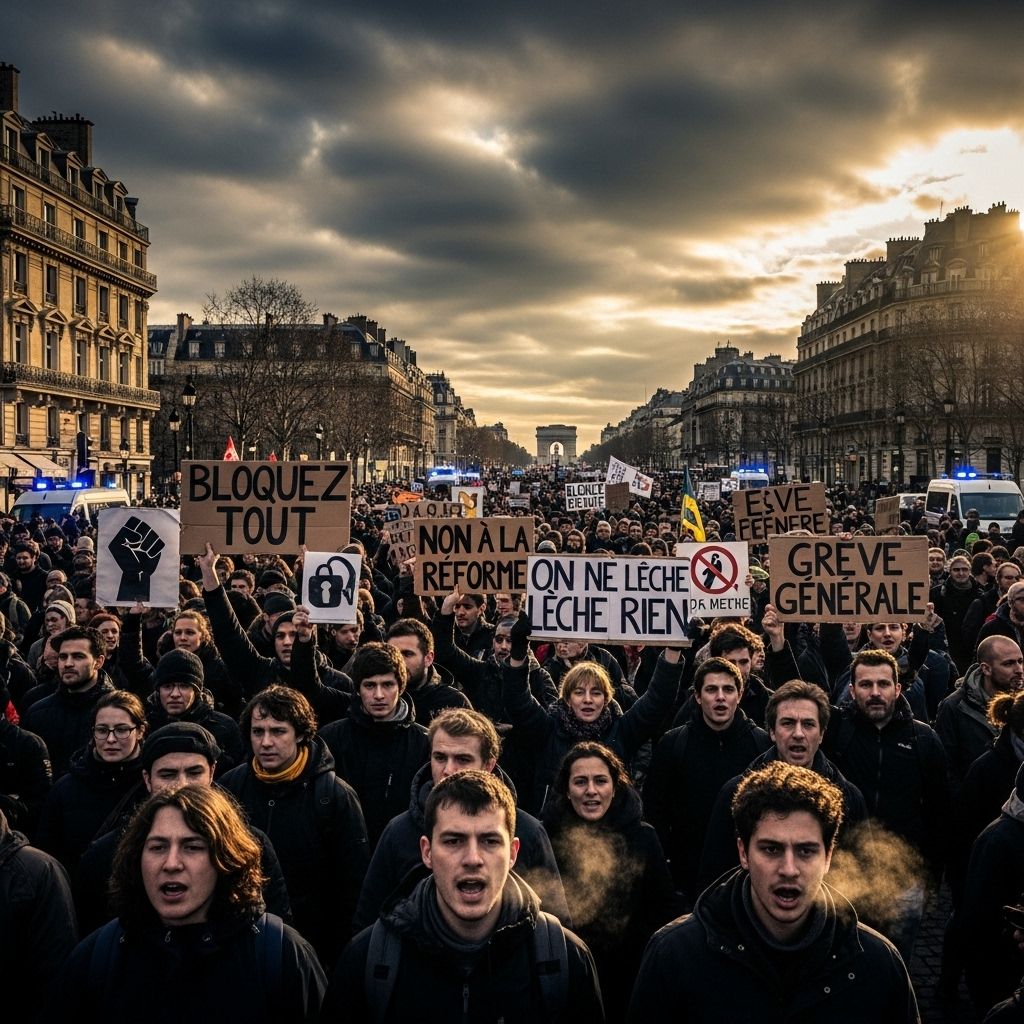
The immediate future of the ‘block everything’ protests hangs in the balance. The mass arrests may succeed in temporarily clearing the blockades and deterring some participants. However, the underlying grievances that sparked the movement remain unaddressed.
Organizers on social media are already calling for new, more “creative” actions and have vowed to continue their struggle. The key question is whether the movement can sustain its momentum in the face of a determined government response. The coming days will be critical in determining whether this is a short-lived eruption of anger or the beginning of a prolonged and destabilizing social conflict in France.
The government faces a difficult choice: continue its hardline stance and risk further alienating a large segment of the population, or open dialogue and offer concessions that could be seen as capitulating to disruptive tactics. For now, the nation remains on edge, caught between the unyielding force of the state and the immovable frustration of its people.


