
‘Block everything’ protests: Hundreds arrested in France
Tensions have reached a boiling point across France as the ‘block everything’ protests paralyzed major cities and transport routes, leading to a massive police crackdown and the arrest of several hundred individuals. The movement, a volatile coalition of farmers, transport workers, and climate activists, has brought the nation to a standstill, demanding sweeping changes to economic and environmental policies.
This latest wave of civil disobedience, dubbed “Opération Tout Bloquer” (Operation Block Everything), represents a significant escalation from previous demonstrations. Protestors have employed coordinated tactics to shut down critical infrastructure, including major highways, ports, and distribution centers, creating widespread disruption and challenging the authority of President Macron’s government.
Understanding the ‘Block Everything’ Movement
The ‘block everything’ protests are not a singular, unified movement but rather a convergence of separate grievances under one banner of disruption. The core idea is simple: to create enough economic and logistical pain that the government is forced to concede to their various demands. This strategy was inspired by a history of successful disruptive protests in France.
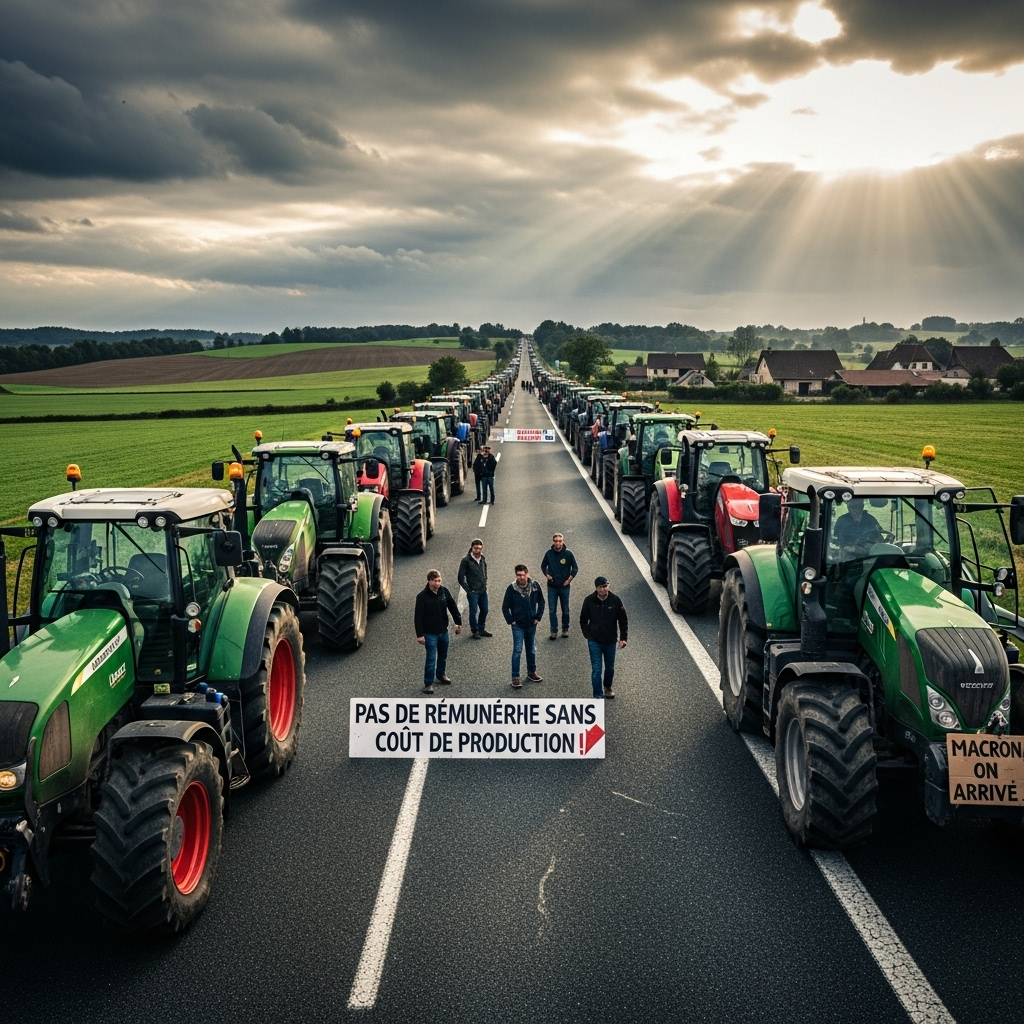
At the forefront are the nation’s farmers, who feel squeezed by rising costs, international trade agreements they say create unfair competition, and stringent environmental regulations. They have used tractors and agricultural machinery to form formidable blockades on key motorways, most notably the A1 motorway leading into Paris.
Joining them are transport unions protesting fuel prices and working conditions, as well as more radical climate activists who believe the government’s climate policies are woefully inadequate. While their end goals differ, they share a common frustration with the current administration and a belief that drastic action is the only path to being heard.
What’s Driving the Protests?
The unrest is fueled by a perfect storm of economic and social pressures. For months, different sectors have warned of impending action, but their calls for dialogue have largely gone unanswered, leading to the current crisis.
Key grievances include:
- Agricultural Policy: Farmers are demanding better pay for their produce, a reduction in bureaucratic red tape, and protection from cheap imports from countries with lower environmental standards. A recent EU trade deal has been a particular point of contention.
- Cost of Living: The rising cost of fuel, energy, and food remains a central issue for a broad segment of the population. Transport workers argue that high diesel prices make their businesses unsustainable.
- Environmental Regulations: While climate activists demand more aggressive environmental action, farmers and other industrial groups argue that current “green” regulations are implemented without adequate financial support, crippling their ability to compete. This internal conflict adds a complex layer to the ‘block everything’ protests.
One protestor, a farmer from Normandy, stated, “We don’t want to be here, blocking roads and angering our fellow citizens. But we are being strangled. This is not a protest; it’s a cry for survival.”
Escalation in ‘Block Everything’ Protests Leads to Hundreds of Arrests
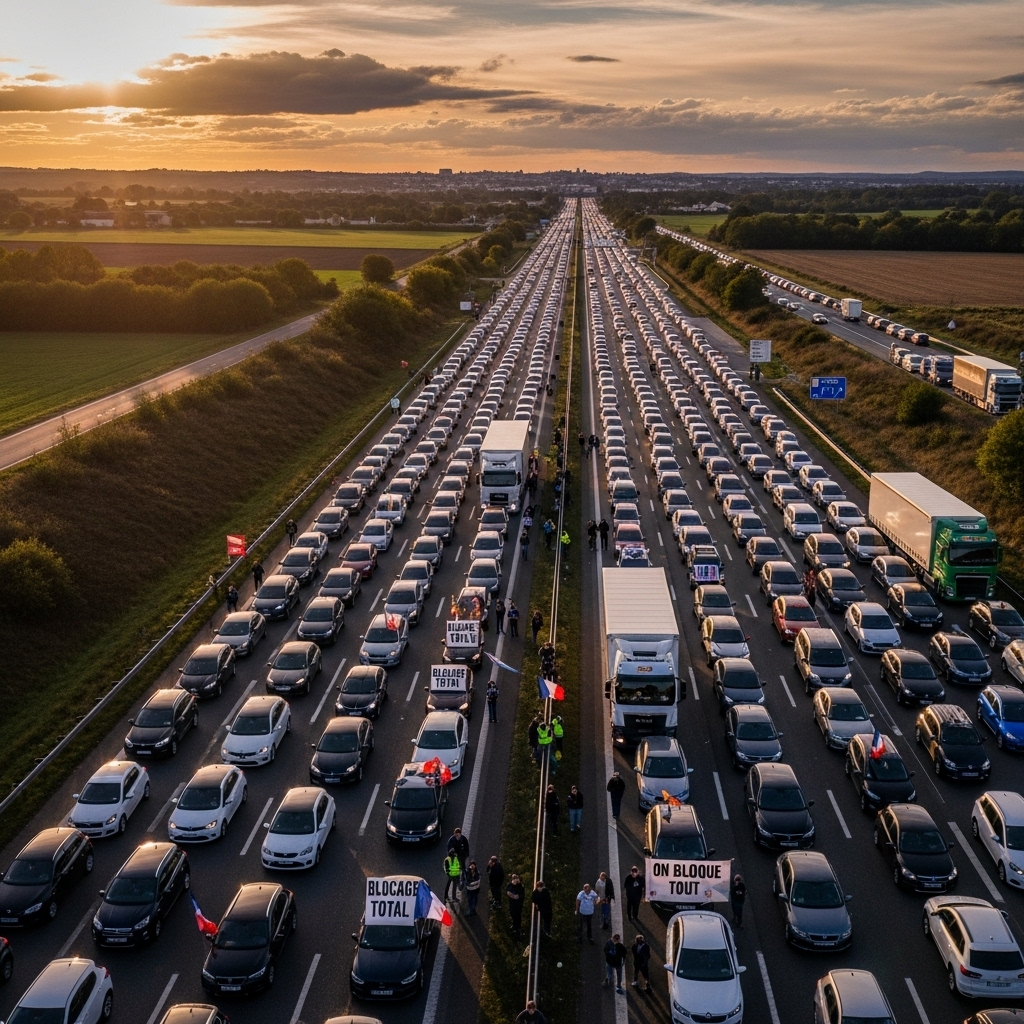
The situation escalated sharply over the last 48 hours as protestors attempted to enforce a “siege” on Paris and other major hubs like Lyon and Marseille. Convoys of tractors and trucks effectively cut off major supply routes, leading to predictions of food shortages in urban supermarkets within days.
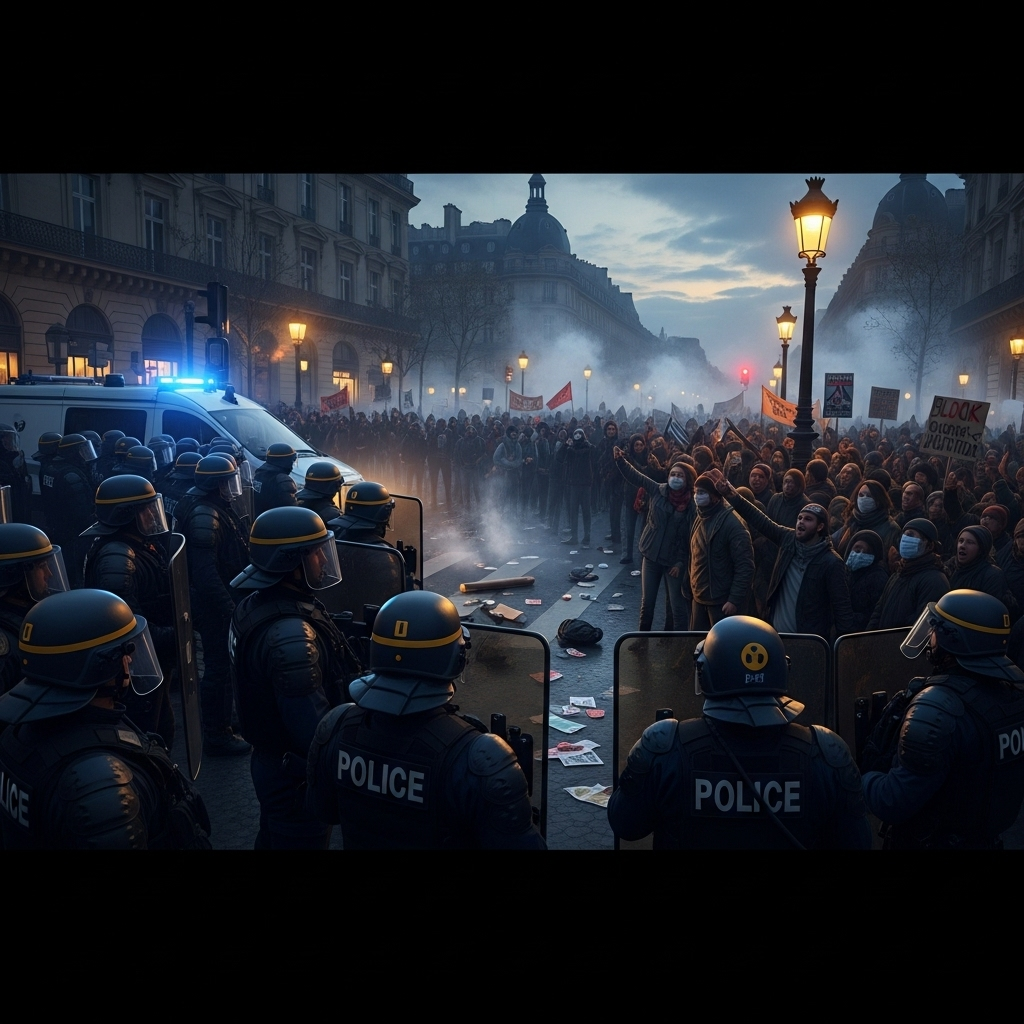
In response, French Interior Minister Gérald Darmanin deployed over 15,000 police officers and gendarmes, authorizing a zero-tolerance approach to what he termed “unacceptable disruptions.” Clashes erupted near the Rungis international market, a strategic food hub for the capital, as police moved to dismantle barricades. Officers used tear gas and water cannons against protestors who resisted with projectiles.
A spokesperson for the national police confirmed that over 400 arrests have been made nationwide for offenses including obstructing traffic, destruction of public property, and violence against law enforcement. “While the right to protest is guaranteed, the right to paralyze the country and threaten public order is not,” the spokesperson declared. For more breaking details, you can follow live updates from major news agencies like Reuters Europe.
Government Response and Public Reaction
President Emmanuel Macron’s government finds itself in a precarious position. A hardline crackdown risks further inflaming the situation and alienating a public that is, in part, sympathetic to the protestors’ core complaints. However, allowing the blockades to continue threatens to cripple the economy and project an image of weakness.
Prime Minister Jean Castex announced a series of emergency meetings with agricultural and transport union leaders, promising to listen to their concerns. He has already floated potential concessions, including emergency financial aid for farmers and a temporary cap on diesel prices for commercial vehicles. “We hear the anger and the distress,” Castex said in a televised address. “But this must be resolved through dialogue, not chaos.”
Public opinion is deeply divided. While early polls suggest a majority of the French public supports the farmers’ demands, patience is wearing thin among city dwellers facing empty shelves and severe travel disruptions. The hashtag #JeSuisBloqué (#IAmBlocked) has been trending on social media, showcasing the frustration of those caught in the crossfire.
What’s Next for the Movement?
The future of the ‘block everything’ protests hangs in the balance. The government’s ability to deliver quick and meaningful concessions will be critical in de-escalating the conflict. If the negotiations fail, or if the proposed measures are seen as insufficient, protest leaders have vowed to intensify their actions.
The arrests may serve as a deterrent for some, but for more determined elements within the movement, they could become a rallying cry, further radicalizing the protests. The coming days will be crucial in determining whether France is headed for a resolution or a prolonged period of social and economic turmoil. The ‘block everything’ movement has successfully captured the government’s attention; now, the question is whether it can translate that disruption into lasting change.
“`


