
‘block everything’ protests: French Police Arrest 100s
The recent wave of ‘block everything’ protests across France has culminated in a significant police crackdown, with authorities confirming the arrest of hundreds of individuals. Major cities, including Paris, Lyon, and Marseille, experienced severe disruptions as demonstrators attempted to bring transportation and economic activity to a standstill. The protests, organized by a coalition of grassroots movements, cite rising living costs, environmental policies, and a general dissatisfaction with the current government as their primary motivations.
This article delves into the causes behind the widespread demonstrations, the dramatic escalation that led to mass arrests, and the potential fallout for the French government and its citizens.
What Are the Roots of the ‘Block Everything’ Protests?
The ‘block everything’ protests did not emerge from a vacuum. They are the latest expression of deep-seated social and economic anxieties that have been simmering in France for years. For many participants, the core issue is the crushing burden of the cost of living. Inflation, stagnant wages, and soaring energy prices have pushed many households to the financial brink.
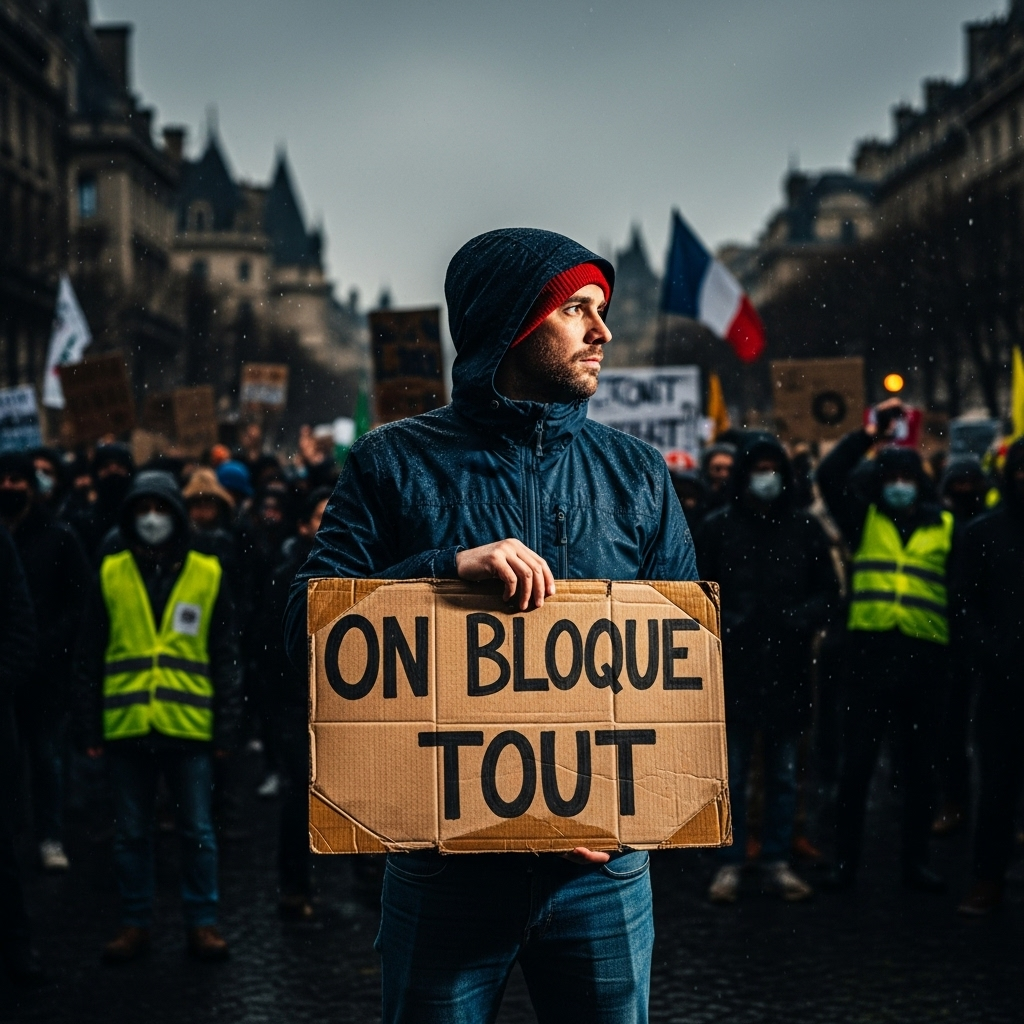
Unlike previous movements led by established unions, this protest wave is characterized by its decentralized nature. It draws support from a diverse cross-section of society, including students, farmers, small business owners, and blue-collar workers. “We are not professional protestors,” one demonstrator in Lyon told reporters. “We are parents and workers who can no longer make ends meet. The government must listen.”
Government policies on fuel taxes and the green transition are another major flashpoint. While intended to combat climate change, many protestors feel these measures disproportionately penalize lower and middle-income families who rely on vehicles for their livelihood. This sentiment echoes the earlier “Yellow Vests” movement, suggesting a persistent disconnect between Parisian policymakers and the rest of the country.
A Nation at a Standstill: The Escalation
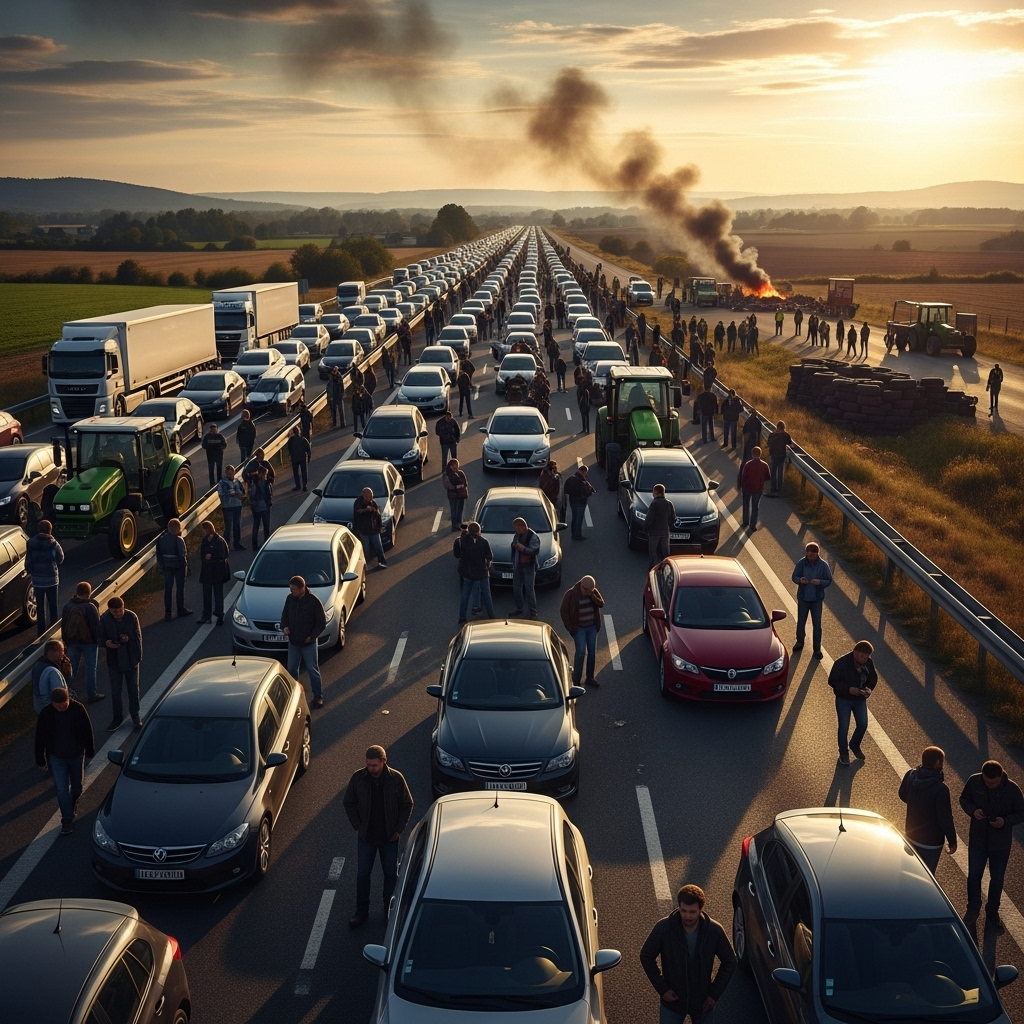
What began as localized demonstrations quickly escalated into the coordinated ‘block everything’ protests seen this week. Using encrypted messaging apps and social media, organizers called for a nationwide day of action with the explicit goal of creating “total paralysis.” Their strategy involved blocking key infrastructure points: major highways, ring roads around cities, access to ports, and entrances to large distribution centers.
In Paris, protestors attempted to blockade the Périphérique ring road, a critical artery for the capital’s traffic. In Marseille, the entrance to the city’s main commercial port was targeted, while in Lyon, demonstrators set up barricades on the A7 motorway, one of France’s busiest transport routes. The blockades caused widespread travel chaos, with traffic jams stretching for dozens of kilometers.
The movement’s tactics have been a subject of intense debate. While organizers claim non-violence is a core principle, scattered incidents of clashes with motorists and property damage have been reported. This provided the justification for the robust police intervention that followed.
Police Response and Mass Arrests
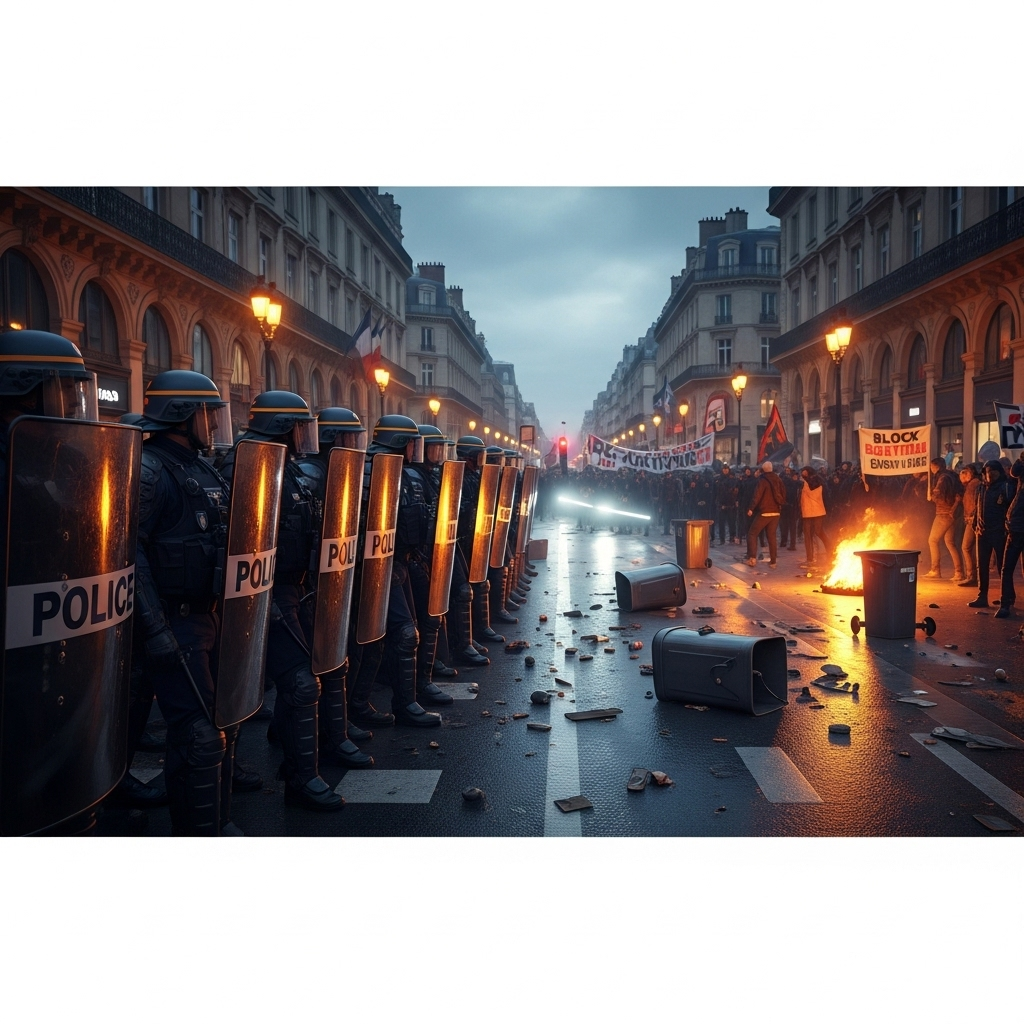
Faced with a nation grinding to a halt, the French government authorized a massive police response. Interior Minister Gérald Darmanin announced that over 15,000 police and gendarmes were deployed nationwide to dismantle the blockades and restore order. The minister stated that while the right to protest is protected, “the right to block, to vandalize, and to endanger the lives of others is not.”
The police operations were swift and decisive. In the early hours of the morning, specialized units began clearing barricades, often using tow trucks to remove vehicles and machinery used by the protestors. In several hotspots, tensions flared, leading to the use of tear gas and riot shields to disperse the crowds.
Official figures released by the Ministry of the Interior confirm that hundreds of arrests were made across the country. The charges range from obstructing traffic and refusing to disperse to more serious offenses like violence against law enforcement officers. The government has signaled a zero-tolerance approach, promising swift legal proceedings for those arrested. For more details on police procedures, you can read our internal guide on understanding law enforcement tactics.
Economic and Social Impact of the Blockades
The short-term economic impact of the ‘block everything’ protests is already being felt. The blockades have severely disrupted supply chains, preventing goods from reaching factories, supermarkets, and businesses. The National Federation of Road Hauliers reported millions of euros in losses due to immobilized fleets and missed deliveries.
Retail and hospitality sectors also suffered, as the chaos deterred shoppers and tourists. In city centers affected by the protests, many businesses reported a dramatic drop in footfall. The social impact is equally significant. While many citizens express sympathy for the protestors’ underlying grievances, the disruptive tactics have also generated frustration and anger among those whose daily lives were thrown into disarray.
This division in public opinion presents a major challenge for both the protestors and the government. For the movement to sustain momentum, it must maintain broad public support. For the government, the task is to address the root causes of the anger without appearing to capitulate to disruptive and unlawful methods.
What Comes Next for France?
With hundreds of protestors now in custody and major blockades cleared, an uneasy calm has returned to many parts of France. However, the underlying tensions that fueled the ‘block everything’ protests are far from resolved. Organizers have already called the arrests an act of “state repression” and are vowing to continue their fight.
President Emmanuel Macron’s government is at a critical juncture. It must navigate the fine line between maintaining public order and engaging in meaningful dialogue. Concessions on fuel prices or other economic policies could be seen as a victory for the protestors, potentially encouraging similar actions in the future. Conversely, a hardline stance risks further alienating a significant portion of the population and setting the stage for even larger confrontations.
The coming weeks will be crucial. The government’s next moves, the legal outcomes for the arrested individuals, and the protest movement’s ability to regroup will determine whether this week’s events were a climax or merely the prelude to a longer, more turbulent chapter in French social politics.
“`


